Five Key Points to Consider When Customizing Zinc Hot-Forge Balance Blocks
2025-08-13


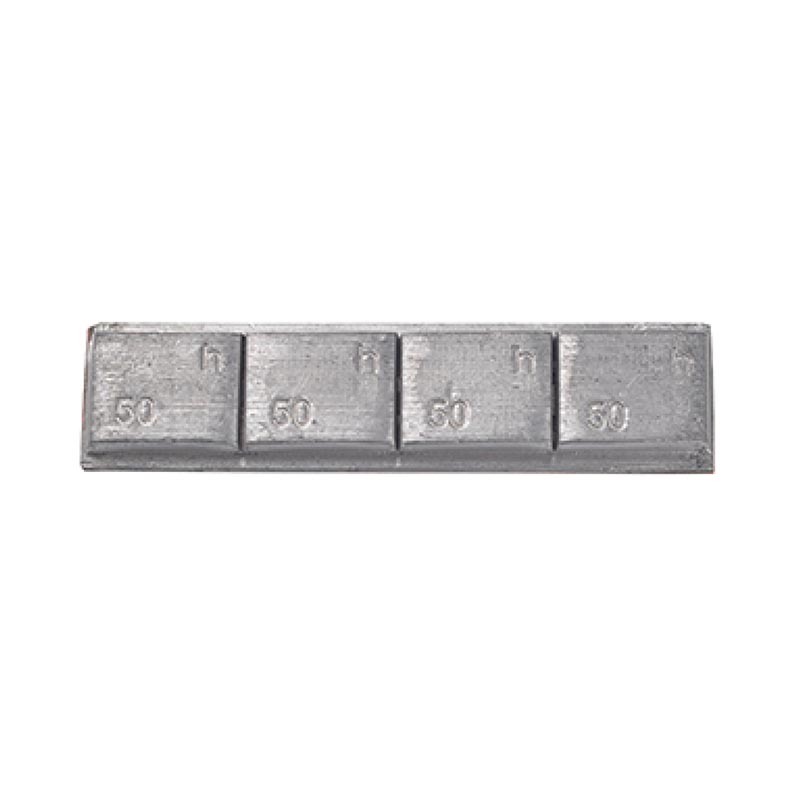
Zinc hot-forge balance blocks are widely used in automotive, machinery, shipbuilding, and engineering machinery due to their high density, excellent mechanical strength, and corrosion resistance. In practice, different industries have varying requirements for balance block size, performance, and durability, leading many companies to opt for customized production. Therefore, when customizing zinc hot-forge balance blocks, companies should focus on the following five key points.
First, clearly define the operating conditions and requirements. Different equipment has varying requirements for the load, operating environment, and lifespan of balance blocks. For example, balance blocks used in automotive wheels require high fatigue resistance, while the marine industry prioritizes corrosion resistance. Before customizing, companies should provide suppliers with detailed operating parameters to avoid a mismatch between product performance and requirements.
Second, prioritize material selection. Zinc alloy is the primary material used in zinc hot-forge balance blocks, and the purity and composition of the material directly impact their strength and durability. Purchasers should communicate with manufacturers to ensure the use of high-purity zinc and appropriate alloy ratios to ensure both strength requirements and excellent corrosion resistance.
Third, focus on hot forging processes and precision. Hot forging is a key advantage of zinc hot-forge balance blocks over cast products. It densifies the metal's grain structure, thereby enhancing overall strength. During the customization process, it is important to confirm whether the supplier has mature hot forging equipment and process control capabilities. Furthermore, dimensional accuracy and surface quality must meet design standards.
Fourth, inspect surface treatment and protection. Balance blocks are often exposed to humid, salty, or oily environments, making surface treatment critical. Common methods include electroplating, spray coating, or anti-rust coating. Companies should specify the protection level during customization to extend product life.
Fifth, ensure quality standards and testing. A reliable supplier should hold quality management system certification, such as ISO or IATF, and conduct comprehensive pre-shipment inspections, including dimensional tolerance testing, hardness testing, and salt spray testing. Companies should request test reports from suppliers when signing contracts to ensure the products meet expected standards.
Customizing a zinc hot-forge balance block requires comprehensive consideration of five key aspects: application requirements, material selection, hot forging process, surface treatment, and quality inspection. Only by carefully controlling these key aspects can we ensure that the purchased balance block not only meets the working conditions but also provides long-term, stable value.
Related Posts
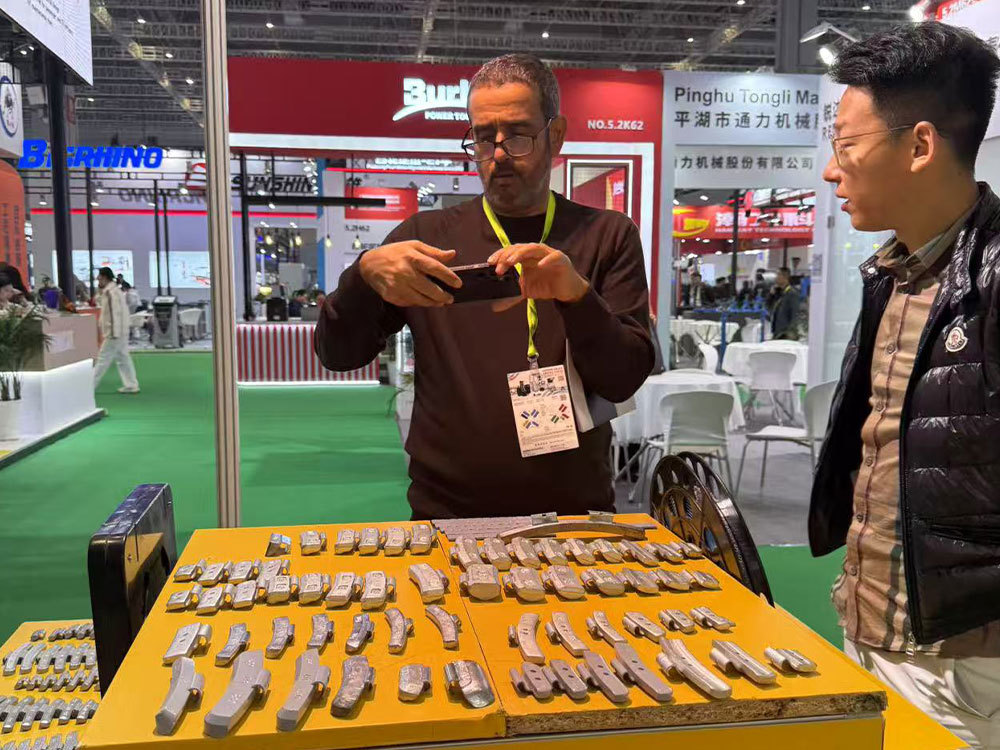
Global automotive wheel balance block industry
Contact Us
Sales Business:
Tel: +86-311-85939575 / +86-13673130619
Phone: +86-13933004411 (Manager Huang)
Email: wheelweights@hxphk.com
Contact Factory:
Tel: +86-317-4452233
Tel: +86-317-4452855
Email: hxphkc@126.com
What We Offer
Hebei Pan Asian Wheel weights Co.,Ltd. is an automobile wheel balance weights production enterprise that integrates scientific research, production, and sales.