Analysis of Factors Influencing the Price of Customized Zinc Hot-Forge Balance Blocks
2025-08-16


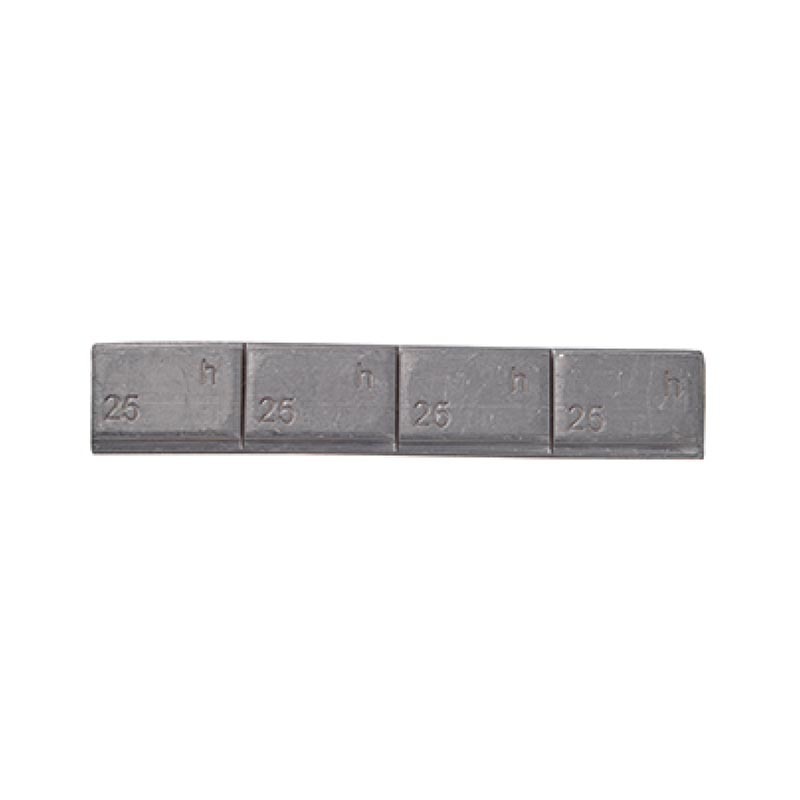
Zinc hot-forge balance blocks are widely used in the automotive, machinery, marine, and engineering equipment sectors due to their high density, strength, and corrosion resistance. Many companies choose customized production based on their specific needs, but in actual procurement, they often find significant price discrepancies between different manufacturers. Understanding the factors influencing the price of customized zinc hot-forge balance blocks is crucial for rationally assessing and controlling costs.
Raw material price is a key determinant of cost. Zinc alloy, the primary raw material for zinc hot-forge balance blocks, is subject to market fluctuations, purity requirements, and alloy ratios. High-purity zinc and the addition of elements such as aluminum and copper improve performance but also significantly increase costs. Therefore, the choice of material directly determines the price of a custom product.
The hot forging process and production difficulty also significantly influence price. Hot forging can densify the metal structure and enhance product strength, but it places high demands on equipment and process control. Larger balance blocks or complex designs require higher temperature and pressure control precision, increasing production complexity and naturally increasing the price.
Customized design and machining precision. Customized balance blocks often require adjustments to their size, shape, and weight based on specific customer requirements. High precision requirements require CNC precision machining, mold customization, and even surface polishing, all of which incur additional costs. The higher the degree of customization, the higher the price per unit.
Surface treatment and protection level. Balance blocks often operate outdoors or in humid, salty environments. Surface treatment processes such as electroplating, spray painting, and anti-rust coatings directly impact their service life. Prices vary significantly between treatments with different protection levels, and higher corrosion resistance requirements increase costs.
Quality standards and testing requirements. Suppliers that adhere to international quality systems such as ISO and IATF and conduct rigorous inspections such as salt spray testing, hardness testing, and dimensional tolerance testing will incur higher production costs. While these products may be more expensive, they ensure long-term stability and safety.
The price of a custom zinc hot-forge balance block is primarily influenced by multiple factors, including material cost, process complexity, degree of customization, surface treatment, and quality testing standards. When purchasing, companies should not only focus on price, but should also consider usage requirements and long-term value to find the most cost-effective solution.
Related Posts
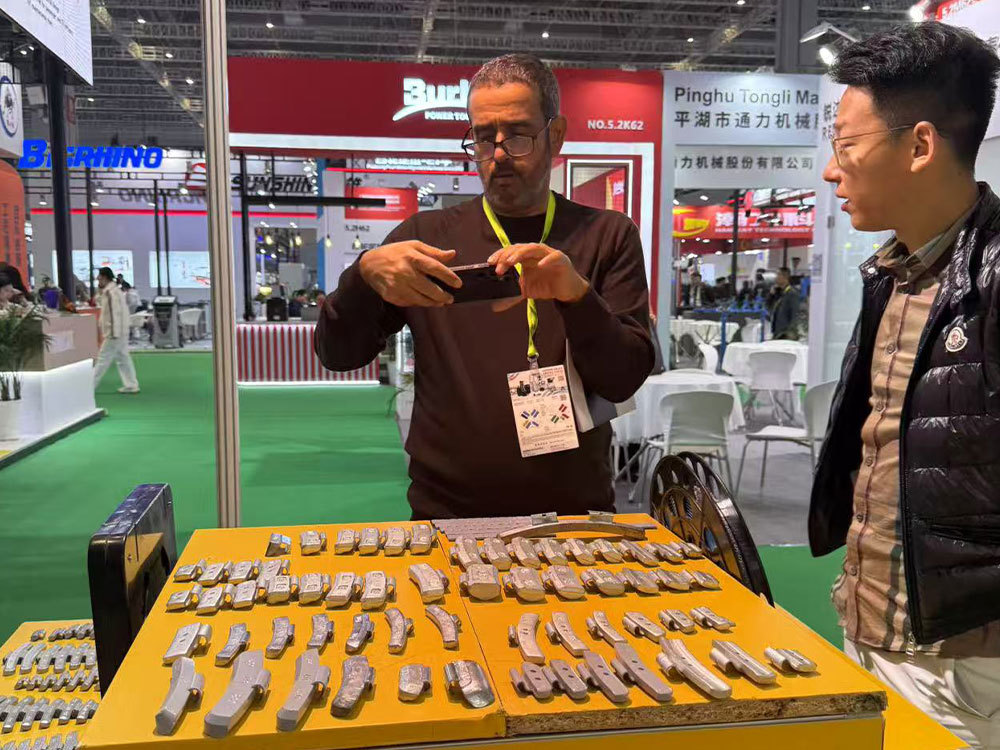
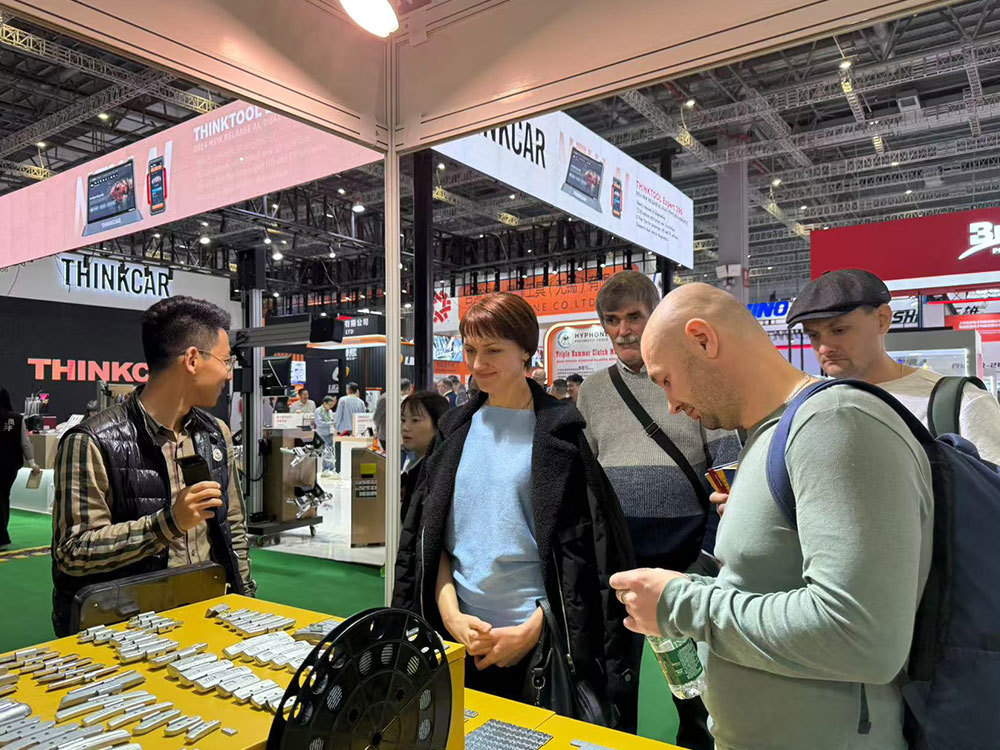
Global automotive wheel balance block industry
Contact Us
Sales Business:
Tel: +86-311-85939575 / +86-13673130619
Phone: +86-13933004411 (Manager Huang)
Email: wheelweights@hxphk.com
Contact Factory:
Tel: +86-317-4452233
Tel: +86-317-4452855
Email: hxphkc@126.com
What We Offer
Hebei Pan Asian Wheel weights Co.,Ltd. is an automobile wheel balance weights production enterprise that integrates scientific research, production, and sales.