Manufacturing Process and Quality Standards for Zinc Hot-Forge Balance Blocks
2025-08-10


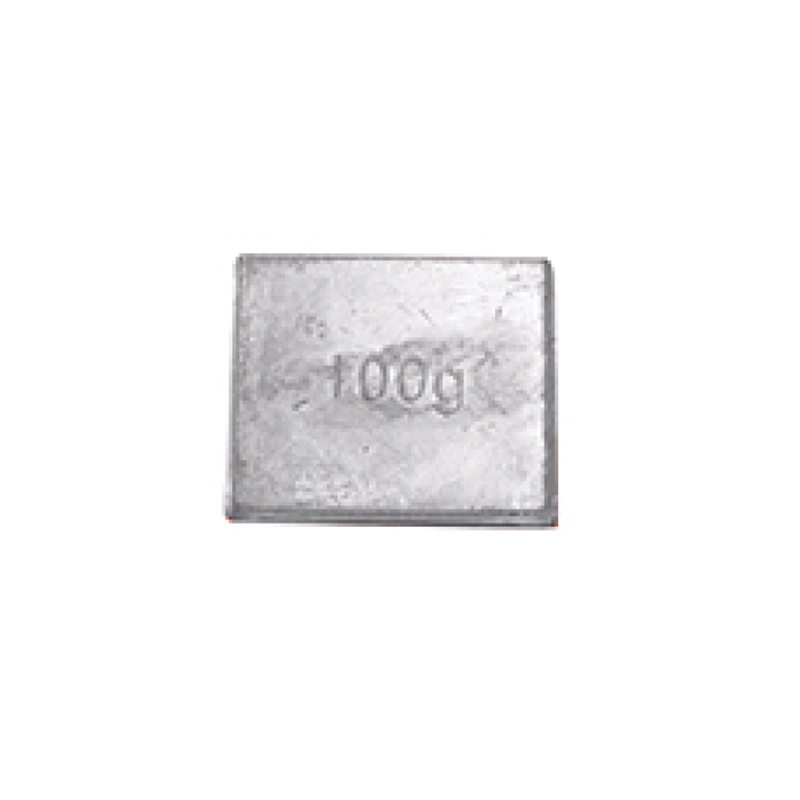
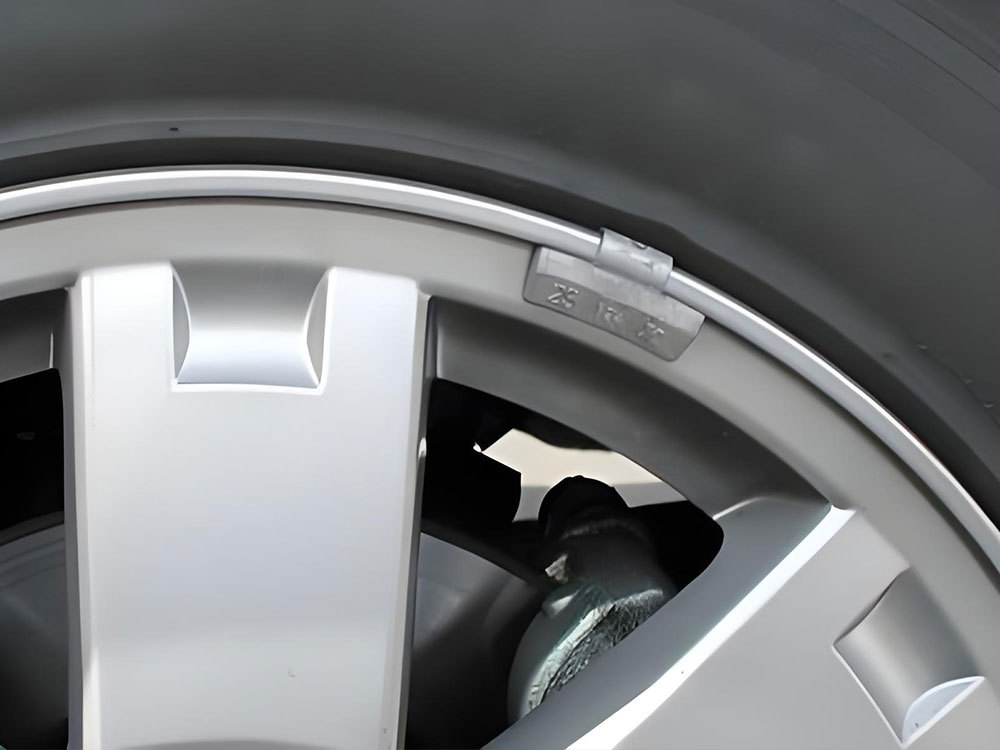
Zinc hot-forge balance blocks, widely used as counterweights in automobiles, machinery, ships, and engineering equipment, are favored by the market for their high density, excellent mechanical strength, and durability. To ensure stable performance, strict manufacturing processes and adherence to appropriate quality standards are essential.
First, the selection of raw materials is crucial. Zinc alloy is the core material of zinc hot-forge balance blocks. Its purity and composition directly determine the strength and corrosion resistance of the final product. High-quality manufacturers typically use high-purity zinc and, depending on the application, add appropriate amounts of aluminum, copper, and other elements to enhance overall performance.
Secondly, the hot forging process is crucial. Compared to traditional casting, hot forging utilizes high-temperature heating and high-pressure forming to create a denser internal grain structure, thereby improving strength and wear resistance. During the hot forging process, precise control of heating temperature and pressure is crucial to avoid deformation defects caused by overheating or uneven force distribution. Properly controlled zinc hot-forge balance blocks not only achieve a tighter structure but also maintain stable performance over long-term use.
Machining and surface treatment are equally critical. After hot forging, balance blocks often require precision cutting and polishing using CNC machines to ensure dimensional accuracy and assembly stability. Surface treatments such as spray painting and anti-rust coating not only enhance appearance but also increase corrosion resistance and extend service life.
In terms of quality testing, zinc hot-forge balance blocks must comply with international and industry standards. Common inspections include dimensional tolerance testing, hardness testing, metallographic analysis, and tensile strength testing. Some manufacturers also conduct salt spray and fatigue tests to ensure product stability and reliability in harsh environments.
Quality standards are the foundation for ensuring product reliability. Currently, high-quality zinc hot-forge balance block suppliers in the market typically implement ISO 9001 quality management systems, and some products also meet the automotive industry's IATF 16949 certification. These standards not only require strict control of the manufacturing process but also place higher demands on factory inspection.
The manufacturing process of zinc hot-forge balance blocks encompasses material selection, hot forging, precision machining, and surface treatment. Quality standards ensure product reliability and consistency. When selecting suppliers, purchasing companies should focus on their process level and quality system to ensure that the purchased products have stable performance and long-term use value.
Related Posts
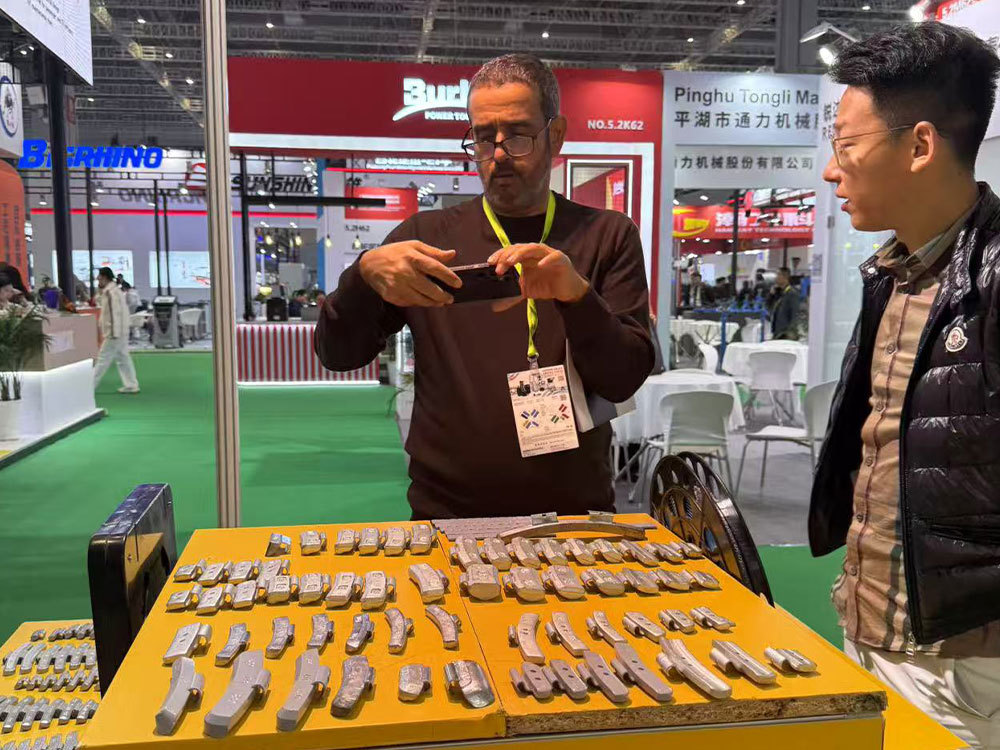
Global automotive wheel balance block industry
Contact Us
Sales Business:
Tel: +86-311-85939575 / +86-13673130619
Phone: +86-13933004411 (Manager Huang)
Email: wheelweights@hxphk.com
Contact Factory:
Tel: +86-317-4452233
Tel: +86-317-4452855
Email: hxphkc@126.com
What We Offer
Hebei Pan Asian Wheel weights Co.,Ltd. is an automobile wheel balance weights production enterprise that integrates scientific research, production, and sales.