
Essential Guide to Tire Balance Weights for Alloy Rims: Ensuring Optimal Performance
2026-05-24


When it comes to maintaining the performance and safety of vehicles, the role of tire balance weights for alloy rims cannot be overstated. Proper tire balancing ensures that tires rotate evenly, preventing uneven wear and enhancing vehicle control. In this professional guide, we will explore the significance of tire balance weights, their types, and how to effectively use them in conjunction with
When it comes to maintaining the performance and safety of vehicles, the role of tire balance weights for alloy rims cannot be overstated. Proper tire balancing ensures that tires rotate evenly, preventing uneven wear and enhancing vehicle control. In this professional guide, we will explore the significance of tire balance weights, their types, and how to effectively use them in conjunction with alloy rims.
Tire balance weights are used to counteract the imbalance that occurs in the tire and wheel assembly. This imbalance can lead to vibrations, increased tire wear, and compromised handling characteristics. Alloy rims, known for their lightweight and aesthetic appeal, require specific attention during the balancing process to ensure that they are not damaged and maintain their structural integrity.
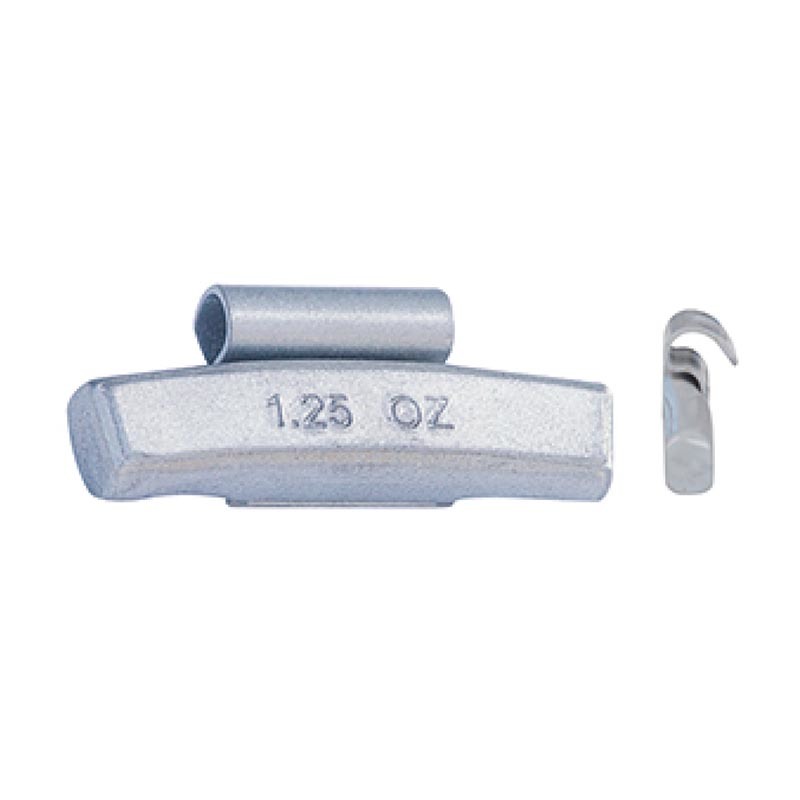
There are two primary types of tire balance weights: clip-on weights and adhesive weights. Clip-on weights are designed to attach to the outer edge of the rim, making them easy to install and remove. They are particularly useful for steel rims, but can also be utilized on alloy rims, provided the rim design allows for it. Adhesive weights, on the other hand, are adhered to the inner surface of the rim, which makes them ideal for alloy rims as they do not compromise the aesthetic appeal of the wheel. Choosing between these types of weights often depends on the specific requirements of the vehicle and the manufacturer's recommendations.
When selecting tire balance weights for alloy rims, it is critical to ensure that the weights are not only compatible with the rim's design but also appropriately sized. Using the correct weight ensures optimal performance, as incorrect balancing can lead to increased vibrations that may affect other components of the vehicle.
Moreover, proper installation is paramount. Technicians should follow the guidelines provided by the weight manufacturer and the vehicle manufacturer to ensure a successful balance. Regular checks and adjustments may be necessary, especially after tire rotations or seasonal changes, to maintain the integrity of the tire balance.
In conclusion, understanding tire balance weights for alloy rims is essential for any automotive professional aiming to deliver quality service. By selecting the appropriate type and ensuring proper installation, technicians can help enhance vehicle performance, prolong tire life, and improve overall safety. Regular maintenance and checks will further ensure that vehicles operate smoothly, providing a safer driving experience for all.
Tire balance weights are used to counteract the imbalance that occurs in the tire and wheel assembly. This imbalance can lead to vibrations, increased tire wear, and compromised handling characteristics. Alloy rims, known for their lightweight and aesthetic appeal, require specific attention during the balancing process to ensure that they are not damaged and maintain their structural integrity.
There are two primary types of tire balance weights: clip-on weights and adhesive weights. Clip-on weights are designed to attach to the outer edge of the rim, making them easy to install and remove. They are particularly useful for steel rims, but can also be utilized on alloy rims, provided the rim design allows for it. Adhesive weights, on the other hand, are adhered to the inner surface of the rim, which makes them ideal for alloy rims as they do not compromise the aesthetic appeal of the wheel. Choosing between these types of weights often depends on the specific requirements of the vehicle and the manufacturer's recommendations.
When selecting tire balance weights for alloy rims, it is critical to ensure that the weights are not only compatible with the rim's design but also appropriately sized. Using the correct weight ensures optimal performance, as incorrect balancing can lead to increased vibrations that may affect other components of the vehicle.
Moreover, proper installation is paramount. Technicians should follow the guidelines provided by the weight manufacturer and the vehicle manufacturer to ensure a successful balance. Regular checks and adjustments may be necessary, especially after tire rotations or seasonal changes, to maintain the integrity of the tire balance.
In conclusion, understanding tire balance weights for alloy rims is essential for any automotive professional aiming to deliver quality service. By selecting the appropriate type and ensuring proper installation, technicians can help enhance vehicle performance, prolong tire life, and improve overall safety. Regular maintenance and checks will further ensure that vehicles operate smoothly, providing a safer driving experience for all.
TAG:
Related Posts

Global automotive wheel balance block industry
The global market size of automotive wheel balance weights in 2024 is approximately 4.92 billion yuan. It is expected to maintain a steady growth trend in the future



Contact Us
Sales Business:
Tel: +86-311-85939575 / +86-13673130619
Phone: +86-13933004411 (Manager Huang)
Email: wheelweights@hxphk.com
Contact Factory:
Tel: +86-317-4452233
Tel: +86-317-4452855
Email: hxphkc@126.com
What We Offer
Hebei Pan Asian Wheel weights Co.,Ltd. is an automobile wheel balance weights production enterprise that integrates scientific research, production, and sales.