
How to Maintain Your Heavy Duty Wheel Weights for Long-Lasting Performance
2026-05-29


How to Maintain Your Heavy Duty Wheel Weights for Long-Lasting Performance
Maintaining heavy-duty wheel weights is crucial for optimal vehicle performance and safety. These components play an essential role in balancing wheels, which directly impacts handling and tire wear. This guide will provide detailed strategies to ensure your wheel weights remain effective and durable over the long term.
Und
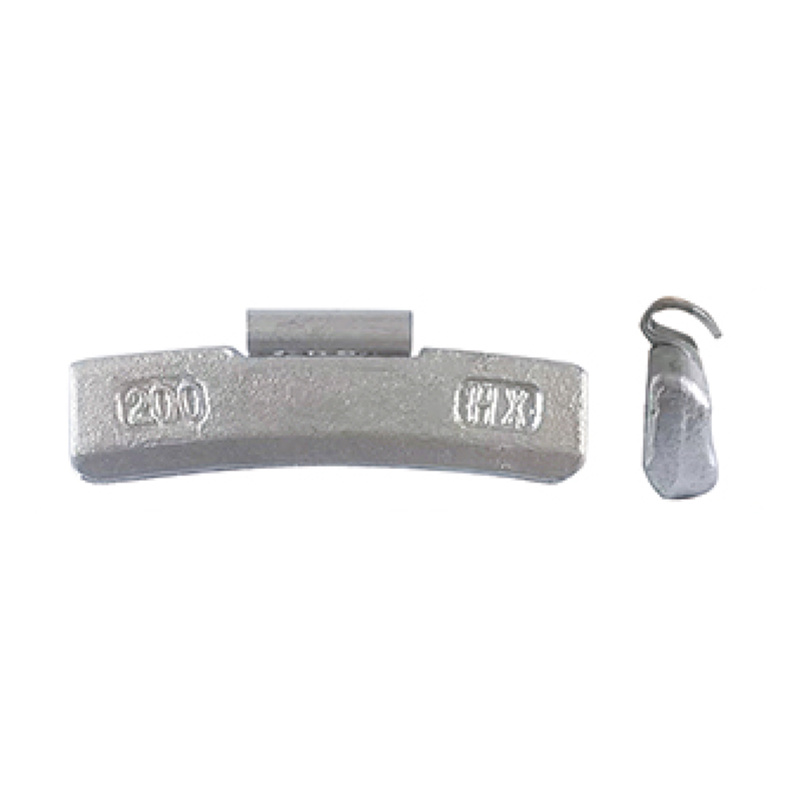
How to Maintain Your Heavy Duty Wheel Weights for Long-Lasting Performance
Maintaining heavy-duty wheel weights is crucial for optimal vehicle performance and safety. These components play an essential role in balancing wheels, which directly impacts handling and tire wear. This guide will provide detailed strategies to ensure your wheel weights remain effective and durable over the long term.
Understanding the Importance of Wheel Weights
Wheel weights are vital for maintaining balance in every vehicle's wheels. When properly installed, they help eliminate vibrations, leading to a smoother ride, enhanced tire longevity, and improved fuel efficiency. Understanding their function underscores the necessity of proper maintenance practices.
Types of Heavy Duty Wheel Weights
1. **Clip-on Wheel Weights**: Typically used on steel wheels, these weights clip onto the rim's edge.
2. **Adhesive Wheel Weights**: These are stick-on weights that adhere directly to the wheel and are often used on aluminum wheels.
3. **Slidable Wheel Weights**: Designed for trucks and larger vehicles, these weights can be adjusted along the rim for precise balancing.
Key Factors Affecting the Longevity of Wheel Weights
Several elements can influence the lifespan and performance of heavy-duty wheel weights:
1. **Material Quality**: Durable materials resist corrosion and wear.
2. **Environmental Conditions**: Exposure to moisture, road salt, and harsh weather can deteriorate wheel weights.
3. **Installation Quality**: Proper installation is critical to prevent weights from falling off, which can cause imbalance.
Regular Inspection: A Proactive Approach
Routine inspections are the cornerstone of maintaining your heavy-duty wheel weights. Here’s a comprehensive checklist for effective inspections:
1. **Visual Inspection**: Look for any visible damage, rust, or loose weights.
2. **Check for Vibration**: A noticeable vibration while driving may indicate imbalance due to weight issues.
3. **Tire Wear Patterns**: Uneven tire wear can signal that your wheel weights are not functioning correctly.
How to Conduct a Thorough Inspection
- **Step 1**: Lift the vehicle using a jack and secure it on jack stands.
- **Step 2**: Remove the wheel and examine the weights closely.
- **Step 3**: Check the condition of the wheel rim for corrosion or damage.
By performing these inspections regularly, you can identify and address issues before they escalate.
Cleaning Your Wheel Weights: Best Practices
Keeping your wheel weights clean is essential for their performance. Dirt and debris can affect adhesion and lead to corrosion. Here’s how to maintain cleanliness:
1. **Use a Soft Brush**: Gently scrub the weights with a soft brush to remove dirt and grime.
2. **Avoid Harsh Chemicals**: Use mild soap and water instead of corrosive cleaners.
3. **Dry Properly**: After cleaning, ensure the weights are dried thoroughly to prevent rust.
Applying Protective Coatings
To extend the life of your wheel weights, consider applying protective coatings:
- **Rust Inhibitor**: A rust-resistant spray can create a barrier against moisture and salt.
- **Adhesive Sealants**: For adhesive weights, sealants can enhance adhesion and prolong performance.
Reinstallation Techniques for Optimal Performance
When reinstalling wheel weights, proper techniques can significantly improve performance:
1. **Align Correctly**: Ensure each weight is placed in the right position according to the wheel’s balance requirements.
2. **Secure Firmly**: For clip-on weights, ensure they are pressed on firmly; for adhesive weights, follow the manufacturer's guidelines for application.
3. **Use a Torque Wrench**: Proper torque settings help prevent weights from loosening during use.
When to Replace Wheel Weights
Understanding when to replace your wheel weights is essential for maintaining optimal performance. Here are signs that it's time for replacements:
- **Physical Damage**: Any cracks or breaks in the weights should prompt a replacement.
- **Corrosion**: Weights that show significant rust should be changed to prevent further damage.
- **Frequent Balancing Issues**: If you find yourself frequently having to rebalance your wheels, it may be time to assess the condition of your weights.
Storage Tips for Heavy Duty Wheel Weights
If you have spare wheel weights, proper storage can prevent damage:
1. **Keep in a Dry Place**: Store weights in a moisture-free environment to avoid rust.
2. **Organize by Type**: Grouping weights by type can simplify installation when needed.
3. **Avoid Heavy Loads**: Ensure stored weights are not subjected to heavy pressure that could deform them.
Cost-Effective Maintenance Strategies
Incorporating cost-effective maintenance strategies can save money while ensuring longevity:
1. **DIY Inspections**: Regularly perform your inspections to avoid costly professional services.
2. **Educate Drivers**: Train drivers to recognize signs of wheel imbalance, promoting early intervention.
3. **Utilize Quality Products**: Invest in high-quality wheel weights to reduce replacement frequency.
Frequently Asked Questions (FAQs)
What are the signs that my wheel weights need maintenance?
Signs include vibrations while driving, uneven tire wear, and visible rust or damage on the weights.
How often should I inspect my wheel weights?
It’s recommended to inspect wheel weights every 5,000-10,000 miles or during routine tire rotations.
Can I clean my wheel weights with any chemical cleaner?
No, it’s best to avoid harsh chemicals. Mild soap and water are recommended for cleaning.
What is the average lifespan of heavy-duty wheel weights?
With proper maintenance, heavy-duty wheel weights can last anywhere from 5 to 10 years.
Is it safe to drive with a missing wheel weight?
No, driving without a wheel weight can lead to severe imbalances, resulting in poor handling and increased tire wear.
Conclusion
Proper maintenance of heavy-duty wheel weights is essential for ensuring long-lasting performance and safety. By understanding their importance, regularly inspecting them, cleaning effectively, and implementing proper installation techniques, you can significantly extend their lifespan. Take proactive steps to care for your wheel weights, and you will enjoy improved vehicle balance, enhanced tire longevity, and a safer driving experience.
TAG:
Related Posts
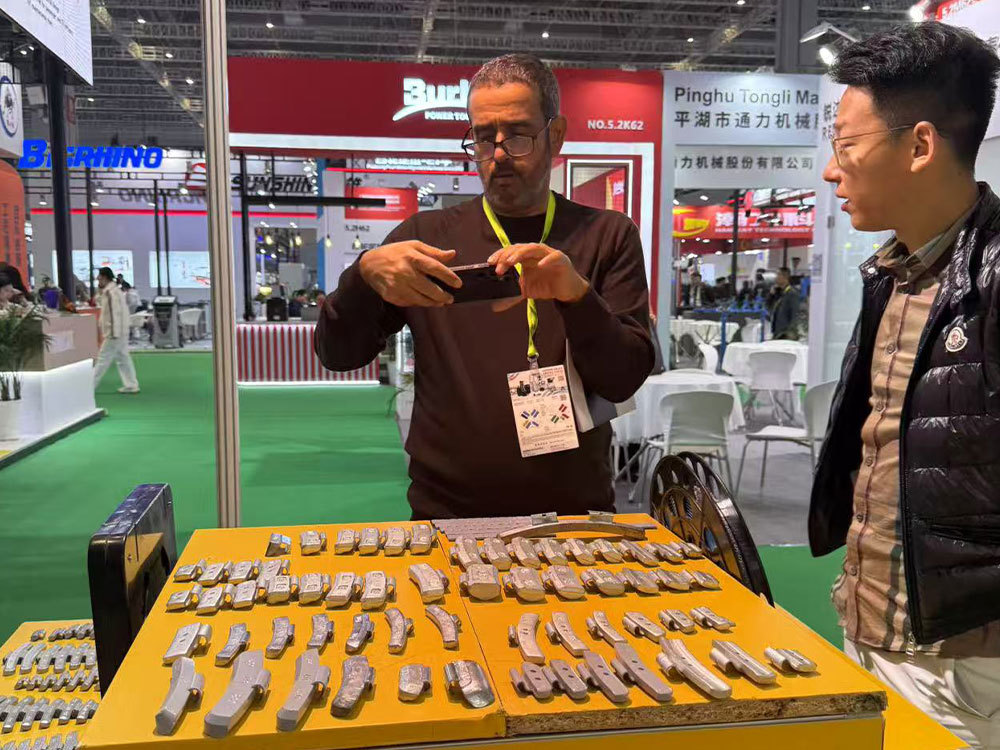
Global automotive wheel balance block industry
The global market size of automotive wheel balance weights in 2024 is approximately 4.92 billion yuan. It is expected to maintain a steady growth trend in the future

Contact Us
Sales Business:
Tel: +86-311-85939575 / +86-13673130619
Phone: +86-13933004411 (Manager Huang)
Email: wheelweights@hxphk.com
Contact Factory:
Tel: +86-317-4452233
Tel: +86-317-4452855
Email: hxphkc@126.com
What We Offer
Hebei Pan Asian Wheel weights Co.,Ltd. is an automobile wheel balance weights production enterprise that integrates scientific research, production, and sales.