
Enhancing Truck Stability: The Role of Steel Adhesive Wheel Weights
2026-05-19


Enhancing Truck Stability: The Role of Steel Adhesive Wheel Weights
Table of Contents
1. Understanding Truck Stability and Its Importance
2. The Role of Wheel Weights in Maintaining Balance
2.1 What Are Wheel Weights?
2.2 Types of Wheel Weights: Steel vs. Other Materials
3. The Science Behind Steel Adhesive Wheel Weights
3.1 How Steel Adhesive Wheel Weights Work
3.2 Benefits of Using Steel Adhesiv
Enhancing Truck Stability: The Role of Steel Adhesive Wheel Weights
Table of Contents
1. Understanding Truck Stability and Its Importance
2. The Role of Wheel Weights in Maintaining Balance
2.1 What Are Wheel Weights?
2.2 Types of Wheel Weights: Steel vs. Other Materials
3. The Science Behind Steel Adhesive Wheel Weights
3.1 How Steel Adhesive Wheel Weights Work
3.2 Benefits of Using Steel Adhesive Wheel Weights
4. Installing Steel Adhesive Wheel Weights: A Step-by-Step Guide
4.1 Tools Required for Installation
4.2 Step-by-Step Installation Process
5. Regular Maintenance and Inspection Tips
5.1 How to Check Wheel Weight Integrity
5.2 Signs of Wear and Tear to Look For
6. Frequently Asked Questions (FAQs)
6.1 What Is the Difference Between Adhesive and Clip-On Weights?
6.2 Are Steel Adhesive Weights Safe for All Vehicles?
6.3 How Much Do Steel Adhesive Wheel Weights Weigh?
6.4 Can I Use Steel Adhesive Weights on Aluminum Wheels?
6.5 What Should I Do If a Wheel Weight Falls Off?
7. Conclusion: The Impact of Steel Adhesive Wheel Weights on Truck Performance
1. Understanding Truck Stability and Its Importance
Truck stability is a critical aspect of vehicle safety and performance. It refers to the ability of a truck to maintain its balance and control while in motion, particularly during turns, sudden stops, or when navigating uneven terrain. A stable truck not only ensures a smooth driving experience but also significantly reduces the risk of accidents. Factors influencing truck stability include weight distribution, tire pressure, suspension systems, and the presence of wheel weights.
Maintaining optimal stability is essential for several reasons. First, a stable truck enhances driver confidence and comfort, enabling smoother navigation on various road conditions. Second, it prevents excessive wear on tires and suspension components, leading to lower maintenance costs over time. Finally, good stability translates to better fuel efficiency, as a well-balanced truck requires less energy to operate efficiently.
2. The Role of Wheel Weights in Maintaining Balance
2.1 What Are Wheel Weights?
Wheel weights are used to balance the wheels of vehicles, ensuring that they rotate uniformly without wobbling. An unbalanced wheel can cause vibrations, uneven tire wear, and instability, affecting the overall performance of the truck. Wheel weights help counterbalance any heavy spots on the wheel, promoting even weight distribution across all four tires.
2.2 Types of Wheel Weights: Steel vs. Other Materials
There are various types of wheel weights available on the market, including lead, zinc, and steel. Lead weights were commonly used in the past due to their density, but environmental concerns have led to a decline in their use. Zinc weights are a good alternative, but steel adhesive wheel weights are becoming increasingly popular due to their numerous advantages.
Steel adhesive wheel weights offer superior strength, durability, and reliability. They provide a strong bond to the wheel, ensuring longevity and performance. In addition, steel is less affected by temperature fluctuations compared to other materials, making it ideal for various driving conditions.
3. The Science Behind Steel Adhesive Wheel Weights
3.1 How Steel Adhesive Wheel Weights Work
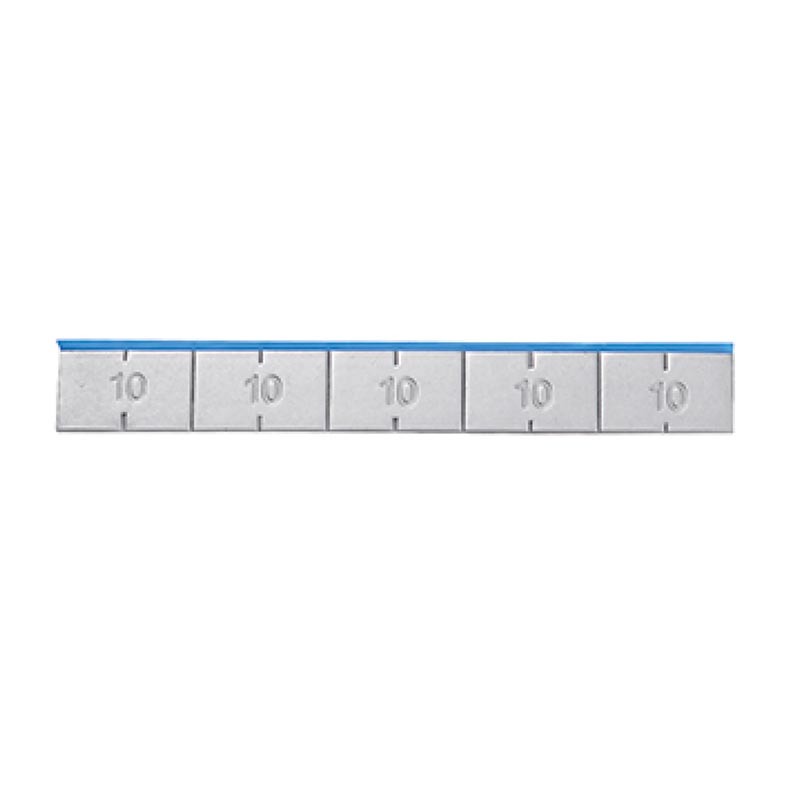
Steel adhesive wheel weights work by utilizing a strong adhesive backing that adheres firmly to the wheel's surface. This bond prevents the weights from shifting or falling off during operation, maintaining proper balance. The placement of these weights is crucial; they must be positioned accurately to ensure effective weight distribution.
When installed correctly, steel adhesive weights can significantly reduce vibrations and improve handling. This leads to a smoother ride and enhances the vehicle's overall stability.
3.2 Benefits of Using Steel Adhesive Wheel Weights
The benefits of utilizing steel adhesive wheel weights are vast. They include:
- **Enhanced Stability**: By providing precise weight distribution, steel adhesive weights improve the truck's stability, particularly during turns and abrupt maneuvers.
- **Reduced Vibration**: Properly balanced wheels lead to less vibration, which translates to a more comfortable ride for drivers and passengers.
- **Lower Maintenance Costs**: By minimizing wear and tear on tires and suspension systems, these weights can contribute to reduced maintenance expenses over time.
- **Environmental Safety**: Steel is a more eco-friendly option compared to lead, making it a responsible choice for truck operators.
- **Versatility**: Steel adhesive wheel weights can be used on various wheel types, including aluminum and steel, making them a flexible option for fleet operators.
4. Installing Steel Adhesive Wheel Weights: A Step-by-Step Guide
Installing steel adhesive wheel weights can be a straightforward process if done correctly. Follow these steps to ensure a successful installation.
4.1 Tools Required for Installation
Before starting the installation process, gather the following tools:
- Steel adhesive wheel weights
- Wheel cleaner or solvent
- Cloth or towel
- Measuring tape
- Weighing scale (if necessary)
4.2 Step-by-Step Installation Process
1. **Prepare the Wheel**: Begin by cleaning the wheel surface where the weights will be applied. Use a wheel cleaner or solvent to remove any dirt, dust, or grease that may interfere with the adhesive bond.
2. **Measure and Weigh**: If necessary, weigh the wheel to determine where the imbalance is. This can help you decide how many weights to use and where to place them.
3. **Apply the Weights**: Carefully peel the adhesive backing off the steel weights and affix them to the wheel. Ensure that they are placed evenly around the wheel, typically on the inner rim.
4. **Press Firmly**: Once the weights are positioned, press down firmly to ensure a strong bond with the adhesive.
5. **Testing**: After installation, take the truck for a test drive to ensure that vibrations have decreased and that the truck handles smoothly.
5. Regular Maintenance and Inspection Tips
Regular maintenance and inspection of wheel weights are crucial for ensuring ongoing stability and performance.
5.1 How to Check Wheel Weight Integrity
To ensure that the wheel weights remain securely attached, periodically inspect them for any signs of loosening or detachment. Check for any visible wear or damage to the adhesive backing.
5.2 Signs of Wear and Tear to Look For
Be vigilant for the following signs that may indicate issues with the wheel weights:
- Increased vibrations while driving
- Uneven tire wear patterns
- Changes in handling or steering response
- Visible damage to the weights or adhesive
If any of these signs are present, it may be time to reassess and replace the wheel weights.
6. Frequently Asked Questions (FAQs)
6.1 What Is the Difference Between Adhesive and Clip-On Weights?
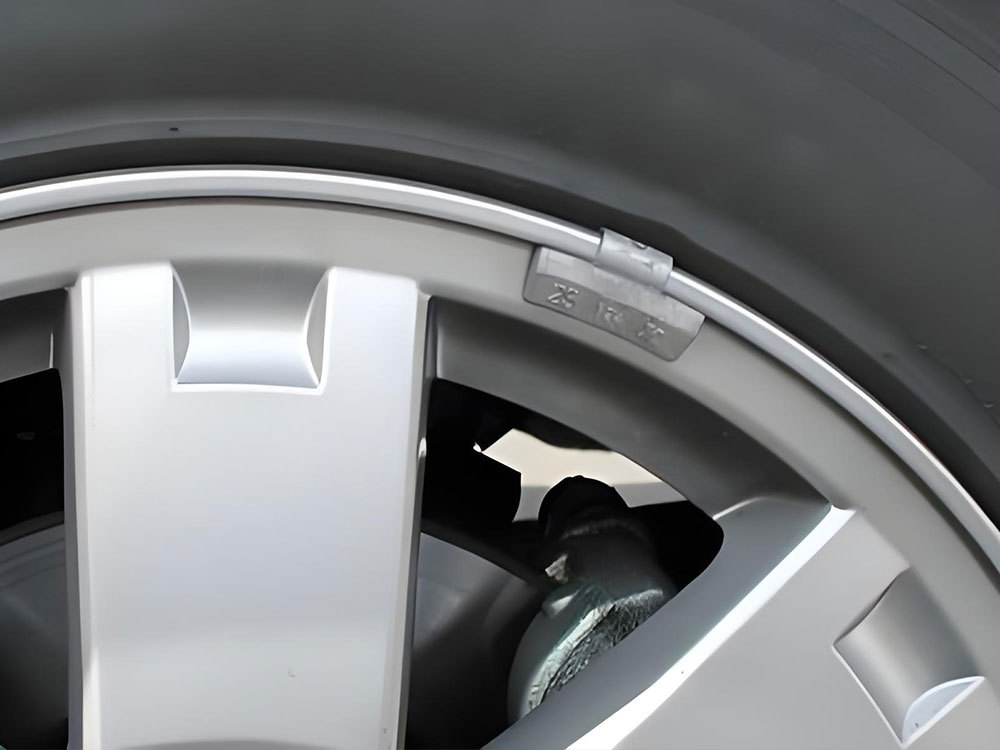
Adhesive weights stick directly to the wheel's surface, providing a more streamlined appearance and reducing the risk of damage to the wheel. Clip-on weights, on the other hand, attach to the rim and can sometimes cause scratches or chips.
6.2 Are Steel Adhesive Weights Safe for All Vehicles?
Yes, steel adhesive weights are safe for most vehicles, including trucks, cars, and SUVs. However, always check manufacturer specifications to ensure compatibility.
6.3 How Much Do Steel Adhesive Wheel Weights Weigh?
Steel adhesive wheel weights typically range from 0.25 ounces to 1 ounce each, allowing for precise balancing based on the wheel's needs.
6.4 Can I Use Steel Adhesive Weights on Aluminum Wheels?
Absolutely! Steel adhesive weights are suitable for use on aluminum wheels, providing effective balance without the risk of corrosion.
6.5 What Should I Do If a Wheel Weight Falls Off?
If a wheel weight falls off, inspect the wheel for any damage. Clean the area, and reapply a new weight following the installation process outlined earlier.
7. Conclusion: The Impact of Steel Adhesive Wheel Weights on Truck Performance
In conclusion, steel adhesive wheel weights play a vital role in enhancing truck stability and overall performance. By ensuring proper weight distribution, they contribute to a smoother ride, improved handling, and reduced maintenance costs. Regular installation and inspection of these weights are essential for maximizing their benefits. As truck operators, investing in high-quality steel adhesive wheel weights is a proactive approach to ensuring vehicle safety and efficiency on the road. With their numerous advantages, they are a wise choice for anyone looking to enhance their truck's performance.
TAG:
Related Posts

Global automotive wheel balance block industry
The global market size of automotive wheel balance weights in 2024 is approximately 4.92 billion yuan. It is expected to maintain a steady growth trend in the future


Contact Us
Sales Business:
Tel: +86-311-85939575 / +86-13673130619
Phone: +86-13933004411 (Manager Huang)
Email: wheelweights@hxphk.com
Contact Factory:
Tel: +86-317-4452233
Tel: +86-317-4452855
Email: hxphkc@126.com
What We Offer
Hebei Pan Asian Wheel weights Co.,Ltd. is an automobile wheel balance weights production enterprise that integrates scientific research, production, and sales.