
Why Every Construction Truck Needs Heavy Duty Wheel Weights for Optimal Performance
2026-03-30


Why Every Construction Truck Needs Heavy Duty Wheel Weights
Construction trucks are the backbone of any robust construction operation. These vehicles are designed to handle immense loads and navigate challenging terrains. To ensure optimal performance, safety, and efficiency, heavy-duty wheel weights are crucial. In this article, we will explore the multifaceted benefits of heavy-duty wheel weight
Why Every Construction Truck Needs Heavy Duty Wheel Weights
Construction trucks are the backbone of any robust construction operation. These vehicles are designed to handle immense loads and navigate challenging terrains. To ensure optimal performance, safety, and efficiency, heavy-duty wheel weights are crucial. In this article, we will explore the multifaceted benefits of heavy-duty wheel weights for construction trucks and why they are indispensable.
Understanding Heavy Duty Wheel Weights
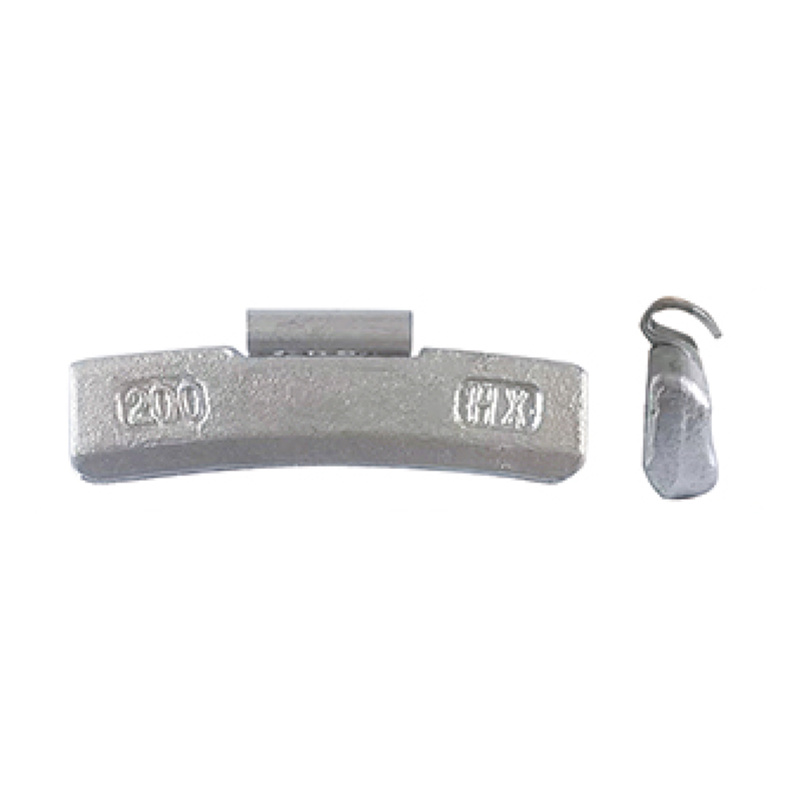
Heavy-duty wheel weights are added to the wheels of construction trucks to improve their balance and stability. These weights are primarily made from materials such as steel or lead, designed to withstand extreme conditions while providing the necessary mass to counterbalance the weight of loads and mechanical components.
The Importance of Balance in Construction Trucks
Balance plays a critical role in the operation of construction trucks. An unbalanced truck can lead to various issues, including uneven tire wear, compromised handling, and a higher risk of accidents. Heavy-duty wheel weights help distribute the weight evenly across all wheels, ensuring that the truck remains stable under heavy loads.
How Heavy Duty Wheel Weights Improve Stability
Stability is paramount in construction settings, where trucks often operate in uneven terrain and under challenging weather conditions. By adding heavy-duty wheel weights, the center of gravity is lowered, which enhances the stability of the truck. This lowered center of gravity minimizes the risk of rollovers, particularly when navigating slopes or sharp turns.
Enhancing Safety with Heavy Duty Wheel Weights
Safety is a primary concern in any construction project. Heavy-duty wheel weights contribute to the safety of construction trucks in several ways.
Reducing the Risk of Rollovers
One of the most significant risks construction trucks face is the potential for rollovers. By improving the truck's overall stability, heavy-duty wheel weights substantially reduce this risk. Trucks equipped with the right wheel weights are less likely to tip over, providing a safer working environment for operators and site personnel.
Improved Braking Performance
Heavy-duty wheel weights also enhance braking performance. With added weight on the wheels, trucks experience better traction on various surfaces. This increased traction leads to shorter stopping distances, which can be crucial in preventing accidents on job sites.
Impact on Fuel Efficiency
In today’s economy, fuel efficiency is essential for reducing operational costs. Surprisingly, heavy-duty wheel weights can also contribute to better fuel efficiency.
How Wheel Weights Affect Fuel Consumption
While it may seem counterintuitive that adding weight could improve fuel efficiency, properly balanced trucks experience less friction and drag. This means that the engine does not have to work as hard to propel the truck, leading to lower fuel consumption over time.
Long-Term Cost Savings
The initial investment in heavy-duty wheel weights can lead to significant long-term savings. By improving fuel efficiency and reducing wear and tear on tires, construction companies can save money on repairs and fuel costs in the long run.
Prolonging the Lifespan of Tires
Tire maintenance is a crucial aspect of vehicle upkeep, especially for construction trucks. Heavy-duty wheel weights can play a vital role in prolonging tire lifespan.
Even Tire Wear
When a truck is well-balanced, the weight is distributed evenly across all tires, leading to even wear. This means that tires do not wear out prematurely, saving money on replacements and contributing to safer operations.
Reducing the Need for Frequent Alignments
Trucks that are properly balanced with heavy-duty wheel weights require less frequent wheel alignments. Misalignment can lead to uneven tire wear and additional strain on other mechanical components, resulting in costly repairs. Maintaining balance helps minimize these issues.
Choosing the Right Heavy Duty Wheel Weights
Selecting the appropriate heavy-duty wheel weights is crucial for achieving the desired performance and safety benefits.
Types of Heavy Duty Wheel Weights
Heavy-duty wheel weights come in various types, including clip-on, stick-on, and adhesive weights. Each type has its advantages and is suited for different applications.
Considerations for Selection
When choosing wheel weights, consider factors such as the specific truck model, load requirements, and operating conditions. Consulting with a professional can help ensure that the right weights are selected for optimal performance.
Installing Heavy Duty Wheel Weights
Proper installation of heavy-duty wheel weights is essential to ensure they perform effectively.
The Installation Process
Installing heavy-duty wheel weights typically involves removing the wheel from the truck, cleaning the area where the weight will be applied, and securely fastening the weight to the wheel. It is imperative to follow manufacturer guidelines for installation to avoid any safety issues.
Professional vs. DIY Installation
While some operators may choose to install wheel weights themselves, hiring a professional can ensure that the installation is carried out accurately and safely. This can help avoid potential complications down the line.
Regulatory Compliance and Best Practices
In the construction industry, adhering to regulations and best practices is vital for safety and efficiency.
Understanding Local Regulations
Different regions may have specific regulations regarding the use of wheel weights. It’s essential to stay informed about these regulations to ensure compliance and avoid penalties.
Implementing Best Practices
In addition to following regulations, implementing best practices for the use of heavy-duty wheel weights can enhance safety and performance. Regular inspections, proper maintenance, and training for operators are key components of a successful program.
Frequently Asked Questions (FAQs)
1. What are heavy-duty wheel weights, and why are they used?
Heavy-duty wheel weights are added to vehicles to improve balance and stability, especially in construction trucks that operate under heavy loads. They help prevent issues like uneven tire wear and rollovers.
2. How do heavy-duty wheel weights improve safety?
They enhance stability, reduce the risk of rollovers, and improve braking performance, making construction trucks safer to operate.
3. Will adding wheel weights affect fuel consumption?
Yes, properly balanced trucks experience less friction, leading to improved fuel efficiency and potentially lower operational costs.
4. How do I choose the right heavy-duty wheel weights for my truck?
Consider factors such as the truck model, load requirements, and operating conditions. Consulting with a professional can help ensure you make the best choice.
5. Is professional installation necessary for wheel weights?
While some may opt for DIY installation, professional installation can ensure safety and effectiveness, helping to prevent future issues.
Conclusion
Heavy-duty wheel weights are an essential component for every construction truck. They enhance stability, improve safety, contribute to fuel efficiency, and prolong tire lifespan. By investing in quality wheel weights and ensuring proper installation, construction companies can achieve better overall performance, reduce costs, and create a safer work environment. Prioritizing these components not only optimizes the functionality of construction trucks but also contributes to the success of construction projects.
TAG:
Related Posts

Global automotive wheel balance block industry
The global market size of automotive wheel balance weights in 2024 is approximately 4.92 billion yuan. It is expected to maintain a steady growth trend in the future



Contact Us
Sales Business:
Tel: +86-311-85939575 / +86-13673130619
Phone: +86-13933004411 (Manager Huang)
Email: wheelweights@hxphk.com
Contact Factory:
Tel: +86-317-4452233
Tel: +86-317-4452855
Email: hxphkc@126.com
What We Offer
Hebei Pan Asian Wheel weights Co.,Ltd. is an automobile wheel balance weights production enterprise that integrates scientific research, production, and sales.