
Lead Adhesive Wheel Weights: Precision Balancing Solution for Automotive Performance
2026-04-01


Introduction to Lead Adhesive Wheel Weights
Lead adhesive wheel weights are essential components used in automotive maintenance to ensure proper wheel balance and smooth driving performance. These weights are designed to be attached directly to the rim using strong adhesive backing, allowing precise correction of imbalances in the wheel and tire assembly. The primary function of lead adhesive wheel weights is to maintain dynamic balance during high-speed rotation, preventing vibration, steering instability, and uneven tire wear.

High-Density Material Advantages
One of the most significant features of lead adhesive wheel weights is their high density. Compared to materials like steel or zinc, lead provides greater weight in a smaller volume, making it possible to achieve accurate balancing without adding bulk to the wheel. This compact design ensures compatibility with various wheel types, especially alloy rims where space is limited. Additionally, lead is softer and more malleable, allowing the weights to conform closely to the wheel surface for better adhesion and stability.
Flexible Design and Easy Installation
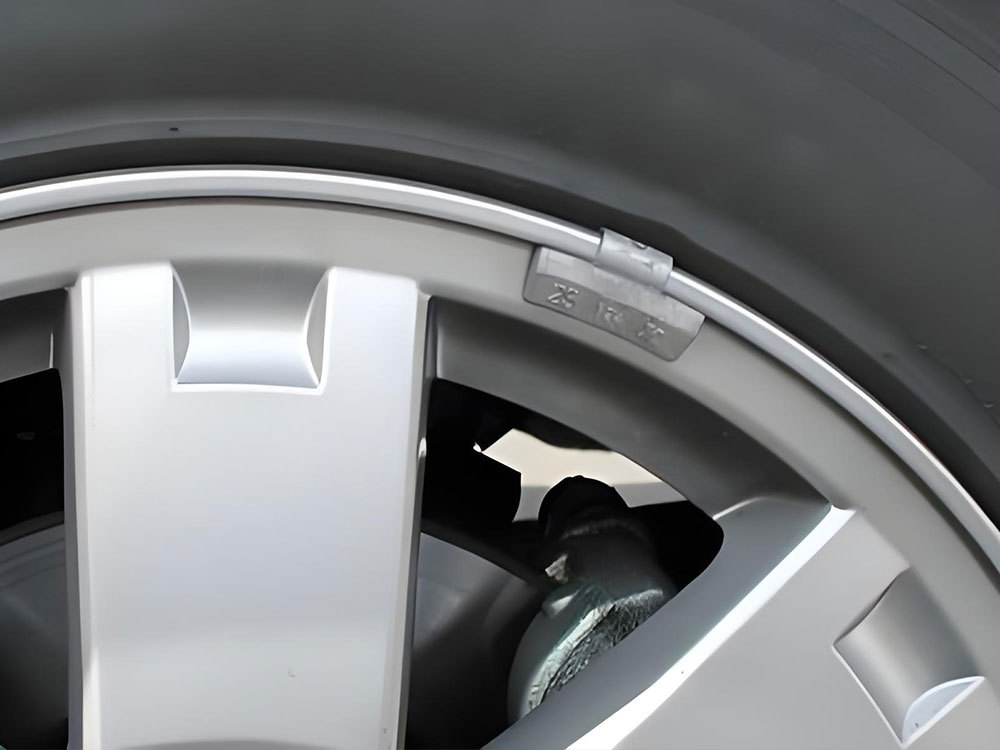
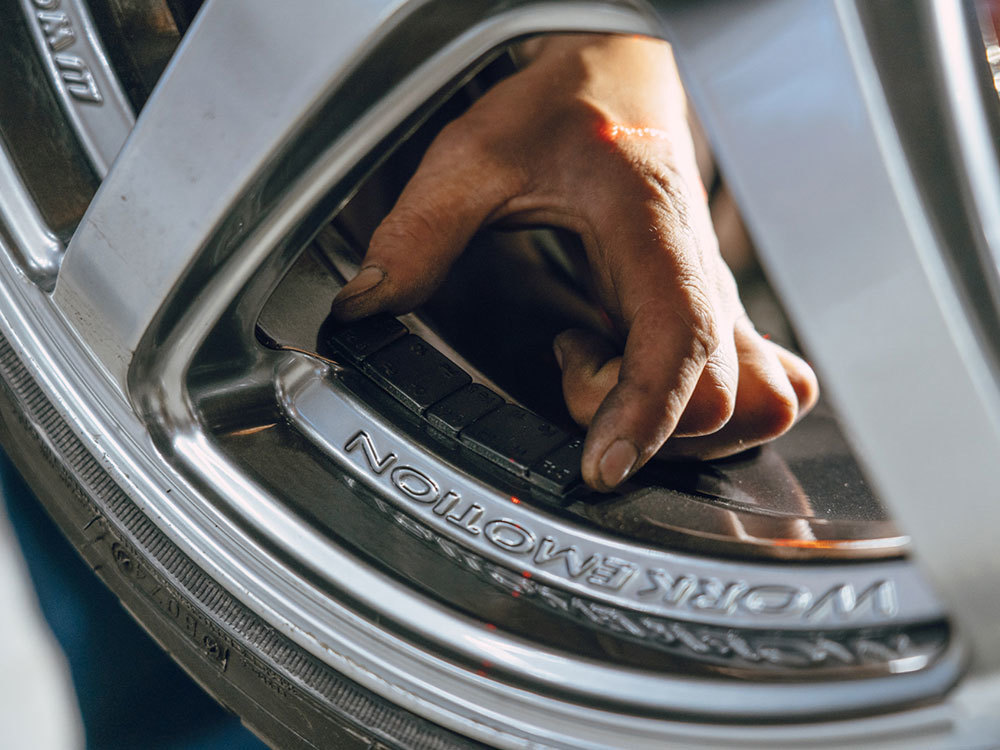
Lead adhesive wheel weights are typically manufactured in segmented strips, such as 1/4 oz or 5g increments, enabling precise adjustment during installation. The strong pressure-sensitive adhesive tape ensures quick and secure mounting without the need for clips or additional tools. This design not only simplifies the installation process but also prevents damage to the wheel surface, making them ideal for modern alloy wheels that require a clean and scratch-free finish.
Enhanced Driving Stability and Safety
By correcting imbalances in the wheel assembly, lead adhesive wheel weights significantly improve driving comfort and safety. Properly balanced wheels reduce vibration, minimize steering wheel shake, and enhance overall vehicle stability at high speeds. In addition, balanced wheels contribute to even tire wear and reduce stress on suspension components, extending the lifespan of both tires and vehicle parts.
Corrosion Resistance and Durability
To ensure long-term performance, many lead adhesive wheel weights are treated with protective coatings such as plastic powder layers. These coatings provide resistance to corrosion, moisture, and environmental exposure, maintaining the integrity of the weights over time. Combined with strong adhesive tapes like 3M or industrial-grade alternatives, the weights remain firmly attached even under harsh driving conditions.
Wide Applications Across Vehicle Types
Lead adhesive wheel weights are widely used in passenger cars, commercial vehicles, trucks, and buses. Their flexibility allows them to adapt to different wheel shapes and sizes, ensuring accurate balancing across various vehicle categories. They are especially suitable for alloy wheels, where traditional clip-on weights may not be appropriate due to aesthetic or structural considerations.
Conclusion
Lead adhesive wheel weights play a vital role in maintaining vehicle performance, safety, and comfort. With their high-density material, flexible design, easy installation, and strong durability, they provide an efficient and reliable solution for wheel balancing. As automotive technology continues to evolve, these weights remain a key component in ensuring smooth and stable driving experiences.
Related Posts
Global automotive wheel balance block industry

Contact Us
Sales Business:
Tel: +86-311-85939575 / +86-13673130619
Phone: +86-13933004411 (Manager Huang)
Email: wheelweights@hxphk.com
Contact Factory:
Tel: +86-317-4452233
Tel: +86-317-4452855
Email: hxphkc@126.com
What We Offer
Hebei Pan Asian Wheel weights Co.,Ltd. is an automobile wheel balance weights production enterprise that integrates scientific research, production, and sales.