
Essential Guide to Tire Balance Weights for Alloy Rims
2026-03-25


When it comes to maintaining optimal vehicle performance, tire balance weights play a pivotal role, particularly for those utilizing alloy rims. These weights are essential for ensuring that tire and wheel assemblies are properly balanced, which can significantly enhance the longevity of tires and improve overall driving dynamics.
Tire balance weights are small, heavy components attached to the ri
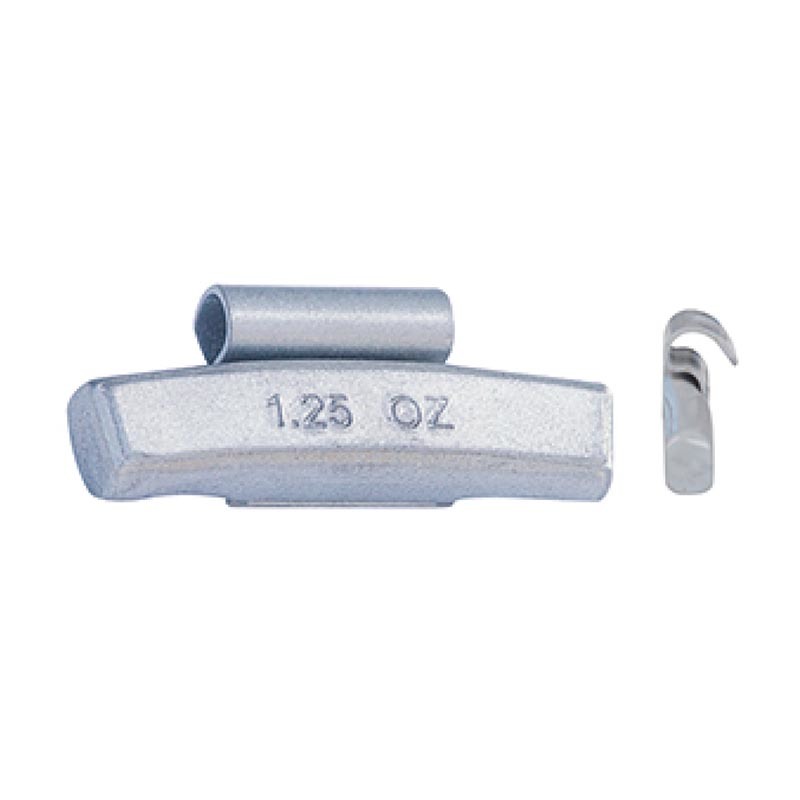
When it comes to maintaining optimal vehicle performance, tire balance weights play a pivotal role, particularly for those utilizing alloy rims. These weights are essential for ensuring that tire and wheel assemblies are properly balanced, which can significantly enhance the longevity of tires and improve overall driving dynamics.
Tire balance weights are small, heavy components attached to the rim of a wheel to counterbalance any uneven distribution of weight. When a tire is mounted on a wheel, it may not always have a uniform weight distribution due to variations in tire construction or manufacturing tolerances. This imbalance can lead to vibrations during driving, uneven tire wear, and potential handling issues. By utilizing tire balance weights for alloy rims, you can achieve a smoother ride and ensure that the vehicle operates efficiently.
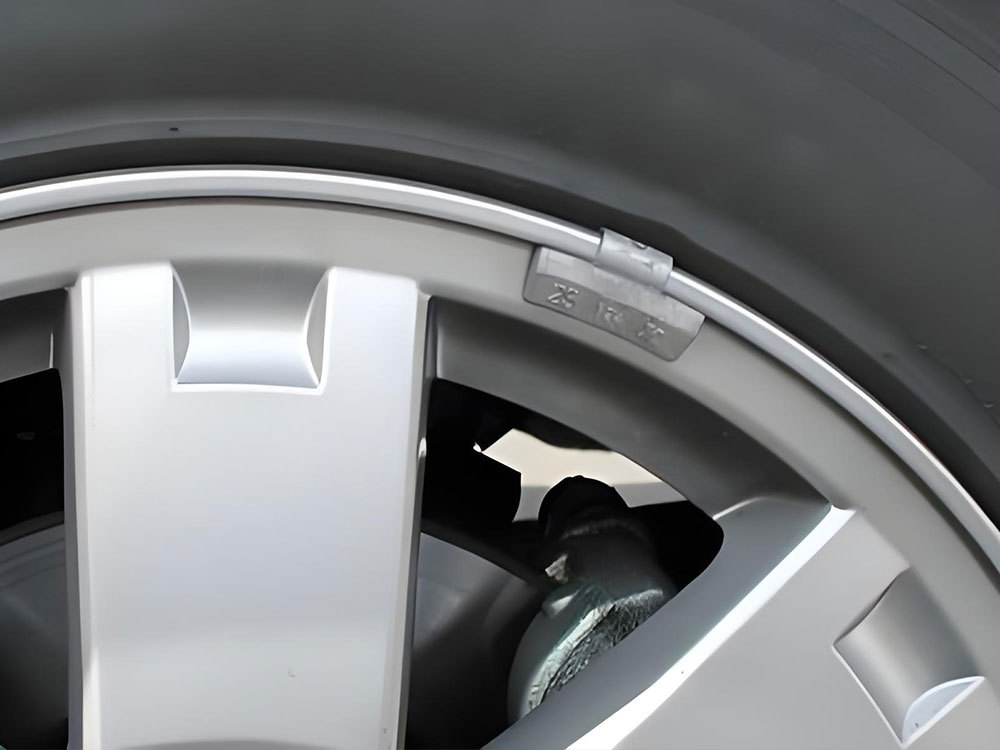
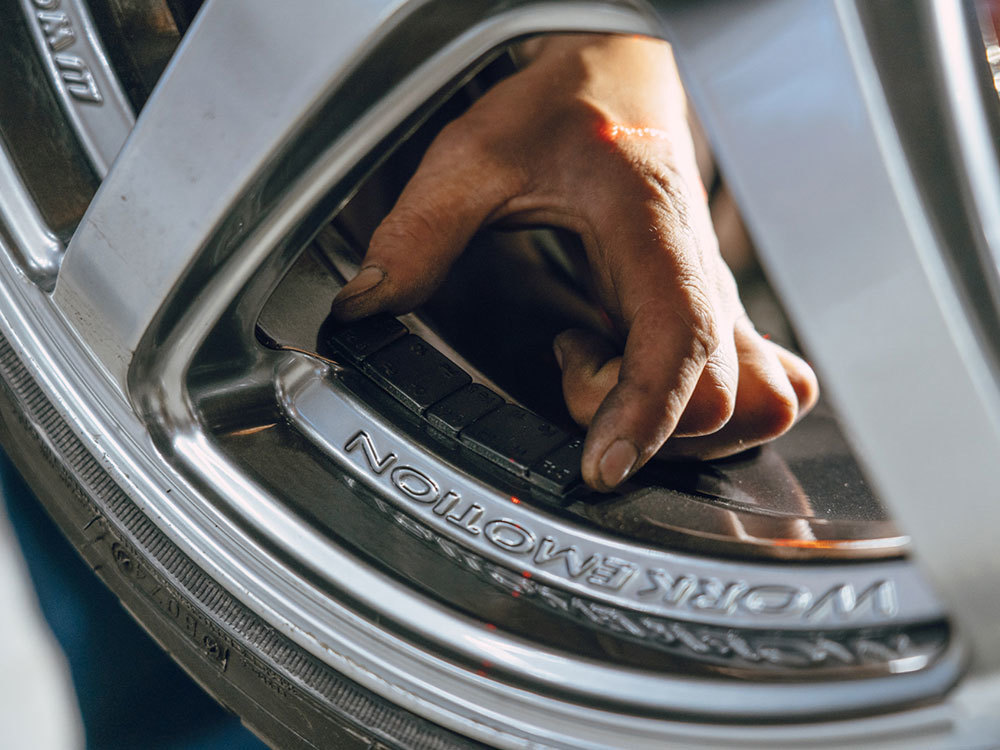
There are primarily two types of tire balance weights: adhesive weights and clip-on weights. Adhesive weights are often preferred for alloy rims because they can be placed on the inner surface of the rim, maintaining the aesthetic appeal of the wheel. Clip-on weights, while effective, may require more careful installation and can sometimes scratch or damage the alloy surface if not applied correctly. As a professional in the automotive sector, it’s essential to choose the type that best suits the specific alloy rims being used.
The correct placement of tire balance weights is crucial. Technicians typically use specialized equipment to measure the imbalance and determine where to position the weights. This process often involves spinning the wheel on a balancing machine that detects heavy spots, enabling the technician to add weights precisely where needed. For alloy rims, where aesthetic concerns are paramount, this precise balancing ensures that the weights are not only effective but also minimally visible.
Maintaining balanced tires is not just about comfort; it also impacts fuel efficiency and safety. An imbalanced tire can cause undue stress on suspension components, leading to more frequent repairs and higher maintenance costs. Furthermore, the vibrations caused by imbalanced wheels can affect the driver’s control over the vehicle, increasing the likelihood of accidents.
In conclusion, utilizing tire balance weights for alloy rims is essential for ensuring a smooth and safe driving experience. By understanding the importance of these weights, the types available, and their correct application, automotive professionals can better serve their clients. Whether for personal vehicles or commercial fleets, investing in proper tire balancing is a key aspect of vehicle maintenance that shouldn't be overlooked.
Tire balance weights are small, heavy components attached to the rim of a wheel to counterbalance any uneven distribution of weight. When a tire is mounted on a wheel, it may not always have a uniform weight distribution due to variations in tire construction or manufacturing tolerances. This imbalance can lead to vibrations during driving, uneven tire wear, and potential handling issues. By utilizing tire balance weights for alloy rims, you can achieve a smoother ride and ensure that the vehicle operates efficiently.
There are primarily two types of tire balance weights: adhesive weights and clip-on weights. Adhesive weights are often preferred for alloy rims because they can be placed on the inner surface of the rim, maintaining the aesthetic appeal of the wheel. Clip-on weights, while effective, may require more careful installation and can sometimes scratch or damage the alloy surface if not applied correctly. As a professional in the automotive sector, it’s essential to choose the type that best suits the specific alloy rims being used.
The correct placement of tire balance weights is crucial. Technicians typically use specialized equipment to measure the imbalance and determine where to position the weights. This process often involves spinning the wheel on a balancing machine that detects heavy spots, enabling the technician to add weights precisely where needed. For alloy rims, where aesthetic concerns are paramount, this precise balancing ensures that the weights are not only effective but also minimally visible.
Maintaining balanced tires is not just about comfort; it also impacts fuel efficiency and safety. An imbalanced tire can cause undue stress on suspension components, leading to more frequent repairs and higher maintenance costs. Furthermore, the vibrations caused by imbalanced wheels can affect the driver’s control over the vehicle, increasing the likelihood of accidents.
In conclusion, utilizing tire balance weights for alloy rims is essential for ensuring a smooth and safe driving experience. By understanding the importance of these weights, the types available, and their correct application, automotive professionals can better serve their clients. Whether for personal vehicles or commercial fleets, investing in proper tire balancing is a key aspect of vehicle maintenance that shouldn't be overlooked.
TAG:
Related Posts

Global automotive wheel balance block industry
The global market size of automotive wheel balance weights in 2024 is approximately 4.92 billion yuan. It is expected to maintain a steady growth trend in the future

Contact Us
Sales Business:
Tel: +86-311-85939575 / +86-13673130619
Phone: +86-13933004411 (Manager Huang)
Email: wheelweights@hxphk.com
Contact Factory:
Tel: +86-317-4452233
Tel: +86-317-4452855
Email: hxphkc@126.com
What We Offer
Hebei Pan Asian Wheel weights Co.,Ltd. is an automobile wheel balance weights production enterprise that integrates scientific research, production, and sales.