
Understanding Heavy Duty Wheel Weights for Construction Trucks
2025-12-18


Heavy duty wheel weights play a vital role in the performance and safety of construction trucks. These specialized weights are designed to ensure that the wheels of these trucks maintain proper balance, which can significantly impact their handling, fuel efficiency, and overall operational effectiveness. In the demanding world of construction, where trucks are constantly subjected to challenging t
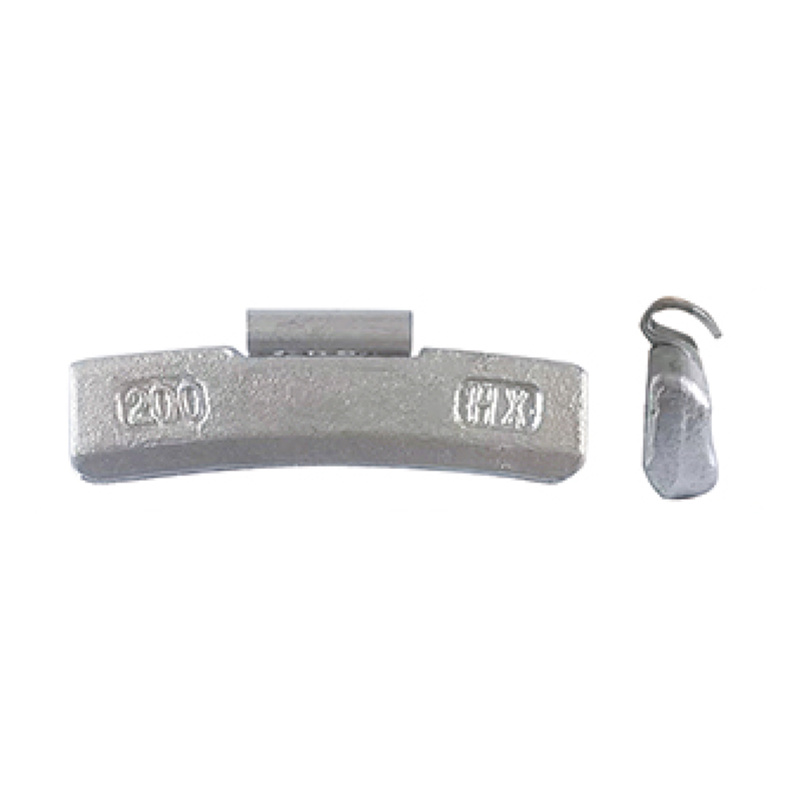
Heavy duty wheel weights play a vital role in the performance and safety of construction trucks. These specialized weights are designed to ensure that the wheels of these trucks maintain proper balance, which can significantly impact their handling, fuel efficiency, and overall operational effectiveness. In the demanding world of construction, where trucks are constantly subjected to challenging terrains and heavy loads, the role of these wheel weights becomes even more crucial.
When we discuss heavy duty wheel weights, we refer to the specific weights that are added to the wheels of construction trucks to counterbalance the weight distribution. Proper weight distribution is essential for maintaining stability, especially when navigating uneven surfaces or turning sharply. Inadequate balancing can lead to excessive wear on tires, compromised braking performance, and increased risk of accidents.
One of the key benefits of using heavy duty wheel weights is improved tire longevity. When wheel weights are correctly applied, they help distribute the weight evenly across the tires, reducing uneven wear and extending the lifespan of the tires. This not only aids in cost savings by lowering the frequency of tire replacements but also enhances safety by ensuring that tires maintain optimal contact with the road, thereby improving traction.
Moreover, heavy duty wheel weights can also influence fuel efficiency. An unbalanced truck requires more energy to operate, as the engine must work harder to maintain speed and control. By ensuring that the wheels are properly weighted, construction trucks can operate more efficiently, leading to reduced fuel consumption. This is particularly beneficial in an industry where operational costs can skyrocket due to fuel expenses.
In addition to performance and efficiency, safety is a paramount concern in the construction industry. Heavy duty wheel weights contribute to a lower center of gravity, enhancing stability and reducing the likelihood of rollovers, especially on uneven surfaces. This is crucial for protecting both the operators of the trucks and those working around them, as instability can lead to serious accidents.
Selecting the appropriate heavy duty wheel weights for construction trucks involves considering various factors, including the type of truck, the weight it carries, and the specific conditions it will operate under. It's essential to consult with professionals who can provide guidance on the best practices for weight distribution and balancing.
In conclusion, heavy duty wheel weights are an indispensable component in the operation of construction trucks. They not only improve tire longevity and fuel efficiency but also enhance safety and stability on the job site. By understanding the importance of these weights, operators can ensure their vehicles perform optimally, contributing to the overall success of construction projects.
When we discuss heavy duty wheel weights, we refer to the specific weights that are added to the wheels of construction trucks to counterbalance the weight distribution. Proper weight distribution is essential for maintaining stability, especially when navigating uneven surfaces or turning sharply. Inadequate balancing can lead to excessive wear on tires, compromised braking performance, and increased risk of accidents.
One of the key benefits of using heavy duty wheel weights is improved tire longevity. When wheel weights are correctly applied, they help distribute the weight evenly across the tires, reducing uneven wear and extending the lifespan of the tires. This not only aids in cost savings by lowering the frequency of tire replacements but also enhances safety by ensuring that tires maintain optimal contact with the road, thereby improving traction.
Moreover, heavy duty wheel weights can also influence fuel efficiency. An unbalanced truck requires more energy to operate, as the engine must work harder to maintain speed and control. By ensuring that the wheels are properly weighted, construction trucks can operate more efficiently, leading to reduced fuel consumption. This is particularly beneficial in an industry where operational costs can skyrocket due to fuel expenses.
In addition to performance and efficiency, safety is a paramount concern in the construction industry. Heavy duty wheel weights contribute to a lower center of gravity, enhancing stability and reducing the likelihood of rollovers, especially on uneven surfaces. This is crucial for protecting both the operators of the trucks and those working around them, as instability can lead to serious accidents.
Selecting the appropriate heavy duty wheel weights for construction trucks involves considering various factors, including the type of truck, the weight it carries, and the specific conditions it will operate under. It's essential to consult with professionals who can provide guidance on the best practices for weight distribution and balancing.
In conclusion, heavy duty wheel weights are an indispensable component in the operation of construction trucks. They not only improve tire longevity and fuel efficiency but also enhance safety and stability on the job site. By understanding the importance of these weights, operators can ensure their vehicles perform optimally, contributing to the overall success of construction projects.
TAG:
Related Posts

Global automotive wheel balance block industry
The global market size of automotive wheel balance weights in 2024 is approximately 4.92 billion yuan. It is expected to maintain a steady growth trend in the future



Contact Us
Sales Business:
Tel: +86-311-85939575 / +86-13673130619
Phone: +86-13933004411 (Manager Huang)
Email: wheelweights@hxphk.com
Contact Factory:
Tel: +86-317-4452233
Tel: +86-317-4452855
Email: hxphkc@126.com
What We Offer
Hebei Pan Asian Wheel weights Co.,Ltd. is an automobile wheel balance weights production enterprise that integrates scientific research, production, and sales.