
Unlocking Performance: The Importance of Tire Balance Weights for Alloy Rims
2025-12-20


Unlocking Performance: The Importance of Tire Balance Weights for Alloy Rims
Table of Contents
1. Introduction to Tire Balance Weights
2. What Are Tire Balance Weights?
3. Why Tire Balance is Essential for Alloy Rims
4. Types of Tire Balance Weights
5. Installation Process of Tire Balance Weights
6. Common Issues Caused by Tire Imbalance
7. Maintaining Proper Tire Bala
Unlocking Performance: The Importance of Tire Balance Weights for Alloy Rims
Table of Contents
- 1. Introduction to Tire Balance Weights
- 2. What Are Tire Balance Weights?
- 3. Why Tire Balance is Essential for Alloy Rims
- 4. Types of Tire Balance Weights
- 5. Installation Process of Tire Balance Weights
- 6. Common Issues Caused by Tire Imbalance
- 7. Maintaining Proper Tire Balance
- 8. Conclusion
- 9. Frequently Asked Questions
1. Introduction to Tire Balance Weights
Tire balance weights are small weights attached to the rim of a tire to ensure that the tire rotates evenly. Proper tire balancing is critical for optimal vehicle performance, especially for those driving with alloy rims. These weights help counteract any imbalances in the tire and wheel assembly, leading to a smoother ride and improved safety on the road.
2. What Are Tire Balance Weights?
Tire balance weights come in various forms, including clip-on weights, adhesive weights, and polymer weights. Installed on the wheel rim, they serve to balance the tire by counteracting any uneven weight distribution. When a tire is mounted on a wheel, the weight may not be evenly distributed, leading to vibrations and uneven wear over time.
Types of Tire Balance Weights
Understanding the types of tire balance weights can help you choose the right one for your vehicle.
Clip-On Weights
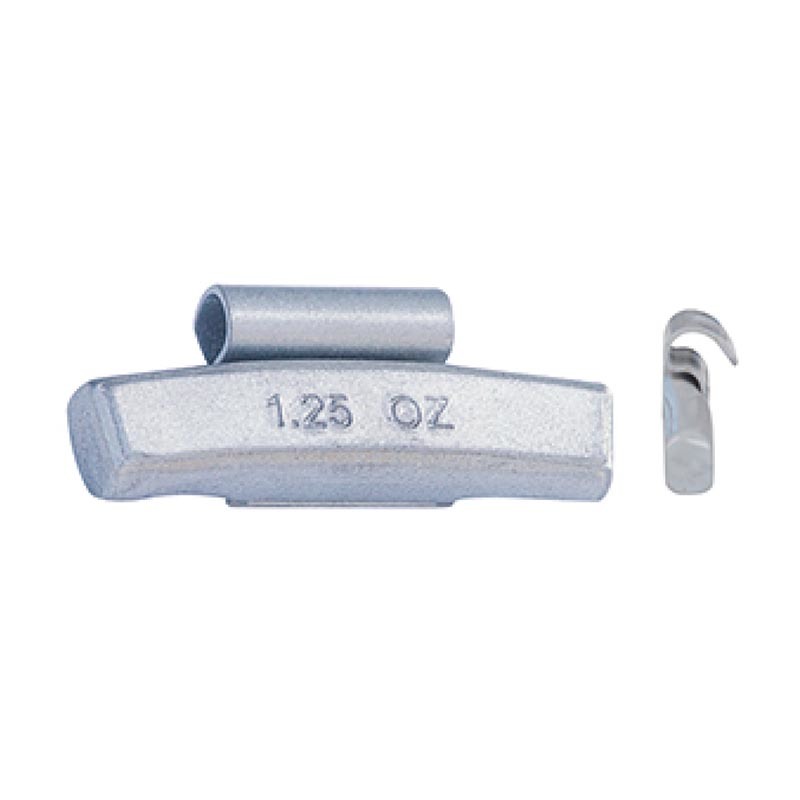
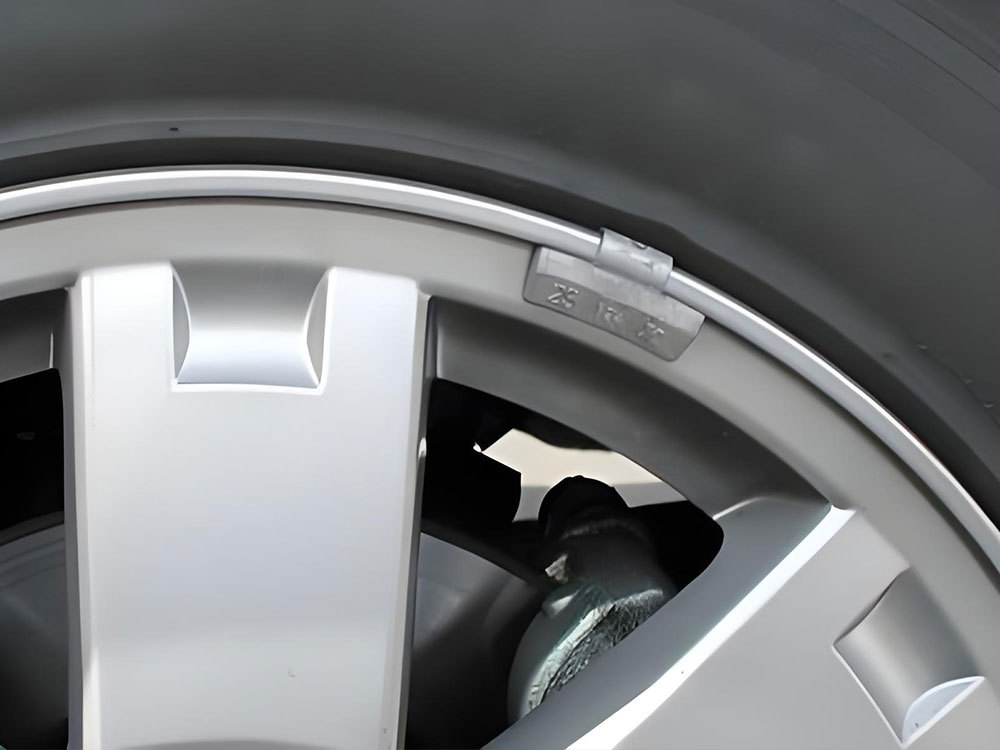
Clip-on weights attach to the edge of the rim. They are most commonly used for steel wheels, but can also be used for alloy rims. Their installation is straightforward, making them a popular choice among tire technicians.
Adhesive Weights
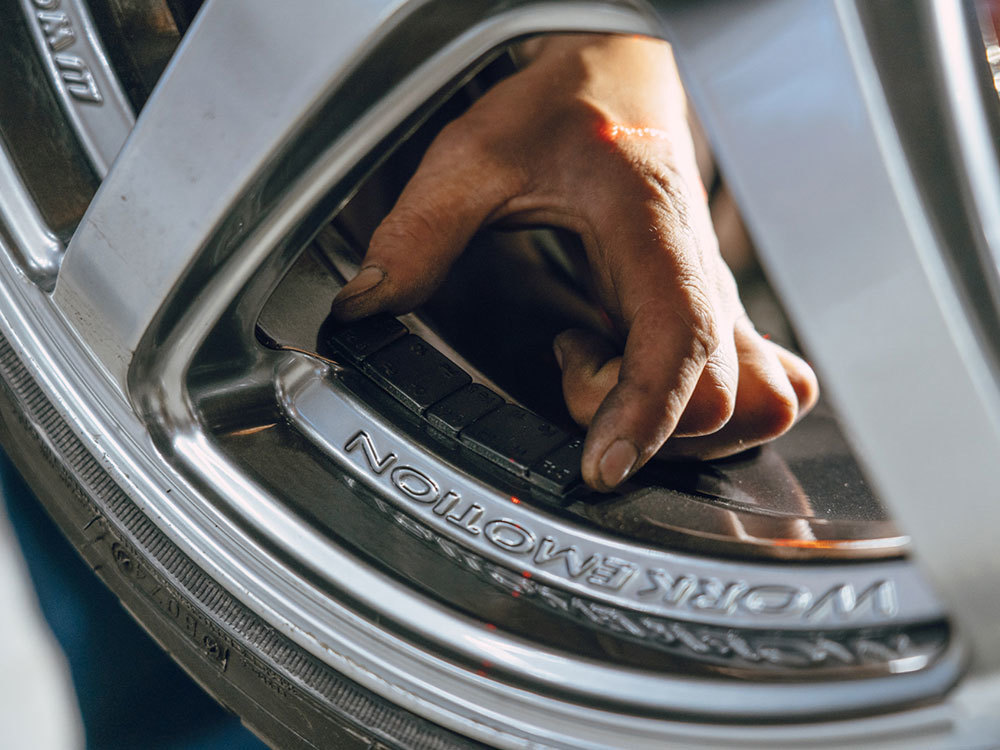
Adhesive weights stick to the inner surface of the rim. They are less visible and do not alter the aesthetic appeal of alloy rims. These weights are particularly beneficial for those who prioritize the look of their wheels.
Polymer Weights
Polymer weights are a newer option that offers corrosion resistance and a lighter alternative to traditional metal weights. They adhere well to the rim and are designed to withstand various environmental conditions.
3. Why Tire Balance is Essential for Alloy Rims
Tire balancing is especially crucial for vehicles with alloy rims due to several reasons:
Enhanced Performance
Properly balanced tires improve overall vehicle handling. When tires are out of balance, the driver may experience vibrations, leading to discomfort and difficulty in steering control. Balancing ensures a smoother drive and better response to steering inputs.
Increased Tire Longevity
Unbalanced tires wear unevenly, leading to premature tire replacement. By maintaining tire balance, vehicle owners can extend the lifespan of their tires, resulting in cost savings over time.
Improved Fuel Efficiency
Out-of-balance tires can cause excessive rolling resistance, negatively impacting fuel efficiency. A well-balanced set of tires ensures optimal contact with the road, reducing drag and improving miles per gallon.
Enhanced Safety
Safety is paramount when driving. Unbalanced tires can compromise vehicle stability, especially during high-speed maneuvers. By ensuring proper tire balance, drivers can enhance their safety on the road, making this a non-negotiable aspect of vehicle maintenance.
5. Installation Process of Tire Balance Weights
The installation of tire balance weights is a straightforward process, typically performed by a professional technician. However, understanding the steps involved can help vehicle owners appreciate the importance of this service.
Step 1: Tire Inspection
Before installation, the technician inspects the tire and rim for any damage. Ensuring the components are in good condition is essential for effective balancing.
Step 2: Mounting the Tire
The tire is mounted onto the wheel assembly, and a tire machine is utilized to spin the tire and identify any imbalances.
Step 3: Adding Weights
Once the imbalances are detected, the technician will add the appropriate weights to the rim. This process may involve trial and error to achieve perfect balance.
Step 4: Final Inspection
After installing the weights, the technician should conduct a final spin test. This ensures that the tire is now balanced, providing optimal performance.
6. Common Issues Caused by Tire Imbalance
Ignoring tire balancing can lead to several issues that affect performance and safety.
Vibrations and Noise
One of the most noticeable signs of tire imbalance is vibrations felt through the steering wheel, which can lead to driver fatigue. Additionally, unbalanced tires may produce unusual noises that indicate uneven wear.
Uneven Tire Wear
Imbalanced tires wear unevenly, leading to bald spots and reduced traction. This can compromise safety, especially in wet or icy conditions.
Strain on Vehicle Components
Unbalanced tires put extra strain on suspension components, potentially leading to costly repairs. Over time, this can affect the overall health of the vehicle.
7. Maintaining Proper Tire Balance
To ensure the longevity and performance of your tires, regular maintenance is key.
Regular Inspections
Checking tire balance should be part of routine vehicle maintenance. Having tires balanced every 5,000 to 6,000 miles or during seasonal tire changes is advisable.
Proper Tire Rotation
Regular tire rotation helps distribute wear evenly across all tires. This practice can aid in preventing imbalance and prolonging tire life.
Monitor Tire Pressure
Maintaining the correct tire pressure is essential. Under-inflated or over-inflated tires can lead to imbalance issues and affect overall driving performance.
8. Conclusion
Tire balance weights play a vital role in ensuring the performance and safety of vehicles equipped with alloy rims. By understanding their importance and maintaining proper tire balance, vehicle owners can enjoy a smoother ride, enhance tire longevity, and ultimately improve safety on the road. Regular inspections and maintenance are essential to reap the full benefits of balanced tires.
9. Frequently Asked Questions
What happens if my tires are not balanced?
Unbalanced tires can cause vibrations, uneven tire wear, and strain on suspension components, leading to potential safety issues and increased repair costs.
How often should I have my tires balanced?
It is recommended to have your tires balanced every 5,000 to 6,000 miles or during seasonal tire changes.
Can I balance my tires myself?
While DIY balancing kits are available, it is advisable to have tires balanced by a professional technician using specialized equipment for accurate results.
What are the signs that my tires need balancing?
Common signs include vibrations in the steering wheel, uneven tire wear, and unusual noises while driving.
Do alloy rims require special tire balance weights?
Alloy rims can use various types of tire balance weights, including clip-on and adhesive options. The choice depends on aesthetic preferences and the specific design of the rim.
TAG:
Related Posts

Global automotive wheel balance block industry
The global market size of automotive wheel balance weights in 2024 is approximately 4.92 billion yuan. It is expected to maintain a steady growth trend in the future

Contact Us
Sales Business:
Tel: +86-311-85939575 / +86-13673130619
Phone: +86-13933004411 (Manager Huang)
Email: wheelweights@hxphk.com
Contact Factory:
Tel: +86-317-4452233
Tel: +86-317-4452855
Email: hxphkc@126.com
What We Offer
Hebei Pan Asian Wheel weights Co.,Ltd. is an automobile wheel balance weights production enterprise that integrates scientific research, production, and sales.