
Maximize Stability: The Essential Role of Lead Clip on Wheel Weights for Heavy Vehicles
2025-12-16


Maximize Stability: The Essential Role of Lead Clip on Wheel Weights for Heavy Vehicles
In the world of heavy vehicles, stability is paramount. When discussing the components that contribute to this stability, one of the most crucial elements often overlooked is the lead clip on wheel weights. These seemingly minor components play a significant role in enhancing safety, performance, and efficiency in heavy vehicle operation. In this comprehensive guide, we will delve deep into the essential functions of lead clips on wheel weights, their installation, benefits, and maintenance, ensuring your vehicles remain roadworthy and stable.
Table of Contents
- What Are Lead Clips?
- The Importance of Wheel Weights for Stability
- How Lead Clips Work with Wheel Weights
- Benefits of Using Lead Clips on Wheel Weights
- Installation of Lead Clips on Wheel Weights
- Maintenance Tips for Lead Clips
- Common Issues and Solutions with Lead Clips
- Conclusion
- FAQs
What Are Lead Clips?
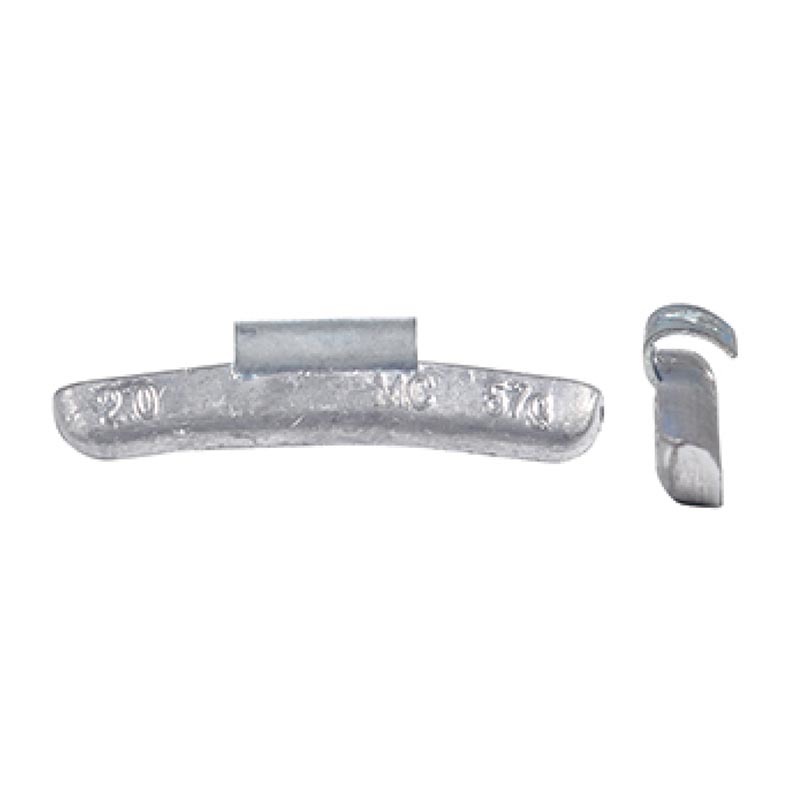
Lead clips are small, yet vital components used in conjunction with wheel weights in heavy vehicles. Made primarily from lead, they provide a means to attach additional weight directly to the wheel, effectively balancing the wheel and improving stability. The design of lead clips allows for easy attachment and removal, facilitating adjustments based on specific vehicle needs or load changes.
Key Features of Lead Clips
- Durability: Lead clips are designed to withstand harsh road conditions, ensuring a long service life.
- Flexibility: They can be easily adjusted or replaced, making them ideal for fleet managers who need to adapt to varying weight requirements.
- Cost-Effective: The use of lead clips can reduce overall maintenance costs by ensuring optimal wheel balance.
The Importance of Wheel Weights for Stability
Wheel weights play a critical role in the overall stability and performance of heavy vehicles. An unbalanced wheel can lead to several issues, including uneven tire wear, reduced fuel efficiency, and even safety hazards. The incorporation of lead clips with wheel weights enhances this balance, leading to a more controlled and stable driving experience.
How Wheel Weights Enhance Vehicle Performance
- Improved Handling: Properly balanced wheels enhance steering response and overall handling.
- Fuel Efficiency: Balanced wheels require less effort to move, improving fuel consumption.
- Extended Tire Life: Reducing uneven wear on tires can significantly extend their lifespan.
How Lead Clips Work with Wheel Weights
The mechanics of how lead clips interact with wheel weights is straightforward yet crucial. When a lead clip is attached to a wheel weight, it secures the weight firmly in place. This prevents the weight from shifting during operation, which could otherwise lead to imbalances. The lead clip ensures that the weight distribution remains consistent, offering stability to the vehicle's overall performance.
The Interaction Between Lead Clips and Wheel Weights
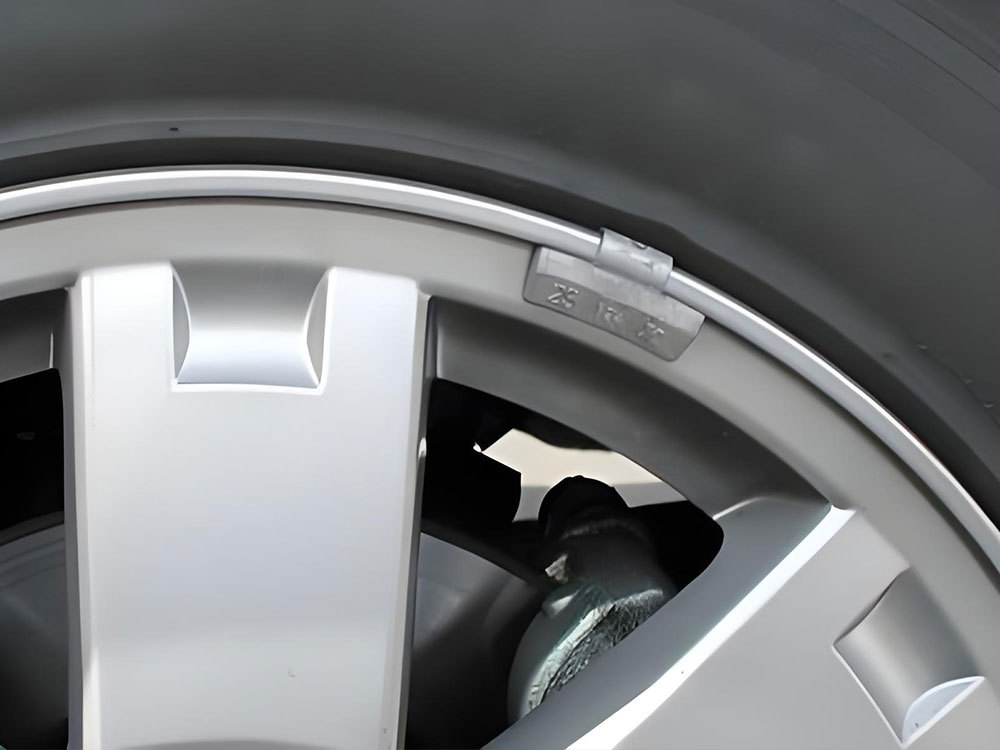
When a lead clip is affixed to a wheel weight, it engages with the wheel rim to create a secure bond. This bond allows for the weight's influence on the wheel's rotational dynamics, which is essential for maintaining balance during movement. The lead material is malleable, allowing it to conform to the wheel's surface, ensuring a snug fit.
Benefits of Using Lead Clips on Wheel Weights
The advantages of using lead clips in conjunction with wheel weights extend beyond simple weight management. They provide several benefits that enhance vehicle operation and safety:
1. Enhanced Stability and Safety
By facilitating proper weight distribution, lead clips significantly enhance vehicle stability and safety, reducing the likelihood of accidents caused by wheel imbalances.
2. Simple Installation and Adjustment
Lead clips are designed for easy installation, allowing technicians to quickly adjust wheel weights as needed, thereby saving valuable time in maintenance schedules.
3. Cost Savings in Maintenance
The use of lead clips helps prolong tire life and improves vehicle efficiency, ultimately leading to reduced maintenance costs over time.
4. Reduced Vibrations and Improved Comfort
Well-balanced wheels lead to a smoother ride, minimizing vibrations that can cause discomfort for drivers and passengers alike.
5. Environmental Benefits
Improved fuel efficiency resulting from better-weight distribution translates to lower carbon emissions, contributing to environmental sustainability.
Installation of Lead Clips on Wheel Weights
Installing lead clips on wheel weights is a straightforward process that can be completed by skilled technicians. Below is a step-by-step guide for effective installation:
1. Gather Necessary Tools
Before beginning, ensure you have the required tools, such as a wheel weight gauge, pliers, and a torque wrench.
2. Remove Existing Wheel Weights
If necessary, carefully remove any existing wheel weights from the rim to make room for the new installation.
3. Clean the Wheel Surface
Ensure the wheel surface is clean and free of debris to facilitate a proper bond between the lead clip and the wheel weight.
4. Attach the Lead Clip
Securely attach the lead clip to the designated area on the wheel weight, ensuring a snug fit.
5. Install the Wheel Weight
Finally, affix the wheel weight to the wheel, ensuring that it is properly aligned and securely fastened.
Maintenance Tips for Lead Clips
Regular maintenance is essential to ensure the longevity and performance of lead clips. Here are some key maintenance tips:
1. Regular Inspections
Conduct routine inspections of lead clips and wheel weights to check for signs of wear or damage.
2. Clean After Use
After navigating rough terrains or inclement weather, clean the lead clips and wheel weights to prevent corrosion and buildup.
3. Replace Damaged Clips
If any clips are found to be damaged or loose, replace them immediately to maintain optimal performance and safety.
Common Issues and Solutions with Lead Clips
Despite their robust design, lead clips can encounter issues over time. Here are some common problems and their solutions:
1. Loose Clips
If lead clips become loose, it can lead to shifting wheel weights. Ensure that clips are regularly tightened and check for wear.
2. Corrosion
Exposure to moisture can cause corrosion. Regular cleaning and applying a protective coating to the clips can mitigate this issue.
3. Improper Installation
Improper attachment can lead to inefficiencies. Always follow installation guidelines and verify secure fastening.
Conclusion
In conclusion, lead clips play an indispensable role in the stability and performance of wheel weights for heavy vehicles. Their ability to secure additional weight effectively contributes to improved handling, enhanced safety, and cost-effective maintenance. By understanding the essential functions of lead clips, as well as their installation and maintenance, fleet operators can ensure that their vehicles remain stable and efficient on the road. Investing in quality lead clips is not just a decision for performance; it’s a commitment to safety and longevity in heavy vehicle operation.
FAQs
1. What is the primary function of lead clips?
Lead clips are used to secure wheel weights to ensure proper weight distribution and balance, enhancing vehicle stability.
2. How often should I inspect lead clips on my vehicles?
Routine inspections should be conducted at least once every month or after any significant road usage to ensure they are functioning properly.
3. Can I replace lead clips myself?
Yes, lead clips can be replaced by following proper installation guidelines. However, if you're uncertain, consulting a professional is advisable.
4. What are the signs that lead clips need replacement?
Signs of wear, such as corrosion, looseness, or visible damage, indicate that lead clips should be replaced to maintain safety and performance.
5. Do lead clips contribute to fuel efficiency?
Yes, by ensuring wheels are balanced, lead clips can improve fuel efficiency by reducing the effort required for movement.
TAG:
Related Posts

Global automotive wheel balance block industry

Contact Us
Sales Business:
Tel: +86-311-85939575 / +86-13673130619
Phone: +86-13933004411 (Manager Huang)
Email: wheelweights@hxphk.com
Contact Factory:
Tel: +86-317-4452233
Tel: +86-317-4452855
Email: hxphkc@126.com
What We Offer
Hebei Pan Asian Wheel weights Co.,Ltd. is an automobile wheel balance weights production enterprise that integrates scientific research, production, and sales.