
Understanding Tire Balance Weights for Alloy Rims: Essential Insights
2025-12-10


Tire balance weights are crucial components of your vehicle's wheel assembly, especially for those equipped with alloy rims. When tires are mounted on rims, they may not always distribute weight evenly. This imbalance can lead to vibrations, uneven tire wear, and even affect the handling of your vehicle. That's where tire balance weights come into play.
The primary function of tire balance weights
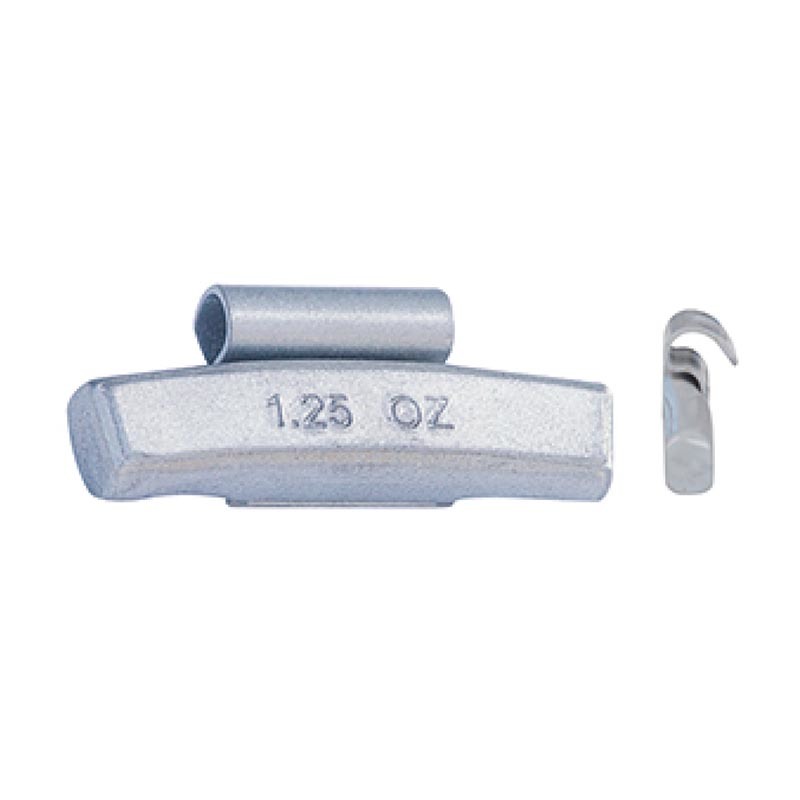
Tire balance weights are crucial components of your vehicle's wheel assembly, especially for those equipped with alloy rims. When tires are mounted on rims, they may not always distribute weight evenly. This imbalance can lead to vibrations, uneven tire wear, and even affect the handling of your vehicle. That's where tire balance weights come into play.
The primary function of tire balance weights is to counterbalance any heavy spots on the tire and rim assembly. Typically made from materials like lead, zinc, or steel, these weights are attached to the rim in specific locations to ensure a balanced wheel. For alloy rims, which are lighter and often designed with aesthetic considerations, the choice and placement of balance weights can be especially important to maintain both performance and appearance.
When balancing your tires, technicians will perform a dynamic balancing procedure that involves spinning the wheel on a balancing machine. This machine identifies any imbalances and indicates where the tire balance weights should be placed. Proper alignment and placement of these weights not only improve ride quality but also extend the lifespan of your tires and enhance fuel efficiency. A well-balanced tire reduces the strain on suspension components, leading to lower repair costs over time.
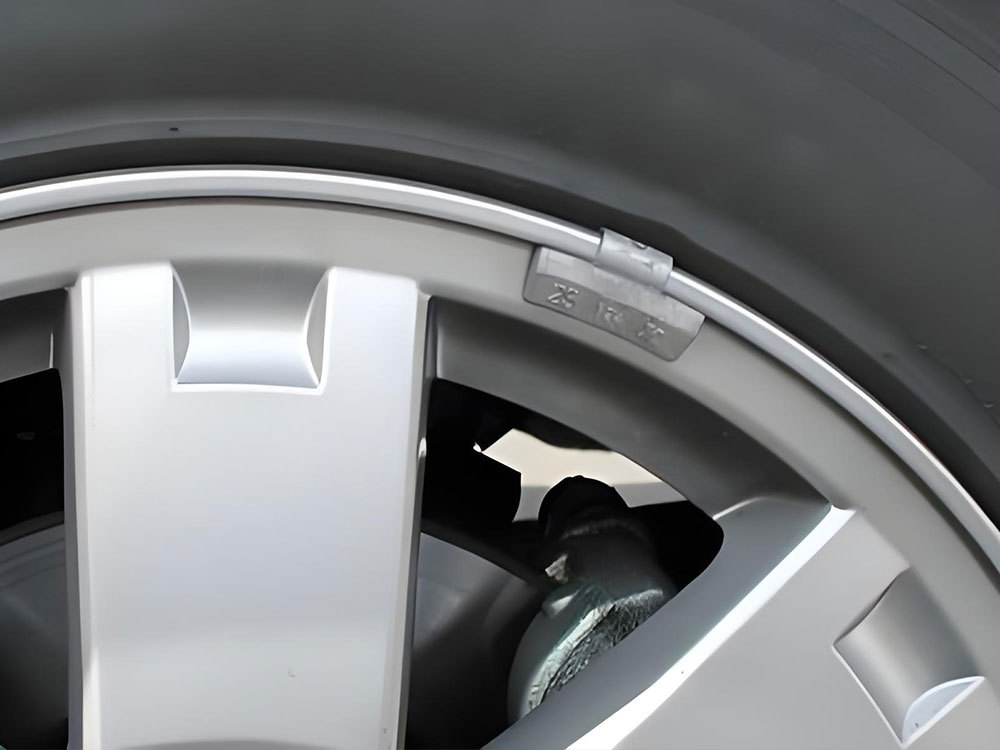
It's essential to note that the type of tire balance weights used can depend on various factors, including the design of the alloy rim and the specific requirements of your vehicle. Clip-on weights are often used for standard alloy rims, while adhesive weights may be preferred for rims with a more intricate design to keep the aesthetic clean and unobtrusive. Some drivers may even opt for non-lead options due to environmental concerns, making zinc a popular alternative.
Regular maintenance, including checking the balance of your tires, is vital for overall vehicle performance. Uneven tire wear can not only lead to premature tire replacement but may also compromise your vehicle's safety. If you notice vibrations, pulling to one side, or uneven tire wear patterns, it may be time to have your tires balanced.
In summary, understanding tire balance weights for alloy rims is essential for maintaining a smooth driving experience and ensuring the longevity of your tires. By investing in proper tire balancing techniques and selecting the right weights for your alloy rims, you can significantly enhance your vehicle's performance, safety, and comfort. Whether you're a seasoned driver or a newcomer to the automotive world, grasping the importance of tire balance weights will empower you to make informed decisions about your vehicle's maintenance.
The primary function of tire balance weights is to counterbalance any heavy spots on the tire and rim assembly. Typically made from materials like lead, zinc, or steel, these weights are attached to the rim in specific locations to ensure a balanced wheel. For alloy rims, which are lighter and often designed with aesthetic considerations, the choice and placement of balance weights can be especially important to maintain both performance and appearance.
When balancing your tires, technicians will perform a dynamic balancing procedure that involves spinning the wheel on a balancing machine. This machine identifies any imbalances and indicates where the tire balance weights should be placed. Proper alignment and placement of these weights not only improve ride quality but also extend the lifespan of your tires and enhance fuel efficiency. A well-balanced tire reduces the strain on suspension components, leading to lower repair costs over time.
It's essential to note that the type of tire balance weights used can depend on various factors, including the design of the alloy rim and the specific requirements of your vehicle. Clip-on weights are often used for standard alloy rims, while adhesive weights may be preferred for rims with a more intricate design to keep the aesthetic clean and unobtrusive. Some drivers may even opt for non-lead options due to environmental concerns, making zinc a popular alternative.
Regular maintenance, including checking the balance of your tires, is vital for overall vehicle performance. Uneven tire wear can not only lead to premature tire replacement but may also compromise your vehicle's safety. If you notice vibrations, pulling to one side, or uneven tire wear patterns, it may be time to have your tires balanced.
In summary, understanding tire balance weights for alloy rims is essential for maintaining a smooth driving experience and ensuring the longevity of your tires. By investing in proper tire balancing techniques and selecting the right weights for your alloy rims, you can significantly enhance your vehicle's performance, safety, and comfort. Whether you're a seasoned driver or a newcomer to the automotive world, grasping the importance of tire balance weights will empower you to make informed decisions about your vehicle's maintenance.
TAG:
Related Posts

Global automotive wheel balance block industry
The global market size of automotive wheel balance weights in 2024 is approximately 4.92 billion yuan. It is expected to maintain a steady growth trend in the future


Contact Us
Sales Business:
Tel: +86-311-85939575 / +86-13673130619
Phone: +86-13933004411 (Manager Huang)
Email: wheelweights@hxphk.com
Contact Factory:
Tel: +86-317-4452233
Tel: +86-317-4452855
Email: hxphkc@126.com
What We Offer
Hebei Pan Asian Wheel weights Co.,Ltd. is an automobile wheel balance weights production enterprise that integrates scientific research, production, and sales.