
Heavy Duty Wheel Weights: Protecting Your Investment in Construction Trucks
2025-12-08


Heavy Duty Wheel Weights: Protecting Your Investment in Construction Trucks
Introduction to Heavy Duty Wheel Weights
In the realm of construction, **heavy-duty trucks** are the backbone of any project. They transport materials, equipment, and tools essential for building and infrastructure development. However, the efficiency and safety of these trucks can be compromised without proper wheel manag
Heavy Duty Wheel Weights: Protecting Your Investment in Construction Trucks
Introduction to Heavy Duty Wheel Weights
In the realm of construction, **heavy-duty trucks** are the backbone of any project. They transport materials, equipment, and tools essential for building and infrastructure development. However, the efficiency and safety of these trucks can be compromised without proper wheel management. **Heavy-duty wheel weights** serve as a pivotal solution in this scenario, ensuring that your vehicles operate at peak performance while safeguarding your investment.
The Importance of Wheel Weights in Construction Trucks
Wheel weights are designed to counteract the imbalance that can occur in wheels, especially under the strain of heavy loads typical in construction scenarios. Here are several key reasons why investing in heavy-duty wheel weights is vital:
Enhancing Stability and Control
When trucks are loaded with heavy materials, maintaining **stability** becomes paramount. Imbalanced wheels can lead to unpredictable handling, increasing the risk of accidents. Heavy-duty wheel weights help maintain proper balance, ensuring that your vehicle handles predictably even in challenging conditions.
Reducing Tire Wear
Uneven weight distribution often results in excessive tire wear. By utilizing wheel weights, you can promote even tire contact with the road, extending the life of your tires and reducing the frequency of replacements—a significant cost-saving measure for construction companies.
Improving Fuel Efficiency
An imbalanced wheel can lead to increased rolling resistance, which negatively impacts fuel efficiency. Properly weighted wheels allow for smoother operation, ultimately saving fuel costs and reducing your overall operational expenses.
Types of Heavy Duty Wheel Weights
Understanding the different types of wheel weights available is crucial for making an informed purchase. Here are the most common types used in construction environments:
Clip-On Wheel Weights
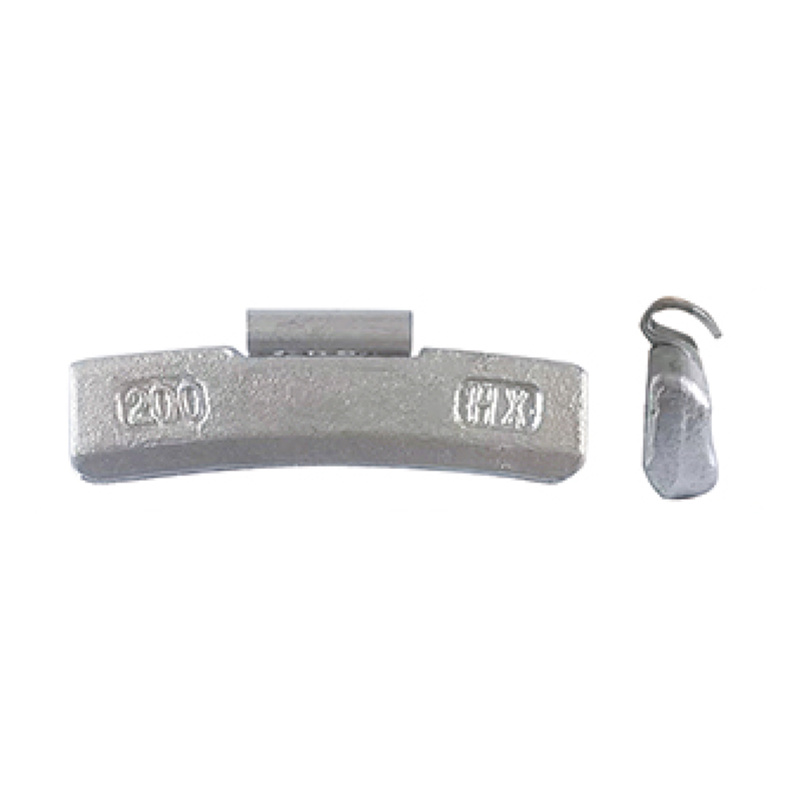
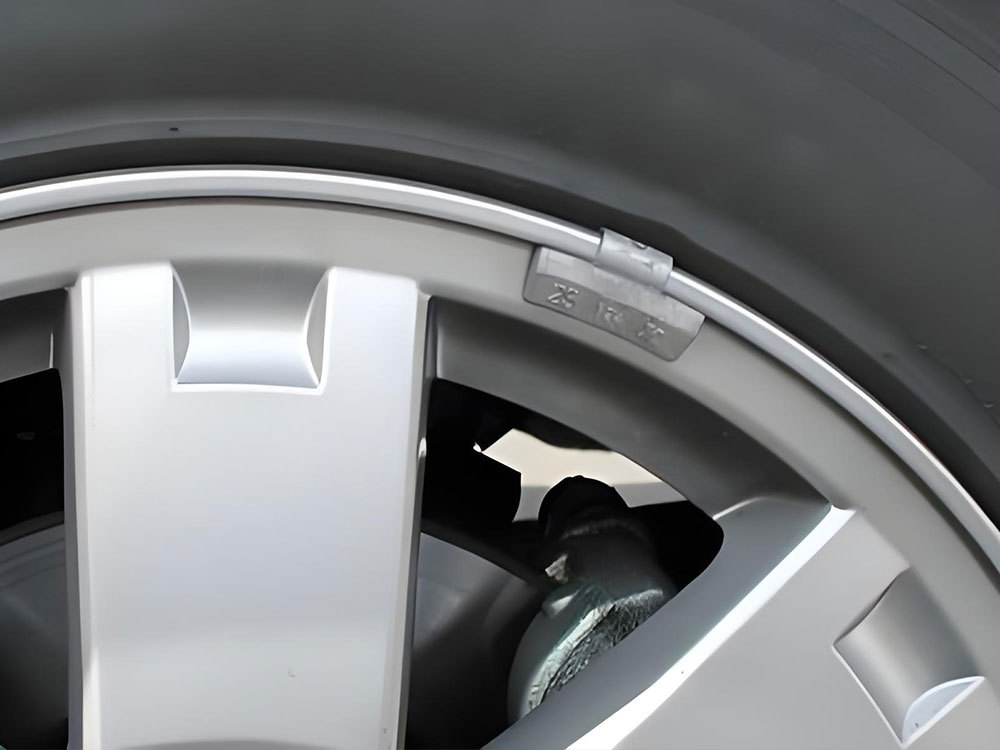
These weights easily attach to the rim of the wheel and are favored for their simplicity. Clip-on weights are often used for lighter trucks but can be effective for heavy-duty applications when correctly applied.
Adhesive Wheel Weights
Adhesive weights are applied directly to the wheel's surface. They are less obtrusive and do not alter the wheel's aesthetics. This type is often chosen for trucks where appearance matters, but they may not provide the same durability in extreme conditions.
Custom Wheel Weights
For specialized construction applications, custom wheel weights can be designed to meet specific requirements. These weights are tailored for particular vehicles and loads, ensuring optimal performance.
Choosing the Right Wheel Weights for Your Construction Trucks
Selecting the appropriate heavy-duty wheel weights involves several considerations:
Weight Specifications
Determine the specific weight requirements based on your truck's specifications and load capacity. Consult your truck’s manual or a professional if you’re unsure about the appropriate weight.
Material Composition
Most wheel weights are made from **lead** or **zinc**. While lead weights are more traditional, zinc weights are becoming more common due to their eco-friendliness and similar performance characteristics.
Compatibility with Tires
Ensure that the wheel weights you choose are compatible with your truck's tires. Incorrect weights can lead to further issues, including rim damage or poor performance.
Installation of Heavy Duty Wheel Weights
Proper installation is crucial for the effectiveness of wheel weights. Here’s a step-by-step guide:
Preparing the Wheels
Start by cleaning the wheel surface thoroughly. Remove any dirt, debris, or old adhesive residue to ensure a solid bonding surface for the weights.
Positioning the Weights
Consult the wheel weight's installation guide to determine the optimal positioning. Typically, the weights should be placed opposite the valve stem for balanced distribution.
Securing the Weights
If using clip-on weights, securely attach them to the rim. For adhesive weights, carefully peel the backing and firmly press them against the wheel surface, ensuring a tight seal.
Maintaining Your Heavy Duty Wheel Weights
Routine maintenance is essential to ensure the ongoing performance of your heavy-duty wheel weights.
Regular Inspections
Conduct regular inspections of your **wheel weights**, especially after heavy use. Look for signs of wear or damage and replace weights as needed.
Tire Rotation
Incorporate tire rotation into your maintenance routine to promote even wear. Rotating the tires can extend their life and maintain optimal performance.
Balancing Services
Consider professional balancing services periodically. This will help ensure that your truck’s wheels are properly weighted and functioning effectively.
FAQs About Heavy Duty Wheel Weights
What are heavy-duty wheel weights made of?
Heavy-duty wheel weights are typically made from lead or zinc. Lead is traditional, while zinc is gaining popularity for being environmentally friendly.
How do I know if my wheels need weights?
If your truck exhibits vibrations, uneven tire wear, or poor handling, it may be a sign that your wheels need balancing weights.
Can I install wheel weights myself?
Yes, wheel weights can be installed by those with basic mechanical skills. However, for optimal results, professional installation is recommended.
How often should I check my wheel weights?
It’s advisable to check your wheel weights during routine maintenance, or whenever you notice issues with tire performance or handling.
What are the consequences of not using wheel weights?
Not using wheel weights can lead to poor handling, increased tire wear, and reduced fuel efficiency, ultimately costing more in repairs and replacements.
Conclusion
Investing in **heavy-duty wheel weights** is not merely an accessory; it's a necessity for any construction company looking to protect their vehicles and improve operational efficiency. By ensuring proper balance and stability, you not only safeguard your investment in expensive trucks but also enhance their performance, reduce maintenance costs, and improve safety on the job site. As you navigate the complexities of construction logistics, remember that the right wheel weights can make all the difference in maintaining the integrity and reliability of your fleet. Make informed choices, prioritize regular maintenance, and see the positive impact on your bottom line.
TAG:
Related Posts

Global automotive wheel balance block industry
The global market size of automotive wheel balance weights in 2024 is approximately 4.92 billion yuan. It is expected to maintain a steady growth trend in the future


Contact Us
Sales Business:
Tel: +86-311-85939575 / +86-13673130619
Phone: +86-13933004411 (Manager Huang)
Email: wheelweights@hxphk.com
Contact Factory:
Tel: +86-317-4452233
Tel: +86-317-4452855
Email: hxphkc@126.com
What We Offer
Hebei Pan Asian Wheel weights Co.,Ltd. is an automobile wheel balance weights production enterprise that integrates scientific research, production, and sales.