
Mastering Wheel Weight Balancing: Essential Accessories for Every Vehicle
2025-12-12


Mastering Wheel Weight Balancing: Essential Accessories for Every Vehicle
Table of Contents
- Introduction to Wheel Weight Balancing
- Understanding the Importance of Wheel Balance
- Common Signs of Wheel Imbalance
- Essential Accessories for Wheel Weight Balancing
- How to Choose the Right Wheel Weights
- Tools for Accurate Wheel Balance Checks
- Step-by-Step Guide to Wheel Weight Balancing
- Frequently Asked Questions about Wheel Balance
- Conclusion
Introduction to Wheel Weight Balancing
Wheel weight balancing is a vital process that ensures your vehicle runs smoothly and efficiently. It involves the distribution of weight around the wheel to prevent vibrations and maintain proper steering control. In this article, we will explore the essential accessories required for effective wheel weight balancing, ensuring your vehicle remains safe and comfortable on the road.
Understanding the Importance of Wheel Balance
Proper wheel balance is crucial for various reasons. First and foremost, it enhances vehicle safety. A well-balanced wheel minimizes the risks associated with uneven tire wear, which can lead to blowouts or loss of control. Moreover, proper wheel balancing optimizes fuel efficiency. When wheels are unbalanced, they create drag, causing the engine to work harder and consume more fuel.
Additionally, maintaining a balanced wheel reduces strain on suspension components, prolonging their lifespan and improving overall vehicle performance. Ignoring wheel balance can lead to costly repairs and diminished driving experience.
Common Signs of Wheel Imbalance
It’s essential to recognize the symptoms of wheel imbalance to address them promptly. Common signs include:
- Vibrations: Noticeable vibrations in the steering wheel or seat, especially at certain speeds.
- Tire Wear: Uneven wear patterns on tires, such as bald spots or excessive wear on one side.
- Pulling: The vehicle pulls to one side while driving, indicating potential imbalance issues.
- Noisy Tires: Unusual sounds from tires can signal that they are not balanced correctly.
Essential Accessories for Wheel Weight Balancing
To achieve optimal wheel balance, you will need specific accessories that aid in the process. Here are some essential items:
1. Wheel Weights
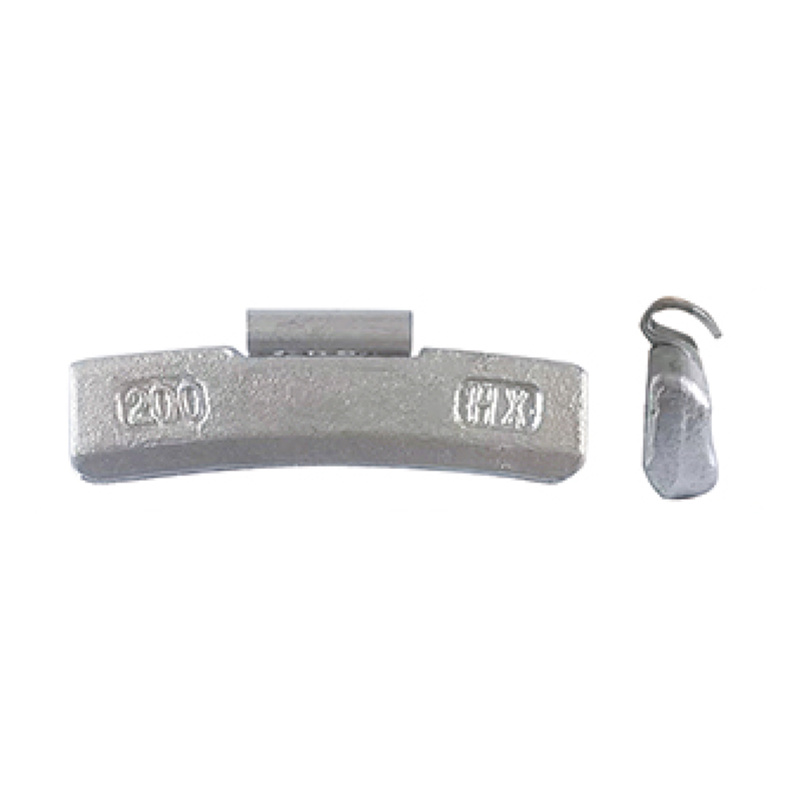
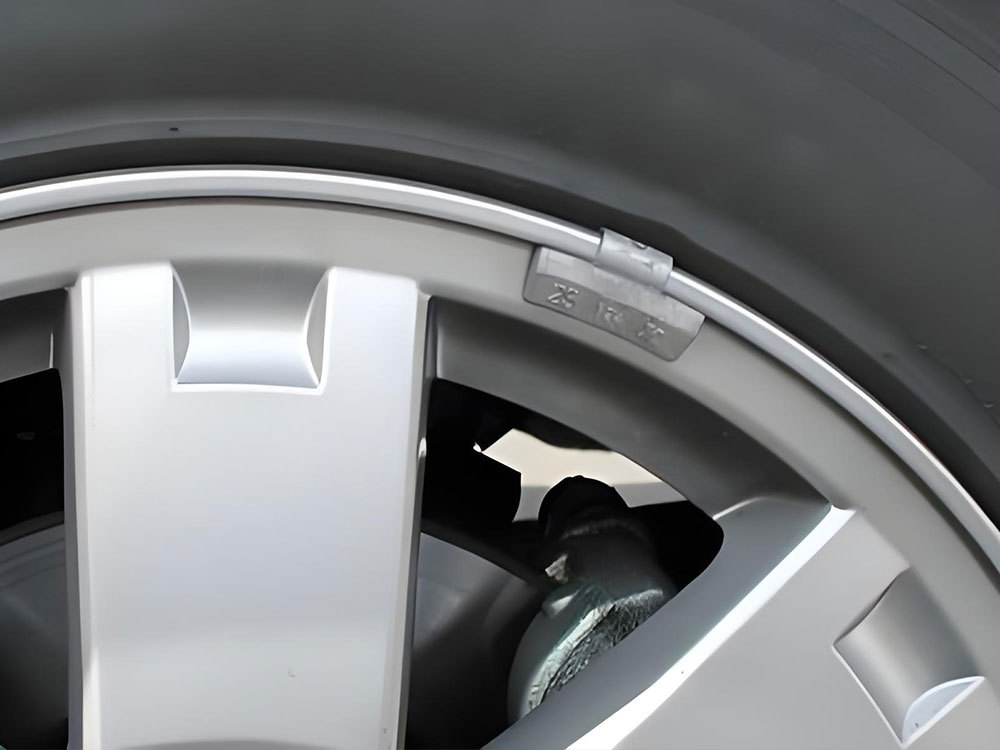
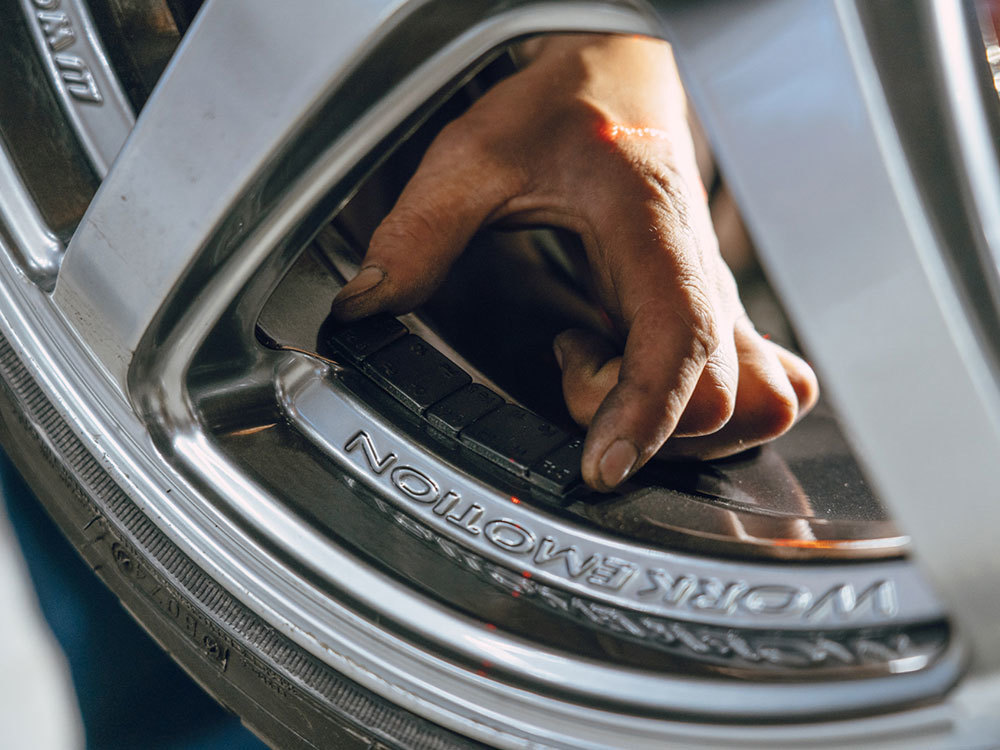
Wheel weights are crucial for counterbalancing the weight of the tire and wheel assembly. They come in various types, including clip-on weights and adhesive weights, allowing flexibility based on the wheel design.
2. Balancing Machine
A wheel balancing machine is an indispensable tool that accurately identifies unbalanced wheels. This machine uses advanced technology to measure the weight distribution and guides you on where to place the weights.
3. Tire Pressure Gauge
Maintaining the correct tire pressure is vital to ensure that wheel balancing is effective. A tire pressure gauge helps monitor the air pressure, preventing imbalance due to under or over-inflated tires.
4. Torque Wrench
Using a torque wrench ensures that lug nuts are tightened to the manufacturer's specifications. This is important for maintaining wheel position and preventing any imbalance caused by loose or overtightened bolts.
5. Balance Tape
Balance tape is a practical solution for adding weight to the wheels. It’s easy to apply and is particularly useful for fine-tuning balance adjustments during the balancing process.
How to Choose the Right Wheel Weights
Selecting the appropriate wheel weights is essential for effective balancing. Here’s how to choose the right ones:
- Consider Wheel Type: Assess whether you have alloy or steel wheels, as this will determine the type of weight needed.
- Weight Specifications: Consult your vehicle manual for the recommended weight specifications for your wheels.
- Weight Material: Choose between lead, zinc, or adhesive weights based on your preference for environmental impact and cost.
Tools for Accurate Wheel Balance Checks
Alongside the accessories mentioned, several tools can enhance the accuracy of your wheel balance checks:
1. Bubble Balancer
A bubble balancer is a simple, low-cost tool that helps determine if a wheel is balanced. It uses a spirit level to indicate imbalances.
2. Digital Balancer
For those seeking precision, a digital balancer provides a more accurate assessment. It displays weight distribution and suggests adjustments.
3. Vibration Analyzer
A vibration analyzer measures vibrations in real-time, providing insights into whether your wheel balancing is effective.
Step-by-Step Guide to Wheel Weight Balancing
Here’s a detailed guide to help you balance your wheels effectively:
Step 1: Remove the Wheel
Start by safely lifting the vehicle using a jack and removing the wheel. Make sure to follow safety protocols during this process.
Step 2: Inspect the Wheel and Tire
Check for any visible damage or uneven wear on the tire and wheel. This will help identify any issues that may affect balance.
Step 3: Mount the Wheel on the Balancing Machine
Place the wheel securely on the balancing machine to begin the balancing process.
Step 4: Spin the Wheel
Activate the balancing machine to spin the wheel. The machine will analyze the weight distribution and identify any imbalances.
Step 5: Add Weights
Based on the machine's readings, attach the necessary wheel weights to the appropriate locations on the wheel. You may need to adjust and retest until optimal balance is achieved.
Step 6: Recheck and Finalize
After adding weights, spin the wheel again to ensure it is now balanced. If further adjustments are needed, repeat the process.
Frequently Asked Questions about Wheel Balance
1. How often should I balance my wheels?
It is recommended to balance your wheels every 5,000 to 10,000 miles or whenever you notice signs of imbalance.
2. Can I balance my wheels at home?
Yes, with the right tools and knowledge, you can balance your wheels at home. However, for precision, using a professional service is advisable.
3. What happens if I don’t balance my wheels?
Ignoring wheel balance can lead to uneven tire wear, reduced fuel efficiency, and potentially dangerous driving conditions due to loss of control.
4. Are there different types of wheel weights?
Yes, there are clip-on, adhesive, and balancing tape weights, each suited for different wheel types and balancing needs.
5. Can I reuse wheel weights?
In most cases, wheel weights can be reused if they are not damaged. Ensure they are clean and properly secured during reattachment.
Conclusion
Mastering wheel weight balancing is essential for maintaining your vehicle's performance, safety, and longevity. By understanding the importance of wheel balance and utilizing the right accessories, you can ensure a smooth and efficient driving experience. Regular checks and the right tools can save you from costly repairs and enhance your vehicle’s overall functionality. Prioritize wheel balance to enjoy a safer and more economical ride!
TAG:
Related Posts

Global automotive wheel balance block industry

Contact Us
Sales Business:
Tel: +86-311-85939575 / +86-13673130619
Phone: +86-13933004411 (Manager Huang)
Email: wheelweights@hxphk.com
Contact Factory:
Tel: +86-317-4452233
Tel: +86-317-4452855
Email: hxphkc@126.com
What We Offer
Hebei Pan Asian Wheel weights Co.,Ltd. is an automobile wheel balance weights production enterprise that integrates scientific research, production, and sales.