The Essential Guide to Zinc Hot-Forge Balance Blocks in Automotive Drive Systems
2025-09-09


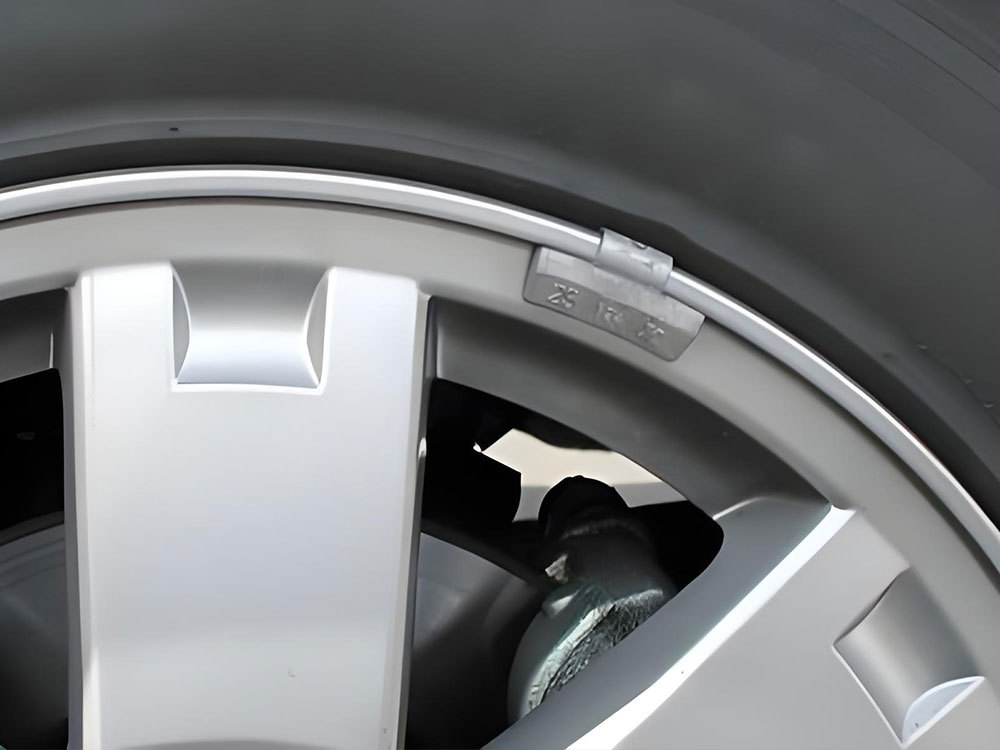
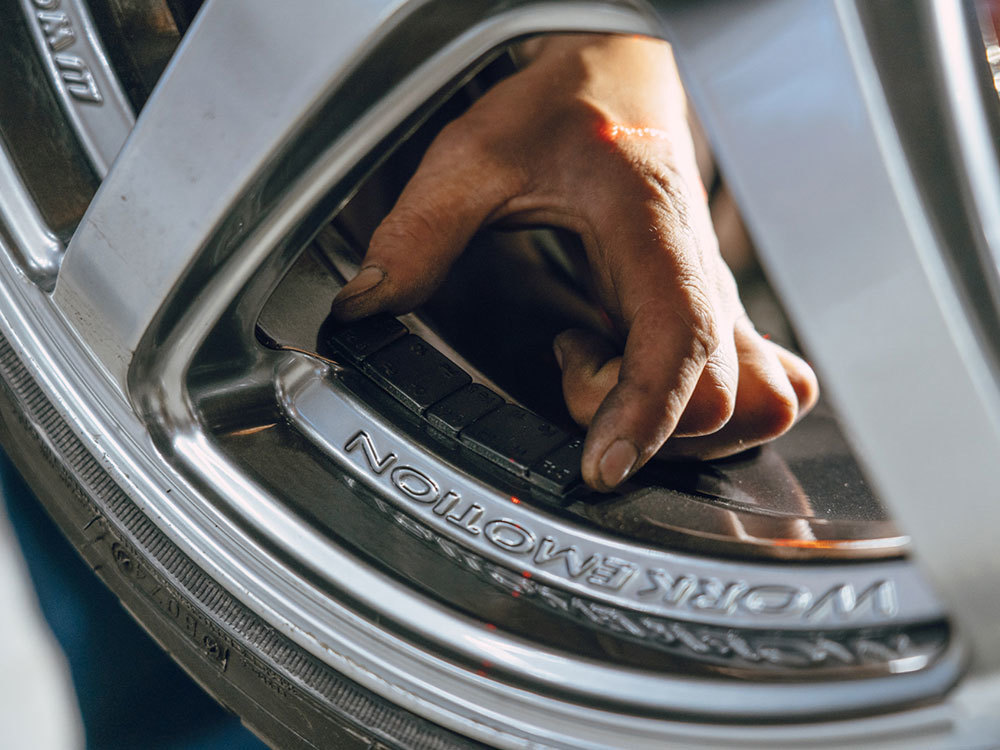
Zinc hot-forge balance blocks are integral components in the automotive drive system, designed to maintain equilibrium within rotating assemblies. These blocks play a vital role in minimizing vibrations and enhancing the overall performance of vehicles, making them a focal point for manufacturers and engineers.
**Materials and Manufacturing Process**
Zinc is chosen for its favorable properties,
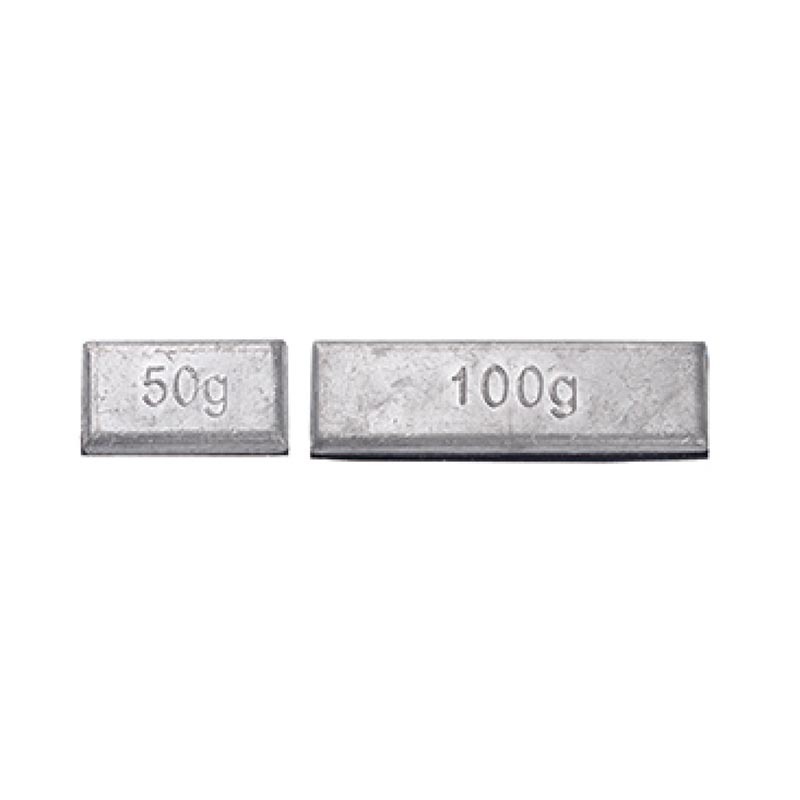
Zinc hot-forge balance blocks are integral components in the automotive drive system, designed to maintain equilibrium within rotating assemblies. These blocks play a vital role in minimizing vibrations and enhancing the overall performance of vehicles, making them a focal point for manufacturers and engineers.
**Materials and Manufacturing Process**
Zinc is chosen for its favorable properties, including its lightweight nature, corrosion resistance, and excellent strength-to-weight ratio. The hot-forging process involves heating zinc to a malleable state, allowing it to be shaped under pressure. This method ensures that the balance blocks achieve superior density and integrity, which are critical for their performance in high-stress environments. The hot-forge technique also contributes to the uniformity of the material, reducing the likelihood of defects that could lead to imbalances in the drive system.
**Applications in Automotive Systems**
Balance blocks are primarily used in various automotive applications, including wheels, driveshafts, and crankshafts. In wheels, they assist in achieving perfect alignment, which is essential for smooth handling and tire wear reduction. In driveshafts, these blocks help to counteract imbalances created by the engine's rotational forces, providing a smoother ride for passengers. Moreover, in crankshafts, zinc hot-forge balance blocks aid in stabilizing the engine, ensuring optimal performance and longevity.
**Advantages of Zinc Hot-Forge Balance Blocks**
One of the significant advantages of using zinc hot-forge balance blocks is their ability to enhance vehicle safety. By reducing vibrations, these components help to prevent undue stress on other vehicle parts, which can lead to premature failure and costly repairs. Additionally, their lightweight properties contribute to improved fuel efficiency, which is increasingly important in today's eco-conscious automotive market.
Furthermore, the corrosion-resistant nature of zinc extends the lifespan of the balance blocks, ensuring that they maintain their effectiveness over time. This durability means that manufacturers can rely on these components for consistent performance, leading to increased customer satisfaction and trust in the brand.
**Conclusion**
In summary, zinc hot-forge balance blocks represent a critical component in the automotive drive system, offering numerous advantages in terms of performance, safety, and durability. Understanding their role and benefits can help automotive professionals make informed decisions in design and manufacturing processes, ultimately contributing to the production of higher-quality vehicles. As the automotive industry continues to evolve, the importance of reliable and effective components such as these cannot be overstated.
**Materials and Manufacturing Process**
Zinc is chosen for its favorable properties, including its lightweight nature, corrosion resistance, and excellent strength-to-weight ratio. The hot-forging process involves heating zinc to a malleable state, allowing it to be shaped under pressure. This method ensures that the balance blocks achieve superior density and integrity, which are critical for their performance in high-stress environments. The hot-forge technique also contributes to the uniformity of the material, reducing the likelihood of defects that could lead to imbalances in the drive system.
**Applications in Automotive Systems**
Balance blocks are primarily used in various automotive applications, including wheels, driveshafts, and crankshafts. In wheels, they assist in achieving perfect alignment, which is essential for smooth handling and tire wear reduction. In driveshafts, these blocks help to counteract imbalances created by the engine's rotational forces, providing a smoother ride for passengers. Moreover, in crankshafts, zinc hot-forge balance blocks aid in stabilizing the engine, ensuring optimal performance and longevity.
**Advantages of Zinc Hot-Forge Balance Blocks**
One of the significant advantages of using zinc hot-forge balance blocks is their ability to enhance vehicle safety. By reducing vibrations, these components help to prevent undue stress on other vehicle parts, which can lead to premature failure and costly repairs. Additionally, their lightweight properties contribute to improved fuel efficiency, which is increasingly important in today's eco-conscious automotive market.
Furthermore, the corrosion-resistant nature of zinc extends the lifespan of the balance blocks, ensuring that they maintain their effectiveness over time. This durability means that manufacturers can rely on these components for consistent performance, leading to increased customer satisfaction and trust in the brand.
**Conclusion**
In summary, zinc hot-forge balance blocks represent a critical component in the automotive drive system, offering numerous advantages in terms of performance, safety, and durability. Understanding their role and benefits can help automotive professionals make informed decisions in design and manufacturing processes, ultimately contributing to the production of higher-quality vehicles. As the automotive industry continues to evolve, the importance of reliable and effective components such as these cannot be overstated.
Related Posts
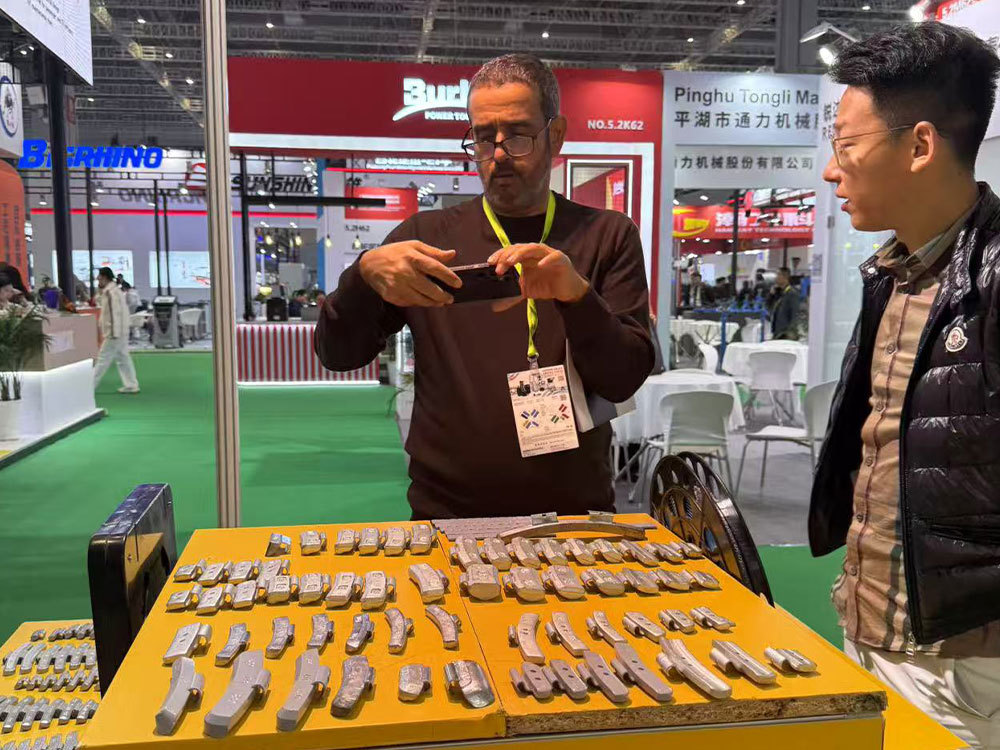
Global automotive wheel balance block industry
The global market size of automotive wheel balance weights in 2024 is approximately 4.92 billion yuan. It is expected to maintain a steady growth trend in the future
Contact Us
Sales Business:
Tel: +86-311-85939575 / +86-13673130619
Phone: +86-13933004411 (Manager Huang)
Email: wheelweights@hxphk.com
Contact Factory:
Tel: +86-317-4452233
Tel: +86-317-4452855
Email: hxphkc@126.com
What We Offer
Hebei Pan Asian Wheel weights Co.,Ltd. is an automobile wheel balance weights production enterprise that integrates scientific research, production, and sales.