
Lead Adhesive Wheel Weights: A Smart Choice for Mini Bus Maintenance
2025-09-10


Lead Adhesive Wheel Weights: A Smart Choice for Mini Bus Maintenance
Introduction to Lead Adhesive Wheel Weights
In the world of vehicle maintenance, particularly for mini buses, **wheel balancing** plays a crucial role in ensuring safety and performance. Among the various options available, **lead adhesive wheel weights** stand out as a favored choice. This article delves into the reasons behind
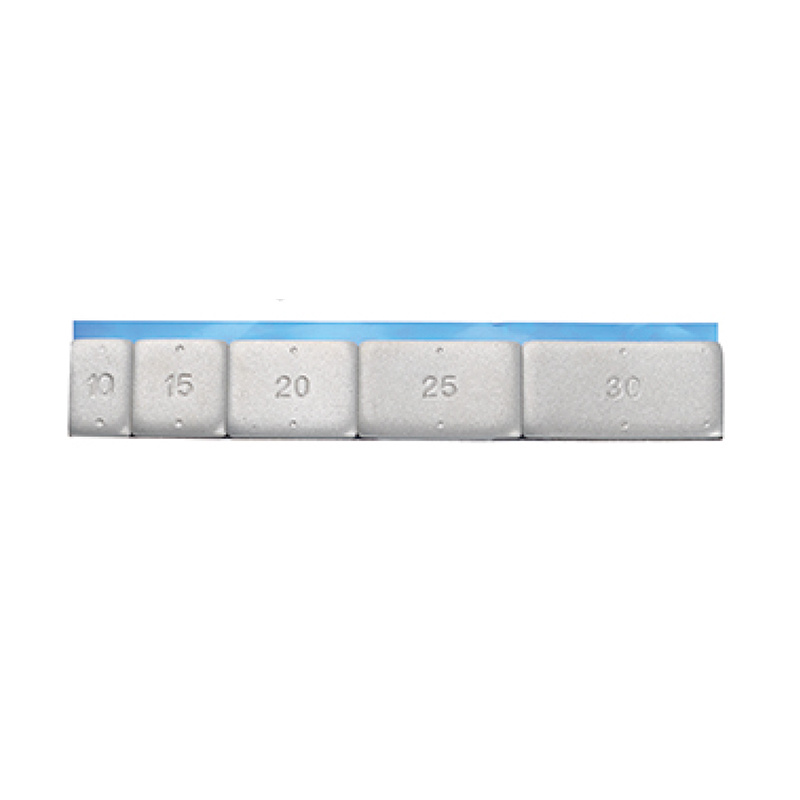
Lead Adhesive Wheel Weights: A Smart Choice for Mini Bus Maintenance
Introduction to Lead Adhesive Wheel Weights
In the world of vehicle maintenance, particularly for mini buses, **wheel balancing** plays a crucial role in ensuring safety and performance. Among the various options available, **lead adhesive wheel weights** stand out as a favored choice. This article delves into the reasons behind their popularity, the benefits they offer, and essential considerations for their use.
Understanding Wheel Weights and Their Importance
Wheel weights are essential components in vehicle maintenance, as they help balance the wheels, ensuring smooth operation. Properly balanced wheels lead to several benefits, including:
- **Improved safety:** Unbalanced wheels can cause handling issues and increase the risk of accidents.
- **Enhanced performance:** Balanced wheels ensure optimal performance, enhancing fuel efficiency and ride quality.
- **Extended tire life:** Reducing uneven wear and tear on tires can significantly prolong their lifespan.
What Are Lead Adhesive Wheel Weights?
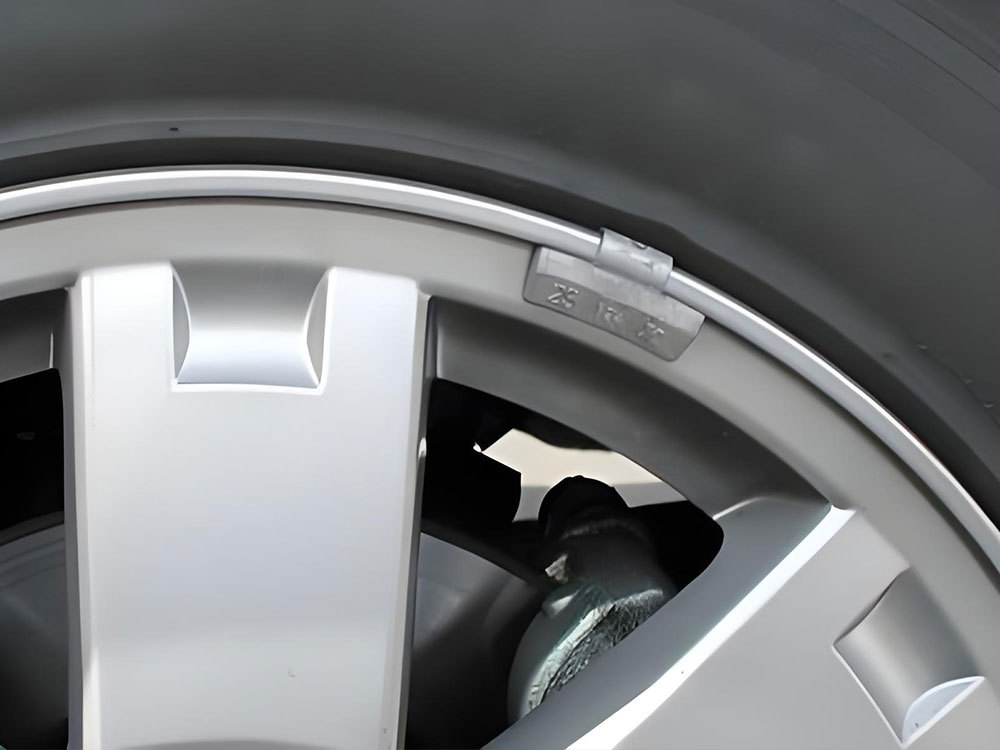
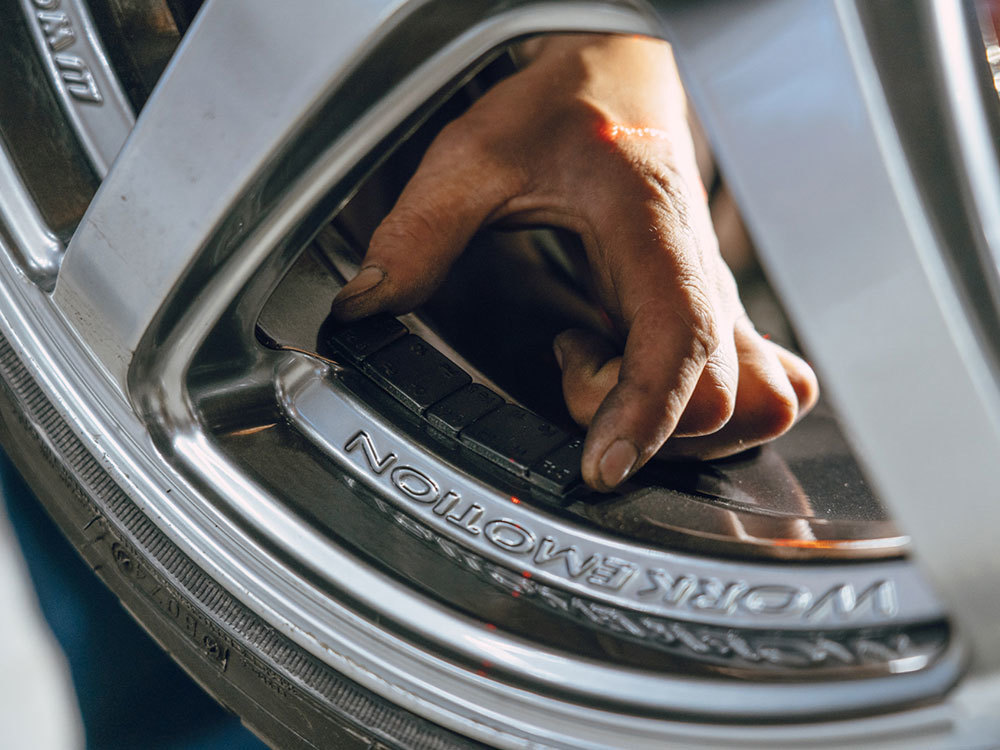
Lead adhesive wheel weights are small strips of lead that adhere to the inside or outside of a wheel. These weights help counterbalance any imbalances in the wheel and tire assembly. Unlike traditional clip-on weights, adhesive weights have the advantage of being less obtrusive and easier to apply.
Benefits of Using Lead Adhesive Wheel Weights for Mini Buses
Choosing lead adhesive wheel weights for mini bus maintenance offers several advantages:
1. Superior Weight Distribution
Lead offers a high density, allowing for **efficient weight distribution** in a compact form. This feature is particularly beneficial for mini buses, where wheel space is often limited.
2. Easy Installation Process
Installing lead adhesive weights is straightforward. The adhesive backing allows for quick application and adjustment, reducing downtime during maintenance.
3. Durable and Long-Lasting
Lead is a durable material that withstands various environmental conditions. Properly applied adhesive weights can last through multiple tire rotations, ensuring consistent performance.
4. Enhanced Aesthetics
Adhesive wheel weights are less visible compared to traditional clip-on weights. This aesthetic advantage is particularly relevant for mini buses, which often serve as passenger vehicles.
5. Cost-Effective Maintenance Solution
Investing in lead adhesive wheel weights can be a cost-effective choice, as they contribute to better fuel efficiency and reduced tire wear, ultimately saving money on maintenance costs.
How to Properly Install Lead Adhesive Wheel Weights
To maximize the benefits of lead adhesive wheel weights, proper installation is crucial. Here’s a step-by-step guide to ensuring a successful application.
Step 1: Gather Necessary Tools
Before starting the installation, gather the following tools:
- Lead adhesive wheel weights
- Cleaning solvent (to remove dirt and grease)
- Rags or towels
- Adhesive remover (if necessary)
- Wheel balancing machine (optional for accuracy)
Step 2: Clean the Wheel Surface
Ensure the area where the weights will be applied is clean. Use a cleaning solvent to remove any dirt, grease, or old adhesive. Allow the surface to dry completely.
Step 3: Measure and Cut the Weights
Determine the appropriate amount of weight needed for balancing. Cut the lead adhesive weights into the desired lengths, taking care to measure accurately.
Step 4: Apply the Adhesive Weights
Peel off the backing of the adhesive and carefully press the weight onto the wheel's inner or outer surface, depending on the desired balance. Apply firm pressure to ensure a strong bond.
Step 5: Test for Balance
If possible, place the wheel on a balancing machine to ensure proper balance. Make any necessary adjustments by adding or removing weights as needed.
Safety Considerations When Using Lead Adhesive Wheel Weights
While lead adhesive wheel weights offer many advantages, safety considerations are paramount. Here are essential points to keep in mind:
Proper Handling and Storage
When handling lead adhesive weights, ensure proper gloves are worn to avoid skin contact. Store them in a cool, dry place away from direct sunlight.
Disposal of Used Weights
When it comes time to replace weights, proper disposal is crucial. Follow local regulations for the disposal of lead materials to minimize environmental impact.
Potential Health Risks
Lead can pose health risks if ingested or inhaled in significant quantities. Take care to minimize dust during installation and avoid using lead weights in areas where children play.
Comparative Analysis: Lead vs. Alternative Wheel Weights
When considering wheel weights for mini buses, it’s essential to compare lead adhesive weights with alternative options, such as zinc or steel.
Lead vs. Zinc Wheel Weights
Zinc weights are often considered a more environmentally friendly alternative to lead. However, they are typically larger and may not provide the same compact weight distribution benefits that lead offers.
Lead vs. Steel Wheel Weights
Steel weights are more robust and less expensive than lead. However, they can be more visible and less aesthetically pleasing, making them less ideal for passenger vehicles like mini buses.
Cost Analysis: Investing in Lead Adhesive Wheel Weights
Understanding the cost implications of using lead adhesive wheel weights is essential for budget planning.
Initial Investment
The upfront cost of lead adhesive wheel weights may vary based on weight size and brand. However, their durability often justifies the initial investment.
Long-Term Savings
Investing in high-quality lead adhesive weights can lead to significant long-term savings. By reducing tire wear and enhancing fuel efficiency, mini bus operators can see a considerable return on investment over time.
Frequently Asked Questions (FAQs)
1. Are lead adhesive wheel weights legal to use?
Yes, lead adhesive wheel weights are legal; however, certain regulations may apply in specific regions. Always check local laws for compliance.
2. How often should I check my wheel weights?
It’s advisable to check your wheel weights during regular maintenance intervals or if you notice vibration when driving.
3. Can I reuse lead adhesive wheel weights?
Reusing weights is not recommended, as the adhesive bond may weaken over time. It’s best to use new weights for optimal performance.
4. What are the signs of unbalanced wheels?
Common signs include vibrations while driving, uneven tire wear, and a pulling sensation to one side.
5. How do I know how much weight to add?
Using a wheel balancing machine can provide precise measurements for the amount of weight needed to achieve balance.
Conclusion
In summary, lead adhesive wheel weights present a smart choice for mini bus maintenance. Their superior weight distribution, ease of installation, and durability make them a preferred option in the industry. By carefully considering safety and environmental aspects, mini bus operators can enjoy the numerous benefits these weights offer, ultimately leading to enhanced vehicle performance, improved safety, and cost-effective maintenance. Investing in lead adhesive wheel weights is not only a practical decision but also a smart step towards maintaining the longevity and efficiency of mini buses.
Related Posts
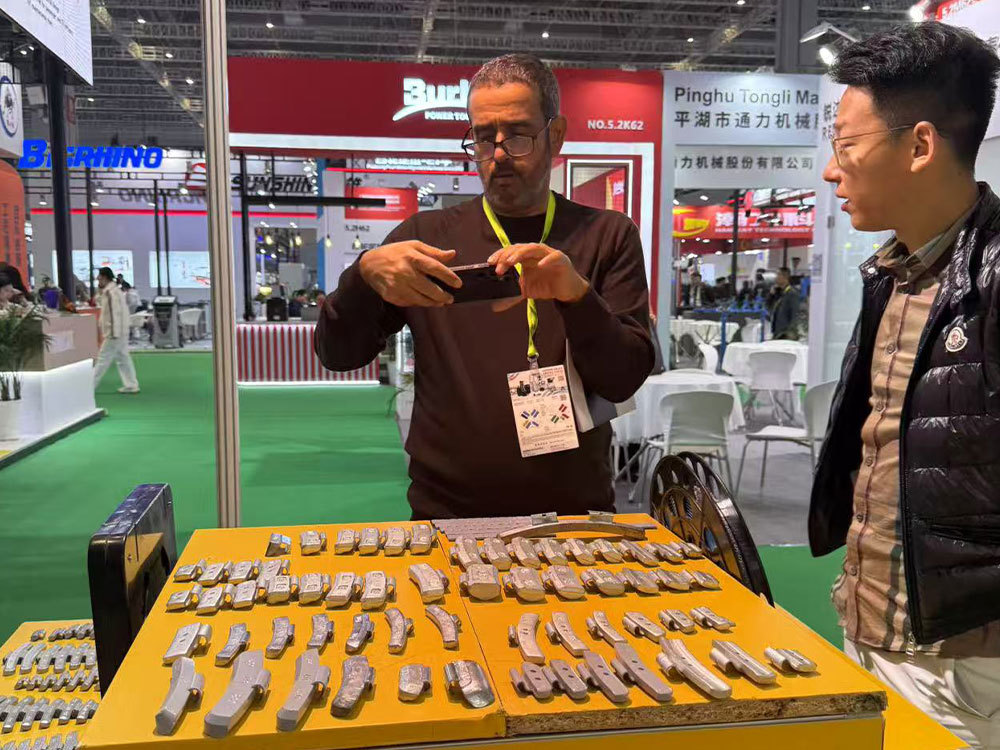
Global automotive wheel balance block industry
The global market size of automotive wheel balance weights in 2024 is approximately 4.92 billion yuan. It is expected to maintain a steady growth trend in the future
Contact Us
Sales Business:
Tel: +86-311-85939575 / +86-13673130619
Phone: +86-13933004411 (Manager Huang)
Email: wheelweights@hxphk.com
Contact Factory:
Tel: +86-317-4452233
Tel: +86-317-4452855
Email: hxphkc@126.com
What We Offer
Hebei Pan Asian Wheel weights Co.,Ltd. is an automobile wheel balance weights production enterprise that integrates scientific research, production, and sales.