
The Role of Zinc in Enhancing Aluminum Rim Performance: Unleashing the Power of Alloying
2025-09-08


The Role of Zinc in Enhancing Aluminum Rim Performance
Understanding Aluminum Rims and Their Importance in Automotive Engineering
Aluminum rims play a pivotal role in modern vehicles, contributing not only to aesthetics but also to performance. They are lighter than their steel counterparts, improving fuel efficiency and handling. However, the performance of aluminum rims can be significantly en
The Role of Zinc in Enhancing Aluminum Rim Performance
Understanding Aluminum Rims and Their Importance in Automotive Engineering
Aluminum rims play a pivotal role in modern vehicles, contributing not only to aesthetics but also to performance. They are lighter than their steel counterparts, improving fuel efficiency and handling. However, the performance of aluminum rims can be significantly enhanced through the incorporation of various alloying elements, with zinc being a standout choice.
What Makes Aluminum Alloys Ideal for Rims?
Aluminum alloys are preferred in the automotive industry for several reasons:
- **Lightweight Nature**: Reducing vehicle weight leads to better fuel economy.
- **Corrosion Resistance**: Aluminum naturally forms a protective oxide layer, preventing rust.
- **Malleability**: Easy to shape and form into complex designs.
- **Thermal Conductivity**: Efficient heat dissipation, crucial for brake performance.
The Science Behind Zinc as an Alloying Element
Zinc is often used in aluminum alloy production due to its unique properties. When alloyed with aluminum, zinc enhances several characteristics:
- **Strength**: Zinc increases the tensile and yield strength of aluminum alloys.
- **Corrosion Resistance**: It improves the overall corrosion resistance, particularly against galvanic corrosion.
- **Ductility**: Zinc maintains the ductility of aluminum, allowing for better formability.
How Zinc Enhances the Mechanical Properties of Aluminum Rims
Incorporating zinc into aluminum alloys results in superior mechanical properties essential for rim performance:
- **Increased Yield Strength**: Zinc helps in achieving higher strength levels, essential for handling loads and impacts.
- **Improved Fatigue Resistance**: The presence of zinc enhances the fatigue life of rims, making them more durable over time.
- **Optimized Hardness**: Zinc contributes to the hardness of aluminum alloys, providing a balance between strength and ductility.
Applications of Zinc-Enhanced Aluminum Alloys in Rim Manufacturing
Zinc-enhanced aluminum alloys are utilized in various rim manufacturing processes:
Casting Techniques
Casting is a prevalent method in rim manufacturing. Zinc’s properties facilitate the creation of complex rim designs through techniques like die casting and gravity casting, allowing for intricate designs and reduced production costs.
Forging Processes
Forged aluminum rims benefit significantly from zinc. The increased strength and ductility allow for more robust rims capable of withstanding high performance and extreme conditions.
Benefits of Forged Zinc-Aluminum Alloys
- **Higher strength-to-weight ratio**: Ideal for performance vehicles.
- **Enhanced impact resistance**: Reduces the risk of rim damage during aggressive driving.
Environmental Considerations and Zinc Recycling
The automotive industry is increasingly focused on sustainability. Zinc can be recycled without loss of properties, making it an environmentally friendly choice for aluminum alloy production. The recycling process reduces waste and conserves natural resources, aligning with global sustainability goals.
Comparative Analysis: Zinc vs. Other Alloying Elements
While zinc is crucial, other alloying elements like magnesium, copper, and silicon are also used in aluminum alloys. Here’s how zinc compares:
- **Magnesium**: Enhances corrosion resistance but may reduce ductility.
- **Copper**: Increases strength but can lead to corrosion issues in certain environments.
- **Silicon**: Improves fluidity in casting but does not significantly enhance strength.
Choosing the Right Zinc-Aluminum Alloy for Your Needs
When selecting aluminum rims, consider the specific zinc-aluminum alloy to ensure optimal performance. Key factors include:
- **Vehicle Type**: Different alloys may be suited for various vehicles, from everyday cars to high-performance sports models.
- **Driving Conditions**: Evaluate environmental factors such as humidity, temperature, and road conditions that can affect alloy performance.
- **Performance Requirements**: Determine the necessary balance between weight, strength, and corrosion resistance for your specific needs.
Expert Recommendations for Vehicle Owners
To maximize the advantages of zinc-enhanced aluminum rims, vehicle owners should:
1. **Regular Maintenance**: Keep rims clean and free from debris to prevent corrosion.
2. **Check Tire Pressure**: Proper tire inflation can reduce stress on rims.
3. **Professional Installation**: Ensure that rims are installed correctly to avoid structural issues.
Future Trends in Zinc-Aluminum Alloy Development
As technology advances, the development of zinc-aluminum alloys continues to evolve. Future trends may include:
- **Nanotechnology**: The integration of nanomaterials to enhance properties further.
- **3D Printing**: Utilizing zinc-aluminum alloys in additive manufacturing for custom rim designs.
Frequently Asked Questions (FAQs)
1. Why is zinc used in aluminum rim manufacturing?
Zinc is used because it enhances strength, corrosion resistance, and ductility, making aluminum rims more durable and efficient.
2. How does zinc improve the corrosion resistance of aluminum rims?
Zinc provides a protective layer that prevents galvanic corrosion, extending the lifespan of the rims in harsh environments.
3. What are the benefits of using zinc-enhanced aluminum rims in high-performance vehicles?
These rims offer improved strength, reduced weight, and greater fatigue resistance, which are crucial for high-speed and performance-oriented driving.
4. Can zinc-aluminum alloys be recycled?
Yes, zinc-aluminum alloys can be recycled without losing their properties, making them a sustainable choice for rim manufacturing.
5. What factors should I consider when choosing aluminum rims for my vehicle?
Consider the type of vehicle, driving conditions, performance requirements, and the specific zinc-aluminum alloy that best meets your needs.
Conclusion
The role of zinc in enhancing aluminum rim performance cannot be overstated. By understanding its benefits, applications, and the future of zinc-aluminum alloys, vehicle manufacturers and owners can make informed decisions that lead to improved safety, performance, and sustainability. As the automotive industry continues to innovate, the integration of zinc into aluminum alloys will remain a critical factor in achieving optimal rim performance, ensuring that vehicles not only look good but also perform at their best on the road.
TAG:
Related Posts
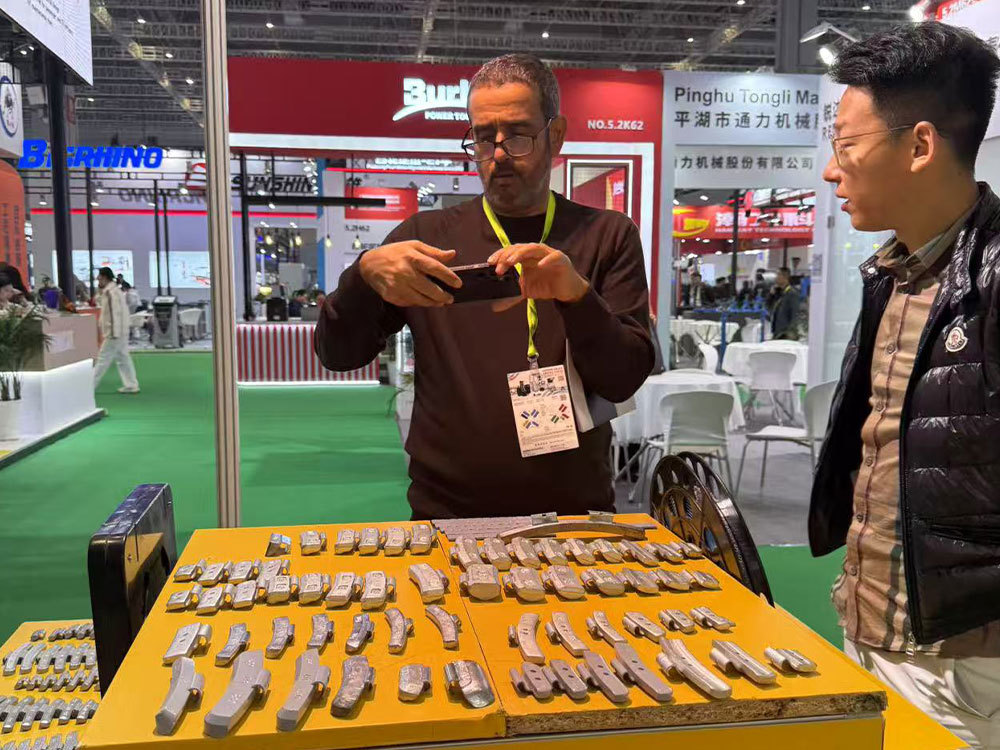
Global automotive wheel balance block industry
The global market size of automotive wheel balance weights in 2024 is approximately 4.92 billion yuan. It is expected to maintain a steady growth trend in the future

Contact Us
Sales Business:
Tel: +86-311-85939575 / +86-13673130619
Phone: +86-13933004411 (Manager Huang)
Email: wheelweights@hxphk.com
Contact Factory:
Tel: +86-317-4452233
Tel: +86-317-4452855
Email: hxphkc@126.com
What We Offer
Hebei Pan Asian Wheel weights Co.,Ltd. is an automobile wheel balance weights production enterprise that integrates scientific research, production, and sales.