
The Science Behind Steel Adhesive Wheel Weights for Truck Balance
2026-07-22


The Science Behind Steel Adhesive Wheel Weights for Truck Balance
Table of Contents
1. Introduction to Wheel Balancing
2. Importance of Proper Truck Balance
3. Types of Wheel Weights: Steel vs. Lead
4. Understanding Adhesive Technology in Wheel Weights
5. Benefits of Using Steel Adhesive Wheel Weights
6. How to Install Steel Adhesive Wheel Weights
7. Maintenance Tips f
The Science Behind Steel Adhesive Wheel Weights for Truck Balance
Table of Contents
- 1. Introduction to Wheel Balancing
- 2. Importance of Proper Truck Balance
- 3. Types of Wheel Weights: Steel vs. Lead
- 4. Understanding Adhesive Technology in Wheel Weights
- 5. Benefits of Using Steel Adhesive Wheel Weights
- 6. How to Install Steel Adhesive Wheel Weights
- 7. Maintenance Tips for Long-lasting Performance
- 8. Environmental Impact of Steel Wheel Weights
- 9. Conclusion
- 10. Frequently Asked Questions
1. Introduction to Wheel Balancing
Balancing truck wheels is a fundamental aspect of vehicle maintenance that directly affects safety, performance, and comfort. When a truck operates with unbalanced wheels, it can lead to uneven tire wear and compromised handling. Steel adhesive wheel weights have emerged as an effective solution to this problem, providing precise balancing for a smoother ride.
2. Importance of Proper Truck Balance
Ensuring proper truck balance is crucial for several reasons:
2.1 Enhancing Safety
An unbalanced truck can cause handling issues, increasing the risk of accidents. By achieving an even distribution of weight across all wheels, drivers maintain better control.
2.2 Extending Tire Life
Proper balance minimizes excessive wear on tires. When weight is unevenly distributed, certain tires can wear out faster than others, leading to costly replacements.
2.3 Improving Fuel Efficiency
A well-balanced truck operates more efficiently, reducing fuel consumption. Unbalanced wheels create additional drag, which can decrease overall mileage.
3. Types of Wheel Weights: Steel vs. Lead
When considering wheel weights, it’s essential to understand the differences between steel and lead.
3.1 Steel Wheel Weights
Steel wheel weights are known for their durability and effectiveness. They are less prone to corrosion and can withstand harsh environmental conditions, making them ideal for heavy-duty trucking applications.
3.2 Lead Wheel Weights
While lead weights have been used traditionally, they pose environmental concerns due to their toxicity. Many jurisdictions are moving toward banning lead weights, further establishing steel weights as the safer alternative.
4. Understanding Adhesive Technology in Wheel Weights
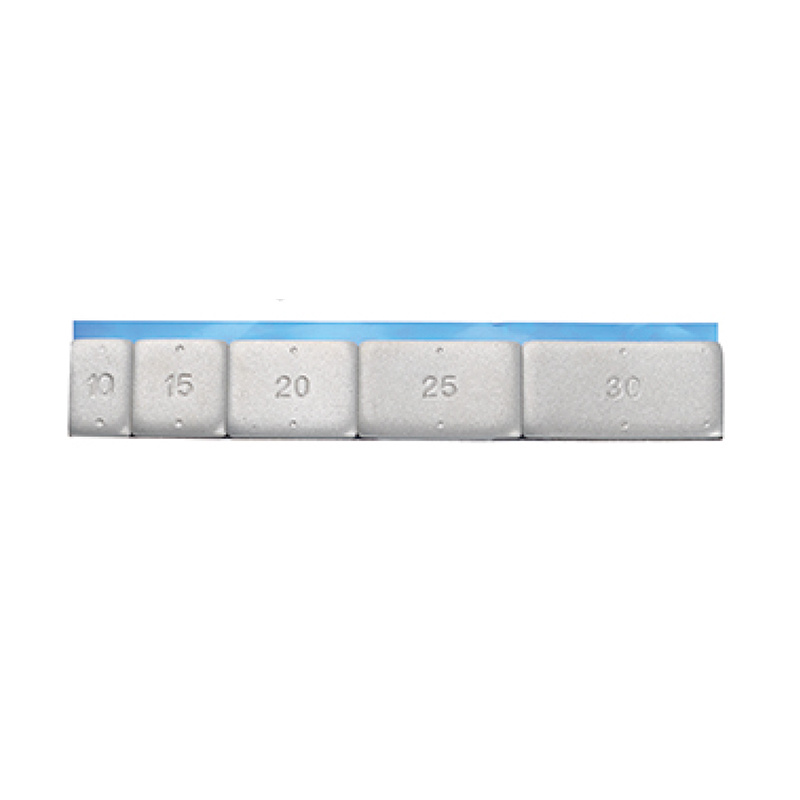
Adhesive technology has transformed the way wheel weights are applied. Steel adhesive weights utilize a robust adhesive backing that ensures a secure fit without the need for mechanical fasteners.
4.1 The Chemistry Behind Adhesives
The adhesives used in these weights are designed to withstand extreme temperatures and pressures. They bond effectively to the wheel surface, ensuring that the weight remains in place even under rigorous driving conditions.
4.2 Types of Adhesives Used
There are various types of adhesives employed, including hot melt, pressure-sensitive, and epoxy adhesives. Each type offers unique benefits, such as ease of application and resistance to environmental factors.
5. Benefits of Using Steel Adhesive Wheel Weights
The application of steel adhesive wheel weights comes with a plethora of advantages:
5.1 Streamlined Installation Process
Steel adhesive weights can be applied quickly and easily, saving time during regular maintenance and tire changes.
5.2 Enhanced Aesthetics
Being less obtrusive than traditional weights, adhesive weights allow for a cleaner wheel appearance, which is particularly important for show trucks and high-end vehicles.
5.3 Resistance to Corrosion
Steel weights with adhesive backing are less susceptible to rust and corrosion, prolonging their lifespan and effectiveness.
6. How to Install Steel Adhesive Wheel Weights
Proper installation is key to maximizing the benefits of steel adhesive wheel weights.
6.1 Preparing the Wheel
Before applying the weight, ensure that the wheel surface is clean and free from debris. Use an appropriate cleaner to remove any grease or dirt.
6.2 Application Process
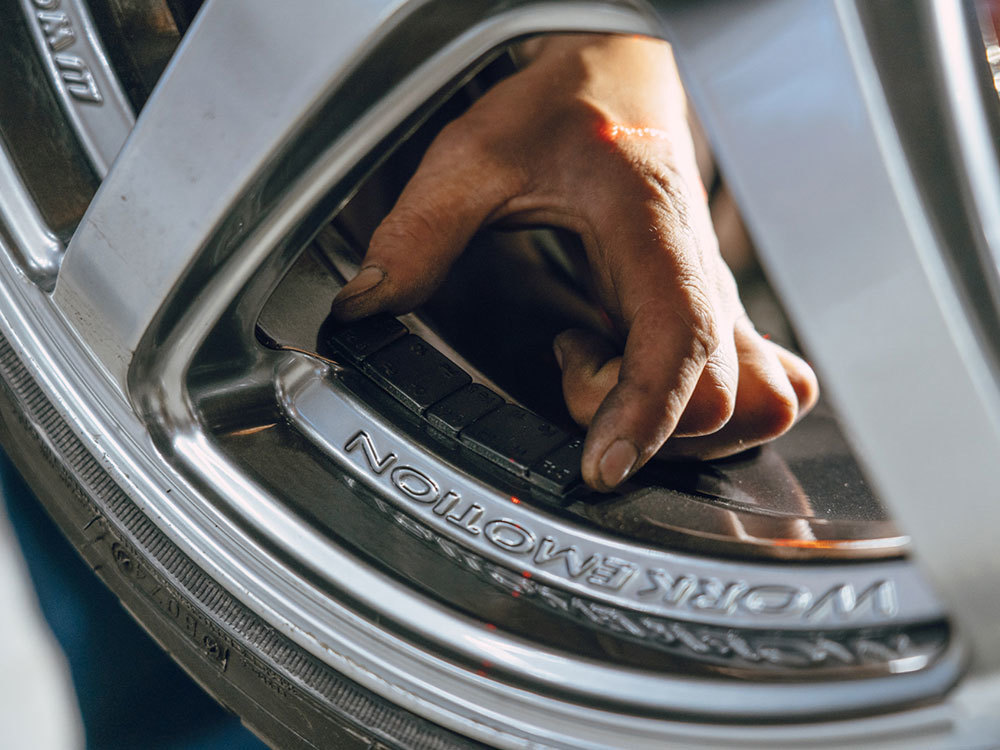
Peel off the protective backing of the adhesive weight and carefully position it on the designated area of the wheel. Press firmly to ensure a strong bond.
6.3 Testing Balance
After installation, it’s essential to test the balance of the wheel. This can be done using a balancing machine, which will confirm whether the weight distribution is even.
7. Maintenance Tips for Long-lasting Performance
To ensure the longevity and effectiveness of steel adhesive wheel weights, consider the following maintenance tips:
7.1 Regular Inspections
Frequently check the weights for any signs of detachment or wear. If any issues are detected, address them immediately to prevent further problems.
7.2 Clean Wheels Regularly
Keeping wheels clean not only enhances appearance but also ensures that the adhesive maintains its grip.
8. Environmental Impact of Steel Wheel Weights
The shift towards steel adhesive wheel weights has significant environmental implications.
8.1 Reducing Toxicity
By eliminating lead from wheel weights, the trucking industry contributes to reducing environmental contamination and safeguarding public health.
8.2 Recyclability of Steel
Steel is one of the most recyclable materials available. Using steel weights helps promote sustainability within the trucking sector.
9. Conclusion
Understanding the science behind steel adhesive wheel weights is essential for any trucking professional. These weights not only enhance safety and performance but also contribute to environmental sustainability. By utilizing steel adhesive weights, truck owners can ensure optimal balance, improve fuel efficiency, and extend tire life, all while maintaining a cleaner aesthetic and reducing harmful waste.
10. Frequently Asked Questions
FAQ 1: What are steel adhesive wheel weights made of?
Steel adhesive wheel weights are primarily made of high-grade steel, designed to ensure durability and resistance to corrosion.
FAQ 2: How do I know if my wheels are out of balance?
Signs of unbalanced wheels include vibration during driving, uneven tire wear, and poor handling.
FAQ 3: Can I install steel adhesive wheel weights myself?
Yes, with proper care and following the installation guidelines, you can install steel adhesive wheel weights yourself.
FAQ 4: How often should I check my wheel balance?
It is advisable to check wheel balance during regular tire rotations or if you notice symptoms of imbalance.
FAQ 5: Are there any environmental regulations regarding wheel weights?
Yes, many regions are instituting regulations to phase out lead wheel weights, making steel adhesive weights a more viable and compliant option.
By leveraging advanced adhesive technology and durable materials, steel adhesive wheel weights provide an effective solution for achieving optimal truck balance, ensuring safety and performance on the road.
TAG:
Related Posts
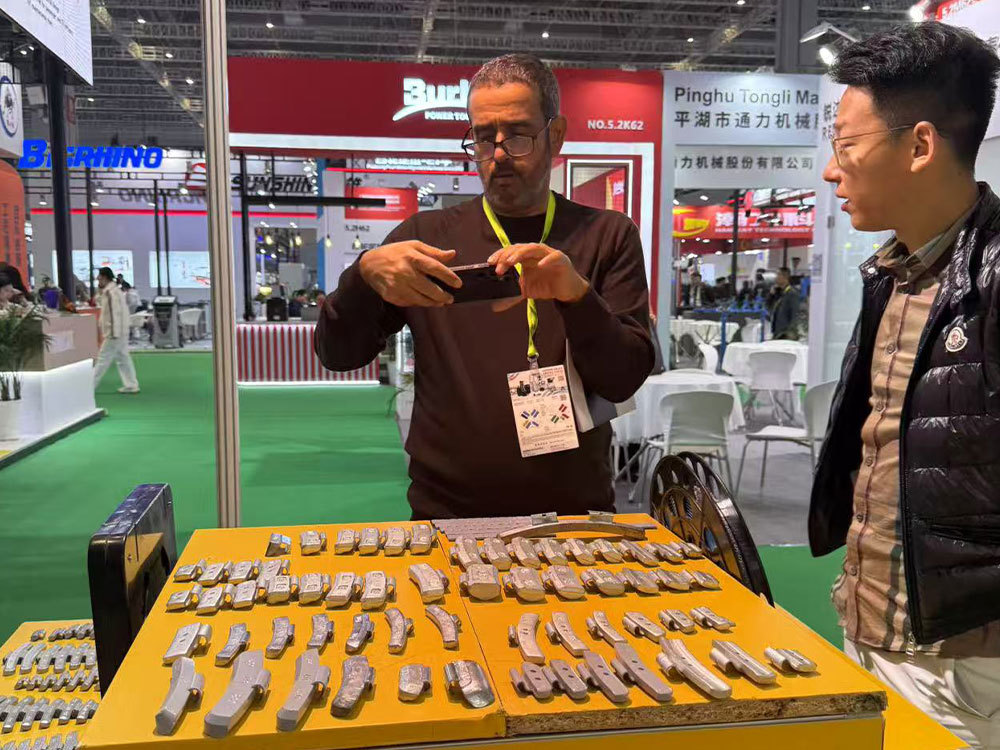
Global automotive wheel balance block industry
The global market size of automotive wheel balance weights in 2024 is approximately 4.92 billion yuan. It is expected to maintain a steady growth trend in the future

Contact Us
Sales Business:
Tel: +86-311-85939575 / +86-13673130619
Phone: +86-13933004411 (Manager Huang)
Email: wheelweights@hxphk.com
Contact Factory:
Tel: +86-317-4452233
Tel: +86-317-4452855
Email: hxphkc@126.com
What We Offer
Hebei Pan Asian Wheel weights Co.,Ltd. is an automobile wheel balance weights production enterprise that integrates scientific research, production, and sales.