
Choosing the Best Lead Clip on Wheel Weights for Your Heavy Vehicle
2026-07-12


Choosing the Best Lead Clip on Wheel Weights for Your Heavy Vehicle
Table of Contents
1. Introduction to Lead Clip on Wheel Weights
2. Importance of Wheel Weights for Heavy Vehicles
3. Types of Lead Clip on Wheel Weights
3.1 Clip-On Wheel Weights
3.2 Adhesive Wheel Weights
4. Criteria for Selecting the Best Lead Clip on Wheel Weights
Choosing the Best Lead Clip on Wheel Weights for Your Heavy Vehicle
Table of Contents
- 1. Introduction to Lead Clip on Wheel Weights
- 2. Importance of Wheel Weights for Heavy Vehicles
- 3. Types of Lead Clip on Wheel Weights
- 4. Criteria for Selecting the Best Lead Clip on Wheel Weights
- 5. Installing Lead Clip on Wheel Weights
- 6. Maintenance Tips for Wheel Weights
- 7. Top Brands for Lead Clip on Wheel Weights
- 8. Frequently Asked Questions
- 9. Conclusion
1. Introduction to Lead Clip on Wheel Weights
In the realm of heavy vehicles, ensuring optimal performance and safety is paramount. One critical component contributing to this is the lead clip on wheel weights. These weights help achieve proper balance, reducing vibrations and enhancing tire longevity. While many vehicle owners may underestimate their importance, selecting the right wheel weights can significantly impact your vehicle's performance.
2. Importance of Wheel Weights for Heavy Vehicles
Wheel weights play a vital role in stabilizing heavy vehicles. Properly balanced wheels lead to improved handling, reduced tire wear, and increased fuel efficiency. In heavy-duty applications, where vehicle loads can exceed standard limits, the necessity for precision in weight distribution becomes even more critical. This section delves deeper into the benefits of using lead clip on wheel weights.
Enhancing Vehicle Safety
Proper weight distribution enhances safety by ensuring that vehicles respond predictably during maneuvers. Unbalanced wheels can lead to excessive wear on suspension components, potential blowouts, and decreased braking efficiency.
Improving Tire Longevity
When wheels are balanced correctly, the tires experience even wear. This prolongs their lifespan, resulting in lower costs over time. For heavy vehicles, where tires are a significant investment, this can lead to substantial savings.
3. Types of Lead Clip on Wheel Weights
There are primarily two types of lead clip on wheel weights used in heavy vehicles: clip-on and adhesive weights. Understanding the distinctions between these types will help in making an informed selection.
3.1 Clip-On Wheel Weights
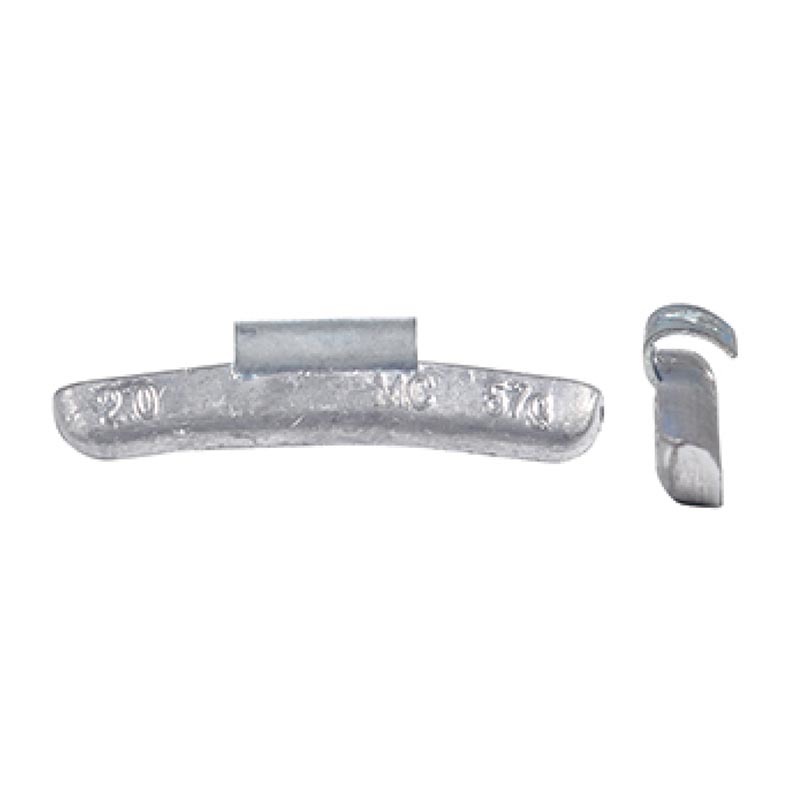
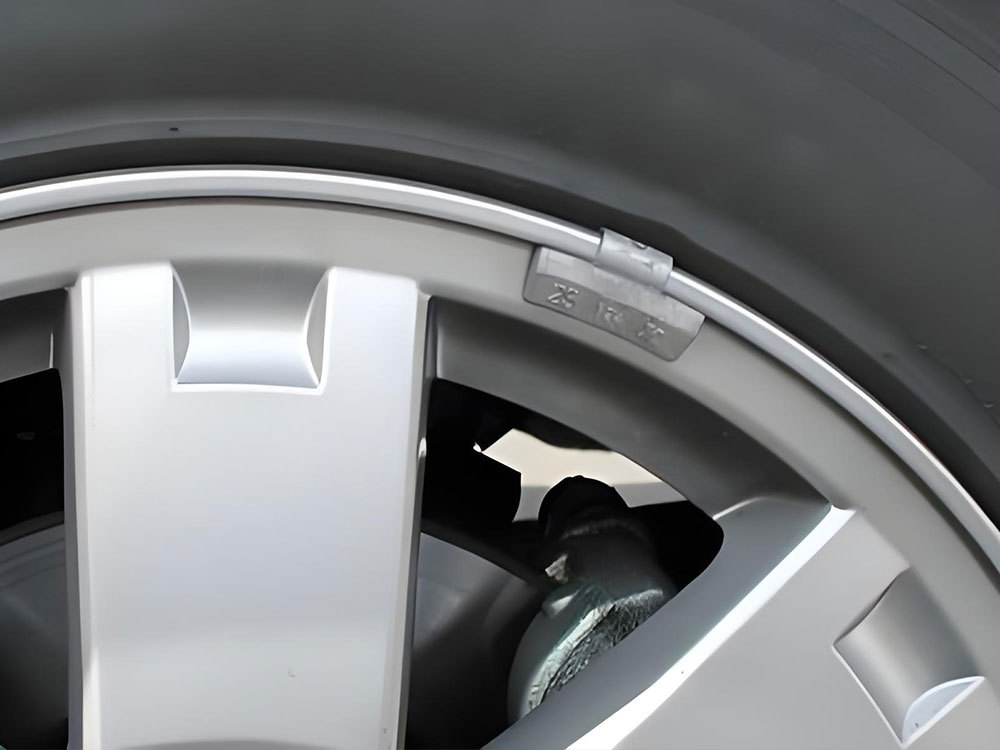
Clip-on weights are designed to attach directly to the rim of the wheel. They offer several advantages, including ease of installation and durability. Typically made from high-quality lead, these weights are effective for achieving precise balance.
3.2 Adhesive Wheel Weights
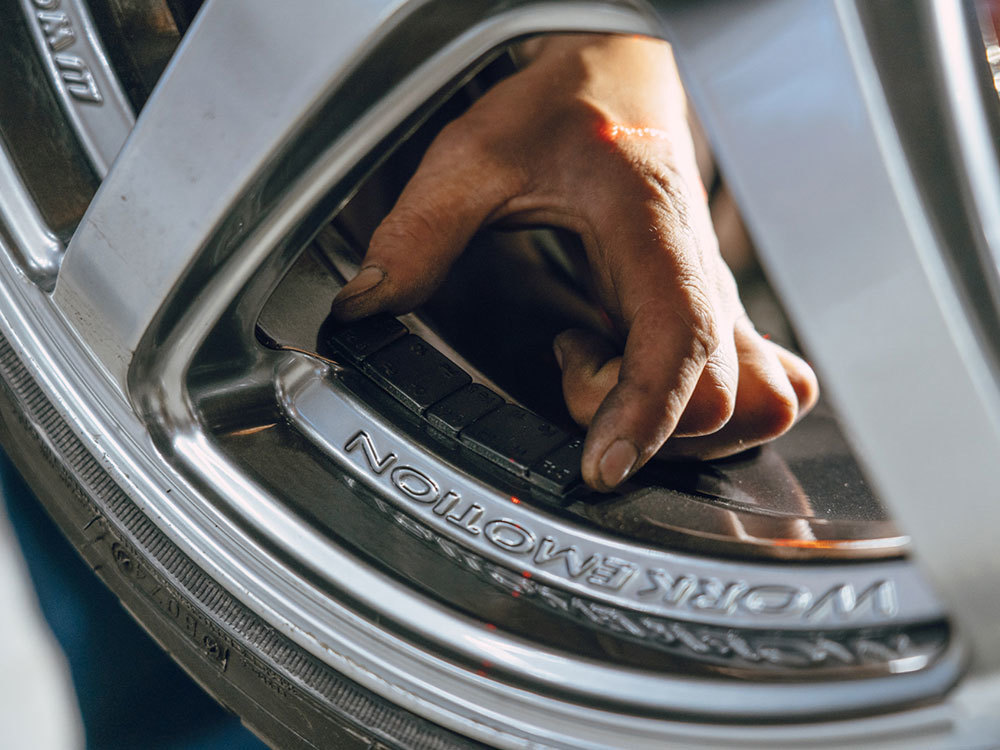
Adhesive weights, on the other hand, stick to the wheel's inner surface. While they may require more precision during installation, they provide a clean look and reduce the risk of damage to the wheel rim. They are generally used in scenarios where aesthetics are important.
4. Criteria for Selecting the Best Lead Clip on Wheel Weights
When it comes to choosing the right lead clip on wheel weights for your heavy vehicle, consider the following criteria to ensure optimal performance.
4.1 Material Quality
The material quality of the wheel weights is crucial. Lead is the standard material used due to its high density, making it effective in small sizes. However, consider alternatives like steel or zinc, especially if environmental concerns are a priority.
4.2 Size and Compatibility
Ensure that the selected weights are compatible with your vehicle's wheel size and type. An improper fit can lead to imbalance and increase the risk of tire damage.
4.3 Ease of Installation
Choose weights that are easy to install. While clip-on types are generally user-friendly, ensure that you have the right tools and that you understand the installation process to avoid complications.
5. Installing Lead Clip on Wheel Weights
Proper installation of lead clip on wheel weights is essential for achieving the desired balance. Here’s a step-by-step guide to assist you in the installation process.
Step 1: Gather Necessary Tools
Before starting, ensure you have all the necessary tools, including a tire balance machine, weights, and a wrench.
Step 2: Remove the Wheel
Begin by safely lifting the vehicle and removing the wheel that requires balancing.
Step 3: Clean the Wheel Surface
Clean the surface of the wheel where the weights will be attached. This ensures a secure bond, especially for adhesive weights.
Step 4: Attach the Weights
For clip-on weights, attach them at the designated points on the rim. For adhesive weights, peel off the backing and firmly press them onto the clean surface.
Step 5: Balance the Wheel
Once the weights are attached, use a tire balance machine to check the balance of the wheel. Adjust the weights as necessary to achieve perfect balance.
6. Maintenance Tips for Wheel Weights
Regular maintenance of your wheel weights can prolong their effectiveness and ensure the safety of your vehicle.
Inspect Regularly
Regularly inspect the weights for any signs of wear or damage. Early detection can prevent further issues.
Keep Wheels Clean
Dirt and debris can affect how well the weights adhere to the wheel. Keep the wheels clean to ensure the best performance.
7. Top Brands for Lead Clip on Wheel Weights
Several brands stand out in the market for quality lead clip on wheel weights. Here are some of the best:
- **Apex**: Known for high-quality materials and a range of sizes suitable for various vehicle types.
- **Plombco**: Offers a variety of clip-on weights that are durable and easy to install.
- **Motion Pro**: Provides a selection of adhesive weights that are reliable and efficient.
8. Frequently Asked Questions
1. What are lead clip on wheel weights made of?
Lead clip on wheel weights are primarily made from lead, though alternatives like steel and zinc are used for specific applications.
2. How do I know the right size of weights for my vehicle?
Refer to your vehicle's service manual or consult with a professional to determine the appropriate weight sizes for your wheels.
3. Can I install lead clip on wheel weights myself?
Yes, with the right tools and guidance, installing lead clip on wheel weights can be done safely at home.
4. How often should I check my wheel weights?
Regular inspections are recommended, especially if you notice vibrations or changes in handling.
5. Are adhesive weights better than clip-on weights?
It depends on your specific needs. Adhesive weights offer a cleaner appearance, while clip-on weights are generally easier to install and adjust.
9. Conclusion
Choosing the best lead clip on wheel weights for your heavy vehicle is an essential decision that can greatly impact performance and safety. By understanding the importance of wheel weights, the types available, and the selection criteria, vehicle owners can make informed choices that enhance driving experiences. Regular maintenance and proper installation further ensure the longevity of both the weights and the tires, ultimately leading to significant savings and improved vehicle performance. Prioritize quality and compatibility during your selection process, and enjoy the benefits of a well-balanced vehicle.
TAG:
Related Posts

Global automotive wheel balance block industry
The global market size of automotive wheel balance weights in 2024 is approximately 4.92 billion yuan. It is expected to maintain a steady growth trend in the future

Contact Us
Sales Business:
Tel: +86-311-85939575 / +86-13673130619
Phone: +86-13933004411 (Manager Huang)
Email: wheelweights@hxphk.com
Contact Factory:
Tel: +86-317-4452233
Tel: +86-317-4452855
Email: hxphkc@126.com
What We Offer
Hebei Pan Asian Wheel weights Co.,Ltd. is an automobile wheel balance weights production enterprise that integrates scientific research, production, and sales.