
Heavy Duty Wheel Weights: The Unsung Heroes of Construction Truck Safety
2026-07-02


Heavy Duty Wheel Weights: The Unsung Heroes of Construction Truck Safety
Table of Contents
Introduction to Heavy Duty Wheel Weights
The Importance of Wheel Weights in Construction
How Heavy Duty Wheel Weights Work
Types of Heavy Duty Wheel Weights
Clip-On Wheel Weights
Stick-On Wheel Weights
Screw-On Wheel Weights
Benefits
Heavy Duty Wheel Weights: The Unsung Heroes of Construction Truck Safety
Table of Contents
- Introduction to Heavy Duty Wheel Weights
- The Importance of Wheel Weights in Construction
- How Heavy Duty Wheel Weights Work
- Types of Heavy Duty Wheel Weights
- Benefits of Using Heavy Duty Wheel Weights
- Installation and Maintenance of Wheel Weights
- Safety Standards and Regulations
- Future of Heavy Duty Wheel Weights in Construction
- FAQs About Heavy Duty Wheel Weights
- Conclusion
Introduction to Heavy Duty Wheel Weights
In the dynamic world of construction, maintaining the safety and stability of heavy machinery is paramount. Among the unsung heroes of this effort are **heavy-duty wheel weights**. These vital components ensure that construction trucks operate smoothly, enhancing both performance and safety on the job site. Despite their significance, many in the industry overlook their importance and functionality.
This article delves into the world of heavy-duty wheel weights, shedding light on their role in enhancing safety, exploring the various types available, and discussing best practices for installation and maintenance. By the end of this comprehensive guide, you will understand why these components deserve more recognition in the construction field.
The Importance of Wheel Weights in Construction
**Wheel weights** are crucial for maintaining the balance of construction trucks. Proper weight distribution is essential for several reasons:
1. **Enhanced Stability**: Heavy-duty wheel weights help to lower the center of gravity, which stabilizes the truck and minimizes the risk of tipping over during operation.
2. **Improved Handling**: A well-balanced truck is easier to handle, especially when navigating challenging terrains typical in construction sites. This improved handling translates to enhanced operational efficiency and safety.
3. **Tire Longevity**: Uneven weight distribution can lead to uneven tire wear, decreasing the lifespan of the tires. Properly installed wheel weights can alleviate this problem by ensuring that the weight is evenly distributed across all tires.
4. **Fuel Efficiency**: A balanced truck operates more efficiently, which can lead to reduced fuel consumption. In an industry where fuel costs can significantly impact the bottom line, this benefit is particularly appealing.
5. **Compliance with Safety Regulations**: Many safety regulations require that construction trucks maintain specific weight limits and distribution guidelines. Heavy-duty wheel weights assist in adhering to these regulations, helping companies avoid fines and potential legal issues.
How Heavy Duty Wheel Weights Work
Heavy-duty wheel weights function by adding mass to the wheels of construction trucks. This added mass aids in achieving an optimal balance, which is crucial for operational safety. The process can be understood through the following mechanisms:
1. **Counteracting Forces**: When a truck is in motion, various forces act on it, including inertia, centrifugal force, and terrain-induced forces. Heavy-duty wheel weights counteract these forces, helping to maintain stability.
2. **Center of Gravity Adjustment**: By lowering the truck's center of gravity, wheel weights reduce the likelihood of tipping, especially during sharp turns or when driving on uneven surfaces.
3. **Vibration Dampening**: Adding weight to the wheels can help dampen vibrations caused by road irregularities. This results in a smoother ride for both the operator and the equipment being transported.
Types of Heavy Duty Wheel Weights
When selecting wheel weights for construction trucks, it is essential to choose the right type based on the specific requirements of your vehicle and job site. Here are the primary types of heavy-duty wheel weights:
Clip-On Wheel Weights
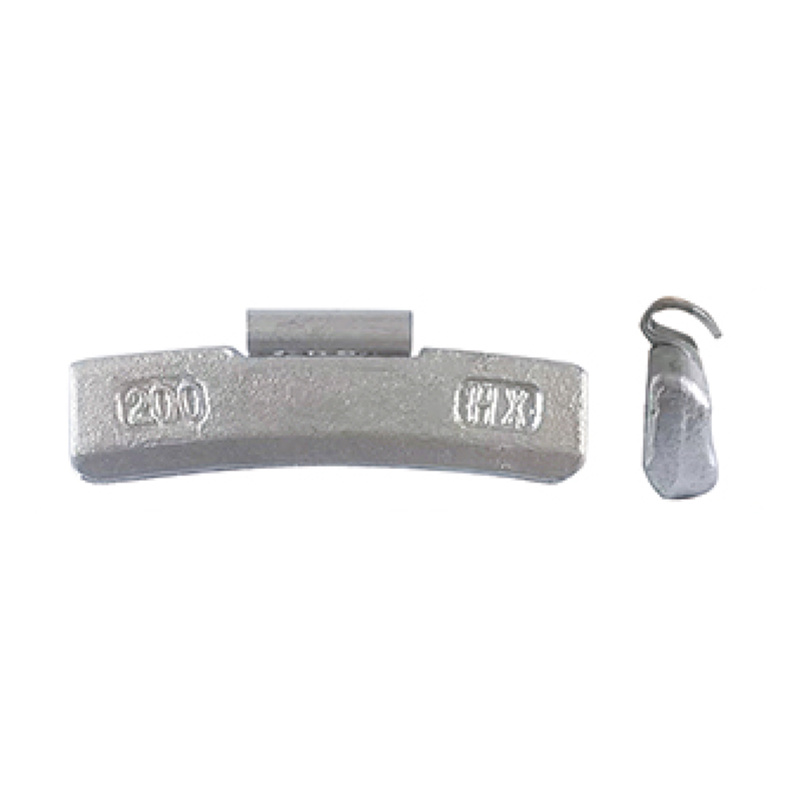
**Clip-on wheel weights** are designed to clip directly onto the rim of the wheel. They are typically made of lead or zinc and are favored for their ease of installation and removal. These weights are ideal for applications where frequent wheel changes might be necessary, such as in tire repair shops.
Stick-On Wheel Weights
**Stick-on wheel weights**, also known as adhesive weights, are attached to the wheel rim using a strong adhesive backing. These weights are less obtrusive than clip-on weights and are often used for aesthetic reasons or on alloy wheels. However, they may require careful placement to ensure optimal balance.
Screw-On Wheel Weights
**Screw-on wheel weights** are secured to the wheel using screws. These weights are less common but offer a reliable solution for certain heavy-duty applications where additional security is required. They are particularly useful in environments with extreme conditions where other types of weights may fail.
Benefits of Using Heavy Duty Wheel Weights
The advantages of utilizing heavy-duty wheel weights in construction trucks extend beyond mere balance. Here are several key benefits:
1. **Enhanced Safety**: A well-balanced truck reduces the potential for accidents caused by tipping or losing traction, particularly on slopes or uneven ground.
2. **Increased Productivity**: Improved handling and stability allow operators to complete tasks more efficiently, reducing downtime and enhancing overall productivity.
3. **Cost-Effectiveness**: By extending the life of tires and reducing fuel consumption, heavy-duty wheel weights can lead to significant cost savings over time.
4. **Decreased Maintenance Needs**: A balanced truck places less strain on its components, potentially reducing maintenance requirements and prolonging the life of the vehicle.
5. **Customizable Options**: Heavy-duty wheel weights come in various sizes and materials, allowing companies to tailor their choices based on specific needs and applications.
Installation and Maintenance of Wheel Weights
Proper installation and maintenance of heavy-duty wheel weights are critical to maximizing their effectiveness. Here are some essential steps to follow:
1. **Choosing the Right Weight**: Consult with a professional to determine the appropriate weight required for your specific truck model and application.
2. **Installation Process**: For clip-on weights, ensure they are securely fastened to the rim. For stick-on weights, clean the rim thoroughly before applying them to enhance adhesion. Screw-on weights should be tightened adequately to prevent loosening during operation.
3. **Regular Inspections**: Periodically inspect wheel weights for signs of wear or damage. This helps ensure that they remain effective and do not compromise safety.
4. **Rebalancing**: After tire changes or repairs, it is essential to rebalance the truck. This ensures that the weight distribution remains optimal for continued safe operation.
5. **Storage Considerations**: When not in use, store wheel weights in a dry, clean environment to prevent corrosion and other forms of damage.
Safety Standards and Regulations
Compliance with safety standards and regulations is critical for any construction operation. Heavy-duty wheel weights must adhere to industry regulations that govern vehicle safety. Familiarizing yourself with the relevant standards can help avoid penalties and enhance workplace safety. Key regulations include:
1. **OSHA Guidelines**: The Occupational Safety and Health Administration (OSHA) provides guidelines that dictate safe operations for heavy machinery, including weight requirements.
2. **DOT Regulations**: The Department of Transportation (DOT) lays out rules regarding vehicle weight limits and distribution, which are essential for safe travel on public roads.
3. **Manufacturer Recommendations**: Always refer to the manufacturer’s specifications for weight distribution and types of weights that are most suitable for specific trucks.
Future of Heavy Duty Wheel Weights in Construction
As technology advances, the future of heavy-duty wheel weights is likely to evolve. Potential developments may include:
1. **Smart Weights**: Integrating sensors into wheel weights to monitor pressure, balance, and wear could enhance safety and maintenance efforts.
2. **Sustainable Materials**: The construction industry is moving toward more sustainable practices. Future wheel weights may be made from eco-friendly materials that still provide effective performance.
3. **Automation in Installation**: Automated systems for installing and balancing wheel weights may emerge, streamlining the process and reducing human error.
FAQs About Heavy Duty Wheel Weights
1. **What are heavy-duty wheel weights?**
Heavy-duty wheel weights are weights added to vehicle wheels to improve balance and stability, particularly in construction trucks.
2. **How do I know if my truck needs wheel weights?**
If you experience handling issues, uneven tire wear, or stability problems, your truck may benefit from additional weights.
3. **Can I install wheel weights myself?**
While basic installation can be done by individuals, it's advisable to consult a professional for optimal results and safety.
4. **How often should I check my wheel weights?**
Regular inspections should be conducted, especially after tire changes or repairs, to ensure they remain effective.
5. **Are there regulations concerning wheel weights?**
Yes, various safety standards and regulations govern the use of wheel weights in construction vehicles. Familiarizing yourself with them is essential for compliance.
Conclusion
Heavy-duty wheel weights are indispensable components in the construction industry's safety landscape. By ensuring stability, improving handling, and complying with safety regulations, these weights contribute significantly to the overall performance and safety of construction trucks. Understanding their types, benefits, and proper maintenance will empower operators and managers to make informed decisions that enhance both safety and efficiency on the job site. As we look towards the future, innovation in this field promises exciting advancements that will further improve the effectiveness of heavy-duty wheel weights in construction.
TAG:
Related Posts

Global automotive wheel balance block industry
The global market size of automotive wheel balance weights in 2024 is approximately 4.92 billion yuan. It is expected to maintain a steady growth trend in the future



Contact Us
Sales Business:
Tel: +86-311-85939575 / +86-13673130619
Phone: +86-13933004411 (Manager Huang)
Email: wheelweights@hxphk.com
Contact Factory:
Tel: +86-317-4452233
Tel: +86-317-4452855
Email: hxphkc@126.com
What We Offer
Hebei Pan Asian Wheel weights Co.,Ltd. is an automobile wheel balance weights production enterprise that integrates scientific research, production, and sales.