
Understanding Tire Balance Weights for Alloy Rims: A Comprehensive Guide
2026-06-27


When it comes to ensuring optimal performance and safety for your vehicle, tire balance weights for alloy rims play a crucial role. Alloy rims are popular for their lightweight and stylish designs, but they require proper balance to function effectively. Balancing involves distributing weight evenly around the wheel to prevent vibrations, which can lead to uneven tire wear and impact steering stab
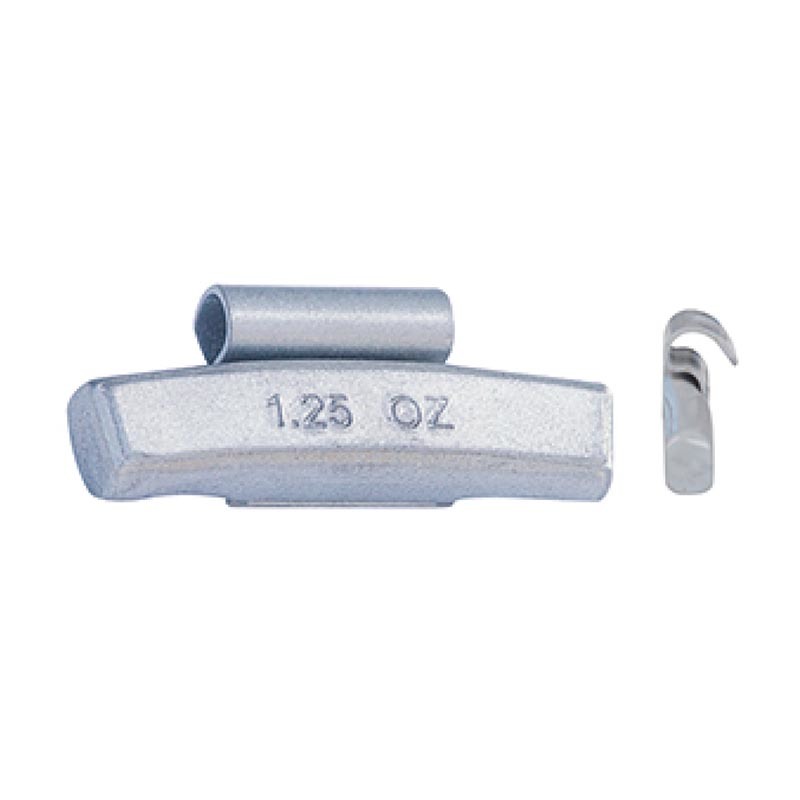
When it comes to ensuring optimal performance and safety for your vehicle, tire balance weights for alloy rims play a crucial role. Alloy rims are popular for their lightweight and stylish designs, but they require proper balance to function effectively. Balancing involves distributing weight evenly around the wheel to prevent vibrations, which can lead to uneven tire wear and impact steering stability.
Tire balance weights come in various forms, primarily clip-on and adhesive types. Clip-on weights are typically used on steel rims but can also be used on alloy rims in specific situations. These weights clamp onto the edge of the rim and are easily adjustable, making them a popular choice for many technicians during tire installation or maintenance.
Adhesive weights, on the other hand, are specifically designed for alloy rims. They adhere directly to the inside or outside of the wheel, providing a more aesthetically pleasing solution without compromising the rim's appearance. Adhesive weights are less likely to be damaged during tire changes and are favored for their versatility in different balancing scenarios.
The importance of using the correct tire balance weights cannot be overstated. Unbalanced wheels can result in a host of issues, including excessive vibration, reduced fuel efficiency, and premature tire wear. Vibration can not only be uncomfortable for drivers and passengers but may also lead to costly repairs if other components of the vehicle, such as suspension and steering systems, are affected over time.
To maintain the longevity of your alloy rims and optimize your driving experience, regular wheel balancing is recommended. It’s advisable to have your tires balanced whenever you install new tires, rotate them, or notice any abnormal vibrations while driving. Many professionals suggest a balance check every 5,000 to 6,000 miles as part of routine vehicle maintenance.
In conclusion, selecting the appropriate tire balance weights for alloy rims is essential to ensure a smooth and safe driving experience. Understanding the different types of weights and their applications can help vehicle owners make informed decisions when it comes to tire maintenance. By prioritizing proper wheel balancing, you can enhance the performance of your alloy rims, extend the life of your tires, and improve overall vehicle safety.
Tire balance weights come in various forms, primarily clip-on and adhesive types. Clip-on weights are typically used on steel rims but can also be used on alloy rims in specific situations. These weights clamp onto the edge of the rim and are easily adjustable, making them a popular choice for many technicians during tire installation or maintenance.
Adhesive weights, on the other hand, are specifically designed for alloy rims. They adhere directly to the inside or outside of the wheel, providing a more aesthetically pleasing solution without compromising the rim's appearance. Adhesive weights are less likely to be damaged during tire changes and are favored for their versatility in different balancing scenarios.
The importance of using the correct tire balance weights cannot be overstated. Unbalanced wheels can result in a host of issues, including excessive vibration, reduced fuel efficiency, and premature tire wear. Vibration can not only be uncomfortable for drivers and passengers but may also lead to costly repairs if other components of the vehicle, such as suspension and steering systems, are affected over time.
To maintain the longevity of your alloy rims and optimize your driving experience, regular wheel balancing is recommended. It’s advisable to have your tires balanced whenever you install new tires, rotate them, or notice any abnormal vibrations while driving. Many professionals suggest a balance check every 5,000 to 6,000 miles as part of routine vehicle maintenance.
In conclusion, selecting the appropriate tire balance weights for alloy rims is essential to ensure a smooth and safe driving experience. Understanding the different types of weights and their applications can help vehicle owners make informed decisions when it comes to tire maintenance. By prioritizing proper wheel balancing, you can enhance the performance of your alloy rims, extend the life of your tires, and improve overall vehicle safety.
TAG:
Related Posts

Global automotive wheel balance block industry
The global market size of automotive wheel balance weights in 2024 is approximately 4.92 billion yuan. It is expected to maintain a steady growth trend in the future

Contact Us
Sales Business:
Tel: +86-311-85939575 / +86-13673130619
Phone: +86-13933004411 (Manager Huang)
Email: wheelweights@hxphk.com
Contact Factory:
Tel: +86-317-4452233
Tel: +86-317-4452855
Email: hxphkc@126.com
What We Offer
Hebei Pan Asian Wheel weights Co.,Ltd. is an automobile wheel balance weights production enterprise that integrates scientific research, production, and sales.