
Understanding Tire Balance Weights for Alloy Rims: Essential Insights for Professionals
2025-12-31


When it comes to alloy rims, tire balance weights play a significant role in ensuring a smooth and safe driving experience. These weights are essential for counterbalancing the uneven distribution of mass in a tire and rim assembly. When tires are mounted, they can have slight variations in weight distribution due to various factors, including manufacturing tolerances, tire construction, and the r
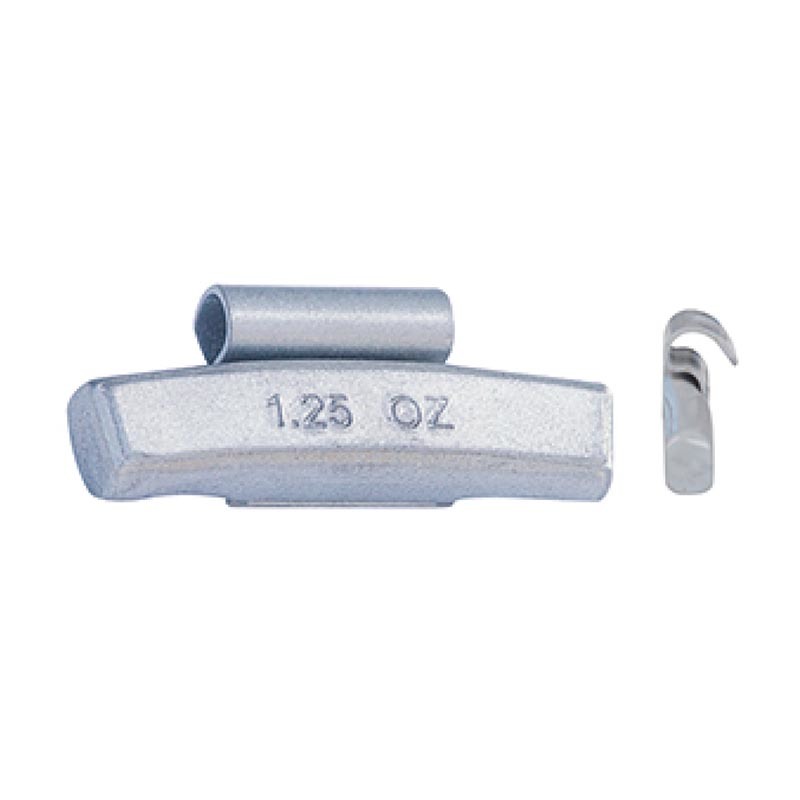
When it comes to alloy rims, tire balance weights play a significant role in ensuring a smooth and safe driving experience. These weights are essential for counterbalancing the uneven distribution of mass in a tire and rim assembly. When tires are mounted, they can have slight variations in weight distribution due to various factors, including manufacturing tolerances, tire construction, and the rim itself. This imbalance can lead to vibrations, uneven tire wear, and can even affect vehicle handling.
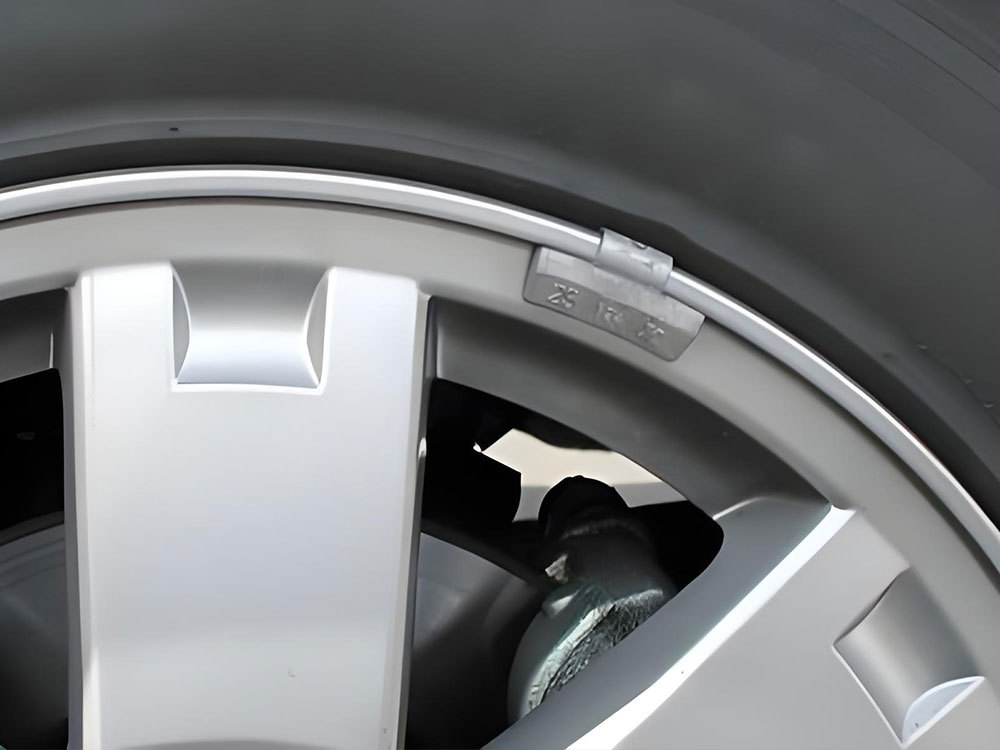
The two primary types of tire balance weights are clip-on weights and adhesive weights. Clip-on weights are designed to be attached to the edge of the rim, making them a popular choice for steel and alloy rims. They are easy to install and remove, making them suitable for shops that frequently change tires. On the other hand, adhesive weights are typically used for alloy rims where aesthetics are a concern. These weights stick to the inner surface of the rim, providing a cleaner look without compromising balance.
Properly balancing tires is not just about comfort; it also has significant implications for vehicle safety and performance. Unbalanced tires can lead to increased road friction, which may result in higher fuel consumption and reduced tire lifespan. Moreover, excessive vibrations can cause damage to various vehicle components, including suspension parts and steering systems.
When selecting tire balance weights for alloy rims, it's crucial to consider the rim's design and the specific requirements of the vehicle. Additionally, professionals should be aware of the weight specifications recommended by automotive engineers to ensure optimal performance. Using the correct amount of weight in the right location is essential for achieving the desired balance.
Furthermore, balancing should be performed using specialized equipment, such as dynamic wheel balancers, which can effectively detect the precise amount and location of imbalance. Regular checks and adjustments are advisable, particularly if you notice changes in vehicle handling or unusual vibrations while driving.
In conclusion, understanding tire balance weights for alloy rims is essential for automotive professionals who aim to provide quality service and enhance vehicle performance. By ensuring proper tire balance, you not only improve driving comfort but also contribute to the longevity of the tires and the overall safety of the vehicle. Whether you're in a workshop or managing a fleet, prioritizing tire balance will yield long-term benefits for both your clients and your business.
The two primary types of tire balance weights are clip-on weights and adhesive weights. Clip-on weights are designed to be attached to the edge of the rim, making them a popular choice for steel and alloy rims. They are easy to install and remove, making them suitable for shops that frequently change tires. On the other hand, adhesive weights are typically used for alloy rims where aesthetics are a concern. These weights stick to the inner surface of the rim, providing a cleaner look without compromising balance.
Properly balancing tires is not just about comfort; it also has significant implications for vehicle safety and performance. Unbalanced tires can lead to increased road friction, which may result in higher fuel consumption and reduced tire lifespan. Moreover, excessive vibrations can cause damage to various vehicle components, including suspension parts and steering systems.
When selecting tire balance weights for alloy rims, it's crucial to consider the rim's design and the specific requirements of the vehicle. Additionally, professionals should be aware of the weight specifications recommended by automotive engineers to ensure optimal performance. Using the correct amount of weight in the right location is essential for achieving the desired balance.
Furthermore, balancing should be performed using specialized equipment, such as dynamic wheel balancers, which can effectively detect the precise amount and location of imbalance. Regular checks and adjustments are advisable, particularly if you notice changes in vehicle handling or unusual vibrations while driving.
In conclusion, understanding tire balance weights for alloy rims is essential for automotive professionals who aim to provide quality service and enhance vehicle performance. By ensuring proper tire balance, you not only improve driving comfort but also contribute to the longevity of the tires and the overall safety of the vehicle. Whether you're in a workshop or managing a fleet, prioritizing tire balance will yield long-term benefits for both your clients and your business.
TAG:
Related Posts

Global automotive wheel balance block industry
The global market size of automotive wheel balance weights in 2024 is approximately 4.92 billion yuan. It is expected to maintain a steady growth trend in the future


Contact Us
Sales Business:
Tel: +86-311-85939575 / +86-13673130619
Phone: +86-13933004411 (Manager Huang)
Email: wheelweights@hxphk.com
Contact Factory:
Tel: +86-317-4452233
Tel: +86-317-4452855
Email: hxphkc@126.com
What We Offer
Hebei Pan Asian Wheel weights Co.,Ltd. is an automobile wheel balance weights production enterprise that integrates scientific research, production, and sales.