
Ultimate Guide to FAQs About Heavy Duty Wheel Weights for Construction Vehicles
2025-12-29


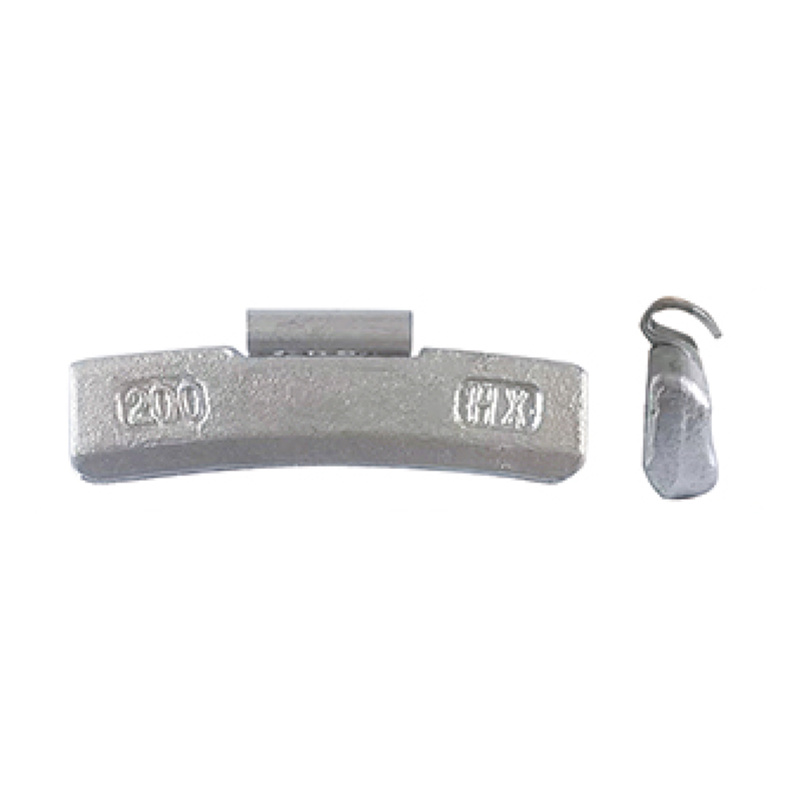
FAQs About Heavy Duty Wheel Weights for Construction Vehicles
Table of Contents
- 1. Introduction to Heavy Duty Wheel Weights
- 2. Importance of Heavy Duty Wheel Weights in Construction
- 3. Types of Heavy Duty Wheel Weights
- 4. How to Install Heavy Duty Wheel Weights
- 5. Maintenance Tips for Heavy Duty Wheel Weights
- 6. Safety Considerations When Using Wheel Weights
- 7. Common Issues with Heavy Duty Wheel Weights
- 8. FAQs About Heavy Duty Wheel Weights
- 9. Conclusion
1. Introduction to Heavy Duty Wheel Weights
Heavy-duty wheel weights play a crucial role in ensuring the stability and performance of construction vehicles. These weights are specifically designed to counterbalance the weight of the vehicle, enhancing traction and providing a safer, more efficient operation. Whether you’re working with excavators, bulldozers, or forklifts, understanding the significance of wheel weights can lead to better machinery performance.
2. Importance of Heavy Duty Wheel Weights in Construction
The construction industry relies heavily on machinery that must endure tough environments. Heavy-duty wheel weights serve multiple purposes, including:
- **Enhancing Stability**: By distributing weight evenly, wheel weights prevent tipping and improve overall vehicle stability, especially on uneven terrain.
- **Improving Traction**: Adequate weight on the wheels facilitates better grip on the ground, allowing vehicles to operate more effectively in various conditions, including mud or gravel.
- **Reducing Wear and Tear**: Properly balanced wheels reduce stress on suspension and steering components, extending the life of your vehicle.
- **Safety Enhancements**: A well-balanced vehicle is less likely to slide or tip over, significantly improving safety for operators and surrounding workers.
3. Types of Heavy Duty Wheel Weights
Several types of heavy-duty wheel weights are available, each designed for specific applications:
3.1. Clip-On Weights
Clip-on weights are commonly used in commercial vehicles. They easily attach to the rim and can be adjusted or removed as necessary.
3.2. Bolt-On Weights
These weights are more permanent solutions, bolted directly onto the wheel. They provide a secure fit and are ideal for construction equipment that requires constant weight.
3.3. Stick-On Weights
Stick-on weights are adhesive-backed and can be placed anywhere on the rim. They are often used for fine calibrations and can be added or removed without tools.
3.4. Wheel Weight Bags
These flexible bags are filled with materials such as sand or water and can be adjusted for weight as needed. They are particularly useful for temporary applications.
4. How to Install Heavy Duty Wheel Weights
The installation of heavy-duty wheel weights is essential for achieving optimal vehicle performance. Here’s a step-by-step guide:
4.1. Gather Necessary Tools
Before starting, ensure you have the necessary tools, including:
- Wrench or socket set for bolt-on weights
- Cleaning materials for adhesive surfaces
- A level to ensure proper balancing
4.2. Prepare the Wheel
Clean the area of the wheel where the weight will be attached. Removing dirt and debris ensures better adhesion and weight distribution.
4.3. Attach the Weights
- **For Clip-On Weights**: Simply affix the weights to the rim by clipping them in place.
- **For Bolt-On Weights**: Use a wrench to securely bolt them onto the rim.
- **For Stick-On Weights**: Peel off the adhesive backing and press the weight firmly onto the desired area of the wheel.
4.4. Check for Balance
Use a level or balance machine to ensure the wheel is properly balanced after installation. Adjustments can be made if necessary.
5. Maintenance Tips for Heavy Duty Wheel Weights
Maintaining heavy-duty wheel weights is key to ensuring longevity and performance. Here are some essential maintenance tips:
5.1. Regular Inspections
Periodically check weights to ensure they are secure and free from damage. Look for signs of wear, rust, or detachment.
5.2. Clean the Wheels
Keep wheels clean from dirt and debris. Regularly cleaning ensures that weights remain securely attached and can help identify any potential issues.
5.3. Monitor Vehicle Performance
Keep an eye on vehicle performance. If you notice stability issues, it may be time to reassess your wheel weights and make necessary adjustments.
6. Safety Considerations When Using Wheel Weights
Using heavy-duty wheel weights requires adhering to specific safety protocols:
6.1. Ensure Proper Installation
Improperly installed weights can lead to instability. Always follow installation guidelines closely to ensure safety.
6.2. Use Quality Products
Opt for high-quality wheel weights that meet industry standards. Inferior products can compromise safety and performance.
6.3. Train Operators
Ensure all operators are properly trained in handling vehicles with wheel weights. Proper training can prevent accidents and improve operational efficiency.
7. Common Issues with Heavy Duty Wheel Weights
Though heavy-duty wheel weights are generally reliable, several issues may occur:
7.1. Weight Detachment
Improper installation or the use of low-quality weights can lead to detachment. Regular inspections can help mitigate this risk.
7.2. Rust and Corrosion
Metal weights may rust over time, especially when exposed to moisture. Regular cleaning and protective coatings can extend their lifespan.
7.3. Imbalanced Weights
If weights become unbalanced, they can affect vehicle performance. Regular checks and recalibrations are essential to maintain balance.
8. FAQs About Heavy Duty Wheel Weights
8.1. What are heavy-duty wheel weights?
Heavy-duty wheel weights are devices attached to the wheels of construction vehicles to enhance stability and traction by counterbalancing weight.
8.2. Why do construction vehicles need wheel weights?
Construction vehicles require wheel weights for improved stability, better traction on uneven surfaces, reduced wear on parts, and enhanced safety during operation.
8.3. How often should I check my wheel weights?
Regular inspections are recommended every few weeks, especially if the vehicle operates in harsh conditions. Look for signs of wear, rust, or detachment.
8.4. Can I install wheel weights myself?
Yes, with the right tools and knowledge, you can install wheel weights yourself. Follow the manufacturer’s instructions for the best results.
8.5. What materials are used for heavy-duty wheel weights?
Wheel weights can be made from various materials, including lead, steel, and plastic, each offering different benefits in terms of weight, durability, and cost.
9. Conclusion
Heavy-duty wheel weights are indispensable for ensuring stable and efficient operation of construction vehicles. From enhancing traction to ensuring safety, these weights play a pivotal role in the machinery's performance. By understanding the importance of wheel weights, knowing how to install and maintain them, and being aware of common issues, operators can significantly improve their vehicles' performance and longevity. Investing time in learning about and caring for your heavy-duty wheel weights can ultimately lead to safer and more productive work environments in the construction industry.
Related Posts

Global automotive wheel balance block industry

Contact Us
Sales Business:
Tel: +86-311-85939575 / +86-13673130619
Phone: +86-13933004411 (Manager Huang)
Email: wheelweights@hxphk.com
Contact Factory:
Tel: +86-317-4452233
Tel: +86-317-4452855
Email: hxphkc@126.com
What We Offer
Hebei Pan Asian Wheel weights Co.,Ltd. is an automobile wheel balance weights production enterprise that integrates scientific research, production, and sales.