
Understanding Zinc Adhesive Wheel Weights for Steel Wheels: A Comprehensive Guide
2025-11-04


Zinc adhesive wheel weights are a crucial component in the automotive industry, particularly for steel wheels. These weights are designed to enhance the balance of a vehicle's wheels, ensuring optimal performance, safety, and longevity. Understanding the properties and advantages of zinc adhesive wheel weights can significantly impact your approach to wheel balancing and maintenance.
One of the pr
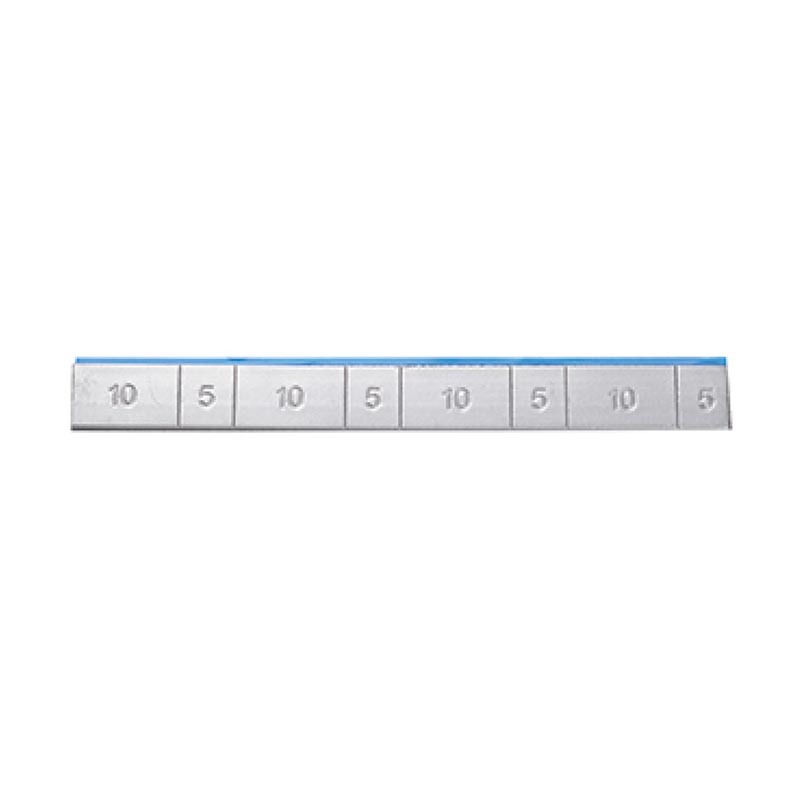
Zinc adhesive wheel weights are a crucial component in the automotive industry, particularly for steel wheels. These weights are designed to enhance the balance of a vehicle's wheels, ensuring optimal performance, safety, and longevity. Understanding the properties and advantages of zinc adhesive wheel weights can significantly impact your approach to wheel balancing and maintenance.
One of the primary benefits of using zinc adhesive wheel weights is their superior adhesion properties. Unlike traditional clip-on weights, adhesive weights stick firmly to the wheel's surface, reducing the likelihood of them coming loose over time. This is especially important for steel wheels, which may experience various environmental stressors, such as temperature fluctuations and road debris. The robust adhesive ensures that the weights remain securely in place, providing consistent balance.
Zinc is a popular material for wheel weights due to its density and resistance to corrosion. In comparison to lead, zinc offers a more environmentally friendly alternative that does not compromise on performance. The density of zinc allows for smaller and lighter weights while still achieving the same balancing effect as heavier materials. This reduction in size is particularly advantageous in applications where space may be limited or where aesthetic considerations are a concern.
When it comes to application, zinc adhesive wheel weights are incredibly versatile. They can be used on various types of steel wheels, making them an excellent choice for both passenger vehicles and heavy-duty trucks. Properly balanced wheels contribute to better fuel efficiency, improved handling, and a smoother ride, which are essential for both everyday driving and commercial operations.
Furthermore, the use of adhesive weights simplifies the installation process. Technicians can easily apply these weights without specialized tools, reducing installation time and labor costs. Additionally, because they adhere to the wheel's inner surface, they are less likely to be damaged during tire changes or maintenance, providing long-term reliability.
In conclusion, zinc adhesive wheel weights for steel wheels are an effective solution for achieving optimal wheel balance. Their superior adhesion, environmental benefits, and ease of use make them a preferred choice in the automotive sector. Understanding the advantages of these weights not only enhances vehicle performance but also contributes to overall safety and efficiency on the road. By choosing zinc adhesive options, automotive professionals can ensure their clients receive the best possible solutions for wheel balancing, ultimately leading to improved driving experiences.
One of the primary benefits of using zinc adhesive wheel weights is their superior adhesion properties. Unlike traditional clip-on weights, adhesive weights stick firmly to the wheel's surface, reducing the likelihood of them coming loose over time. This is especially important for steel wheels, which may experience various environmental stressors, such as temperature fluctuations and road debris. The robust adhesive ensures that the weights remain securely in place, providing consistent balance.
Zinc is a popular material for wheel weights due to its density and resistance to corrosion. In comparison to lead, zinc offers a more environmentally friendly alternative that does not compromise on performance. The density of zinc allows for smaller and lighter weights while still achieving the same balancing effect as heavier materials. This reduction in size is particularly advantageous in applications where space may be limited or where aesthetic considerations are a concern.
When it comes to application, zinc adhesive wheel weights are incredibly versatile. They can be used on various types of steel wheels, making them an excellent choice for both passenger vehicles and heavy-duty trucks. Properly balanced wheels contribute to better fuel efficiency, improved handling, and a smoother ride, which are essential for both everyday driving and commercial operations.
Furthermore, the use of adhesive weights simplifies the installation process. Technicians can easily apply these weights without specialized tools, reducing installation time and labor costs. Additionally, because they adhere to the wheel's inner surface, they are less likely to be damaged during tire changes or maintenance, providing long-term reliability.
In conclusion, zinc adhesive wheel weights for steel wheels are an effective solution for achieving optimal wheel balance. Their superior adhesion, environmental benefits, and ease of use make them a preferred choice in the automotive sector. Understanding the advantages of these weights not only enhances vehicle performance but also contributes to overall safety and efficiency on the road. By choosing zinc adhesive options, automotive professionals can ensure their clients receive the best possible solutions for wheel balancing, ultimately leading to improved driving experiences.
TAG:
Related Posts
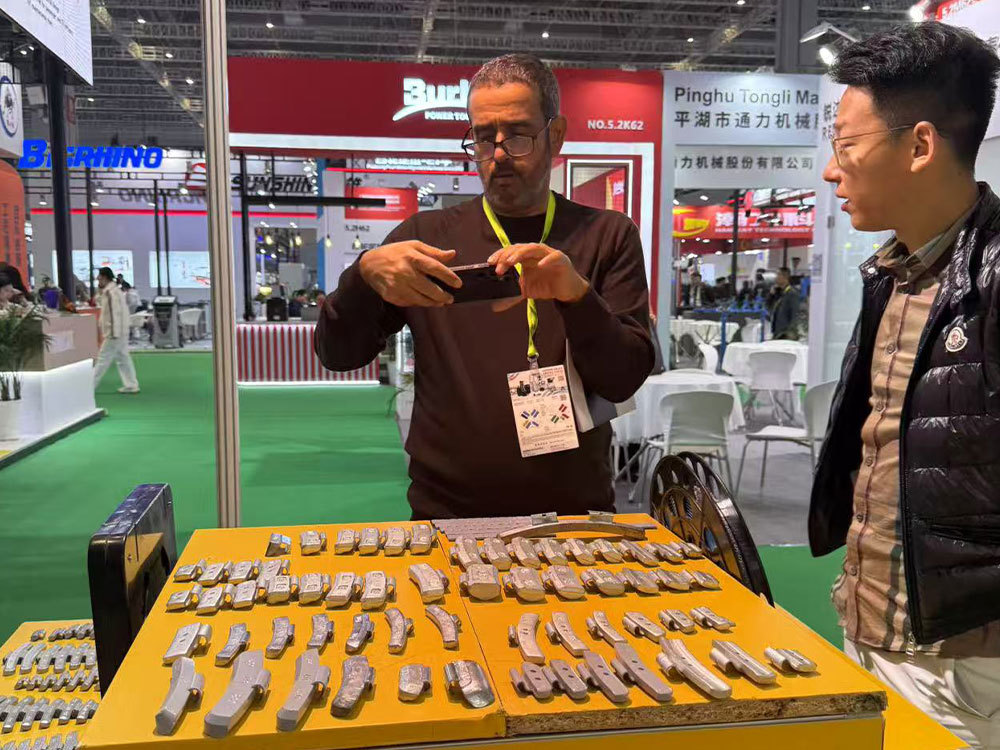
Global automotive wheel balance block industry
The global market size of automotive wheel balance weights in 2024 is approximately 4.92 billion yuan. It is expected to maintain a steady growth trend in the future

Contact Us
Sales Business:
Tel: +86-311-85939575 / +86-13673130619
Phone: +86-13933004411 (Manager Huang)
Email: wheelweights@hxphk.com
Contact Factory:
Tel: +86-317-4452233
Tel: +86-317-4452855
Email: hxphkc@126.com
What We Offer
Hebei Pan Asian Wheel weights Co.,Ltd. is an automobile wheel balance weights production enterprise that integrates scientific research, production, and sales.