
Zinc Alloy Clip-On Weights: Enhancing Fuel Efficiency in Your Light Vehicle
2025-11-02


Zinc Alloy Clip-On Weights: Enhancing Fuel Efficiency in Your Light Vehicle
Table of Contents
Introduction to Zinc Alloy Clip-On Weights
What are Zinc Alloy Clip-On Weights?
Benefits of Using Zinc Alloy Weights
How Clip-On Weights Improve Fuel Efficiency
Step-by-Step Installation Guide
Common Misconceptions About Clip-On Weights
Maintaining Your Zinc Alloy Weights
Zinc Alloy Clip-On Weights: Enhancing Fuel Efficiency in Your Light Vehicle
Table of Contents
- Introduction to Zinc Alloy Clip-On Weights
- What are Zinc Alloy Clip-On Weights?
- Benefits of Using Zinc Alloy Weights
- How Clip-On Weights Improve Fuel Efficiency
- Step-by-Step Installation Guide
- Common Misconceptions About Clip-On Weights
- Maintaining Your Zinc Alloy Weights for Optimal Performance
- The Environmental Benefits of Using Clip-On Weights
- Conclusion
- Frequently Asked Questions
Introduction to Zinc Alloy Clip-On Weights
In the quest for improved vehicle performance and efficiency, many drivers often overlook the significance of minor components such as wheel weights. Among these, **zinc alloy clip-on weights** stand out as a practical solution that not only optimizes balance but also enhances fuel efficiency in light vehicles. This article delves into the intricacies of zinc alloy clip-on weights, their benefits, and how they can transform your vehicle’s performance.
What are Zinc Alloy Clip-On Weights?
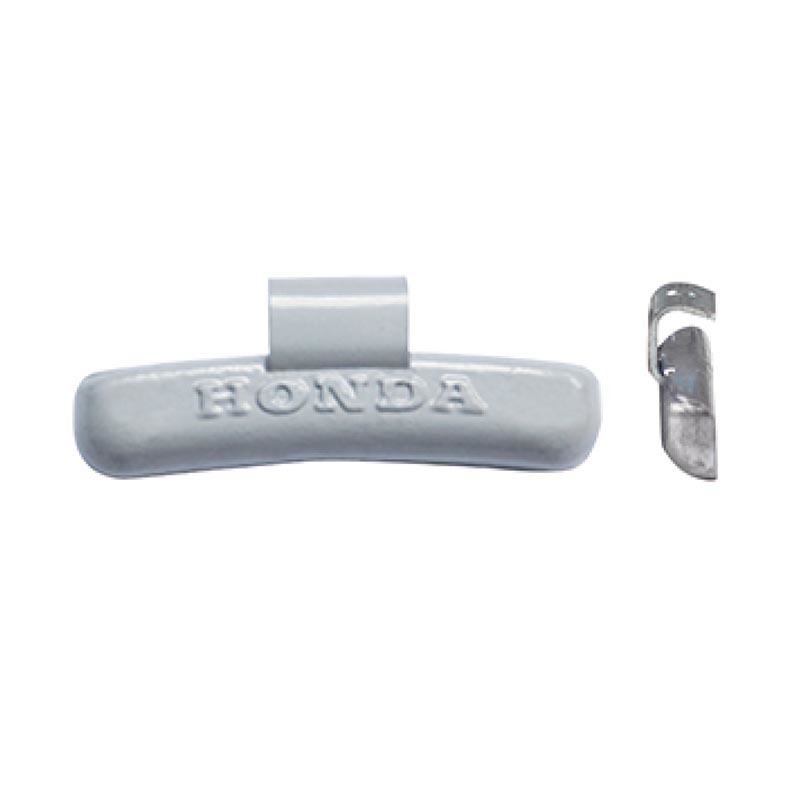
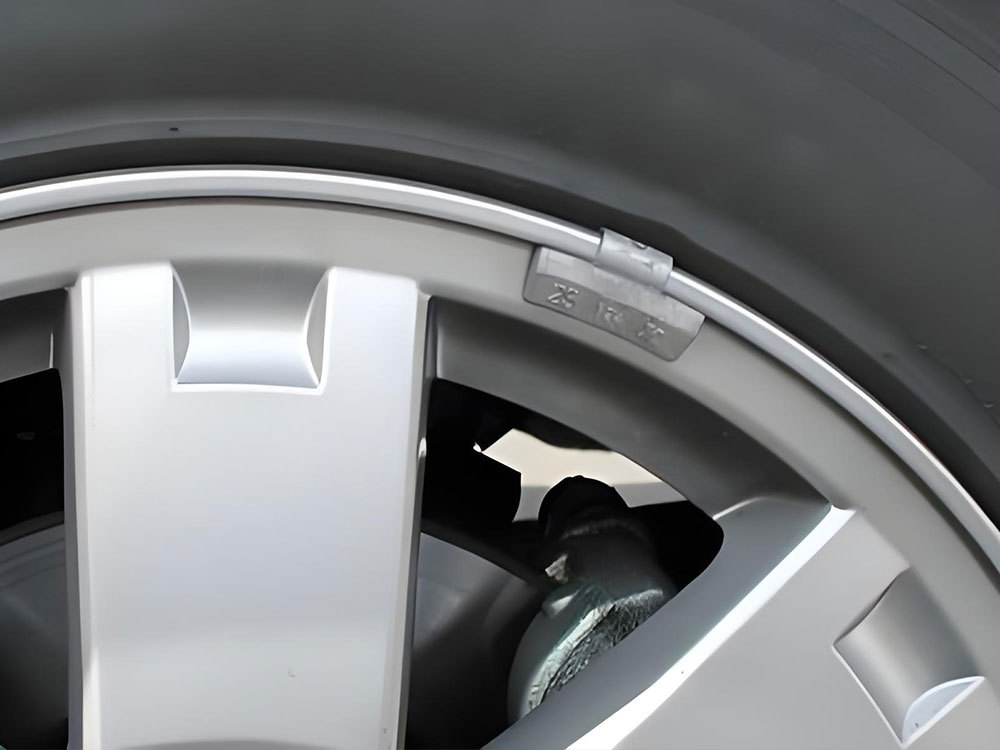
Zinc alloy clip-on weights are small, detachable weights used primarily to balance wheels on light vehicles. These weights clip securely onto the rim and are often used in conjunction with tire mounting. Unlike traditional lead weights, zinc alloy is lighter, environmentally friendly, and offers superior performance. Their design is optimized for easy installation, making them a preferred choice among vehicle maintenance professionals.
Composition and Characteristics
Zinc alloy is a metal composed mainly of zinc and other elements like aluminum, copper, and magnesium. This blend gives the weights a high strength-to-weight ratio, corrosion resistance, and the ability to withstand varying environmental conditions. The lightweight nature of zinc allows for precise balancing without adding excessive weight to the wheel assembly.
Benefits of Using Zinc Alloy Weights
The adoption of zinc alloy clip-on weights comes with numerous advantages:
1. Enhanced Fuel Efficiency
Balancing the wheels correctly minimizes vibrations and rolling resistance, leading directly to better fuel efficiency. With the vehicle’s wheels properly weighted, there is less strain on the engine, allowing it to operate more efficiently.
2. Environmental Benefits
Unlike lead, zinc is less toxic and poses minimal risk to the environment. Using zinc alloy clip-on weights aligns with modern sustainability practices, making it a responsible choice for eco-conscious drivers.
3. Durability and Resistance
Zinc alloy weights exhibit remarkable resistance to corrosion and wear, ensuring they maintain their effectiveness over time. This longevity reduces the need for frequent replacements, saving money in the long run.
4. Cost-Effective Solution
Although zinc alloy clip-on weights may have a slightly higher upfront cost compared to lead weights, their durability and performance make them a cost-effective choice over time, especially considering the savings in fuel costs.
How Clip-On Weights Improve Fuel Efficiency
Understanding the connection between zinc alloy clip-on weights and fuel efficiency involves examining the mechanics of vehicle performance.
1. Improved Wheel Balance
Properly balanced wheels lead to smoother rides and decreased drag. When wheels are unbalanced, it creates uneven tire wear and excessive vibrations, which can cause the engine to work harder and consume more fuel.
2. Reduction of Rolling Resistance
Rolling resistance is the force that opposes the motion of a vehicle as it rolls on the road. When wheels are balanced with zinc alloy weights, rolling resistance is minimized, allowing the vehicle to glide more effortlessly, further enhancing fuel economy.
3. Extended Tire Life
Balanced wheels reduce premature tire wear, extending their lifespan. This not only saves money on tire replacements but also contributes to better fuel efficiency, as tires in good condition maintain optimal contact with the road.
Step-by-Step Installation Guide
Installing zinc alloy clip-on weights is straightforward. Follow these steps for optimal results:
1. Gather Your Tools
Before starting, ensure you have the following tools ready: a tire mounting machine, tire pressure gauge, and the appropriate clip-on weights.
2. Remove the Tire
Using the tire mounting machine, remove the tire from the wheel rim carefully to avoid damaging the tire or rim.
3. Clean the Rim
Before applying the weights, ensure the rim is clean and free from debris. A clean surface ensures better adhesion and performance.
4. Apply the Weights
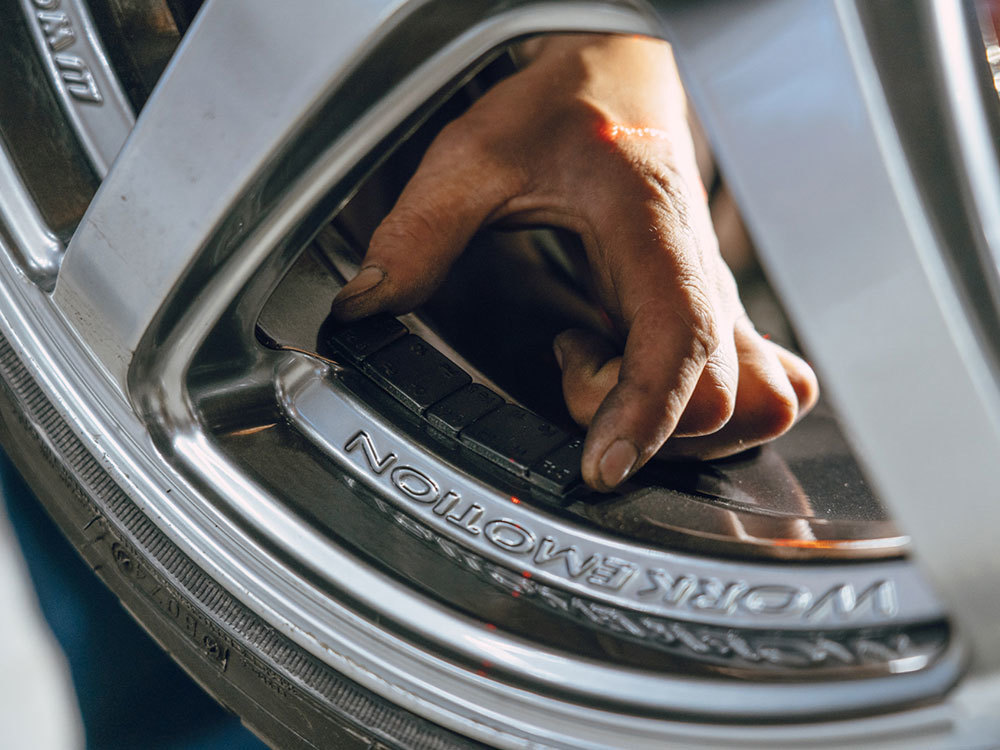
Clip the zinc alloy weights onto the rim in the designated positions, following the manufacturer’s recommendations for weight distribution.
5. Reinstall the Tire
Once the weights are in place, carefully reinstall the tire onto the rim and ensure it is properly inflated to the recommended pressure.
6. Test Drive
After installation, take the vehicle for a test drive. Pay attention to any vibrations or unusual sounds, which may indicate that rebalancing is required.
Common Misconceptions About Clip-On Weights
Several misconceptions surround zinc alloy clip-on weights. Understanding these can help drivers make informed decisions.
1. They Are Overpriced
While the initial cost may be higher than traditional lead weights, the long-term savings in fuel efficiency and tire life make zinc alloy weights a better investment.
2. They Are Difficult to Install
Many drivers believe that installing clip-on weights requires professional skills. In reality, with the right tools and guidance, anyone can perform a successful installation.
3. They Are Not Effective
Some drivers question the efficacy of zinc alloy weights. However, multiple studies have shown that they are as effective, if not more so, than traditional weights in enhancing performance.
Maintaining Your Zinc Alloy Weights for Optimal Performance
To ensure that your zinc alloy clip-on weights continue to perform well, regular maintenance is essential.
1. Regular Inspections
Periodically inspect the weights for any signs of wear or corrosion. Early detection of issues can prevent more significant problems down the road.
2. Proper Cleaning
Keep the weights and rims clean. Dirt and debris can affect the weights' effectiveness and lead to unbalanced wheels.
3. Timely Rebalancing
If you notice vibrations while driving or uneven tire wear, it may be time to rebalance the wheels. Regular rebalancing ensures ongoing optimal performance and fuel efficiency.
The Environmental Benefits of Using Clip-On Weights
Switching to zinc alloy clip-on weights not only benefits vehicle performance but also has a positive environmental impact.
1. Reduced Toxicity
Zinc is significantly less toxic than lead, making it a safer option for both the environment and human health.
2. Sustainable Manufacturing Practices
Many manufacturers of zinc alloy weights adopt sustainable practices, reducing their carbon footprint during production.
3. Lifecycle Benefits
By improving fuel efficiency, zinc alloy clip-on weights contribute to lower greenhouse gas emissions, promoting a cleaner environment.
Conclusion
Zinc alloy clip-on weights represent a small yet impactful investment in enhancing your light vehicle’s fuel efficiency. Their numerous benefits, from improved wheel balance to environmental sustainability, make them a superior choice for modern drivers. By understanding their advantages and following proper installation and maintenance practices, you can significantly enhance your vehicle’s performance while contributing to a greener planet.
Frequently Asked Questions
1. Are zinc alloy clip-on weights more effective than lead weights?
Yes, zinc alloy weights provide better performance due to their superior balance, lighter weight, and environmental benefits.
2. How often should I check my wheel weights?
It’s advisable to inspect your wheel weights during regular tire rotations or every 5,000 to 7,000 miles.
3. Can I install clip-on weights myself?
Absolutely! With the right tools and guidance, most people can successfully install clip-on weights.
4. Will using zinc alloy weights save me money on fuel?
Yes, properly balanced wheels reduce rolling resistance, which can lead to improved fuel efficiency and cost savings at the pump.
5. What should I do if my vehicle vibrates after installing weights?
If you experience vibrations, it may indicate that the wheels need to be rebalanced. It's essential to have this checked promptly to prevent further issues.
TAG:
Related Posts

Global automotive wheel balance block industry
The global market size of automotive wheel balance weights in 2024 is approximately 4.92 billion yuan. It is expected to maintain a steady growth trend in the future

Contact Us
Sales Business:
Tel: +86-311-85939575 / +86-13673130619
Phone: +86-13933004411 (Manager Huang)
Email: wheelweights@hxphk.com
Contact Factory:
Tel: +86-317-4452233
Tel: +86-317-4452855
Email: hxphkc@126.com
What We Offer
Hebei Pan Asian Wheel weights Co.,Ltd. is an automobile wheel balance weights production enterprise that integrates scientific research, production, and sales.