Understanding the Importance of Zinc Hot-Forged Balance Blocks in Automotive Drive Systems
2025-10-03


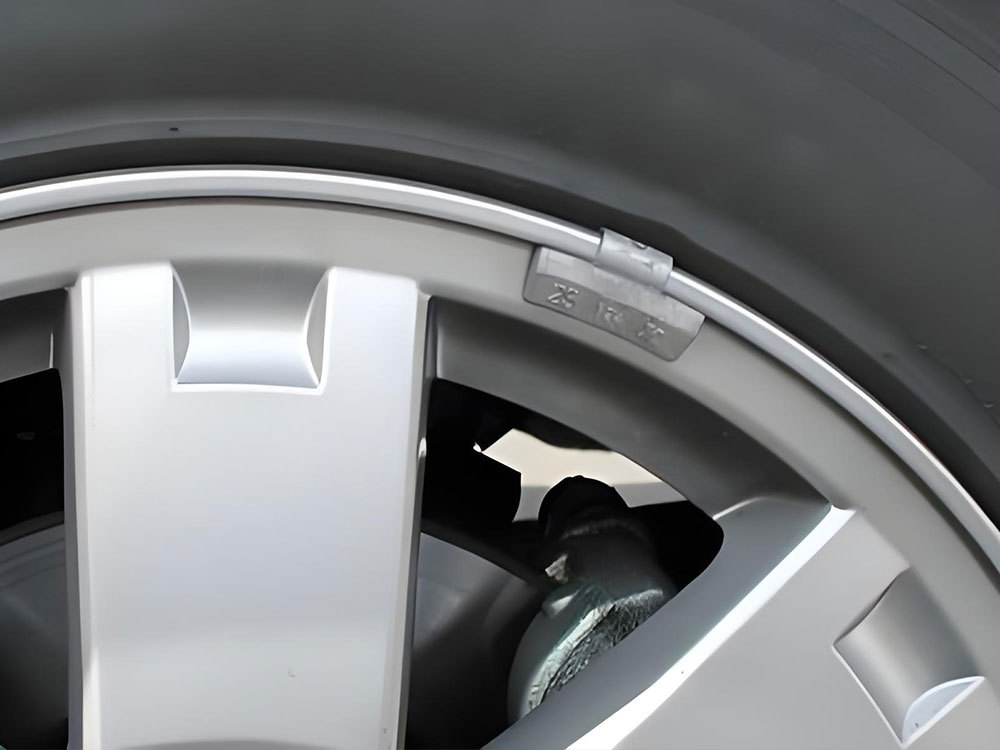
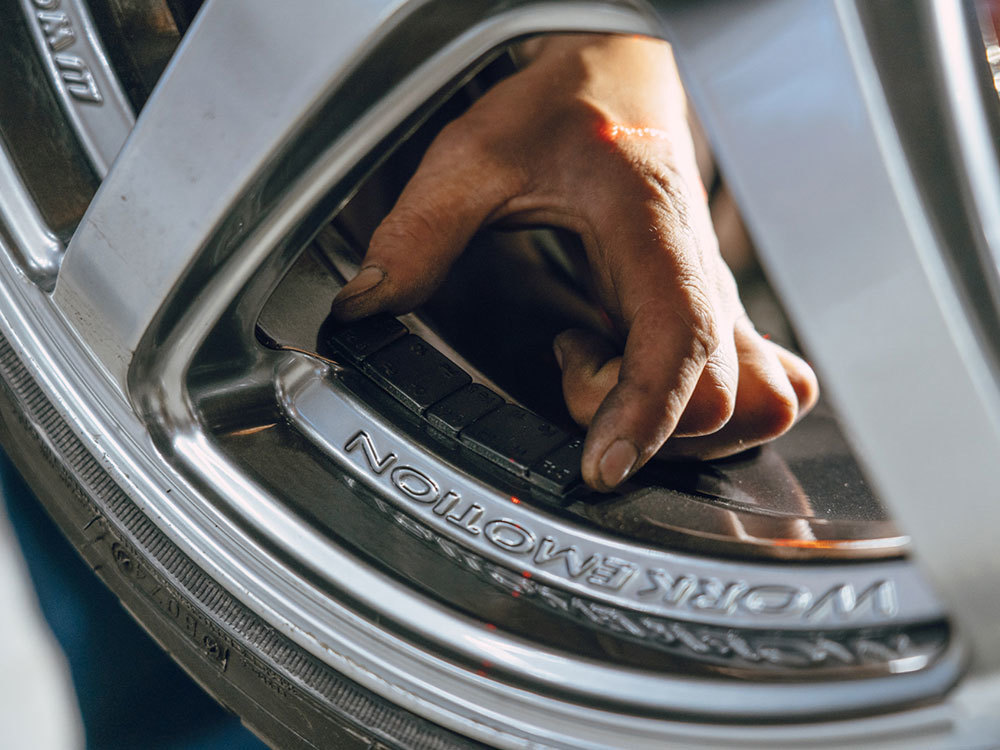
In the realm of automotive drive systems, the effective management of balance and stability is crucial for optimal vehicle performance. One key component that plays a significant role in achieving this balance is the zinc hot-forged balance block. These components are engineered to enhance the functionality and reliability of various drive systems.
Zinc hot-forged balance blocks are produced thro
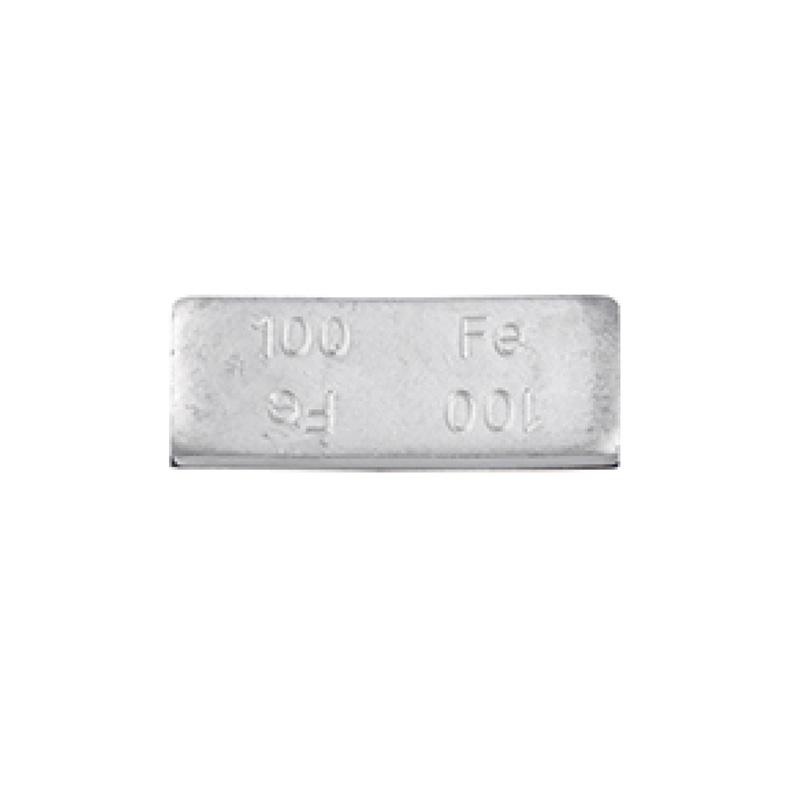
In the realm of automotive drive systems, the effective management of balance and stability is crucial for optimal vehicle performance. One key component that plays a significant role in achieving this balance is the zinc hot-forged balance block. These components are engineered to enhance the functionality and reliability of various drive systems.
Zinc hot-forged balance blocks are produced through a high-temperature forging process that reshapes zinc into precise dimensions and forms. This manufacturing technique not only improves the mechanical properties of the material but also enhances its strength and durability. As a result, hot-forged balance blocks exhibit superior performance in high-stress environments, making them ideal for automotive applications.
The primary function of zinc hot-forged balance blocks is to counteract vibrations and ensure a smoother operation of the drive system. Vibration management is essential for reducing wear and tear on other components, thereby extending the lifespan of the vehicle. By strategically placing these balance blocks, manufacturers can fine-tune the weight distribution of the vehicle, leading to improved handling and stability.
One of the significant advantages of using zinc as a material for balance blocks is its excellent corrosion resistance. In automotive applications, components are often exposed to harsh environmental conditions, including moisture, salt, and chemicals. Zinc's natural resistance to corrosion helps maintain the integrity of balance blocks over time, reducing the need for frequent replacements.
Furthermore, zinc is a relatively lightweight material, which contributes to an overall reduction in vehicle weight. This reduction can lead to improved fuel efficiency, making zinc hot-forged balance blocks an environmentally friendly choice in automotive design. As the automotive industry shifts towards sustainability, lightweight components are increasingly favored to enhance energy efficiency.
When considering the integration of zinc hot-forged balance blocks into drive systems, it's essential for professionals in the industry to evaluate their specific requirements. Factors such as load capacity, environmental exposure, and the desired level of vibration reduction should all be considered. Collaborating with experienced manufacturers can ensure that the right specifications are met, optimizing the performance of both the balance blocks and the overall drive system.
In summary, zinc hot-forged balance blocks are a pivotal component in enhancing the functionality and reliability of automotive drive systems. Their unique properties, including strength, corrosion resistance, and lightweight characteristics, make them an ideal choice for addressing the challenges of vibration management and weight distribution. For industry professionals, understanding the benefits and applications of these components can lead to more informed decisions and improved vehicle performance.
Zinc hot-forged balance blocks are produced through a high-temperature forging process that reshapes zinc into precise dimensions and forms. This manufacturing technique not only improves the mechanical properties of the material but also enhances its strength and durability. As a result, hot-forged balance blocks exhibit superior performance in high-stress environments, making them ideal for automotive applications.
The primary function of zinc hot-forged balance blocks is to counteract vibrations and ensure a smoother operation of the drive system. Vibration management is essential for reducing wear and tear on other components, thereby extending the lifespan of the vehicle. By strategically placing these balance blocks, manufacturers can fine-tune the weight distribution of the vehicle, leading to improved handling and stability.
One of the significant advantages of using zinc as a material for balance blocks is its excellent corrosion resistance. In automotive applications, components are often exposed to harsh environmental conditions, including moisture, salt, and chemicals. Zinc's natural resistance to corrosion helps maintain the integrity of balance blocks over time, reducing the need for frequent replacements.
Furthermore, zinc is a relatively lightweight material, which contributes to an overall reduction in vehicle weight. This reduction can lead to improved fuel efficiency, making zinc hot-forged balance blocks an environmentally friendly choice in automotive design. As the automotive industry shifts towards sustainability, lightweight components are increasingly favored to enhance energy efficiency.
When considering the integration of zinc hot-forged balance blocks into drive systems, it's essential for professionals in the industry to evaluate their specific requirements. Factors such as load capacity, environmental exposure, and the desired level of vibration reduction should all be considered. Collaborating with experienced manufacturers can ensure that the right specifications are met, optimizing the performance of both the balance blocks and the overall drive system.
In summary, zinc hot-forged balance blocks are a pivotal component in enhancing the functionality and reliability of automotive drive systems. Their unique properties, including strength, corrosion resistance, and lightweight characteristics, make them an ideal choice for addressing the challenges of vibration management and weight distribution. For industry professionals, understanding the benefits and applications of these components can lead to more informed decisions and improved vehicle performance.
TAG:
Related Posts
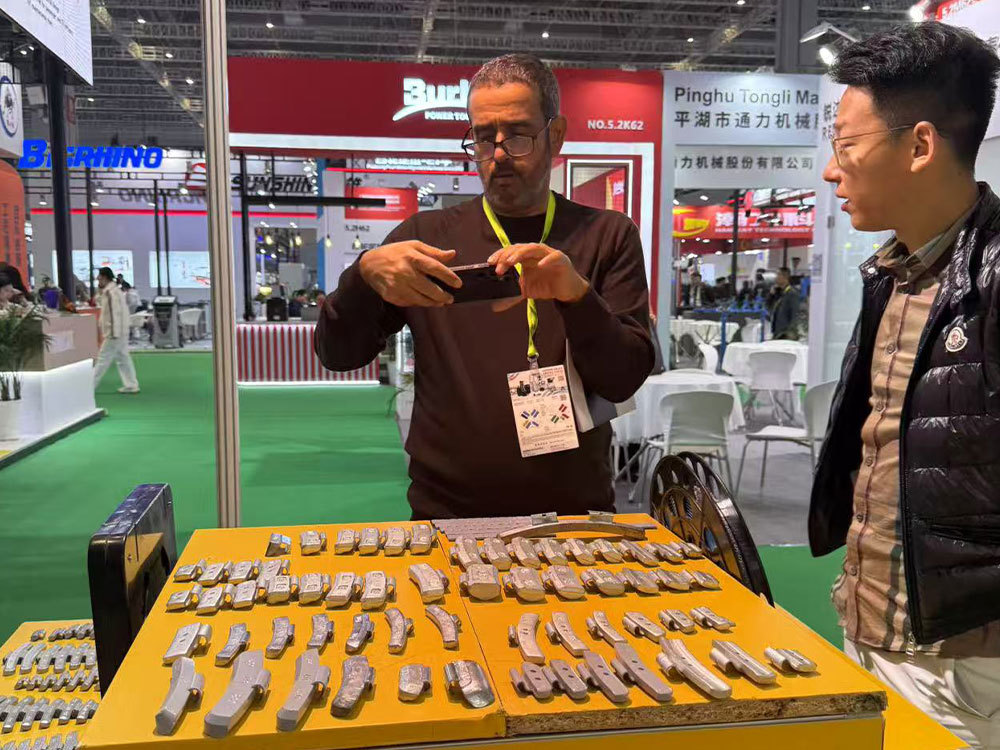
Global automotive wheel balance block industry
The global market size of automotive wheel balance weights in 2024 is approximately 4.92 billion yuan. It is expected to maintain a steady growth trend in the future
Contact Us
Sales Business:
Tel: +86-311-85939575 / +86-13673130619
Phone: +86-13933004411 (Manager Huang)
Email: wheelweights@hxphk.com
Contact Factory:
Tel: +86-317-4452233
Tel: +86-317-4452855
Email: hxphkc@126.com
What We Offer
Hebei Pan Asian Wheel weights Co.,Ltd. is an automobile wheel balance weights production enterprise that integrates scientific research, production, and sales.