
Zinc Stick-On Wheel Weights: Ensuring Your Aluminum Rims Are Always Balanced for Optimal Performance
2025-10-02


Zinc Stick-On Wheel Weights: Ensuring Your Aluminum Rims Are Always Balanced
Table of Contents
1. Introduction to Zinc Stick-On Wheel Weights
2. Understanding Rim Balance and Its Importance
3. What Are Zinc Stick-On Wheel Weights?
4. Advantages of Using Zinc Stick-On Weights
5. Installation Guide for Zinc Stick-On Wheel Weights
6. Maintenance and Care for Balanced Rims
Zinc Stick-On Wheel Weights: Ensuring Your Aluminum Rims Are Always Balanced
Table of Contents
- 1. Introduction to Zinc Stick-On Wheel Weights
- 2. Understanding Rim Balance and Its Importance
- 3. What Are Zinc Stick-On Wheel Weights?
- 4. Advantages of Using Zinc Stick-On Weights
- 5. Installation Guide for Zinc Stick-On Wheel Weights
- 6. Maintenance and Care for Balanced Rims
- 7. Common Issues with Wheel Balancing
- 8. Frequently Asked Questions
- 9. Conclusion
1. Introduction to Zinc Stick-On Wheel Weights
In the automotive industry, maintaining the balance of your vehicle's wheels is crucial for optimal performance and safety. **Zinc stick-on wheel weights** have emerged as a popular choice for balancing aluminum rims, thanks to their effective design and benefits. This article dives deep into the world of zinc stick-on wheel weights, exploring their importance, advantages, installation process, and maintenance tips.
2. Understanding Rim Balance and Its Importance
Rim balance refers to the distribution of weight around the circumference of a wheel. When a wheel is unbalanced, it causes vibrations while driving, leading to uneven tire wear, reduced fuel efficiency, and potential safety hazards. Balancing your wheels, particularly aluminum rims, ensures a smoother ride, better handling, and longer tire life. Understanding the significance of rim balance is essential for any vehicle owner, as it directly affects not only the vehicle’s performance but also the passenger experience.
3. What Are Zinc Stick-On Wheel Weights?
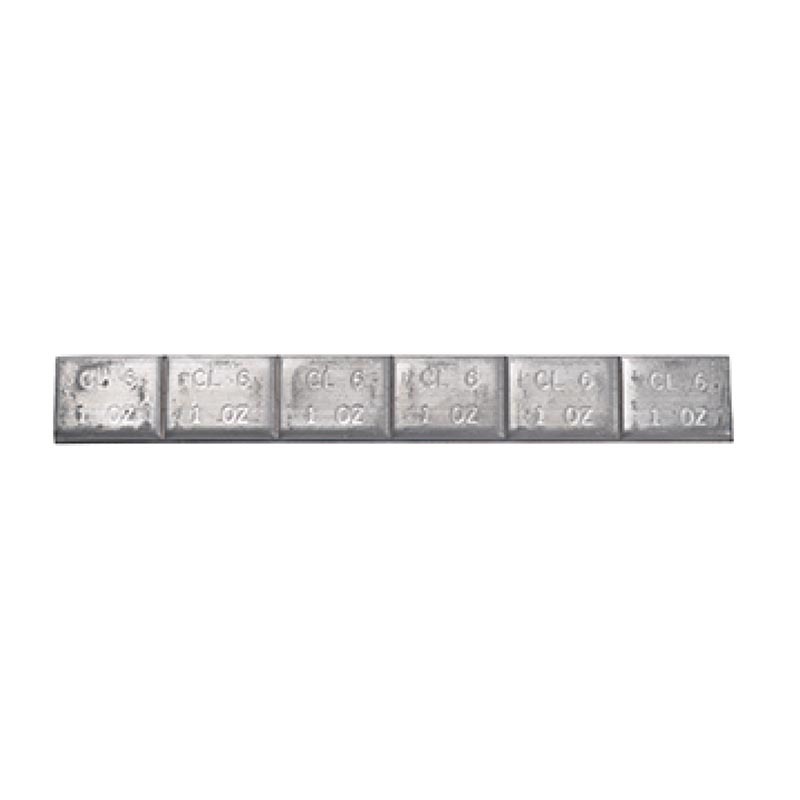
Zinc stick-on wheel weights are small metal pieces designed to be adhered to the inside of the wheel rim. Made from zinc, these weights are durable, rust-resistant, and offer a high strength-to-weight ratio, making them ideal for balancing purposes. Unlike traditional clip-on weights, stick-on weights provide a more streamlined appearance and minimize the risk of damage to the rim. They are available in various weights, allowing for precise adjustments to achieve optimal balance.
4. Advantages of Using Zinc Stick-On Weights
Zinc stick-on wheel weights offer several advantages, making them a preferred choice for many vehicle owners:
4.1 Enhanced Durability
Zinc is known for its **resistance to corrosion** and wear, ensuring that the weights maintain their integrity over time. This durability translates to reliable performance and less frequent replacements.
4.2 Aesthetically Pleasing
When applied to aluminum rims, zinc stick-on weights are less visible than traditional weights. This aesthetic benefit appeals to car enthusiasts who prioritize the visual appeal of their vehicles.
4.3 Lightweight Design
Zinc weights provide excellent balance without adding unnecessary weight to your rims. A lighter wheel enhances acceleration and fuel efficiency.
4.4 Easy Application
The adhesive backing allows for quick and easy installation, saving time and effort compared to clip-on options.
5. Installation Guide for Zinc Stick-On Wheel Weights
Installing zinc stick-on wheel weights is a straightforward process that can be accomplished with basic tools. Follow these steps for optimal results:
5.1 Gather Your Tools
You will need:
- Zinc stick-on wheel weights
- Cleaning solvent or alcohol
- A clean cloth
- A scale (for precise weight measurement)
- A pressure-sensitive adhesive tape (if necessary)
5.2 Prepare the Rim
Ensure that the wheel rim is clean and free from dirt, grease, or debris. Use the cleaning solvent to wipe down the surface where you will apply the weights. A clean surface promotes better adhesion.
5.3 Weigh the Wheel
Use a scale to determine the necessary weight needed for balancing. This measurement helps you select the correct number and size of zinc weights for optimal balance.
5.4 Apply the Weights
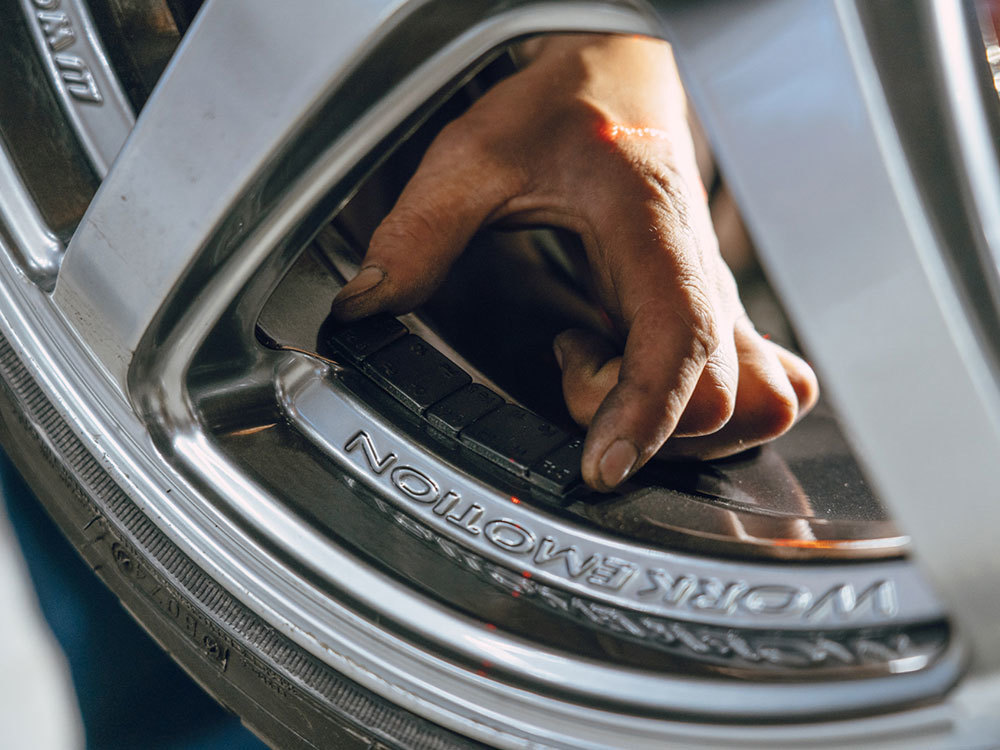
Carefully peel off the adhesive backing of the zinc weights and stick them to the designated area of the rim. Ensure that they are securely attached and evenly spaced for effective balancing.
5.5 Test the Balance
After installation, test the wheel balance using a balancing machine. If necessary, make adjustments by adding or removing weights to achieve perfect balance.
6. Maintenance and Care for Balanced Rims
Maintaining the balance of your wheels requires regular checks and care. Here are some tips to ensure your aluminum rims remain balanced:
6.1 Regular Inspections
Periodically inspect your wheels for signs of imbalance, such as vibrations or uneven tire wear. Regular check-ups can help identify issues early.
6.2 Clean the Rims
Keep your aluminum rims clean to prevent dirt and grime from affecting the adhesive of the zinc weights. Regular cleaning can extend the life of the weights and rims.
6.3 Rebalance as Necessary
If you notice changes in vehicle handling or vibrations, consider rebalancing your wheels. Factors such as tire wear and road conditions can impact balance.
7. Common Issues with Wheel Balancing
Despite the benefits of zinc stick-on weights, several common issues can arise during the balancing process:
7.1 Improper Installation
If weights are not applied securely or are misaligned, they can lead to imbalance. Ensure proper installation following the guidelines provided.
7.2 Incompatible Weights
Using the wrong type or size of weights for your rims may result in inadequate balancing. Always verify compatibility before installation.
7.3 Environmental Conditions
Extreme temperatures or exposure to harsh conditions can affect the adhesive properties of stick-on weights. Avoid exposing your vehicle to such extremes for prolonged periods.
8. Frequently Asked Questions
8.1 How long do zinc stick-on wheel weights last?
Zinc stick-on wheel weights can last for several years, depending on driving conditions and maintenance. Regular inspections can help identify when to replace them.
8.2 Can I use zinc weights on all types of rims?
While zinc weights are suitable for most aluminum rims, always check compatibility with your specific rim type.
8.3 Are zinc stick-on weights better than clip-on weights?
Zinc stick-on weights offer aesthetic advantages and are less likely to damage rims. They also provide an effective balancing solution for many vehicle owners.
8.4 How often should I balance my wheels?
It’s advisable to balance your wheels whenever you notice vibrations, after tire rotations, or at least once a year during routine maintenance.
8.5 What should I do if my wheel remains unbalanced after weight installation?
If your wheel is still unbalanced after applying weights, revisit the installation process, check for proper weight selection, or consult a professional for assistance.
9. Conclusion
In conclusion, **zinc stick-on wheel weights** provide a practical and efficient solution for maintaining the balance of aluminum rims. Their durability, aesthetic appeal, and ease of installation make them a top choice for vehicle owners looking to optimize performance and safety. By understanding their advantages and following best practices for installation and maintenance, you can ensure that your wheels remain balanced for a smoother, safer driving experience. Investing in quality balancing solutions like zinc stick-on weights is essential for preserving the longevity and functionality of your vehicle's wheels.
TAG:
Related Posts
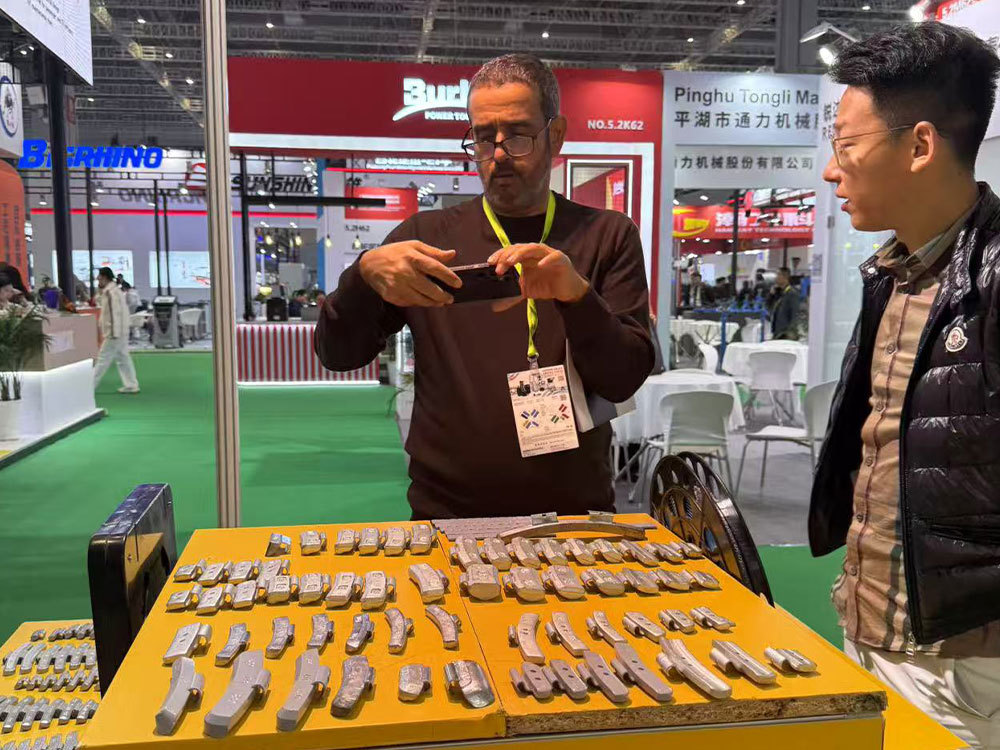
Global automotive wheel balance block industry
The global market size of automotive wheel balance weights in 2024 is approximately 4.92 billion yuan. It is expected to maintain a steady growth trend in the future

Contact Us
Sales Business:
Tel: +86-311-85939575 / +86-13673130619
Phone: +86-13933004411 (Manager Huang)
Email: wheelweights@hxphk.com
Contact Factory:
Tel: +86-317-4452233
Tel: +86-317-4452855
Email: hxphkc@126.com
What We Offer
Hebei Pan Asian Wheel weights Co.,Ltd. is an automobile wheel balance weights production enterprise that integrates scientific research, production, and sales.