
The Ultimate Guide to Installing Zinc Alloy Clip-On Weights on Your Light Vehicle
2025-09-11


The Ultimate Guide to Installing Zinc Alloy Clip-On Weights on Your Light Vehicle
Table of Contents
1. Introduction to Clip-On Weights
2. Importance of Zinc Alloy Clip-On Weights
3. Types of Clip-On Weights
4. Step-by-Step Installation Process
5. Pre-Installation Tips for Optimal Performance
6. Common Mistakes to Avoid
7. Maintenance and Care for Clip-On Weights
8.
The Ultimate Guide to Installing Zinc Alloy Clip-On Weights on Your Light Vehicle
Table of Contents
- 1. Introduction to Clip-On Weights
- 2. Importance of Zinc Alloy Clip-On Weights
- 3. Types of Clip-On Weights
- 4. Step-by-Step Installation Process
- 5. Pre-Installation Tips for Optimal Performance
- 6. Common Mistakes to Avoid
- 7. Maintenance and Care for Clip-On Weights
- 8. Frequently Asked Questions
- 9. Conclusion
1. Introduction to Clip-On Weights
Zinc alloy clip-on weights play a crucial role in maintaining a vehicle's balance and ensuring smooth operation. These weights are essential for wheel balancing, helping to distribute the weight evenly across the wheels, which in turn enhances stability and reduces tire wear. Understanding the installation process is vital for every vehicle owner, especially those who prioritize performance and safety.
2. Importance of Zinc Alloy Clip-On Weights
The use of zinc alloy for clip-on weights comes with several advantages. Zinc is known for its durability and resistance to corrosion, making it an ideal material for automotive applications. Using zinc alloy weights ensures that your vehicle maintains its balance under various driving conditions, leading to improved traction and fuel efficiency. Moreover, the correct installation of these weights can minimize vibrations, enhancing ride comfort.
3. Types of Clip-On Weights
Understanding the types of clip-on weights available is essential for selecting the right one for your vehicle. The main types include:
3.1 Standard Clip-On Weights
These weights are the most commonly used and are designed to be attached to the rims of the wheels. They come in various sizes and weights, allowing for precise balancing.
3.2 Adhesive Weights
Though not clip-on, adhesive weights are worth mentioning. They stick to the inside of the wheel rim and are less noticeable, maintaining aesthetic appeal.
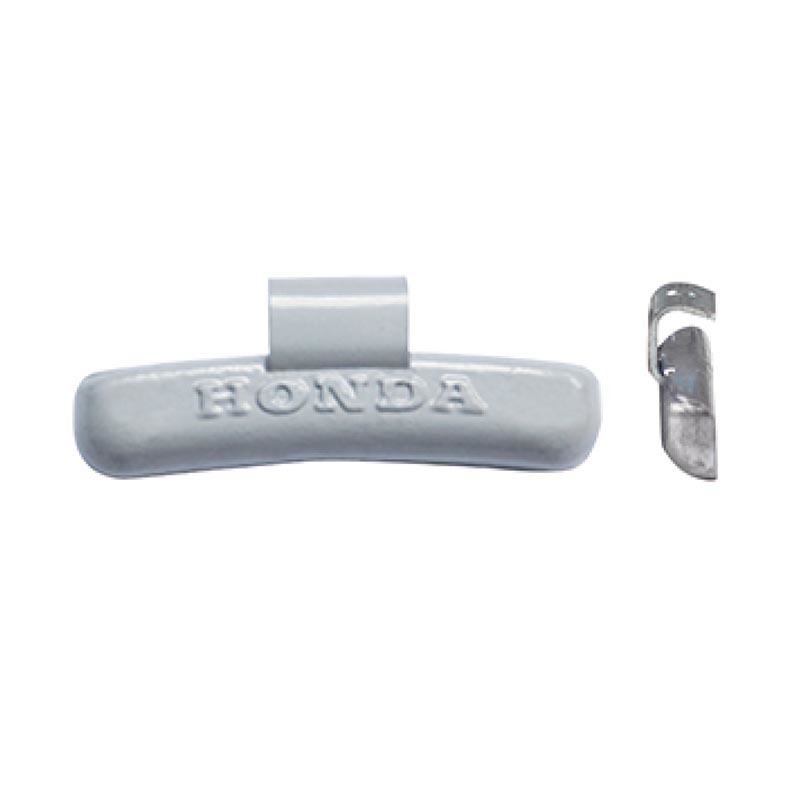
3.3 Zinc Alloy Clip-On Weights
The focus of this guide, these weights offer superior performance and longevity compared to traditional lead weights, making them a favored choice among automotive enthusiasts.
4. Step-by-Step Installation Process
Installing zinc alloy clip-on weights is a straightforward process, but it requires precision and care. Follow these detailed steps for a successful installation.
4.1 Gather the Necessary Tools
Before you begin, ensure you have the following tools:
- Tire iron
- Wheel balancer
- Clip-on weights
- Safety gloves
- Clean cloth
4.2 Prepare the Vehicle
- Park your vehicle on a level surface and engage the handbrake.
- Remove the wheel covers, if applicable.
4.3 Remove the Wheel
- Loosen the lug nuts using the tire iron but do not remove them completely.
- Jack up the vehicle and remove the lug nuts.
- Take off the wheel and place it on a stable surface.
4.4 Clean the Rim
Using a clean cloth, wipe the rim to remove any dirt or debris that could interfere with the adhesion of the weights.
4.5 Balance the Wheel
Using a wheel balancer, determine where the weights need to be placed. The balancer will indicate the exact position and weight required for optimal balancing.
4.6 Attach the Clip-On Weights
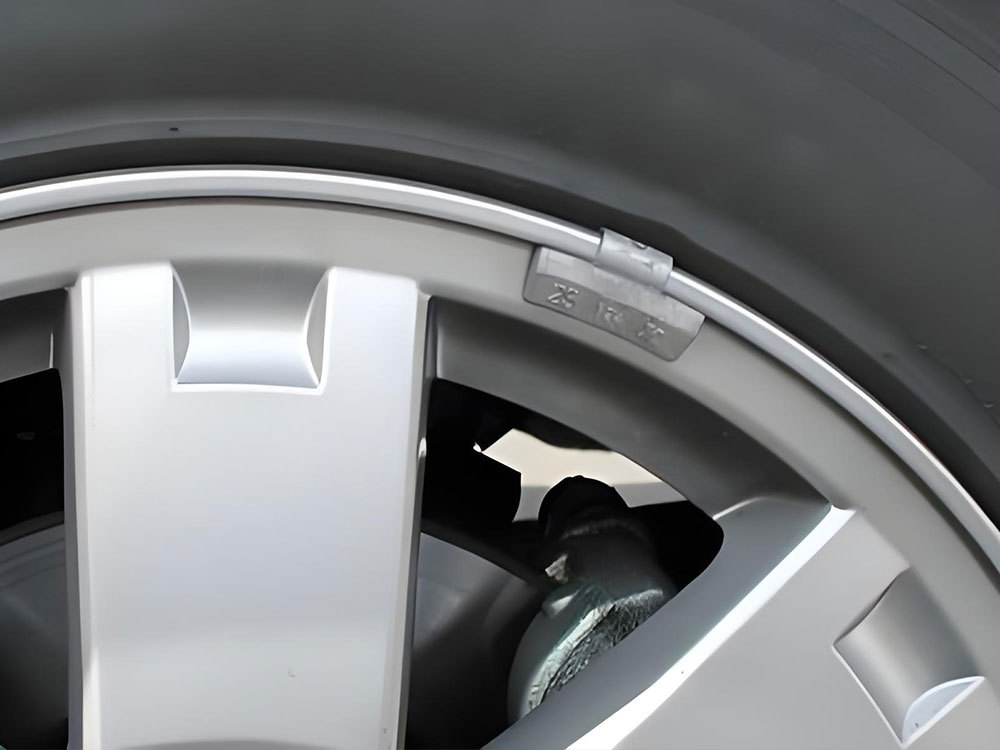
- Position the zinc alloy clip-on weights on the rim according to the balancer's recommendation.
- Ensure the clip securely grips the rim without any gaps.
4.7 Reinstall the Wheel
- Place the wheel back onto the hub and hand-tighten the lug nuts.
- Lower the vehicle and then fully tighten the lug nuts in a star pattern to ensure even pressure.
4.8 Final Check
After reinstalling the wheel, it’s advisable to perform a test drive. This allows you to confirm that the weights are correctly installed and that the vehicle operates smoothly.
5. Pre-Installation Tips for Optimal Performance
Before diving into the installation, consider these tips to enhance the process:
5.1 Choose the Right Weights
Always select zinc alloy clip-on weights that match your vehicle's specifications. Consult your owner's manual or a professional if unsure.
5.2 Check for Rim Damage
Inspect the wheel rim for any signs of damage or corrosion, as this can impact the performance of the weights.
5.3 Wear Safety Gear
Safety should always be a priority. Wear gloves and safety glasses to protect yourself during the installation.
6. Common Mistakes to Avoid
To ensure a flawless installation, watch out for these common pitfalls:
6.1 Skipping the Balancing Process
Failing to balance the wheel properly can lead to uneven tire wear and handling issues.
6.2 Improper Weight Placement
Incorrect placement of the weights can negate their benefits. Always refer to the wheel balancer.
6.3 Over-Tightening Lug Nuts
Over-tightening can damage the wheel and hub assembly. Always follow the manufacturer's recommended torque specifications.
7. Maintenance and Care for Clip-On Weights
Proper maintenance can extend the life of your zinc alloy clip-on weights and improve overall vehicle performance.
7.1 Regular Inspections
Periodically check the weights to ensure they remain securely attached and show no signs of wear or corrosion.
7.2 Clean the Wheels
Regular cleaning of the wheel rims helps prevent buildup and corrosion, ensuring the weights function optimally.
7.3 Rotate Tires Regularly
Regular tire rotation promotes even wear, which can prolong the life of your clip-on weights.
8. Frequently Asked Questions
8.1 How do I know if my clip-on weights need replacing?
Signs that your clip-on weights may need replacing include visible corrosion, weight loss, or if your vehicle starts to vibrate.
8.2 Can I install clip-on weights myself?
Yes, with the right tools and following the correct procedures, you can install clip-on weights yourself.
8.3 What is the lifespan of zinc alloy clip-on weights?
Zinc alloy clip-on weights can last several years, depending on driving conditions and maintenance.
8.4 Are there any alternatives to zinc alloy weights?
Yes, lead weights and adhesive weights are common alternatives, though zinc alloy is preferred for its durability.
8.5 How often should I check my wheel balance?
It’s advisable to check your wheel balance at least once every year or if you notice any handling issues.
9. Conclusion
Installing zinc alloy clip-on weights on your light vehicle is a straightforward process that significantly contributes to your vehicle's performance and safety. By following the best practices outlined in this guide, you can ensure a successful installation and optimal vehicle operation. Regular maintenance and careful attention to the installation process will enhance your driving experience, making it smoother and more enjoyable. With proper care, your zinc alloy clip-on weights will serve you well for many miles to come.
TAG:
Related Posts
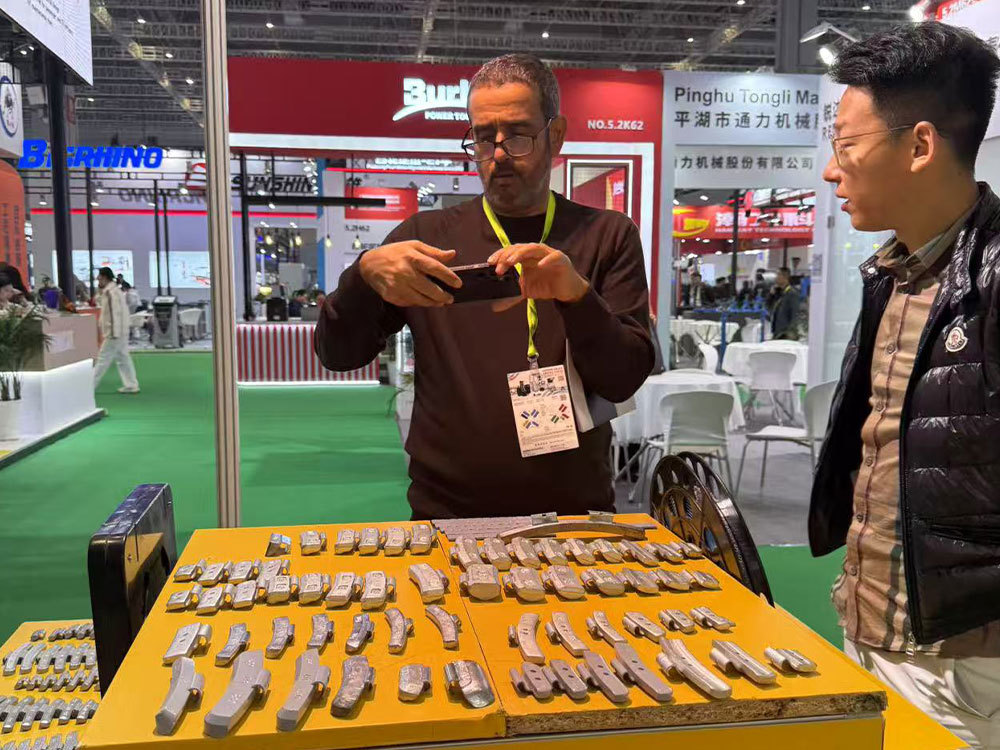
Global automotive wheel balance block industry
The global market size of automotive wheel balance weights in 2024 is approximately 4.92 billion yuan. It is expected to maintain a steady growth trend in the future

Contact Us
Sales Business:
Tel: +86-311-85939575 / +86-13673130619
Phone: +86-13933004411 (Manager Huang)
Email: wheelweights@hxphk.com
Contact Factory:
Tel: +86-317-4452233
Tel: +86-317-4452855
Email: hxphkc@126.com
What We Offer
Hebei Pan Asian Wheel weights Co.,Ltd. is an automobile wheel balance weights production enterprise that integrates scientific research, production, and sales.