
Why Zinc Adhesive Weights are Critical for Steel Wheel Performance
2025-09-11


Why Zinc Adhesive Weights are Critical for Steel Wheel Performance
Table of Contents
1. Introduction
2. The Importance of Wheel Balancing
3. What are Zinc Adhesive Weights?
4. Benefits of Using Zinc Adhesive Weights
4.1. Enhanced Safety
4.2. Improved Performance
4.3. Increased Longevity
5. Application of Zinc Adhesive Weights
6. Zinc Adhesive Weights vs. Ot
Why Zinc Adhesive Weights are Critical for Steel Wheel Performance
Table of Contents
- 1. Introduction
- 2. The Importance of Wheel Balancing
- 3. What are Zinc Adhesive Weights?
- 4. Benefits of Using Zinc Adhesive Weights
- 5. Application of Zinc Adhesive Weights
- 6. Zinc Adhesive Weights vs. Other Weight Types
- 7. Environmental Impact of Zinc Adhesive Weights
- 8. Conclusion
- 9. FAQs
1. Introduction
In the realm of automotive components, the performance of steel wheels is paramount. The driving experience, safety, and vehicle longevity are closely tied to how well these wheels function. A key component often overlooked in this performance equation is the use of zinc adhesive weights. Here, we delve into the critical reasons why these weights are indispensable for optimizing steel wheel performance.
2. The Importance of Wheel Balancing
Wheel balancing is a vital process that ensures uniform weight distribution around the wheel. Imbalances can lead to a plethora of issues, including uneven tire wear, steering problems, and vibrations. By utilizing zinc adhesive weights in the balancing process, we can mitigate these concerns effectively.
3. What are Zinc Adhesive Weights?
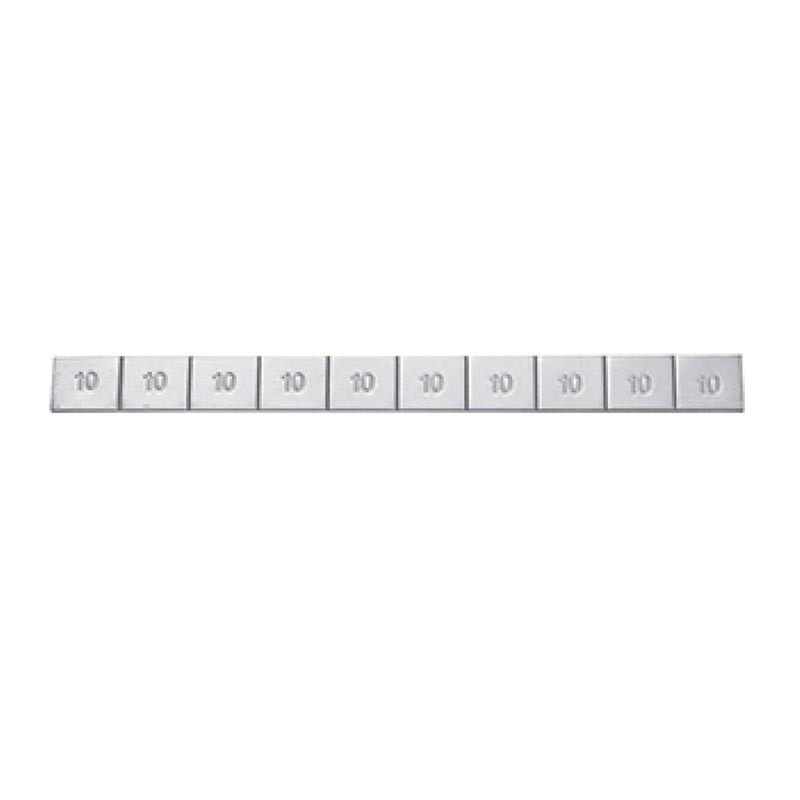
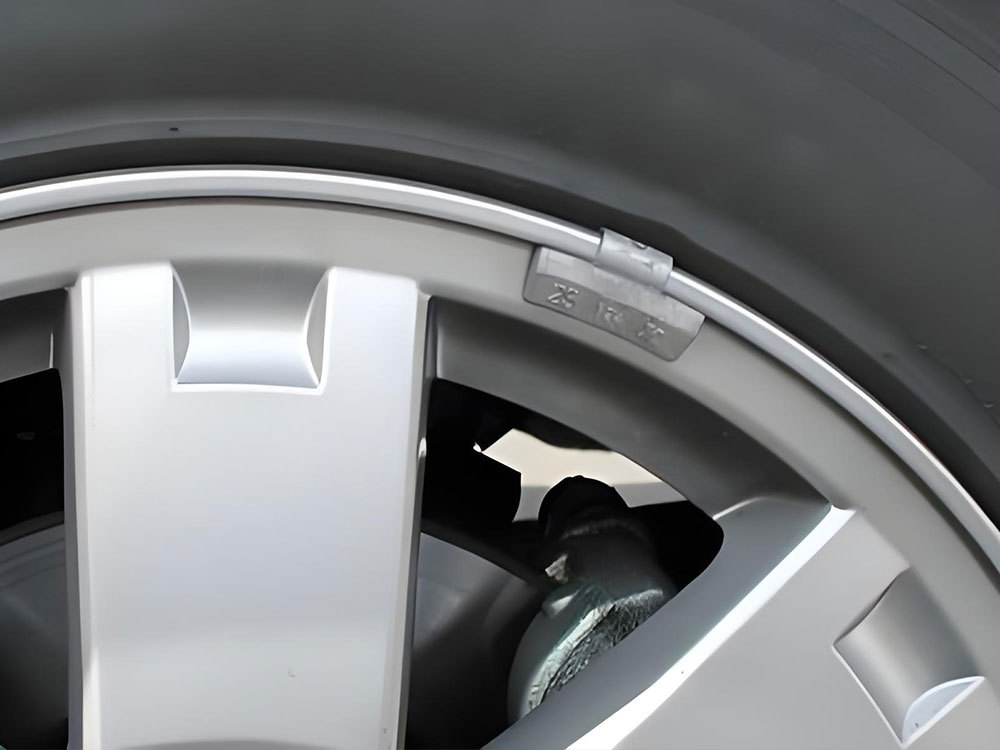
Zinc adhesive weights are small, flat, metal pieces designed to adhere to the rim of a wheel. Made predominantly from zinc, these weights come with a strong adhesive backing, allowing for easy installation. Their primary function is to adjust the balance of the wheel, ensuring optimal performance and functionality.
4. Benefits of Using Zinc Adhesive Weights
Zinc adhesive weights offer numerous advantages, making them a preferred choice among automotive professionals. Let's explore these benefits in detail.
4.1. Enhanced Safety
Safety is non-negotiable when it comes to vehicle performance. Imbalanced wheels can lead to steering instability, resulting in hazardous driving conditions. Zinc adhesive weights provide a precise solution to balance wheels effectively, substantially lowering the risk of accidents.
4.2. Improved Performance
The performance of a vehicle hinges on many factors, and wheel balance plays a pivotal role. By employing zinc adhesive weights, drivers experience smoother rides, better handling, and improved fuel efficiency. These weights ensure that the wheels rotate uniformly, allowing the vehicle to respond to steering inputs accurately.
4.3. Increased Longevity
Investing in zinc adhesive weights not only enhances performance but also extends the lifespan of both wheels and tires. Properly balanced wheels reduce stress and wear on tires, translating to longer-lasting components and fewer replacements.
5. Application of Zinc Adhesive Weights
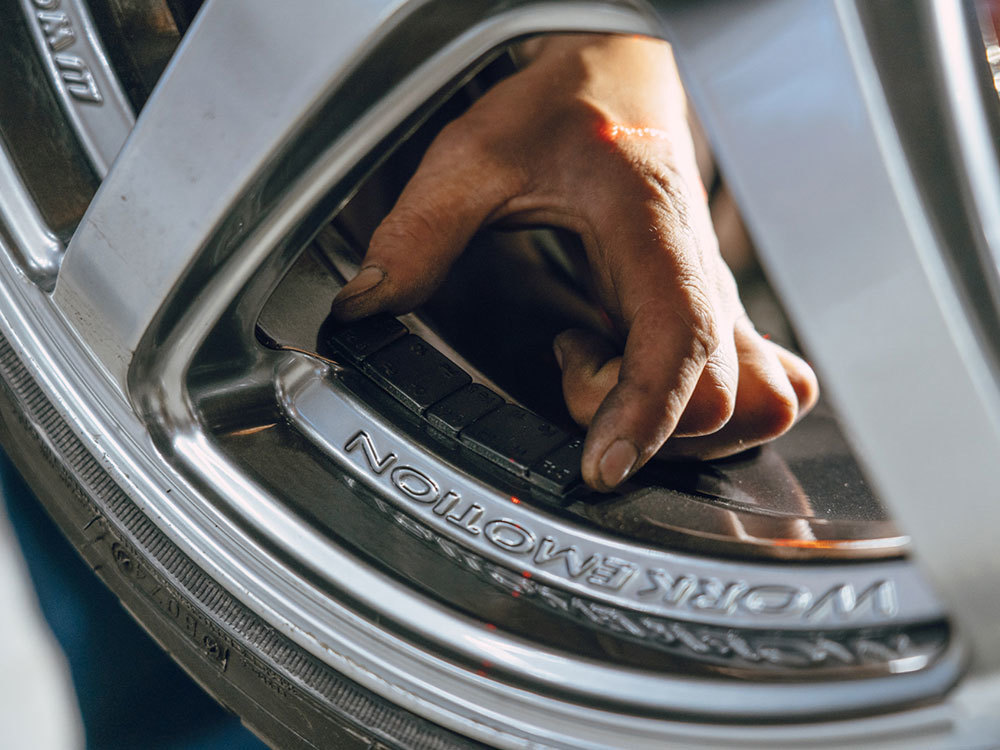
The application of zinc adhesive weights can occur during the initial installation of wheels or as part of routine maintenance. Professionals typically use a specialized balancing machine for precise placement. This machine identifies the exact location where weights need to be added, facilitating optimal balancing.
For added convenience, DIY enthusiasts can also apply these weights. However, it’s crucial to ensure that the wheel is clean and free of debris before adhesion. This guarantees a secure fit, preventing weights from falling off during operation.
6. Zinc Adhesive Weights vs. Other Weight Types
When comparing zinc adhesive weights to other types, such as lead or steel weights, zinc emerges as a superior choice. Lead weights can pose health risks and are increasingly restricted due to environmental regulations. Steel weights, while durable, do not offer the same adhesive properties that zinc does.
Zinc adhesive weights combine the benefits of durability and ease of use, making them a versatile solution for modern vehicles. Their lightweight nature also aids in minimizing rotational inertia, further enhancing performance.
7. Environmental Impact of Zinc Adhesive Weights
In today’s eco-conscious world, the environmental impact of automotive components is a significant consideration. Zinc is a more environmentally friendly alternative compared to lead. Using zinc adhesive weights helps manufacturers comply with safety and environmental standards, making it a responsible choice for automotive applications.
Additionally, zinc is easily recyclable, contributing to a circular economy and reducing the demand for new raw materials. This approach not only minimizes waste but also promotes sustainability in automotive manufacturing.
8. Conclusion
In conclusion, the critical role of zinc adhesive weights in enhancing steel wheel performance cannot be overstated. These weights ensure safety, improve performance, and increase the lifespan of critical vehicle components. By opting for zinc adhesive weights, both manufacturers and consumers can enjoy the benefits of a smoother driving experience and a reduced environmental footprint.
Ultimately, the investment in zinc adhesive weights is an investment in safety and performance, making them a vital component in modern automotive engineering.
9. FAQs
1. What purpose do zinc adhesive weights serve?
Zinc adhesive weights are used to balance steel wheels, ensuring uniform weight distribution and preventing vibration or instability during driving.
2. Can zinc adhesive weights improve fuel efficiency?
Yes, by ensuring proper wheel balance, zinc adhesive weights contribute to better fuel efficiency as they allow for smoother wheel rotation and reduced rolling resistance.
3. Are zinc adhesive weights easy to install?
Absolutely! Zinc adhesive weights come with a strong adhesive backing, making installation straightforward for both professionals and DIY enthusiasts.
4. How do zinc adhesive weights compare to lead weights?
Zinc adhesive weights are safer and more environmentally friendly than lead weights, which can be hazardous and are increasingly restricted in many regions.
5. How often should I check my wheel balance?
It’s advisable to check your wheel balance every time you rotate your tires or if you notice vibrations while driving, which may indicate an imbalance.
By utilizing this comprehensive guide, we aim to equip readers with all the knowledge needed to appreciate the significance of zinc adhesive weights in steel wheel performance.
TAG:
Related Posts
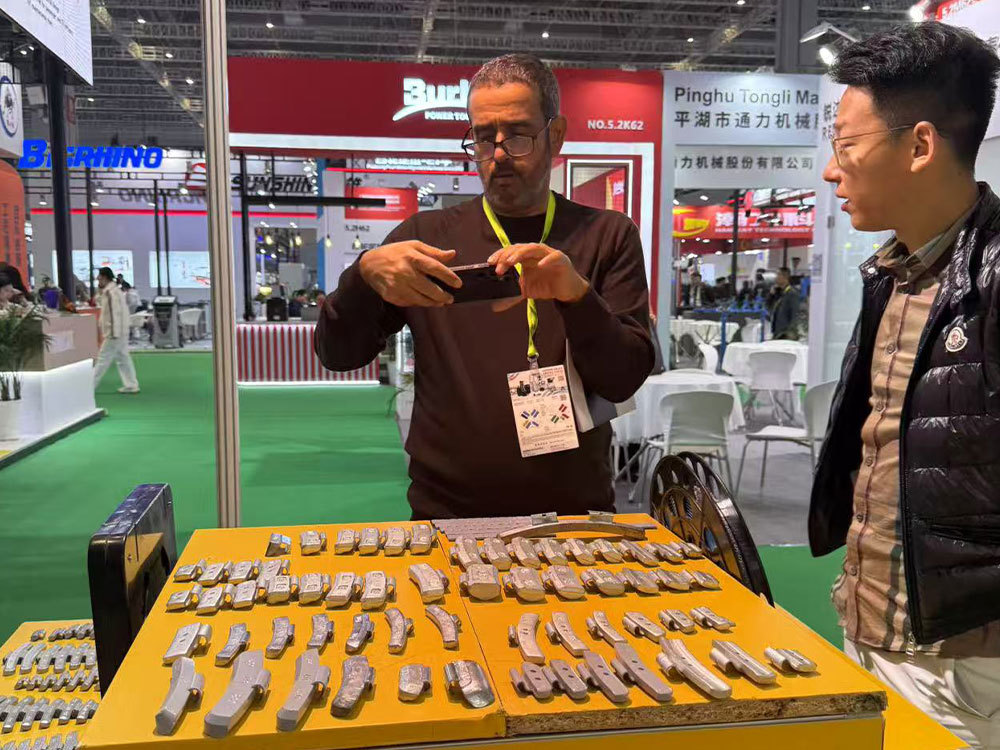
Global automotive wheel balance block industry
The global market size of automotive wheel balance weights in 2024 is approximately 4.92 billion yuan. It is expected to maintain a steady growth trend in the future

Contact Us
Sales Business:
Tel: +86-311-85939575 / +86-13673130619
Phone: +86-13933004411 (Manager Huang)
Email: wheelweights@hxphk.com
Contact Factory:
Tel: +86-317-4452233
Tel: +86-317-4452855
Email: hxphkc@126.com
What We Offer
Hebei Pan Asian Wheel weights Co.,Ltd. is an automobile wheel balance weights production enterprise that integrates scientific research, production, and sales.