Considerations for Customizing Zinc Adhesive Wheel Weights for Steel Wheels for Automakers
2025-08-22


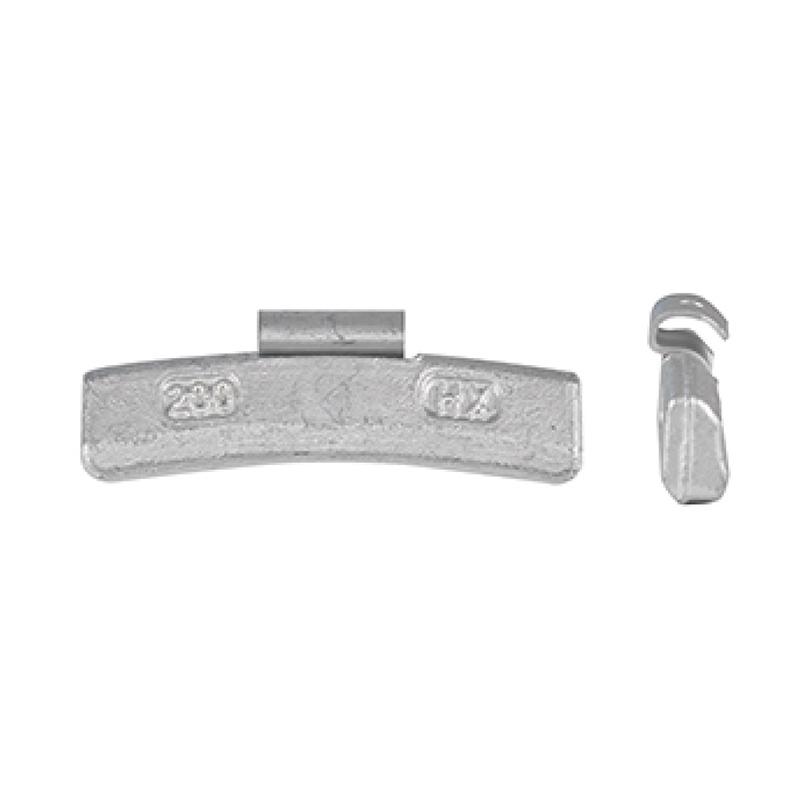
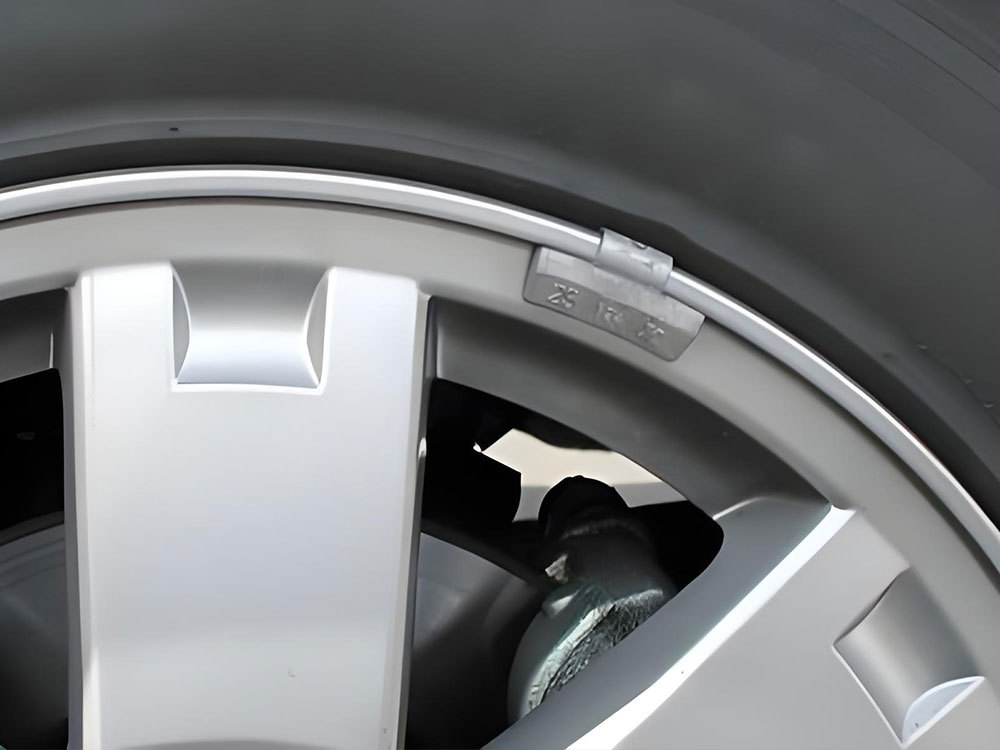
With increasingly stringent environmental regulations, zinc adhesive wheel weights for steel wheels are gradually replacing traditional lead weights due to their lead-free, recyclable, and excellent corrosion resistance, becoming a key option for automakers' wheel balancing. When customizing zinc adhesive wheel weights for steel wheels, automakers need to focus on several key aspects to ensure product performance, safety, and cost control.
Clarify the vehicle model and wheel specifications. Differences in vehicle model, wheel diameter, and steel wheel hub structure directly affect the size, weight, and adhesive placement of the wheel weight. When customizing, automakers should provide detailed wheel specifications, including diameter, width, rim material, and installation space, to enable suppliers to design the most suitable wheel weight solution.
Material Selection and Quality Control. High-quality zinc alloy is key to ensuring the wheel weight's strength and corrosion resistance. Purchasers should confirm that suppliers use standard zinc alloy materials and conduct batch testing. Suppliers should also provide composition analysis reports and mechanical property testing to ensure the wheel weights remain stable under high temperature, humidity, and road impact conditions.
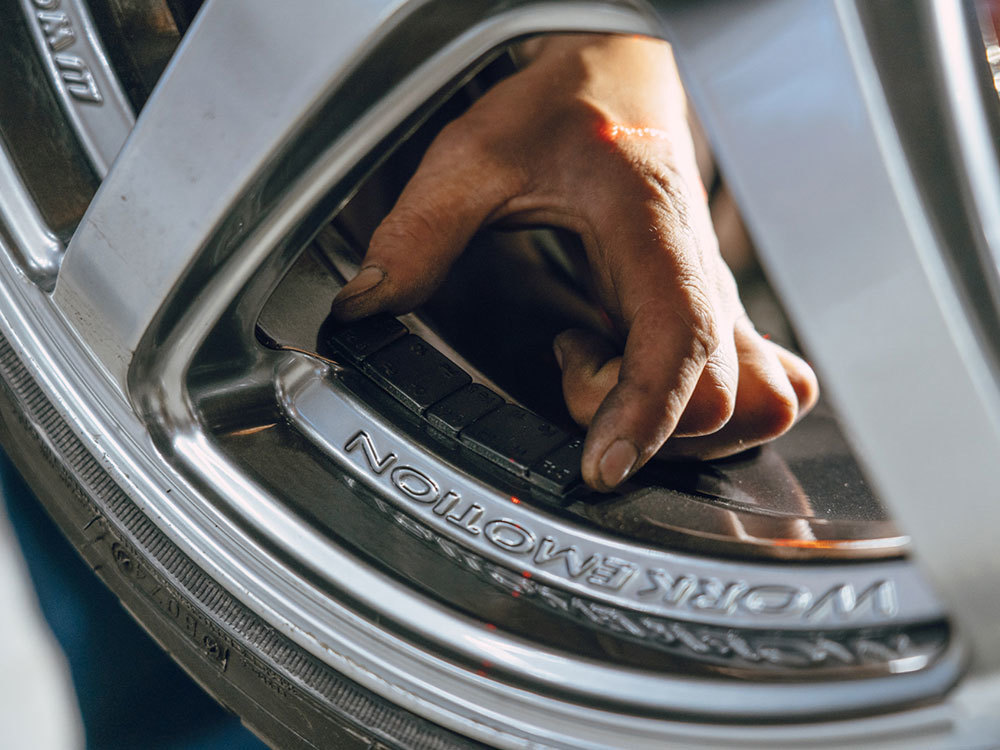
Adhesive Performance and Processing. The key to zinc adhesive wheel weights for steel wheels lies in the reliability of the adhesive. The adhesive must possess high shear strength, high temperature resistance, and water resistance, and form a durable bond to the wheel hub surface. When customizing, automakers should communicate with suppliers regarding the adhesive type, thickness, and curing process to ensure that it does not fall off during assembly and operation.
Safety Standards and Testing Verification. Customized wheel weights must comply with automotive industry safety standards, such as ISO 8855 or domestic vehicle inspection regulations. Suppliers should provide vibration resistance testing, environmental aging testing, and adhesion test reports to ensure stable performance under long-term driving and extreme road conditions.
Batch Consistency and Supply Chain Management. Automakers must ensure consistent wheel weight dimensions, weight, and adhesion performance during large-scale production. Selecting suppliers with mature production processes, stable supply chains, and quality management systems can reduce the risk of rework and assembly issues, ensuring consistent performance across the entire vehicle.
When customizing zinc adhesive wheel weights for steel wheels, automakers should comprehensively consider five aspects: vehicle specifications, materials and quality, adhesive processing, safety testing, and batch consistency. Only by selecting reliable suppliers and strictly controlling the customization process can the long-term stability, safety and environmental compliance of wheel weights be guaranteed.
TAG:
Related Posts
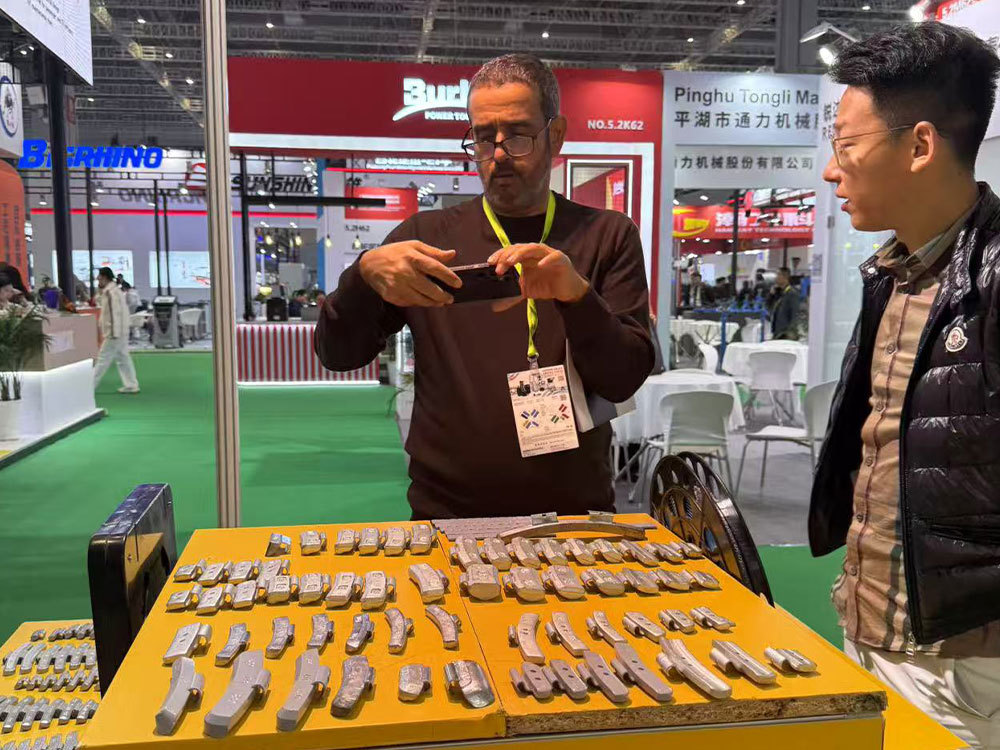
Global automotive wheel balance block industry
Contact Us
Sales Business:
Tel: +86-311-85939575 / +86-13673130619
Phone: +86-13933004411 (Manager Huang)
Email: wheelweights@hxphk.com
Contact Factory:
Tel: +86-317-4452233
Tel: +86-317-4452855
Email: hxphkc@126.com
What We Offer
Hebei Pan Asian Wheel weights Co.,Ltd. is an automobile wheel balance weights production enterprise that integrates scientific research, production, and sales.