
How Lead Clip on Wheel Weights Enhance Heavy Vehicle Performance
2026-06-08


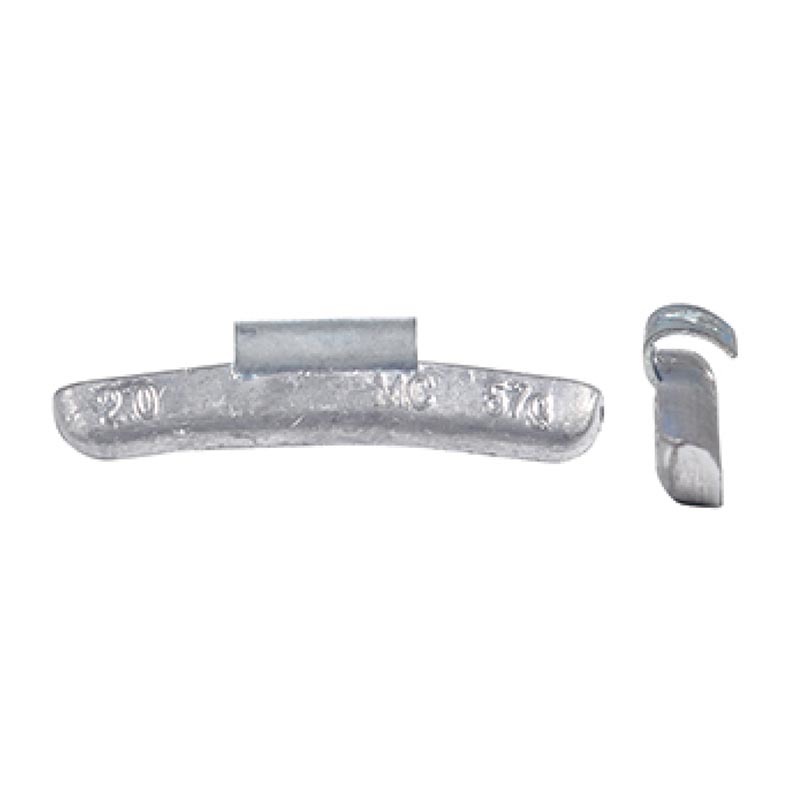
How Lead Clip on Wheel Weights Enhance Heavy Vehicle Performance
The performance of heavy vehicles relies on numerous components working in harmony, but one often overlooked aspect is the wheel weights. Specifically, lead clip on wheel weights play a crucial role in optimizing the performance of these vehicles. In this article, we will explore the various benefits of using lead clip on wheel weights, how they function, and their impact on overall vehicle performance.
Table of Contents
- Understanding Wheel Weights: A Comprehensive Overview
- The Importance of Wheel Balancing in Heavy Vehicles
- The Mechanics of Lead Clip on Wheel Weights
- Enhancing Vehicle Performance Through Proper Weight Distribution
- Fuel Efficiency Impacts of Lead Clip on Wheel Weights
- Safety Benefits of Using Lead Clip on Wheel Weights
- Tire Longevity and Performance: The Long-Term Benefits
- Installation and Maintenance of Lead Clip on Wheel Weights
- Conclusion
- Frequently Asked Questions
Understanding Wheel Weights: A Comprehensive Overview
Wheel weights are essential components used to achieve a balanced wheel assembly. The balance of a wheel is critical for the smooth operation of any vehicle, especially heavy-duty trucks and machinery. When the weight distribution is uneven, it can lead to a host of problems, such as vibrations, uneven tire wear, and reduced fuel efficiency. Lead clip on wheel weights are particularly favored due to their effectiveness and ease of application.
The Importance of Wheel Balancing in Heavy Vehicles
For heavy vehicles, wheel balancing is paramount. An unbalanced wheel can cause excessive strain on the vehicle's suspension system, leading to premature wear and increased maintenance costs. Additionally, an imbalanced wheel negatively affects the driver's experience, causing discomfort and reduced control over the vehicle. Maintaining accurate wheel balance with lead clip on wheel weights helps ensure safety and enhances overall vehicle performance.
Effects of Imbalanced Wheels
- Increased tire wear and potential blowouts
- Reduced handling and control
- Higher fuel consumption
- Excessive strain on suspension components
The Mechanics of Lead Clip on Wheel Weights
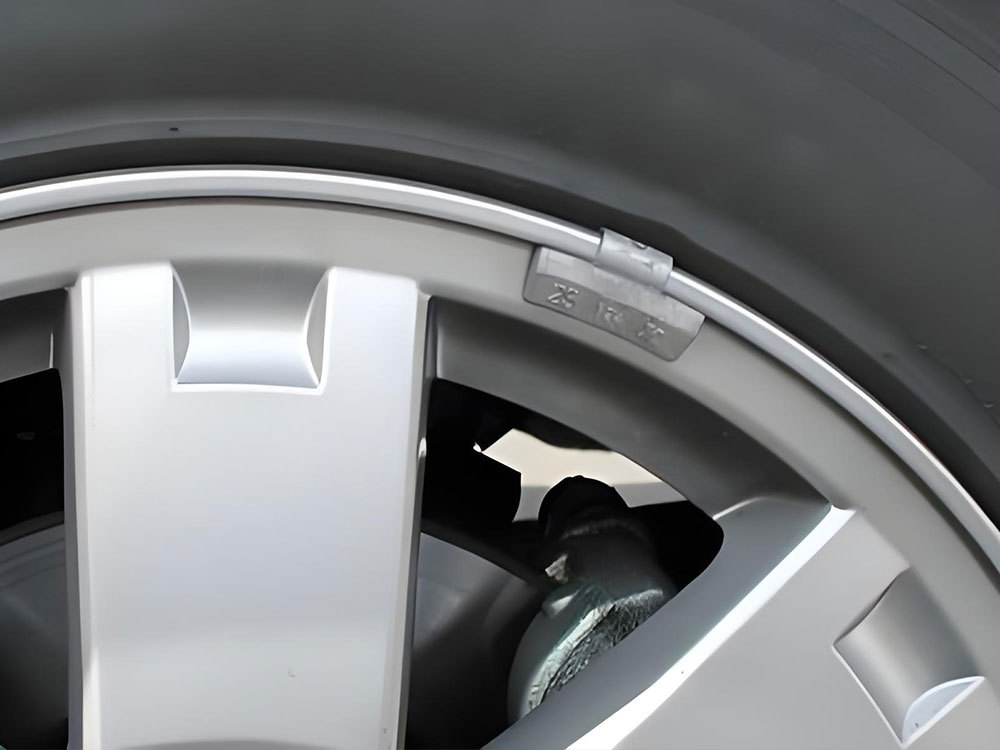
Lead clip on wheel weights are designed to attach securely to the rim of the wheel, providing a stable and effective means of achieving balance. These weights are made from lead, a dense material that offers a compact form factor while delivering significant mass. The clip mechanism allows for easy installation and adjustments as needed, making them ideal for heavy vehicle applications.
Types of Lead Clip Weights
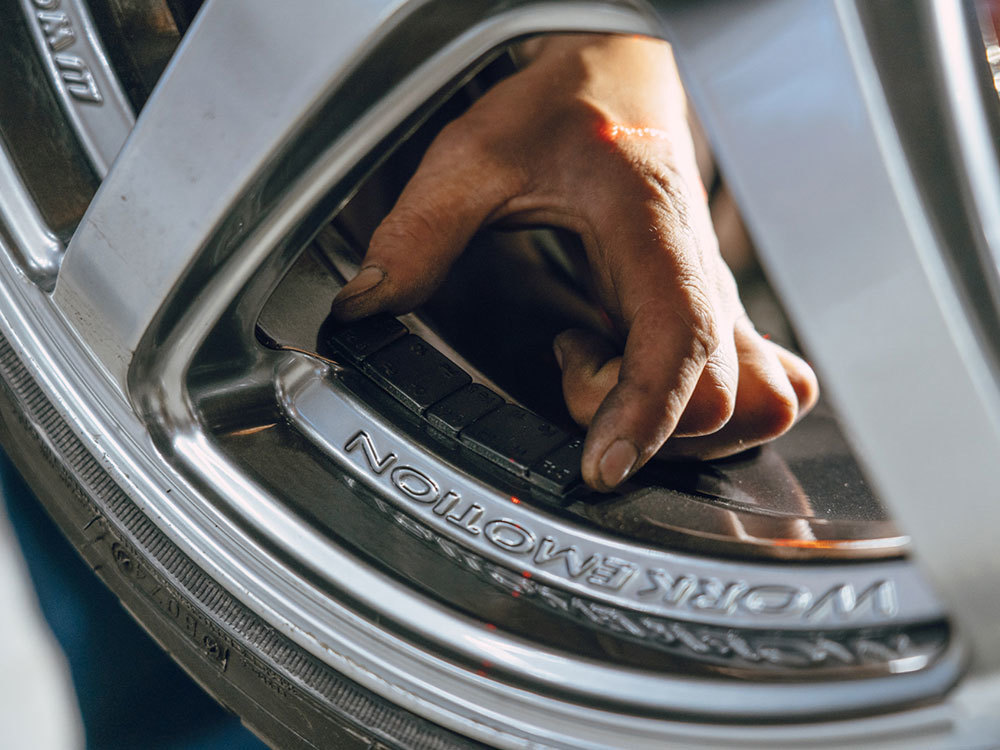
There are primarily two types of lead clip weights: adhesive and clip-on. Adhesive weights are applied directly to the rim, while clip-on weights are attached using a spring-loaded mechanism. Both types serve the same purpose but may vary in application depending on the vehicle type and wheel design.
Enhancing Vehicle Performance Through Proper Weight Distribution
Achieving the right weight distribution is crucial for the effective performance of heavy vehicles. Lead clip on wheel weights help achieve this by adding the necessary mass where it is most needed. This optimization leads to improved handling, stability, and an overall enhancement in driving dynamics.
Impact on Handling and Stability
When wheels are balanced correctly using lead clip on wheel weights, drivers experience improved steering response and stability. This is particularly important in heavy vehicles that face higher loads and potential tipping hazards. A well-balanced wheel enhances traction and reduces the risk of skidding, especially in adverse weather conditions.
Fuel Efficiency Impacts of Lead Clip on Wheel Weights
One of the significant advantages of using lead clip on wheel weights is their positive impact on fuel efficiency. An unbalanced wheel can lead to increased rolling resistance, causing the engine to work harder, thus consuming more fuel. By ensuring proper balance, lead clip weights help reduce rolling resistance, leading to better fuel economy.
Cost Savings Over Time
While the upfront cost of installing lead clip on wheel weights may be minimal, the long-term savings on fuel can be substantial. Efficient fuel consumption translates to lower operating costs for heavy vehicles, making lead clip weights an investment that pays off over time.
Safety Benefits of Using Lead Clip on Wheel Weights
Safety is a top priority in heavy vehicle operation, and lead clip on wheel weights contribute significantly to this aspect. A well-balanced wheel minimizes the risk of accidents related to loss of control, tire blowouts, and uneven wear. Heavy vehicles often operate under challenging conditions, and ensuring that every component, including wheel weights, is optimized for performance is critical for safety.
Reducing the Risk of Tire Blowouts
Tire blowouts can be catastrophic, particularly for heavy vehicles traveling at high speeds. By using lead clip on wheel weights to maintain balance, the risk of uneven tire wear and subsequent blowouts is significantly reduced, enhancing the overall safety of the vehicle and its cargo.
Tire Longevity and Performance: The Long-Term Benefits
Another compelling benefit of lead clip on wheel weights is the enhancement of tire longevity. Properly balanced wheels reduce the stress placed on tires, leading to more even wear and an extended lifespan. This longevity not only translates to cost savings but also contributes to consistent performance over time.
Optimizing Tire Life Cycle
By investing in lead clip on wheel weights, vehicle operators can maximize the life cycle of their tires. This, in turn, means fewer replacements and less environmental impact due to discarded tires. Moreover, tires that wear evenly provide better traction and handling, directly influencing the vehicle's overall performance.
Installation and Maintenance of Lead Clip on Wheel Weights
Installing lead clip on wheel weights is a straightforward process, but it requires attention to detail to ensure proper balance. It is advisable to have a professional perform the installation, especially for heavy vehicles that require precise specifications. Regular maintenance checks are also essential to ensure that the weights remain securely attached and effective over time.
Steps for Proper Installation
- Clean the wheel surface to remove any dirt or debris.
- Select the appropriate weight based on the wheel's needs.
- Attach the lead clip weight securely to the rim.
- Spin the wheel to check for balance.
- Make adjustments as necessary to achieve optimal balance.
Conclusion
In conclusion, lead clip on wheel weights play an essential role in enhancing the performance of heavy vehicles. From improving safety and fuel efficiency to extending tire life, the benefits of using these weights are substantial. By ensuring proper weight distribution, operators can enjoy a smoother driving experience and significantly reduce maintenance costs. Investing in lead clip on wheel weights is not just a practical decision; it’s a strategic move towards optimizing vehicle performance.
Frequently Asked Questions
1. What are lead clip on wheel weights made of?
Lead clip on wheel weights are primarily made from lead, a dense material that provides the necessary mass for effective wheel balancing.
2. How do I know if my wheels are unbalanced?
Signs of unbalanced wheels include vibrations while driving, uneven tire wear, and a pull to one side while steering.
3. Can I install lead clip on wheel weights myself?
While it is possible to install lead clip on wheel weights yourself, it is recommended to have a professional perform the installation for optimal results.
4. How often should I check my wheel balance?
It is advisable to check wheel balance every 5,000 to 10,000 miles or whenever you notice symptoms of imbalance.
5. What happens if I don’t use wheel weights?
Not using wheel weights can lead to unbalanced wheels, resulting in increased tire wear, reduced handling performance, and higher fuel consumption.
TAG:
Related Posts

Global automotive wheel balance block industry

Contact Us
Sales Business:
Tel: +86-311-85939575 / +86-13673130619
Phone: +86-13933004411 (Manager Huang)
Email: wheelweights@hxphk.com
Contact Factory:
Tel: +86-317-4452233
Tel: +86-317-4452855
Email: hxphkc@126.com
What We Offer
Hebei Pan Asian Wheel weights Co.,Ltd. is an automobile wheel balance weights production enterprise that integrates scientific research, production, and sales.