
Boost Your Heavy Vehicle's Efficiency with the Right Lead Clip on Wheel Weights
2026-05-13


Boost Your Heavy Vehicle's Efficiency with the Right Lead Clip on Wheel Weights
Table of Contents
1. Introduction to Lead Clip on Wheel Weights
2. Understanding Wheel Weights and Their Importance
3. Benefits of Lead Clip on Wheel Weights
4. How Lead Clip on Wheel Weights Work
5. Selecting the Right Wheel Weights for Your Heavy Vehicle
6. Installation Techniques for Lead Clip on Wheel
Boost Your Heavy Vehicle's Efficiency with the Right Lead Clip on Wheel Weights
Table of Contents
- 1. Introduction to Lead Clip on Wheel Weights
- 2. Understanding Wheel Weights and Their Importance
- 3. Benefits of Lead Clip on Wheel Weights
- 4. How Lead Clip on Wheel Weights Work
- 5. Selecting the Right Wheel Weights for Your Heavy Vehicle
- 6. Installation Techniques for Lead Clip on Wheel Weights
- 7. Maintenance Tips for Longevity and Performance
- 8. Frequently Asked Questions (FAQs)
- 9. Conclusion
1. Introduction to Lead Clip on Wheel Weights
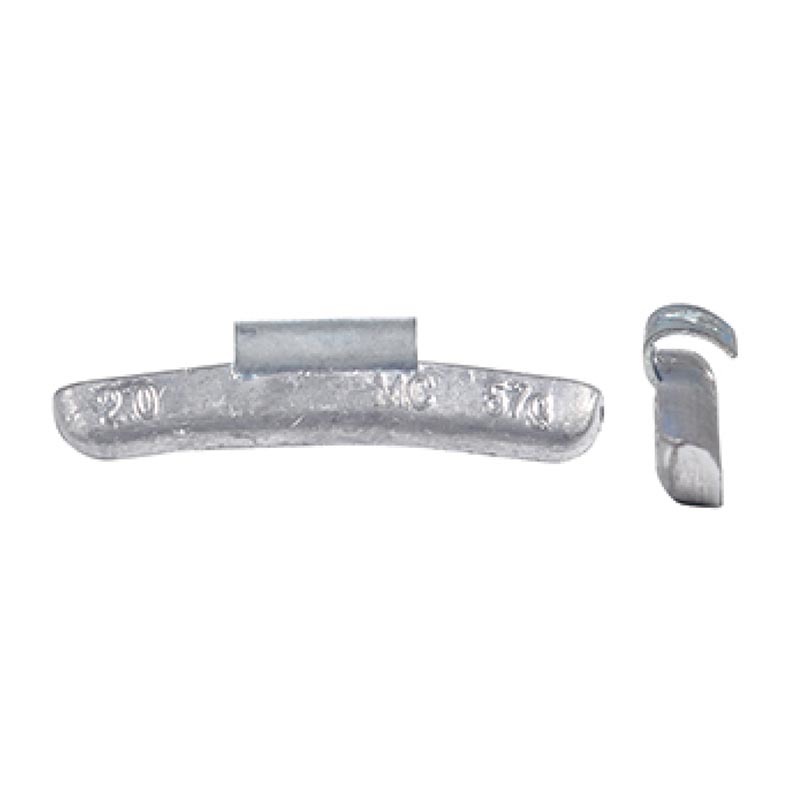
In the heavy vehicle industry, enhancing efficiency is paramount. One often overlooked component that can drastically improve your vehicle's performance is the lead clip on wheel weights. These weights are essential for maintaining the proper balance of your wheels, which directly influences handling, fuel efficiency, and tire longevity. In this article, we will delve into the intricacies of lead clip on wheel weights and how they can boost your heavy vehicle's efficiency.
2. Understanding Wheel Weights and Their Importance
Wheel weights serve a crucial role in ensuring that tires are balanced. An unbalanced wheel can lead to uneven tire wear, reduced fuel efficiency, and compromised safety. When you drive, the weight of the vehicle pushes down on the tires, and if the weight distribution isn't even, it causes vibrations and instability. This can affect steering precision and lead to premature wear of suspension components.
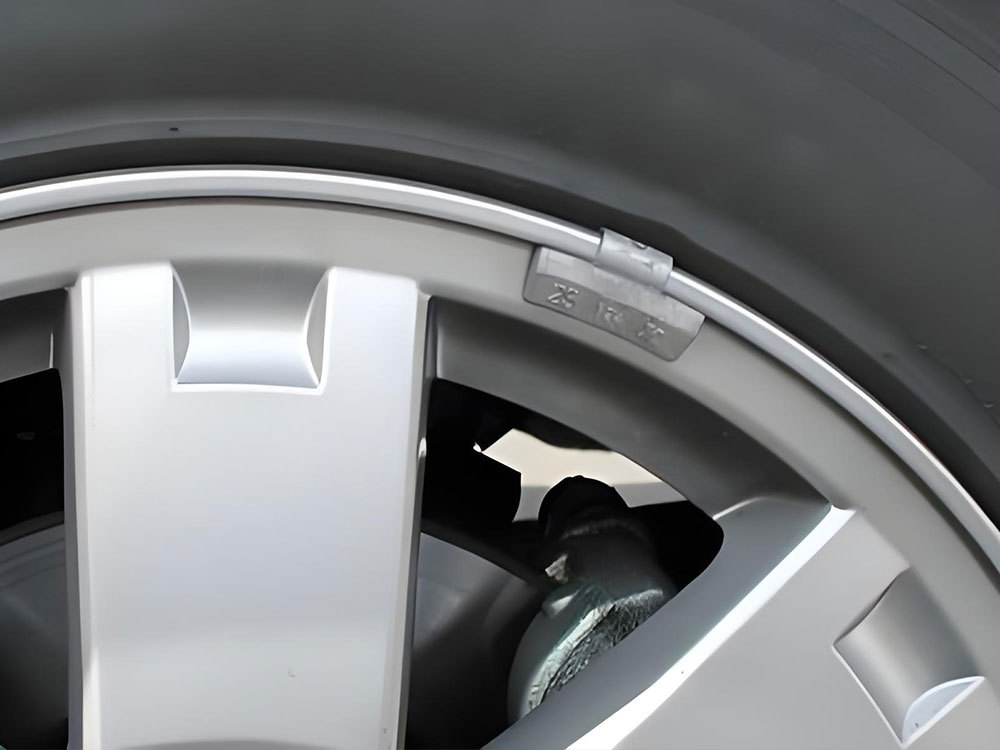
Lead clip on wheel weights are designed to counteract these problems by adhering to the rim of the wheel, thus providing a counterbalance to the tire's weight. The effective use of these weights can significantly enhance the overall performance of heavy vehicles.
3. Benefits of Lead Clip on Wheel Weights
The benefits of using lead clip on wheel weights are multi-faceted. Here are some key advantages:
3.1 Enhanced Stability
A well-balanced wheel provides enhanced stability, ensuring that your heavy vehicle remains stable during sharp turns and uneven terrain. This is particularly crucial for vehicles that carry heavy loads.
3.2 Improved Fuel Efficiency
An unbalanced wheel can cause increased rolling resistance, leading to higher fuel consumption. By using the right lead clip on wheel weights, you can improve your vehicle's fuel efficiency, thereby reducing operational costs.
3.3 Longer Tire Life
Properly balanced wheels reduce uneven tire wear, extending the life of your tires. This means fewer replacements and lower maintenance costs in the long run.
3.4 Enhanced Safety
A balanced wheel improves handling and braking efficiency, which are essential for safety, especially in heavy vehicles. This reduces the risk of accidents and enhances overall driving confidence.
4. How Lead Clip on Wheel Weights Work
Lead clip on wheel weights work by providing a counterbalance to the weight of the tire and wheel assembly. Here’s how they function:
4.1 Weight Distribution
The lead weight is strategically placed on the wheel to ensure an even distribution of weight. This counteracts any heavy spots in the tire, leading to balanced rotation.
4.2 Vibrational Reduction
An unbalanced wheel leads to vibrations that can be felt in the steering wheel and throughout the vehicle. Lead clip on weights help mitigate these vibrations, leading to a smoother driving experience.
4.3 Dynamic Balancing
When wheels are dynamically balanced, they are tested while in motion. This method ensures that the lead weights are positioned correctly to counteract any imbalances that occur at speed, enhancing stability and control.
5. Selecting the Right Wheel Weights for Your Heavy Vehicle
Choosing the right wheel weights is crucial for maximizing performance. Here are some factors to consider:
5.1 Vehicle Type
Different heavy vehicles require different weights based on size, load capacity, and wheel dimensions. Always refer to the manufacturer’s specifications for guidance.
5.2 Weight Material
While lead is a common choice due to its density and effectiveness, there are alternatives available, such as steel or zinc. Consider the trade-offs between environmental impact and performance.
5.4 Application
Understand the road conditions and typical loads your vehicle will encounter. Different environments may require different weights or installation techniques.
6. Installation Techniques for Lead Clip on Wheel Weights
Proper installation of lead clip on wheel weights is essential for ensuring they perform optimally. Here are the recommended techniques:
6.1 Tools Needed
Ensure you have the proper tools, including a tire machine, weights, and a balancing gauge. Following the manufacturer's guidelines will facilitate a smooth installation process.
6.2 Preparing the Wheel
Before applying the weights, clean the wheel’s surface to remove any dirt or debris. This ensures better adhesion and performance of the weights.
6.3 Placement of Weights
When placing the weights, strategically position them at the opposite side of any heavy spots on the tire. This requires careful observation and may involve spinning the wheel to identify any unbalanced spots.
7. Maintenance Tips for Longevity and Performance
To ensure your lead clip on wheel weights continue to perform effectively, follow these maintenance tips:
7.1 Regular Inspections
Periodically check the integrity of the weights and ensure they are securely attached. Look for any signs of wear or displacement.
7.2 Tire Rotation
Incorporate regular tire rotations as part of your maintenance routine. This helps in evenly distributing wear and maintaining balance.
7.3 Monitoring Performance
Keep an eye on your vehicle's handling and fuel efficiency. If you notice any changes, it may indicate that your wheel weights need adjustment or replacement.
8. Frequently Asked Questions (FAQs)
8.1 What are lead clip on wheel weights made of?
Lead clip on wheel weights are primarily made of lead, although alternatives such as zinc and steel are also available due to environmental considerations.
8.2 How do I know if my wheels are unbalanced?
Symptoms of unbalanced wheels include vibrations in the steering wheel, uneven tire wear, and decreased fuel efficiency.
8.3 Can I install wheel weights myself?
While it’s possible to install wheel weights yourself, it is recommended to consult with a professional to ensure proper placement and balance.
8.4 How often should I check my wheel weights?
It’s advisable to check your wheel weights every time you rotate your tires or if you notice any performance issues with your vehicle.
8.5 Do lead wheel weights harm the environment?
Lead is a toxic material, which has led to the development of alternatives such as zinc and steel. Consider using these options if environmental impact is a concern.
9. Conclusion
Investing in the right lead clip on wheel weights is a crucial step in enhancing the efficiency and performance of your heavy vehicle. By understanding their importance, choosing the appropriate type, and ensuring proper installation and maintenance, you can significantly improve handling, fuel economy, and safety. Make the most of your heavy vehicle's capabilities with the right wheel weights, and enjoy the benefits of a smoother, more efficient drive.
TAG:
Related Posts

Global automotive wheel balance block industry
The global market size of automotive wheel balance weights in 2024 is approximately 4.92 billion yuan. It is expected to maintain a steady growth trend in the future

Contact Us
Sales Business:
Tel: +86-311-85939575 / +86-13673130619
Phone: +86-13933004411 (Manager Huang)
Email: wheelweights@hxphk.com
Contact Factory:
Tel: +86-317-4452233
Tel: +86-317-4452855
Email: hxphkc@126.com
What We Offer
Hebei Pan Asian Wheel weights Co.,Ltd. is an automobile wheel balance weights production enterprise that integrates scientific research, production, and sales.