
Understanding Tire Balance Weights for Alloy Rims: Essential Insights for Optimal Performance
2026-04-24


When it comes to maintaining the performance of your vehicle, especially in terms of handling and safety, tire balance weights play an essential role, particularly for alloy rims. Alloy rims are a popular choice for many car enthusiasts due to their lightweight and aesthetic appeal. However, these benefits come with the necessity of proper tire balancing to ensure the vehicle operates smoothly.
Ti
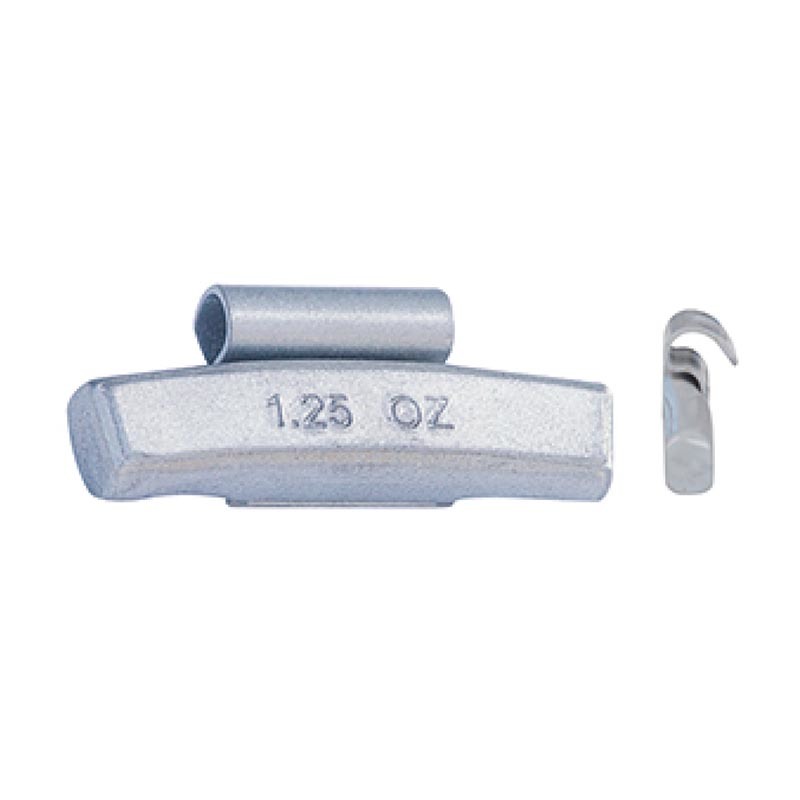
When it comes to maintaining the performance of your vehicle, especially in terms of handling and safety, tire balance weights play an essential role, particularly for alloy rims. Alloy rims are a popular choice for many car enthusiasts due to their lightweight and aesthetic appeal. However, these benefits come with the necessity of proper tire balancing to ensure the vehicle operates smoothly.
Tire balance weights are small metal or plastic pieces attached to the rim of the wheel to counteract any imbalance caused by uneven weight distribution. An unbalanced tire can lead to vibrations, uneven tire wear, and even affect the vehicle's handling. Therefore, understanding the importance and application of tire balance weights is crucial for anyone looking to optimize their vehicle's performance.
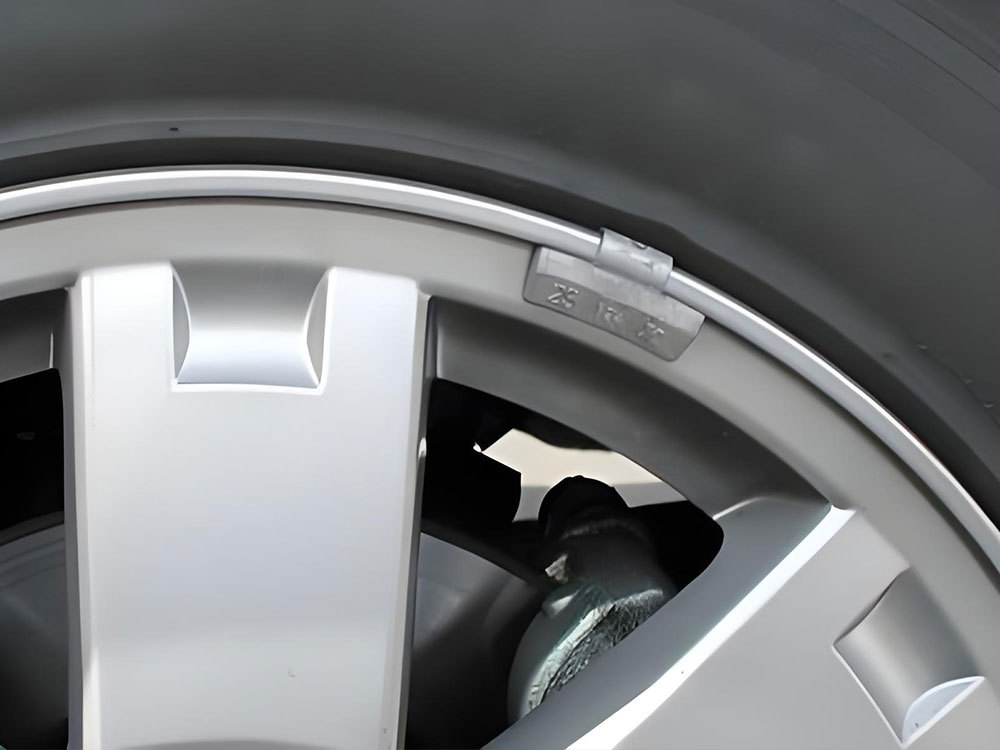
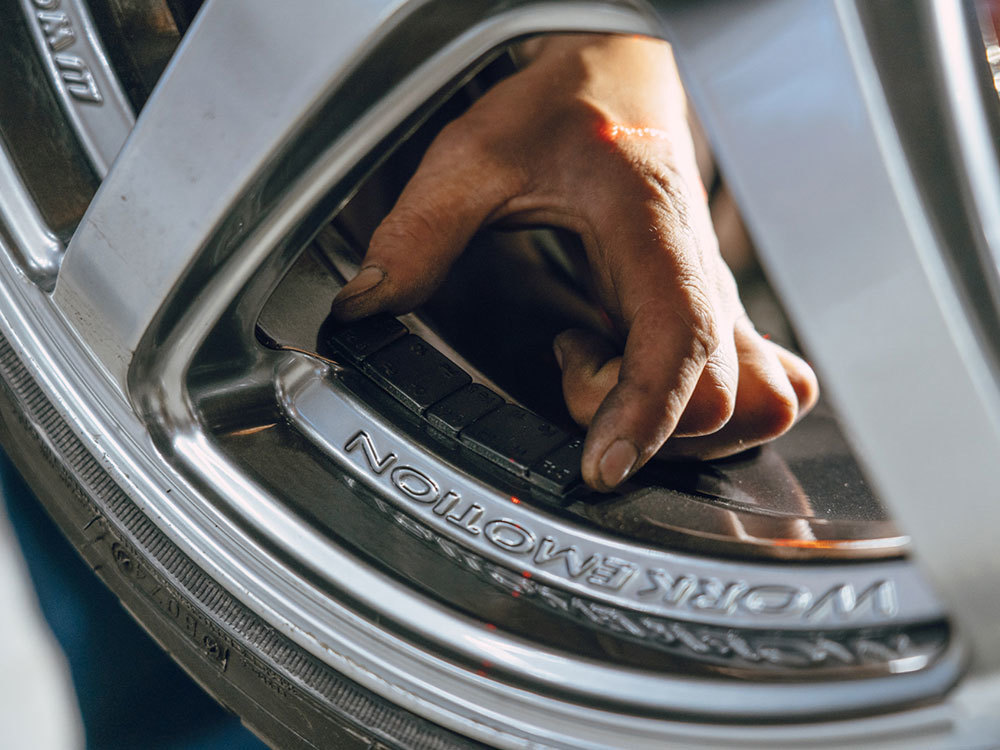
When using alloy rims, it's important to choose the correct type of tire balance weights. There are two primary categories: clip-on weights and adhesive weights. Clip-on weights are fastened to the rim's edge, while adhesive weights stick directly to the rim's interior. Each type has its advantages and drawbacks, and the choice often depends on personal preference and the specific requirements of the vehicle.
Proper installation of tire balance weights is critical. It's recommended that this procedure is carried out by a trained technician using a dynamic balancing machine, which spins the wheel to identify imbalances accurately. This ensures that the weights are applied in the right location, providing the best possible balance and performance.
Regular checks on your tire balance are advisable, particularly if you've recently installed new tires, had a tire repaired, or if you notice any changes in your vehicle's handling. Signs that your tires may be unbalanced include excessive vibration, pulling to one side, or uneven tire wear patterns.
In addition to promoting a smoother ride and enhanced handling, maintaining proper tire balance can also improve fuel efficiency. An unbalanced tire creates excess drag, leading to increased fuel consumption. Thus, investing time and effort into ensuring that your alloy rims are properly balanced can lead to both performance gains and cost savings in the long run.
In conclusion, understanding tire balance weights for alloy rims is vital for anyone who values their vehicle's performance. By ensuring that your tires are balanced correctly, you can enhance your driving experience, promote tire longevity, and maintain safety on the road. Don't overlook the importance of proper tire balancing – it’s a critical aspect of vehicle maintenance that pays dividends in the long term.
Tire balance weights are small metal or plastic pieces attached to the rim of the wheel to counteract any imbalance caused by uneven weight distribution. An unbalanced tire can lead to vibrations, uneven tire wear, and even affect the vehicle's handling. Therefore, understanding the importance and application of tire balance weights is crucial for anyone looking to optimize their vehicle's performance.
When using alloy rims, it's important to choose the correct type of tire balance weights. There are two primary categories: clip-on weights and adhesive weights. Clip-on weights are fastened to the rim's edge, while adhesive weights stick directly to the rim's interior. Each type has its advantages and drawbacks, and the choice often depends on personal preference and the specific requirements of the vehicle.
Proper installation of tire balance weights is critical. It's recommended that this procedure is carried out by a trained technician using a dynamic balancing machine, which spins the wheel to identify imbalances accurately. This ensures that the weights are applied in the right location, providing the best possible balance and performance.
Regular checks on your tire balance are advisable, particularly if you've recently installed new tires, had a tire repaired, or if you notice any changes in your vehicle's handling. Signs that your tires may be unbalanced include excessive vibration, pulling to one side, or uneven tire wear patterns.
In addition to promoting a smoother ride and enhanced handling, maintaining proper tire balance can also improve fuel efficiency. An unbalanced tire creates excess drag, leading to increased fuel consumption. Thus, investing time and effort into ensuring that your alloy rims are properly balanced can lead to both performance gains and cost savings in the long run.
In conclusion, understanding tire balance weights for alloy rims is vital for anyone who values their vehicle's performance. By ensuring that your tires are balanced correctly, you can enhance your driving experience, promote tire longevity, and maintain safety on the road. Don't overlook the importance of proper tire balancing – it’s a critical aspect of vehicle maintenance that pays dividends in the long term.
TAG:
Related Posts

Global automotive wheel balance block industry
The global market size of automotive wheel balance weights in 2024 is approximately 4.92 billion yuan. It is expected to maintain a steady growth trend in the future

Contact Us
Sales Business:
Tel: +86-311-85939575 / +86-13673130619
Phone: +86-13933004411 (Manager Huang)
Email: wheelweights@hxphk.com
Contact Factory:
Tel: +86-317-4452233
Tel: +86-317-4452855
Email: hxphkc@126.com
What We Offer
Hebei Pan Asian Wheel weights Co.,Ltd. is an automobile wheel balance weights production enterprise that integrates scientific research, production, and sales.