
Lead Clip on Wheel Weights: A Game Changer for Heavy Vehicle Safety
2026-04-09


Lead Clip on Wheel Weights: A Game Changer for Heavy Vehicle Safety
In the world of heavy vehicles, safety and performance are paramount. One of the often-overlooked components that significantly contribute to these aspects is the wheel weight. Among the various types of wheel weights available, lead clips have emerged as a game changer. In this comprehensive article, we will explore the numerous benefits of lead clips on wheel weights, their installation methods, and the reasons why they are essential for enhancing the safety and efficiency of heavy vehicles.
Table of Contents
- 1. Understanding Lead Clips and Wheel Weights
- 2. The Importance of Wheel Balancing in Heavy Vehicles
- 3. Benefits of Lead Clips on Wheel Weights
- 4. Installation Techniques for Lead Clip Wheel Weights
- 5. Safety Implications of Using Lead Clips
- 6. Maintenance and Care for Wheel Weights
- 7. Industry Standards and Regulations
- 8. The Future of Wheel Weight Technology
- 9. FAQs
1. Understanding Lead Clips and Wheel Weights
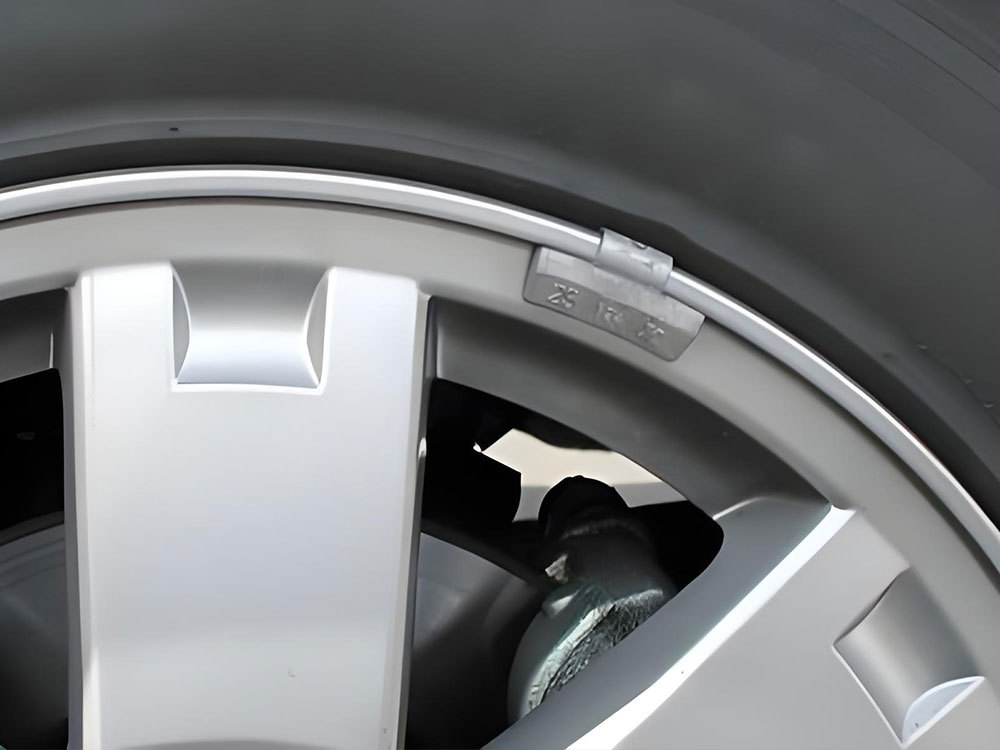
Wheel weights are crucial for maintaining the balance of wheels in heavy vehicles. Without proper balancing, vehicles may experience uneven tire wear, reduced fuel efficiency, and compromised safety. Lead clips are a specific type of wheel weight designed to enhance the attachment and performance of these weights. These clips secure the weights firmly to the wheel rim, ensuring that they remain in place even under the most demanding conditions.
What Are Lead Clips?
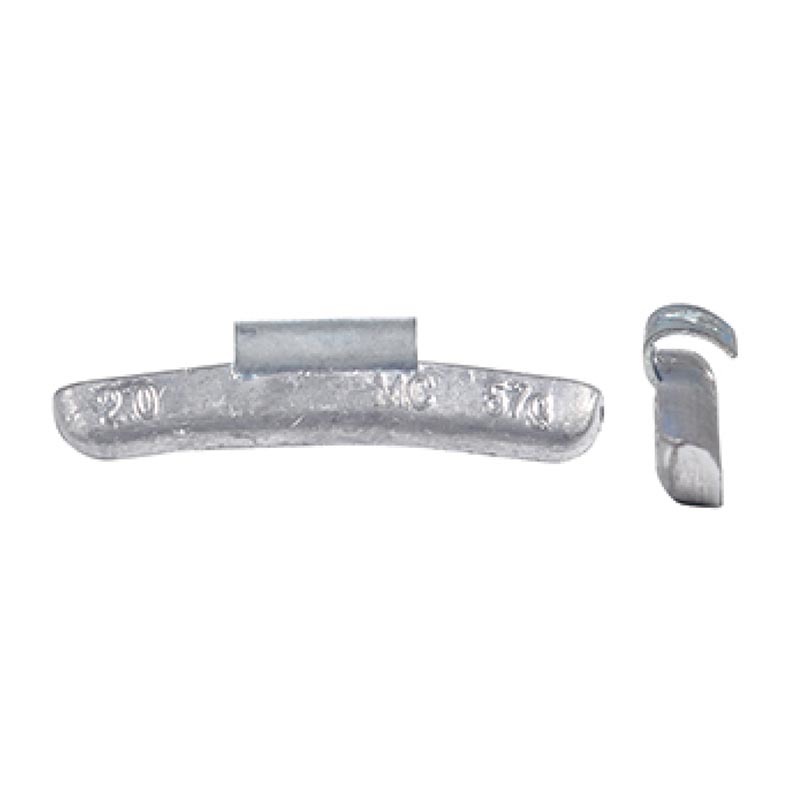
Lead clips are small metal components that hold lead weights to the rim of a wheel. They are designed to provide a secure fit, making it difficult for weights to come loose due to vibration or changes in speed. The use of lead in these clips not only provides the necessary weight for balancing but also allows for easier installation and adjustment.
2. The Importance of Wheel Balancing in Heavy Vehicles
Balancing wheels is essential for the optimal performance of heavy vehicles. Properly balanced wheels reduce vibration, enhance steering responsiveness, and improve overall fuel efficiency. This section delves deeper into the implications of wheel imbalance.
Effects of Imbalance
An imbalanced wheel can lead to increased tire wear, decreased fuel economy, and potential safety hazards. Heavy vehicles, which often carry significant loads, are particularly susceptible to these issues. Maintaining balance through the use of lead clips on wheel weights is a proactive measure to mitigate these risks.
3. Benefits of Lead Clips on Wheel Weights
The advantages of using lead clips on wheel weights are manifold. Understanding these benefits can help vehicle operators make informed decisions regarding their maintenance and safety protocols.
Enhanced Safety
By securely attaching weights to the wheel, lead clips decrease the risk of weights detaching while the vehicle is in motion. This enhances overall safety for both the driver and other road users.
Improved Fuel Efficiency
Balanced wheels contribute to better fuel economy. With lead clips ensuring the weights stay in place, heavy vehicles can achieve optimal performance, leading to reduced fuel consumption and lower operating costs.
Longer Tire Life
The use of lead clips helps in distributing weight evenly across the tire. This even distribution minimizes uneven tire wear, extending the life of tires significantly, which is crucial for heavy vehicles that typically face higher rates of wear.
4. Installation Techniques for Lead Clip Wheel Weights
Proper installation of lead clip wheel weights is essential for maximizing their benefits. Here, we’ll outline the steps for effective installation.
Step-by-Step Installation Process
- **Remove the Wheel**: Safely lift the vehicle and remove the wheel to access the rim.
- **Clean the Rim**: Ensure the rim is clean and free from debris for optimal adhesion.
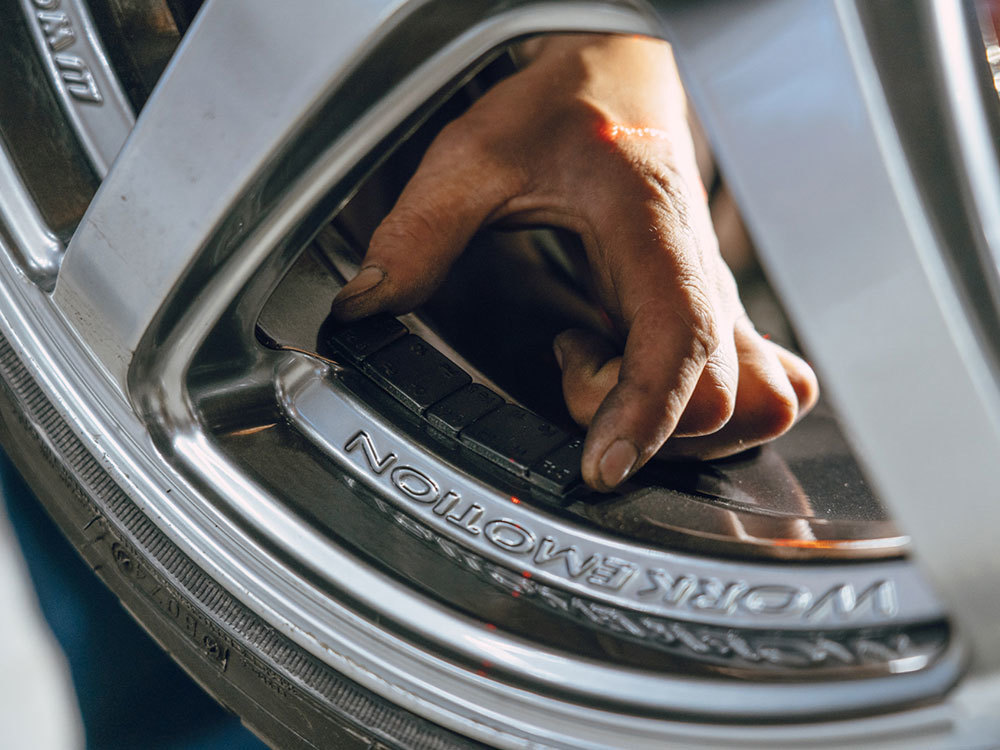
- **Attach the Lead Clip Weight**: Position the lead clip at the correct location on the rim, aligning it with the weight that needs to be added.
- **Secure the Weight**: Firmly press the lead clip onto the rim to ensure a tight fit.
- **Reinstall the Wheel**: Once the weights are properly attached, reinstall the wheel and ensure it is securely fastened.
5. Safety Implications of Using Lead Clips
The safety ramifications of lead clips on wheel weights cannot be overstated. With heavy vehicles operating under various conditions, ensuring that wheel weights remain secure is vital.
Minimizing Risk of Accidents
By preventing weights from detaching, lead clips significantly reduce the risk of accidents caused by wheel imbalance. This is particularly important for vehicles that operate at high speeds or carry heavy loads.
6. Maintenance and Care for Wheel Weights
Maintaining wheel weights and lead clips is critical for ensuring their longevity and effectiveness. Here are some maintenance tips to keep in mind.
Regular Inspections
Conduct regular inspections to check the condition of wheel weights and lead clips. Look for any signs of wear or damage, and replace components as necessary to maintain optimal performance.
Proper Cleaning Techniques
Use appropriate cleaning agents to remove dirt and grime from wheel weights without damaging the lead clips. Keeping these components clean will enhance their effectiveness and lifespan.
7. Industry Standards and Regulations
Understanding the industry standards and regulations regarding wheel weights and lead clips is essential for compliance and safety.
Regulatory Compliance
Different regions may have specific regulations concerning the use of lead in wheel weights. It’s essential to stay updated with these regulations to ensure compliance and avoid legal issues.
8. The Future of Wheel Weight Technology
The technology surrounding wheel weights continues to evolve, with innovations aimed at improving safety and performance. As the industry shifts toward more sustainable materials, lead clips may see advancements that maintain their effectiveness while addressing environmental concerns.
Emerging Alternatives
Research into alternative materials for wheel weights is ongoing. These innovations could lead to safer, more eco-friendly options that still deliver the necessary performance for heavy vehicles.
9. FAQs
What are the advantages of using lead clips on wheel weights?
Lead clips provide enhanced safety, improved fuel efficiency, and longer tire life by ensuring that wheel weights are securely attached and evenly distributed.
How do I install lead clip wheel weights?
The installation involves removing the wheel, cleaning the rim, attaching the lead clip weight, securing it, and then reinstalling the wheel.
Are there any safety risks associated with lead clips?
When properly installed, lead clips significantly minimize safety risks by preventing wheel weights from detaching during operation.
How often should wheel weights be inspected?
Regular inspections are recommended, ideally every few months or whenever the vehicle undergoes maintenance, to check for wear or damage.
What regulations must be observed when using lead wheel weights?
Regulations vary by region, so it’s essential to stay informed about local laws concerning the use of lead materials in wheel weights.
Conclusion
Lead clips on wheel weights represent a significant advancement in heavy vehicle safety and performance. By ensuring that weights remain securely attached, lead clips contribute to improved fuel efficiency, enhanced safety, and longer tire life. As technology evolves, we can expect continued improvements and innovations in wheel weight solutions, further solidifying their importance in the heavy vehicle industry. Investing in lead clip wheel weights is not just a choice; it's a commitment to safety, efficiency, and the overall well-being of both drivers and the transporting community.
TAG:
Related Posts

Global automotive wheel balance block industry

Contact Us
Sales Business:
Tel: +86-311-85939575 / +86-13673130619
Phone: +86-13933004411 (Manager Huang)
Email: wheelweights@hxphk.com
Contact Factory:
Tel: +86-317-4452233
Tel: +86-317-4452855
Email: hxphkc@126.com
What We Offer
Hebei Pan Asian Wheel weights Co.,Ltd. is an automobile wheel balance weights production enterprise that integrates scientific research, production, and sales.