
The Relationship Between Heavy Duty Wheel Weights and Tire Wear: Insights for Optimal Performance
2026-02-27


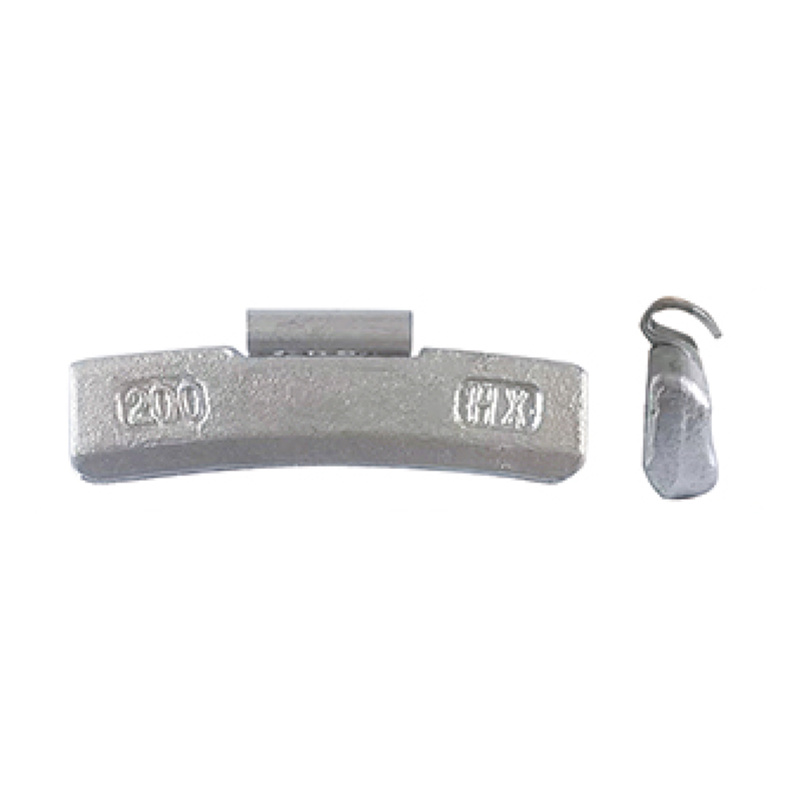
The Relationship Between Heavy Duty Wheel Weights and Tire Wear
Tires are one of the most critical components of any vehicle, and their performance is intricately linked to several factors, including weight distribution. In this article, we will explore the relationship between heavy-duty wheel weights and tire wear, providing insights, tips, and best practices to ensure optimal performance and longevity for your tires. Understanding this relationship can help vehicle owners make informed decisions, leading to enhanced safety and cost savings over time.
Understanding the Basics: What Are Heavy Duty Wheel Weights?
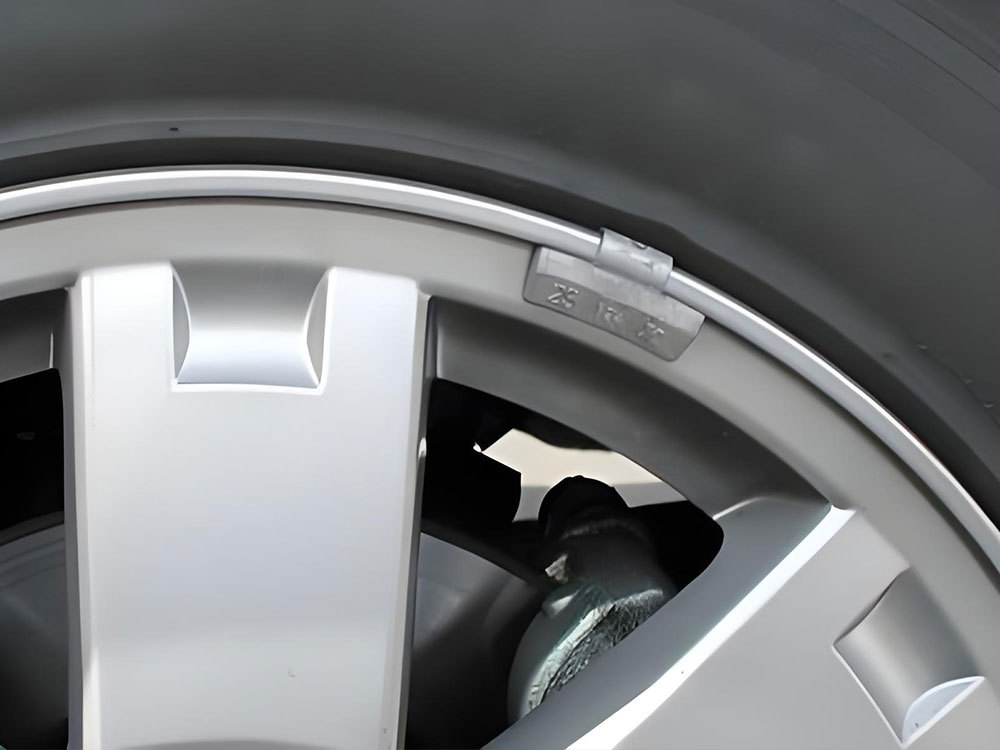
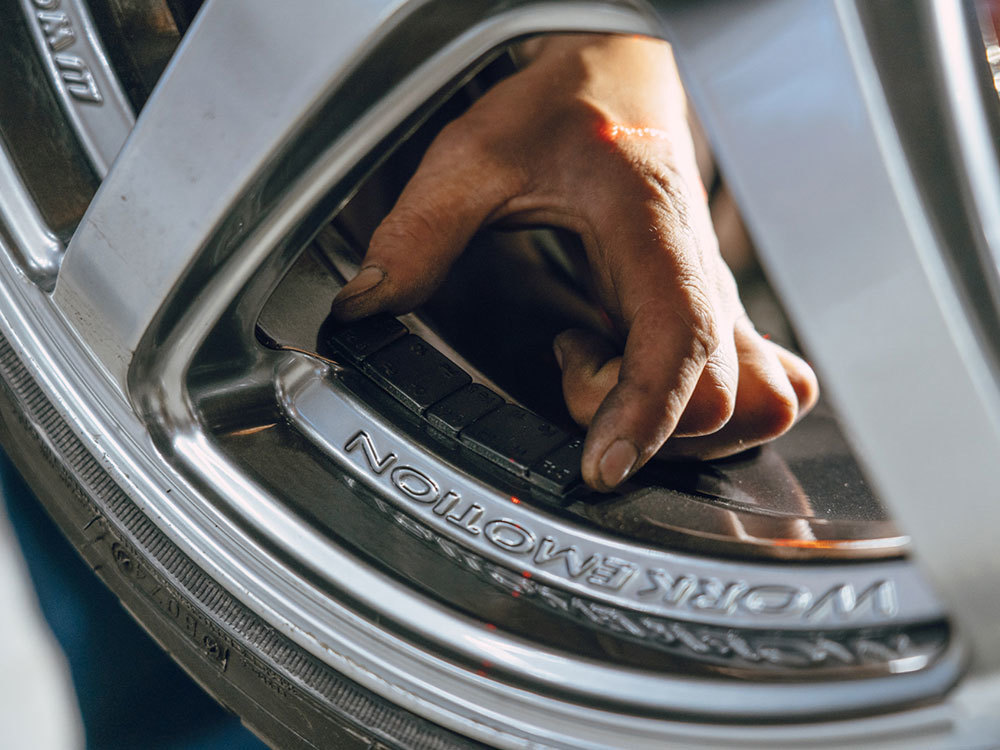
Heavy-duty wheel weights are small but essential components utilized in the balancing of wheels. These weights compensate for any imbalances caused by the tire or wheel manufacturing process, ensuring a smoother ride and reducing vibrations. They come in various materials, including lead, steel, and adhesive-backed options, and are typically added to the rim during the tire installation process.
The Role of Wheel Weights in Vehicle Dynamics
Wheel weights play a crucial role in the overall dynamics of a vehicle. When properly balanced, wheels enhance steering response, improve fuel efficiency, and extend the lifespan of tires. Conversely, poorly balanced wheels can lead to uneven tire wear, decreased fuel efficiency, and increased strain on suspension components, ultimately leading to costly repairs.
The Impact of Wheel Weights on Tire Wear
Understanding how heavy-duty wheel weights affect tire wear is essential for vehicle maintenance. Here are some key points to consider:
1. **Even Weight Distribution**
One of the primary functions of wheel weights is to ensure even weight distribution across the tire's footprint. When weight is evenly distributed, the tire makes uniform contact with the road surface, reducing the likelihood of uneven wear patterns. This uniformity helps extend the life of the tire, allowing it to perform optimally over its lifespan.
2. **Prevention of Vibration and Bounce**
Unbalanced wheels can cause vibrations and bounces while driving. These disturbances not only contribute to a less comfortable ride but also lead to premature tire wear. Heavy-duty wheel weights help mitigate these issues by providing balanced weight distribution, which in turn minimizes the risk of irregular wear.
3. **Temperature Management**
Improperly balanced wheels can generate excess heat due to friction, leading to increased tire wear. Heavier and evenly distributed wheel weights help maintain optimal temperatures by ensuring the tires roll smoothly. This temperature management is crucial in preventing heat-induced wear that can dramatically shorten a tire's lifespan.
Case Study: Effects of Imbalance on Tire Longevity
Consider a fleet of heavy-duty trucks that regularly operate on long-haul routes. When the wheels are not adequately balanced, the resulting vibrations can lead to uneven wear patterns. In one documented case, a trucking company that neglected wheel balancing experienced a 30% reduction in tire lifespan compared to its well-balanced counterparts. This not only increased operational costs but also posed safety risks on the road.
Best Practices for Maintaining Wheel Weights and Tires
To maximize the lifespan of your tires, implementing best practices for maintaining wheel weights is essential. Here are some recommended steps:
1. **Regular Inspections**
Conduct regular inspections of your tires and wheel weights. Look for signs of uneven wear, vibrations while driving, or any visible damage to the weights. Early detection of issues can prevent further complications and extend the life of your tires.
2. **Professional Balancing Services**
Invest in professional tire balancing services whenever you install new tires or notice issues with your existing tires. Professionals use specialized equipment to ensure precise weight distribution, reducing the risk of uneven wear and enhancing overall performance.
3. **Proper Tire Pressure Maintenance**
Maintaining proper tire pressure is closely related to the effectiveness of wheel weights. Under-inflated or over-inflated tires can exacerbate balancing issues, leading to uneven wear. Regularly check your tire pressure and adjust as necessary according to the vehicle manufacturer's recommendations.
Common Myths About Heavy Duty Wheel Weights
As with many automotive topics, several myths surround heavy-duty wheel weights and their impact on tire wear. Here, we debunk some of the most common misconceptions:
1. **Myth: Heavier Weights Always Mean Better Balance**
While adding more weight to balance a wheel might seem logical, it’s not always the case. The right amount of weight is crucial for achieving a balanced wheel. Excessive weight can lead to other issues, including stress on the wheel and suspension components.
2. **Myth: Once Balanced, Tires Never Need Attention**
Many believe that once their tires are balanced, they will remain that way indefinitely. However, factors such as road conditions, tire wear, and even minor accidents can affect balance over time. Regular inspections are essential to ensure ongoing performance.
3. **Myth: All Wheel Weights Are the Same**
Not all heavy-duty wheel weights are created equal. The material and type of weight can influence performance. For example, adhesive weights may be less durable for heavy-duty applications compared to traditional clip-on weights. Choosing the right type for your vehicle is crucial for optimal performance.
FAQs About Heavy Duty Wheel Weights and Tire Wear
1. **How do I know if my tires are unbalanced?**
Common signs of unbalanced tires include vibrations in the steering wheel or seat, uneven tire wear, and a noticeable decrease in fuel efficiency. If you experience any of these symptoms, it may be time for a wheel balance check.
2. **Can I balance my tires myself?**
While some DIY methods exist, professional balancing is recommended for accuracy and safety. Specialized equipment is required to achieve optimal results.
3. **How often should I get my tires balanced?**
It’s advisable to have your tires balanced whenever you install new tires, after hitting a significant pothole, or if you notice any signs of imbalance. Regular checks during tire rotations are also beneficial.
4. **What is the average lifespan of heavy-duty wheel weights?**
Heavy-duty wheel weights can last as long as the tires themselves if properly maintained and installed. However, they may need to be replaced if they become damaged or lose adherence over time.
5. **Do heavy-duty wheel weights affect fuel efficiency?**
Yes, properly balanced wheels contribute to better fuel efficiency. An unbalanced wheel can lead to increased rolling resistance, which in turn decreases fuel economy.
Conclusion: Ensuring Longevity Through Proper Maintenance
The relationship between heavy-duty wheel weights and tire wear is vital for anyone seeking to optimize vehicle performance and safety. By ensuring even weight distribution, preventing vibrations, and maintaining proper tire pressure, vehicle owners can significantly enhance the lifespan of their tires. Regular inspections, professional balancing, and debunking common myths are essential steps in this journey. Ultimately, understanding and implementing best practices surrounding heavy-duty wheel weights not only contributes to safety on the road but also leads to cost savings in tire replacement and maintenance. Prioritizing tire health today will yield rich dividends in performance tomorrow.
TAG:
Related Posts

Global automotive wheel balance block industry

Contact Us
Sales Business:
Tel: +86-311-85939575 / +86-13673130619
Phone: +86-13933004411 (Manager Huang)
Email: wheelweights@hxphk.com
Contact Factory:
Tel: +86-317-4452233
Tel: +86-317-4452855
Email: hxphkc@126.com
What We Offer
Hebei Pan Asian Wheel weights Co.,Ltd. is an automobile wheel balance weights production enterprise that integrates scientific research, production, and sales.