
Maximize Safety and Performance: Understanding Tire Balance Weights for Alloy Rims
2026-01-31


Maximize Safety and Performance: Understanding Tire Balance Weights for Alloy Rims
Table of Contents
1. Introduction to Tire Balance Weights
2. Importance of Tire Balancing
3. Types of Tire Balance Weights
3.1 Clip-On Weights
3.2 Adhesive Weights
3.3 Other Types of Weights
4. How to Balance Tires with Weights
5. Benefits of
Maximize Safety and Performance: Understanding Tire Balance Weights for Alloy Rims
Table of Contents
- 1. Introduction to Tire Balance Weights
- 2. Importance of Tire Balancing
- 3. Types of Tire Balance Weights
- 4. How to Balance Tires with Weights
- 5. Benefits of Using Tire Balance Weights
- 6. Common Tire Balancing Issues
- 7. Maintenance Tips for Alloy Rims and Tires
- 8. Conclusion
1. Introduction to Tire Balance Weights
Tire balance weights are essential components that contribute significantly to the overall performance and safety of vehicles equipped with alloy rims. When tires are mounted on rims, they may not be perfectly balanced due to manufacturing discrepancies or variances in the tire's construction. This imbalance can lead to undesirable outcomes such as vibrations, uneven tire wear, and compromised handling. Understanding the role of tire balance weights is paramount for both vehicle owners and automotive professionals alike.
2. Importance of Tire Balancing
Proper tire balancing is crucial for several reasons:
2.1 Enhancing Safety
An unbalanced tire can lead to instability while driving, increasing the risk of accidents. Balanced tires ensure that the vehicle responds predictably to steering inputs, significantly enhancing safety.
2.2 Prolonging Tire Life
Uneven wear caused by tire imbalance can greatly reduce the lifespan of your tires. Regular balancing helps to ensure even wear, extending the longevity of your tires and reducing replacement costs.
2.3 Improving Fuel Efficiency
An unbalanced tire can create drag, which in turn affects fuel efficiency. Balanced tires contribute to optimal performance and efficiency, ultimately saving you money at the fuel pump.
3. Types of Tire Balance Weights
Tire balance weights come in various types, each designed to accommodate different tire and rim configurations. Understanding the options available can help you make informed decisions.
3.1 Clip-On Weights
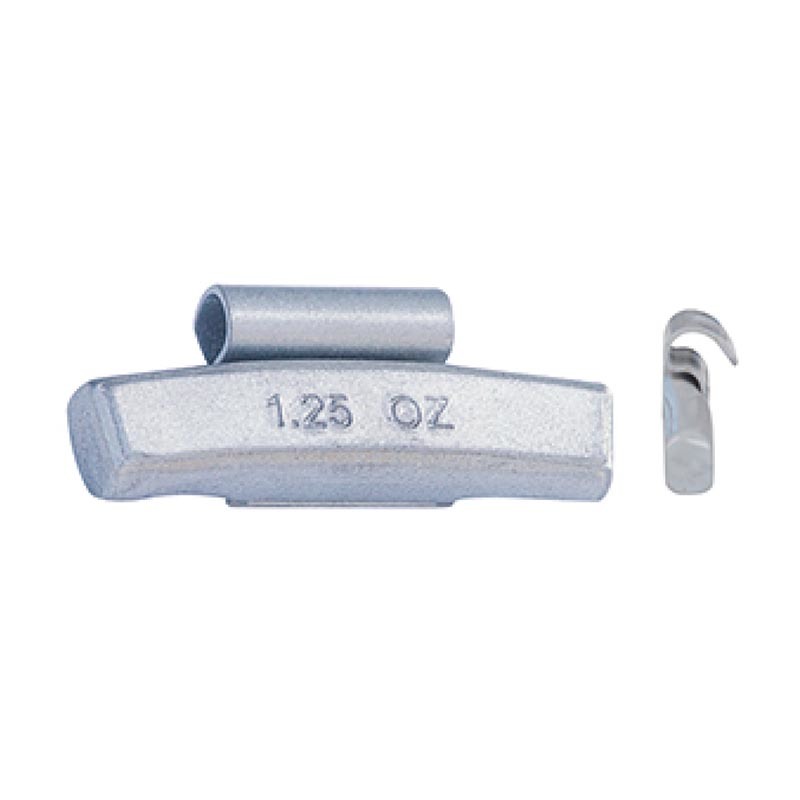
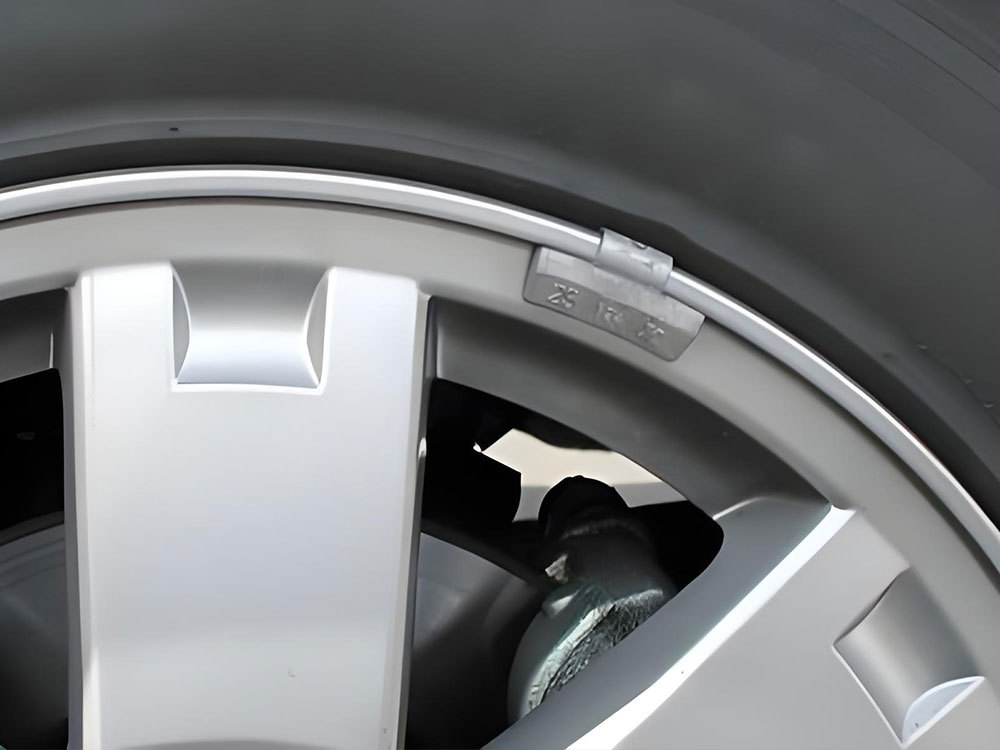
Clip-on weights are often used with steel and alloy rims. They attach securely to the outer edge of the rim, providing easy installation and removal. These weights come in various sizes to cater to different balancing needs.
3.2 Adhesive Weights
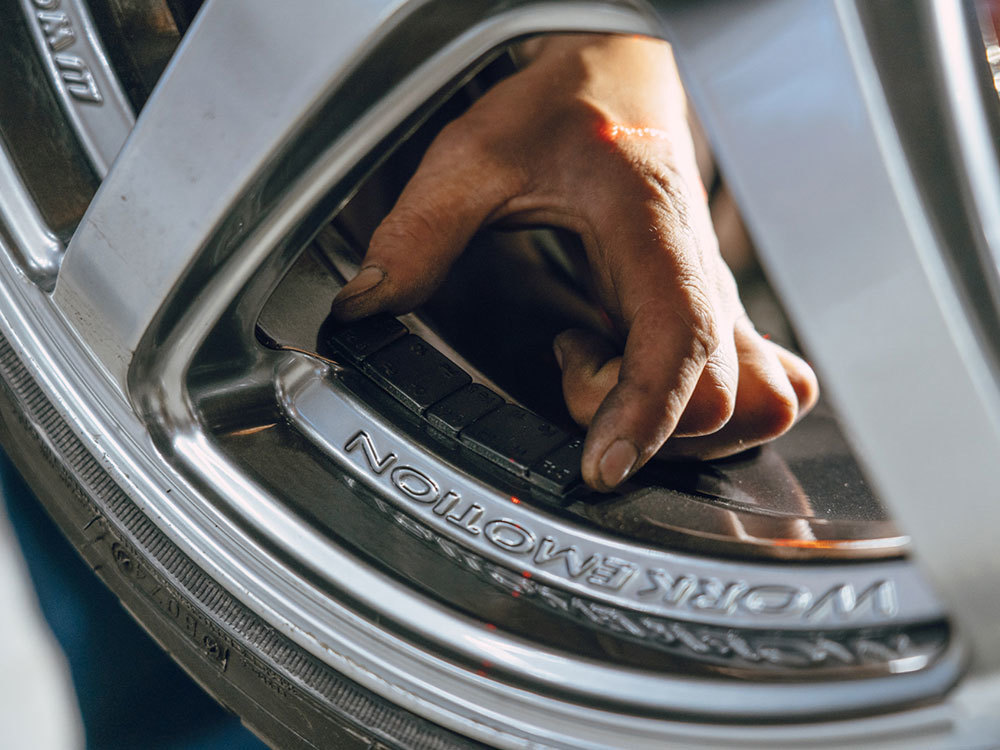
Adhesive weights are ideal for alloy rims, as they are less likely to mar the finish of the wheel. These weights are applied directly to the inner surface of the rim, making them a popular choice for aesthetic reasons.
3.3 Other Types of Weights
Other types of tire balance weights include stick-on weights, which are similar to adhesive weights but come in strips, and wheel weights that can be made of various materials such as lead, zinc, or steel. Each type has its unique advantages and applications.
4. How to Balance Tires with Weights
Balancing tires involves a series of steps that can be performed by a professional mechanic or at home with the right tools.
4.1 Equipment Needed
To balance tires effectively, you will need a tire balancing machine, tire weights, and basic hand tools.
4.2 Steps to Balance Tires
1. **Remove the Tire**: Start by removing the wheel from the vehicle.
2. **Mount the Tire on the Balancer**: Place the tire securely on the tire balancing machine.
3. **Spin the Tire**: The machine will spin the tire to identify the heavy spots.
4. **Add Weights**: Once the heavy spots are determined, attach the appropriate tire balance weights accordingly.
5. **Re-Test**: Spin the tire again to ensure it is now balanced.
6. **Reinstall the Tire**: Finally, reinstall the tire onto the vehicle.
5. Benefits of Using Tire Balance Weights
Employing tire balance weights offers numerous benefits that enhance your driving experience.
5.1 Smooth Ride
Balanced tires provide a smoother ride by minimizing vibrations, making for a more comfortable driving experience.
5.2 Improved Handling
Properly balanced tires contribute to better handling and control, especially during cornering and sudden maneuvers.
5.3 Reduced Noise
Unbalanced tires can create noise as they wear unevenly. By using tire balance weights, you can significantly reduce road noise.
6. Common Tire Balancing Issues
Being aware of common issues related to tire balancing can help you address them promptly.
6.1 Vibration at High Speeds
If you experience vibrations when driving at high speeds, it’s likely a sign that your tires are unbalanced.
6.2 Uneven Wear Patterns
Check for uneven wear on your tires; this often indicates a need for balancing or alignment.
6.3 Noisy Tires
If your tires are making excessive noise, especially on smooth roads, it may indicate an imbalance that needs to be corrected.
7. Maintenance Tips for Alloy Rims and Tires
To ensure the longevity and performance of your alloy rims and tires, regular maintenance is essential.
7.1 Regular Inspections
Perform regular inspections of your tires for signs of wear or damage.
7.2 Periodic Balancing
Consider having your tires balanced every 5,000 to 6,000 miles or whenever you rotate your tires.
7.3 Professional Help
Seek professional assistance for tire balancing, especially if you are not equipped to do it yourself.
8. Conclusion
Understanding tire balance weights is essential for maximizing both safety and performance for vehicles equipped with alloy rims. By ensuring proper tire balancing, vehicle owners can enhance safety, prolong tire life, and improve fuel efficiency. Regular maintenance, including inspections and periodic balancing, is vital for keeping your tires in optimal condition. Investing time and effort into understanding and utilizing tire balance weights will ultimately lead to a more enjoyable and safe driving experience.
TAG:
Related Posts

Global automotive wheel balance block industry
The global market size of automotive wheel balance weights in 2024 is approximately 4.92 billion yuan. It is expected to maintain a steady growth trend in the future

Contact Us
Sales Business:
Tel: +86-311-85939575 / +86-13673130619
Phone: +86-13933004411 (Manager Huang)
Email: wheelweights@hxphk.com
Contact Factory:
Tel: +86-317-4452233
Tel: +86-317-4452855
Email: hxphkc@126.com
What We Offer
Hebei Pan Asian Wheel weights Co.,Ltd. is an automobile wheel balance weights production enterprise that integrates scientific research, production, and sales.