
The Ultimate Guide to Lead Clip on Wheel Weights for Heavy Vehicle Balancing
2026-01-26


The Ultimate Guide to Lead Clip on Wheel Weights for Heavy Vehicle Balancing
Table of Contents
1. Introduction to Wheel Balancing
2. Importance of Wheel Balancing in Heavy Vehicles
3. Understanding Lead Clip on Wheel Weights
4. Types of Lead Clip on Wheel Weights
5. Installation Process for Lead Clip on Wheel Weights
6. Maintenance and Care of Wheel Weights
7. Common I
The Ultimate Guide to Lead Clip on Wheel Weights for Heavy Vehicle Balancing
Table of Contents
- 1. Introduction to Wheel Balancing
- 2. Importance of Wheel Balancing in Heavy Vehicles
- 3. Understanding Lead Clip on Wheel Weights
- 4. Types of Lead Clip on Wheel Weights
- 5. Installation Process for Lead Clip on Wheel Weights
- 6. Maintenance and Care of Wheel Weights
- 7. Common Issues and Troubleshooting
- 8. Conclusion
- 9. Frequently Asked Questions
1. Introduction to Wheel Balancing
Balancing is a crucial aspect of vehicle maintenance, particularly for heavy vehicles. Wheel balancing ensures that the weight of the wheel and tire assembly is evenly distributed. This balance is vital for optimizing vehicle performance, enhancing tire longevity, and ensuring safety on the road. A well-balanced wheel minimizes vibrations, leading to a smoother ride and reduced wear on suspension and steering components.
2. Importance of Wheel Balancing in Heavy Vehicles
Heavy vehicles, such as trucks and buses, require precise wheel balancing due to their size and weight. Proper balancing contributes to:
- **Enhanced Safety**: Poorly balanced wheels can lead to handling issues, increasing the risk of accidents.
- **Improved Fuel Efficiency**: Unbalanced wheels can cause drag, leading to increased fuel consumption.
- **Extended Tire Life**: Balanced wheels reduce uneven tire wear, extending the life of the tires.
- **Reduced Maintenance Costs**: Regular balancing can prevent costly repairs to suspension and steering systems.
In summary, investing in proper wheel balancing for heavy vehicles is essential for operational efficiency and safety.
3. Understanding Lead Clip on Wheel Weights
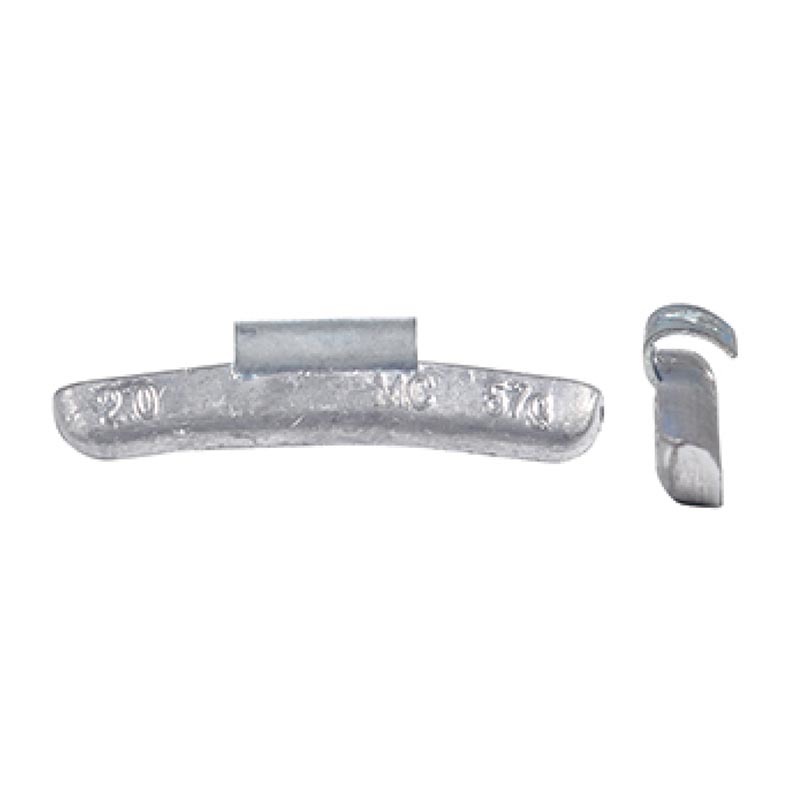
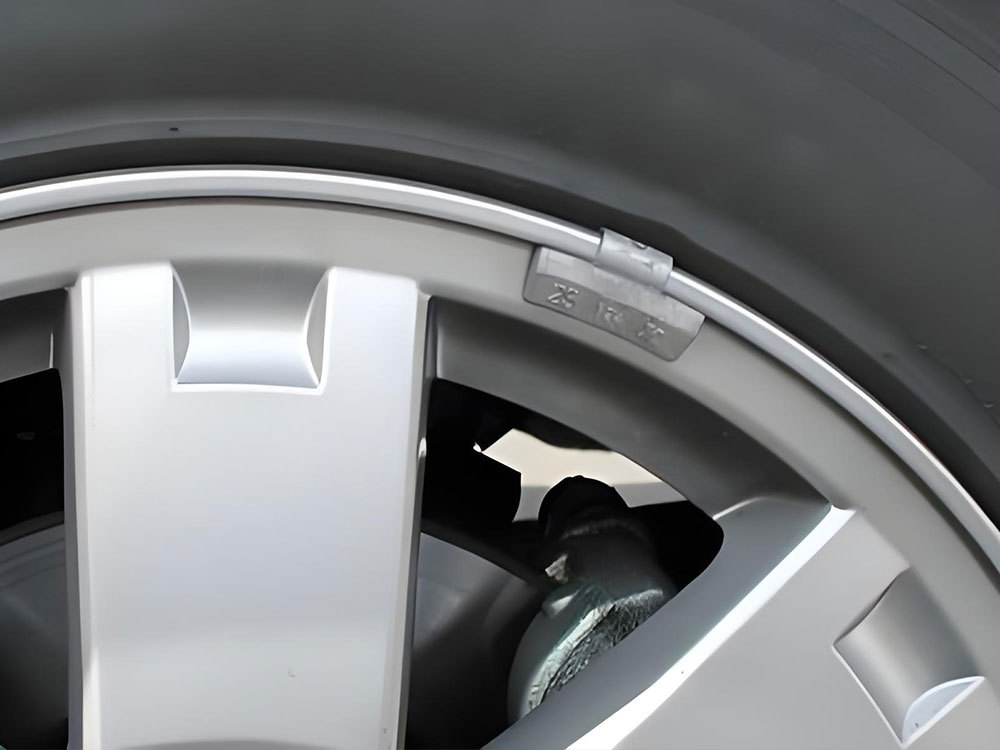
Lead clip on wheel weights are a popular choice for balancing heavy vehicle wheels. These weights attach easily to the rim and provide a reliable solution for correcting imbalance. The lead material is effective due to its density, allowing for smaller weights to achieve the necessary balance.
How Lead Clip Weights Work
Lead clip weights function by being attached to the wheel's rim to counteract any imbalances caused by variations in tire manufacturing or wear patterns. They come with clips that snap securely onto the rim, ensuring they remain in place during operation.
4. Types of Lead Clip on Wheel Weights
There are various types of lead clip on wheel weights, each designed for specific applications. Understanding these types can help in selecting the right weights for your heavy vehicle:
4.1 Standard Lead Clip Weights
These are the most common types used in heavy vehicles. They come in various sizes and shapes, allowing for adjustments based on the specific needs of the vehicle.
4.2 Self-Adhesive Lead Weights
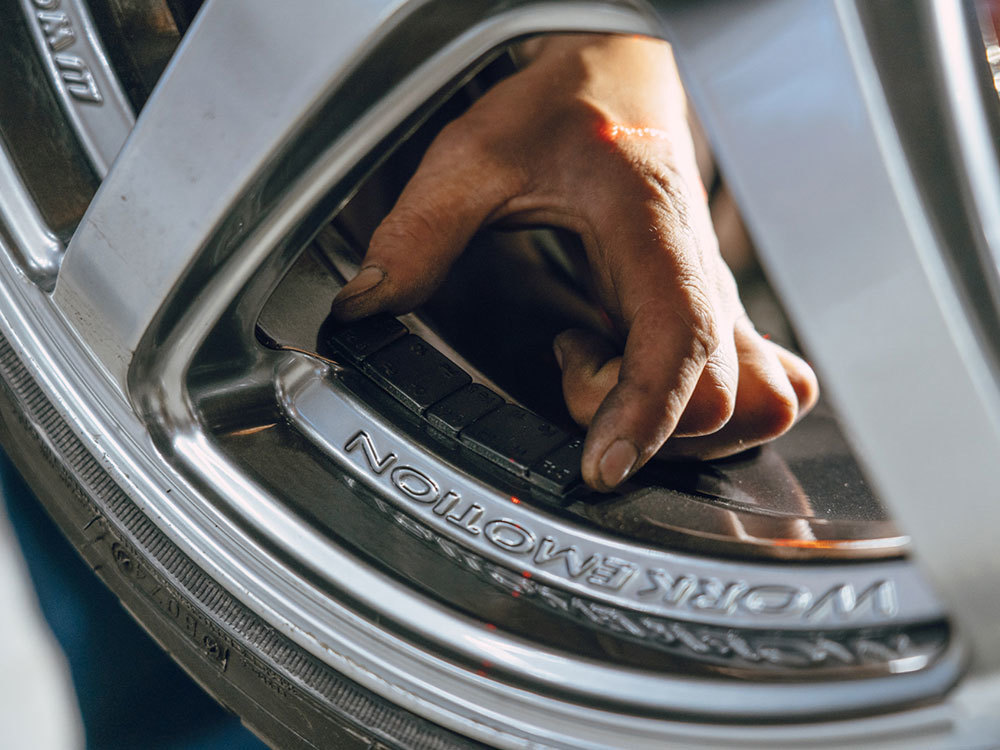
Although not clip-on, self-adhesive lead weights are an alternative that provides a clean look and is suitable for specific applications. They adhere directly to the rim, reducing the risk of them coming loose.
4.3 Multi-Use Lead Weights
These weights can be used on different rim types and sizes. Their versatility makes them a preferred choice for fleet maintenance staff managing various vehicle types.
5. Installation Process for Lead Clip on Wheel Weights
The installation of lead clip on weights is straightforward but requires attention to detail to ensure accuracy. Here’s a step-by-step guide:
5.1 Gather Necessary Tools
Before starting, ensure you have the following tools:
- Tire balancing machine
- Safety gloves
- Lead clip weights of proper size
- Tire mounting tools
5.2 Remove the Wheel
Begin by safely lifting the vehicle and removing the wheel. This ensures easy access for balancing and weight application.
5.3 Clean the Rim
Wipe down the rim to remove any debris or dirt. A clean surface ensures that the weights adhere correctly.
5.4 Balance the Wheel
Using a tire balancing machine, spin the wheel to identify the imbalance. The machine will indicate where and how much weight is needed.
5.5 Apply Lead Clip Weights
Attach the lead clip weights at the indicated spots on the rim. Ensure they are clipped securely to prevent movement.
5.6 Recheck Balance
After attaching the weights, spin the wheel again to confirm that the imbalance has been corrected. Adjust as necessary.
5.7 Reinstall the Wheel
Once balanced, reinstall the wheel on the vehicle, ensuring all nuts are tightened to the manufacturer’s specifications.
6. Maintenance and Care of Wheel Weights
Proper maintenance of wheel weights can prolong their effectiveness and the overall performance of the vehicle:
6.1 Regular Inspections
Check wheel weights periodically for any signs of wear or loosening. Early detection of issues can prevent more significant problems.
6.2 Keep Wheels Clean
Regularly clean the wheels to prevent dirt build-up, which can affect balance and performance.
6.3 Replace Weights as Needed
If weights are lost or damaged, replace them immediately to ensure continued safety and performance.
7. Common Issues and Troubleshooting
Even with proper installation and maintenance, issues can arise. Here are common problems and their solutions:
7.1 Vibration While Driving
**Cause**: This may indicate an imbalance. **Solution**: Recheck the balance and adjust weights as necessary.
7.2 Loose Weights
**Cause**: Weights may come loose due to wear or poor installation. **Solution**: Inspect and reattach or replace weights as needed.
7.3 Uneven Tire Wear
**Cause**: Improper balancing can lead to uneven wear patterns. **Solution**: Evaluate and rebalance the wheels regularly.
8. Conclusion
In conclusion, lead clip on wheel weights play a critical role in the effective balancing of heavy vehicle wheels. Proper understanding, installation, and maintenance of these weights can significantly improve vehicle performance, safety, and fuel efficiency. For any heavy vehicle operator, ensuring proper wheel balancing is not just a maintenance task—it's a commitment to safety and operational excellence.
9. Frequently Asked Questions
9.1 What are lead clip on wheel weights?
Lead clip on wheel weights are weight pieces that attach to the rim of a tire to help balance it, ensuring optimal performance and safety.
9.2 How often should I balance my vehicle's wheels?
It's advisable to balance your wheels every 5,000 to 10,000 miles, or whenever you notice changes in performance such as vibrations.
9.3 Can I install lead clip weights myself?
Yes, with the right tools and knowledge, you can install lead clip weights yourself. However, using a professional service ensures accuracy.
9.4 What are the signs of unbalanced wheels?
Common signs of unbalanced wheels include vibrations in the steering wheel, uneven tire wear, and poor handling.
9.5 Are there alternatives to lead clip on weights?
Yes, alternatives include self-adhesive weights and other materials such as tungsten, which can provide similar balancing benefits with different properties.
This comprehensive guide equips you with the knowledge to effectively use lead clip on wheel weights for heavy vehicle balancing, ensuring safety and performance on the road.
TAG:
Related Posts

Global automotive wheel balance block industry
The global market size of automotive wheel balance weights in 2024 is approximately 4.92 billion yuan. It is expected to maintain a steady growth trend in the future

Contact Us
Sales Business:
Tel: +86-311-85939575 / +86-13673130619
Phone: +86-13933004411 (Manager Huang)
Email: wheelweights@hxphk.com
Contact Factory:
Tel: +86-317-4452233
Tel: +86-317-4452855
Email: hxphkc@126.com
What We Offer
Hebei Pan Asian Wheel weights Co.,Ltd. is an automobile wheel balance weights production enterprise that integrates scientific research, production, and sales.