
The Ultimate Guide to Wheel Weight Balancing Accessories: Enhancing Your Vehicle's Performance
2026-01-22


The Ultimate Guide to Wheel Weight Balancing Accessories
Table of Contents
- What are Wheel Weight Balancing Accessories?
- Importance of Wheel Balancing in Vehicle Performance
- Types of Wheel Weight Balancing Accessories
- How to Install Wheel Weight Balancing Accessories
- Common Issues with Wheel Balancing and How to Fix Them
- Maintaining Your Wheel Weight Balancing Accessories
- Frequently Asked Questions
- Conclusion
What are Wheel Weight Balancing Accessories?
Wheel weight balancing accessories are crucial components designed to ensure that your vehicle's wheels are evenly balanced. Unbalanced wheels can lead to a variety of issues, including uneven tire wear, vibrations, and even difficulties in steering. These accessories work by adding weight to specific areas of the wheel, compensating for any heavy spots, thereby promoting a smoother ride and enhanced vehicle performance.
Importance of Wheel Balancing in Vehicle Performance
Understanding the importance of wheel balancing goes beyond just the technical aspects; it encompasses the entire driving experience. Properly balanced wheels not only improve **vehicle handling** but also enhance fuel efficiency, prolong tire life, and ensure a safer ride. When the wheels are balanced correctly, the vehicle experiences less vibration, leading to a more comfortable drive, decreased stress on suspension components, and improved braking performance.
Types of Wheel Weight Balancing Accessories
There are several types of wheel weight balancing accessories available in the market, each designed for specific applications and preferences. Below, we will explore the most common types:
Clip-On Weights
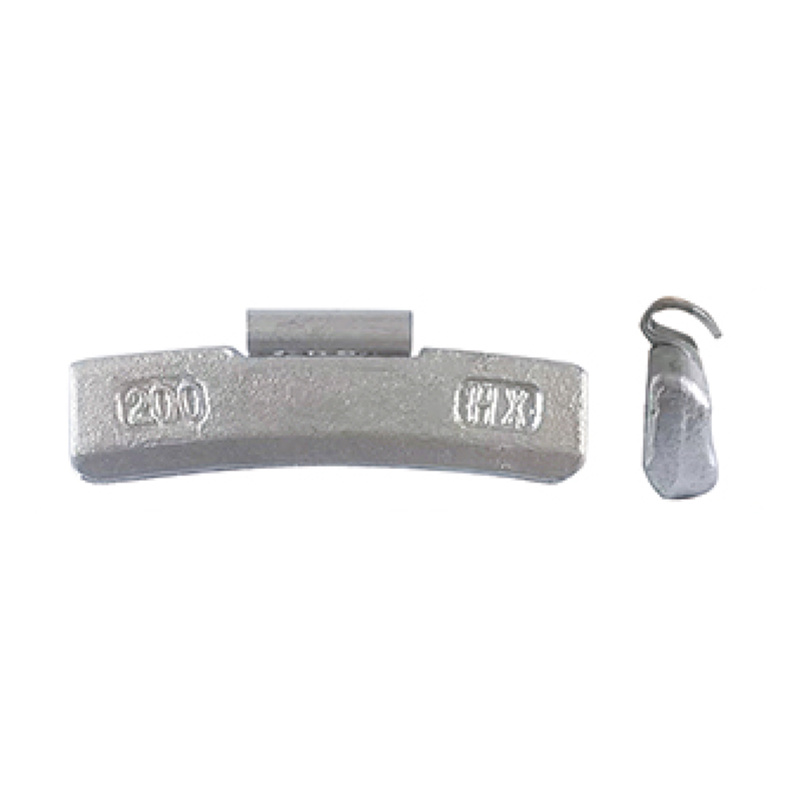
Clip-on weights are the most traditional form of wheel weights, featuring a metal clamp that securely attaches to the outer rim of the wheel. They are easy to install and adjust, making them a popular choice for professional mechanics. These weights are available in various sizes and allow for precise balancing adjustments.
Adhesive Weights
Adhesive weights, often made of lead or zinc, come with a strong adhesive backing that sticks directly to the rim. They provide a cleaner and less obtrusive look compared to clip-on weights and are commonly used for alloy wheels. Their installation is straightforward; simply peel off the backing and press the weight onto the desired area of the rim.
Magnetic Weights
Magnetic weights are versatile and reusable, making them an economical option. They attach easily to the wheel, allowing for quick adjustments during balancing. However, they are less common than clip-on and adhesive weights, primarily because they may not be suitable for high-speed applications where the centrifugal force can dislodge them.
Tire Balancing Beads
Tire balancing beads are small, lightweight beads that disperse evenly within the tire. As the wheel spins, the beads shift to the area of imbalance, automatically adjusting to maintain balance. This innovative solution is particularly popular among users seeking a dynamic balancing method without external weights.
Liquid Balancing Solutions
Liquid balancing solutions are another modern approach to wheel balancing. These solutions are poured into the tire, where they remain liquid during normal driving. As the wheel rotates, the liquid moves and seeks to neutralize any imbalances, providing a smooth driving experience. This method is popular in commercial applications due to its simplicity and effectiveness.
How to Install Wheel Weight Balancing Accessories
The installation of wheel weight balancing accessories depends on the type of weight being used. Here’s a general guide for installing different types:
Clip-On Weights Installation
- Lift the vehicle and remove the wheel.
- Clean the rim's surface where the weight will be attached.
- Determine the location of the heavy spot by spinning the wheel on a balancer.
- Clip the weight onto the rim at the marked location.
- Re-check the balance and adjust as necessary.
Adhesive Weights Installation
- Remove the wheel from the vehicle and clean the rim.
- Identify the heavy spot on the wheel.
- Peel off the backing from the adhesive weight.
- Press the weight firmly onto the rim at the identified location.
- Verify the balance and make adjustments if needed.
Magnetic Weights Installation
- Remove the wheel and clean the surface.
- Locate the heavy spot using a balancer.
- Place the magnetic weight onto the rim at the identified location.
- Spin the wheel to ensure balance and adjust as necessary.
Tire Balancing Beads Installation
- Remove the tire from the wheel.
- Puncture the tire valve to release air.
- Pour the recommended amount of balancing beads into the tire.
- Reinstall the tire and inflate it to the manufacturer’s specifications.
- Check for proper balance during the first drive.
Liquid Balancing Solutions Installation
- Remove the tire from the wheel and deflate it.
- Add the appropriate amount of liquid balancing solution into the tire.
- Reinstall the tire and inflate to the recommended pressure.
- Drive a short distance to allow the liquid to distribute evenly.
Common Issues with Wheel Balancing and How to Fix Them
Even with the best practices, issues can arise during wheel balancing. Here are some common problems and their solutions:
Vibrations While Driving
If you experience vibrations, it may indicate that the wheels are still unbalanced. Recheck the weight distribution and add or adjust weights as necessary.
Uneven Tire Wear
Uneven wear could suggest improper balancing or alignment issues. Ensure both balancing and alignment are checked regularly to prevent premature tire wear.
Noise from Wheels
Unusual noises from the wheels can result from improperly installed weights. Double-check the installation to confirm all weights are secure.
Maintaining Your Wheel Weight Balancing Accessories
Maintaining your wheel weight balancing accessories is integral to ensuring optimal performance:
- Regularly inspect the weights for signs of wear or detachment.
- Keep the wheel rims clean to enhance adhesion for adhesive weights.
- Consider periodic rebalancing after tire rotation or replacement.
- Monitor tire pressure and wheel alignment routinely as part of general maintenance.
Frequently Asked Questions
1. How often should I balance my wheels?
It is recommended to balance your wheels every 5,000 to 10,000 miles, or whenever you notice vibrations or uneven tire wear.
2. Can I balance my own wheels at home?
While it is possible to balance wheels at home using a DIY balancer, professional equipment is recommended for accuracy.
3. What happens if I don’t balance my wheels?
If you neglect to balance your wheels, you may experience vibrations, uneven tire wear, and compromised vehicle safety.
4. Is there a weight limit for wheel weights?
Yes, each vehicle has a specified weight limit for wheel weights. Exceeding this limit can lead to performance issues.
5. Are liquid balancing solutions better than traditional weights?
Liquid solutions provide a dynamic balancing method that can be more effective in certain situations, particularly for commercial vehicles.
Conclusion
Understanding and utilizing wheel weight balancing accessories is essential for anyone looking to enhance their vehicle's performance and safety. From clip-on weights to innovative liquid solutions, the right choice depends on your specific needs and preferences. Regular maintenance and inspection of these accessories will ensure that your vehicle operates smoothly, efficiently, and safely. By following the guidelines outlined in this ultimate guide, you can maintain optimal wheel balance and enjoy a superior driving experience.
TAG:
Related Posts

Global automotive wheel balance block industry

Contact Us
Sales Business:
Tel: +86-311-85939575 / +86-13673130619
Phone: +86-13933004411 (Manager Huang)
Email: wheelweights@hxphk.com
Contact Factory:
Tel: +86-317-4452233
Tel: +86-317-4452855
Email: hxphkc@126.com
What We Offer
Hebei Pan Asian Wheel weights Co.,Ltd. is an automobile wheel balance weights production enterprise that integrates scientific research, production, and sales.