
The Benefits of Using Steel Adhesive Wheel Weights in Heavy-Duty Trucks
2026-01-14


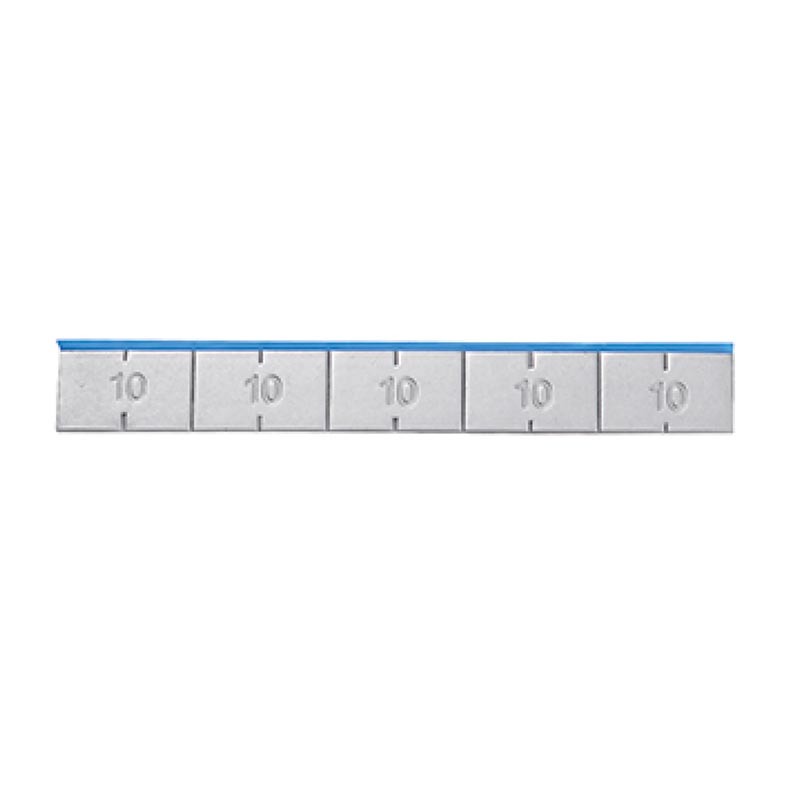
The Benefits of Using Steel Adhesive Wheel Weights in Heavy-Duty Trucks
In the world of heavy-duty trucking, every component plays a crucial role in ensuring optimal performance and safety. Among these components, wheel weights are often overlooked but are essential in providing the necessary balance for large vehicles. This article explores the numerous benefits of using steel adhesive wheel weights in heavy-duty trucks, focusing on their advantages, applications, and maintenance practices.
Understanding Wheel Weights: A Key Component in Truck Performance
Wheel weights are designed to counterbalance the weight of tires and rims, ensuring a smooth and safe ride. In heavy-duty trucks, maintaining proper wheel balance is even more critical due to the sheer size and weight of these vehicles. Steel adhesive wheel weights have emerged as a popular choice among trucking professionals, offering several advantages over traditional lead or clip-on weights.
The Advantages of Steel Adhesive Wheel Weights
1. Enhanced Performance and Safety
Steel adhesive wheel weights offer superior performance by ensuring that the wheels are balanced correctly. An unbalanced wheel can lead to uneven tire wear, reduced fuel efficiency, and compromised safety. By using steel adhesive weights, heavy-duty trucks maintain optimal performance and minimize the risk of accidents.
2. Durability and Longevity
One of the standout features of steel adhesive wheel weights is their durability. Unlike lead weights, which can corrode over time, steel is resistant to wear and tear, providing a long-lasting solution for wheel balancing. This durability means fewer replacements, saving time and money for fleet operators.
3. Ease of Installation
Installing steel adhesive wheel weights is a straightforward process. The adhesive backing allows for quick application, making it easier for mechanics to balance wheels efficiently. This ease of installation is particularly beneficial for fleet operators who require minimal downtime.
4. Environmentally Friendly Choice
With growing concerns about environmental sustainability, steel adhesive wheel weights present an eco-friendly alternative. Unlike lead, which poses health and environmental risks, steel is recyclable and less harmful, making it a responsible choice for modern trucking companies.
5. Improved Fuel Efficiency
Properly balanced wheels contribute to better fuel efficiency. Heavy-duty trucks equipped with steel adhesive wheel weights experience reduced rolling resistance, leading to lower fuel consumption. This improvement can result in significant savings over time, especially for fleets covering vast distances.
Applications of Steel Adhesive Wheel Weights in Heavy-Duty Trucks
Steel adhesive wheel weights are versatile and can be used in various applications within the heavy-duty trucking industry. Here are some common uses:
1. Commercial Freight Trucks
In commercial freight operations, maintaining efficiency is paramount. Steel adhesive wheel weights help ensure that freight trucks operate smoothly, reducing the risk of tire-related issues that could lead to costly downtime.
2. Construction Vehicles
Heavy-duty construction vehicles often face challenging terrains. The use of steel adhesive wheel weights helps these vehicles maintain stability and control, crucial for safe operation on job sites.
3. Agricultural Equipment
Agricultural machinery, including tractors and harvesters, benefits from balanced wheels. Steel adhesive weights ensure that these machines can operate efficiently in the field, reducing wear on tires and improving overall performance.
4. Emergency Response Vehicles
Emergency response vehicles require optimal performance under pressure. Steel adhesive wheel weights provide the necessary balance, ensuring these vehicles can respond quickly and effectively in critical situations.
Choosing the Right Steel Adhesive Wheel Weights
Selecting the appropriate steel adhesive wheel weights for heavy-duty trucks involves considering several factors:
1. Weight Specifications
Different trucks require varying weight specifications for proper balancing. It's essential to consult with a professional to determine the correct weight needed for a specific vehicle.
2. Adhesive Quality
The quality of the adhesive used in steel weights is crucial for performance. High-quality adhesives ensure that the weights remain securely attached during operation.
3. Manufacturer Reputation
Opt for reputable manufacturers known for producing high-quality steel adhesive wheel weights. This choice ensures reliability and durability for long-term use.
Best Practices for Installing and Maintaining Steel Adhesive Wheel Weights
To maximize the benefits of steel adhesive wheel weights, it's essential to follow best practices for installation and maintenance:
1. Clean the Wheel Surface
Before applying the weights, ensure that the wheel surface is clean and free from debris. A clean surface allows for better adhesion and ensures the weights remain securely in place.
2. Apply Weights Evenly
When installing steel adhesive weights, distribute them evenly across the wheel to maintain balance. Uneven weight distribution can lead to performance issues over time.
3. Regular Inspections
Conduct regular inspections of the weights to ensure they remain securely attached. If you notice any signs of detachment or wear, replace them promptly to avoid performance issues.
Cost Considerations of Steel Adhesive Wheel Weights
While the upfront cost of steel adhesive wheel weights may be higher than traditional options, the long-term savings in fuel efficiency and durability make them a worthwhile investment. Fleet operators should consider the total cost of ownership when evaluating wheel weight options.
Conclusion
Using steel adhesive wheel weights in heavy-duty trucks offers numerous advantages, from enhanced performance and safety to improved fuel efficiency. As the trucking industry continues to evolve, adopting innovative solutions like these weights becomes increasingly vital. By understanding their benefits and implementing best practices, trucking professionals can ensure their vehicles operate at peak efficiency, ultimately leading to safer roads and more profitable operations.
FAQs
1. What are steel adhesive wheel weights made of?
Steel adhesive wheel weights are primarily composed of steel, which makes them durable and resistant to corrosion.
2. How do I know if my truck needs wheel weights?
If you experience vibrations or uneven tire wear, it may indicate that your wheels are unbalanced, necessitating the use of wheel weights.
3. Can I install steel adhesive wheel weights myself?
Yes, with proper guidance and tools, steel adhesive wheel weights can be installed by individuals. However, it's advisable to consult a professional for best results.
4. How long do steel adhesive wheel weights last?
With proper installation and maintenance, steel adhesive wheel weights can last for several years, providing a long-term solution for wheel balancing.
5. Are steel adhesive wheel weights environmentally friendly?
Yes, steel is a recyclable material and poses fewer environmental risks compared to lead, making it a more sustainable choice for wheel weights.
TAG:
Related Posts

Global automotive wheel balance block industry

Contact Us
Sales Business:
Tel: +86-311-85939575 / +86-13673130619
Phone: +86-13933004411 (Manager Huang)
Email: wheelweights@hxphk.com
Contact Factory:
Tel: +86-317-4452233
Tel: +86-317-4452855
Email: hxphkc@126.com
What We Offer
Hebei Pan Asian Wheel weights Co.,Ltd. is an automobile wheel balance weights production enterprise that integrates scientific research, production, and sales.