
Why Proper Tire Balance Weights are Crucial for Your Alloy Rims and Optimal Driving Performance
2026-01-10


Why Proper Tire Balance Weights are Crucial for Your Alloy Rims and Optimal Driving Performance
Driving is more than just getting from point A to point B; it’s about the experience, comfort, and safety that come with it. One critical aspect that often gets overlooked is the balance of your alloy rims. Proper tire balance weights are essential for optimal driving performance, and neglecting them ca
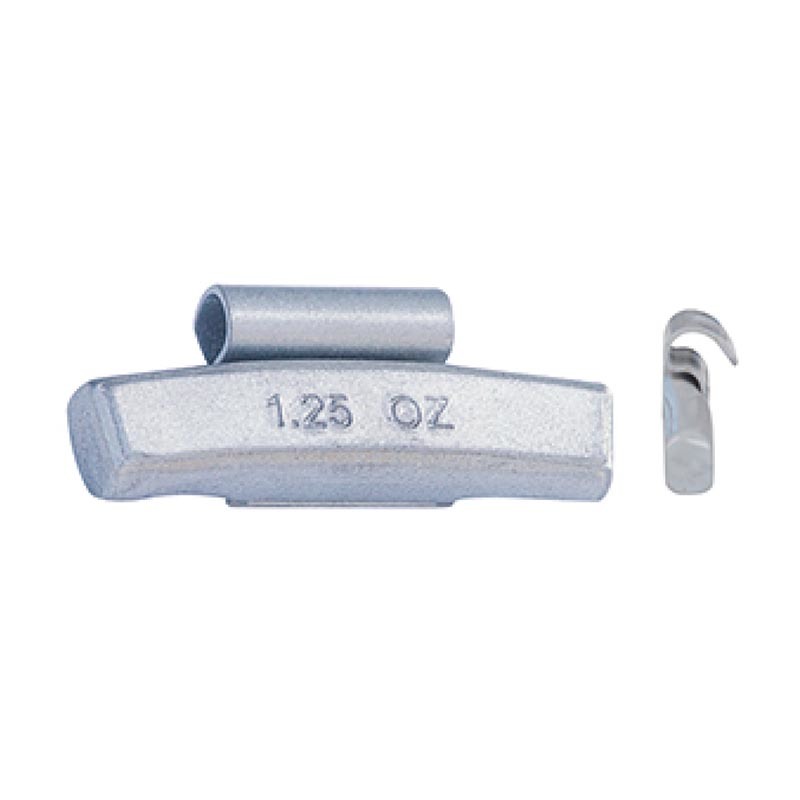
Why Proper Tire Balance Weights are Crucial for Your Alloy Rims and Optimal Driving Performance
Driving is more than just getting from point A to point B; it’s about the experience, comfort, and safety that come with it. One critical aspect that often gets overlooked is the balance of your alloy rims. Proper tire balance weights are essential for optimal driving performance, and neglecting them can lead to numerous issues. In this article, we will explore why your alloy rims need proper tire balance weights and how they contribute to an exceptional driving experience.
Table of Contents
1. Understanding Alloy Rims and Their Importance
2. The Mechanics of Tire Balancing
3. Why Proper Balance Weights Matter
3.1 Enhancing Safety
3.2 Improving Handling and Performance
3.3 Extending Tire Lifespan
4. Signs That Your Tires May Be Unbalanced
5. How to Properly Balance Your Tires
5.1 Tools Required for Tire Balancing
5.2 Step-by-Step Balancing Process
6. Maintenance Tips for Alloy Rims
7. Frequently Asked Questions (FAQs)
8. Conclusion
1. Understanding Alloy Rims and Their Importance
Alloy rims, often made from aluminum or magnesium, have become popular due to their lightweight properties and aesthetic appeal. They not only enhance the look of a vehicle but also have functional advantages such as improved performance and fuel efficiency. However, these benefits can only be fully realized if the rims are correctly balanced. Proper wheel balance ensures that the weight distribution is even across the tire, leading to a smoother ride and better handling.
2. The Mechanics of Tire Balancing
Tire balancing is the process of equalizing the weight distribution around the entire circumference of the wheel and tire assembly. When tires are mounted on rims, they may not be perfectly symmetrical. This imbalance can lead to vibrations, uneven tire wear, and difficulties in steering. Proper tire balancing involves adding weights to specific locations on the rim to counteract these imbalances.
3. Why Proper Balance Weights Matter
3.1 Enhancing Safety
One of the primary reasons to ensure that your alloy rims are equipped with proper tire balance weights is safety. An unbalanced wheel can cause vibrations, which may lead to loss of control, especially at high speeds. Properly balanced tires allow for better traction and stability, ensuring that you can navigate turns and sudden stops safely.
3.2 Improving Handling and Performance
When your alloy rims are balanced correctly, you will notice a significant improvement in your vehicle’s handling. Proper weight distribution allows for enhanced grip and stability, making it easier to steer and maneuver your vehicle. This improvement translates to a more enjoyable driving experience, whether you’re on the highway or navigating through city traffic.
3.3 Extending Tire Lifespan
Unbalanced tires wear unevenly, leading to premature tire replacement. By ensuring that your alloy rims have proper tire balance weights, you can prolong the lifespan of your tires. This not only saves you money in the long run but also reduces the environmental impact associated with tire disposal.
4. Signs That Your Tires May Be Unbalanced
Recognizing the signs of unbalanced tires can save you from potential hazards and expensive repairs. Some common indicators include:
- **Vibrations:** If you feel persistent vibrations in the steering wheel or seat while driving, it could be a sign that your tires are unbalanced.
- **Uneven Tire Wear:** Inspect your tires regularly. Uneven wear patterns are often a result of improper balancing.
- **Steering Issues:** Difficulty in steering or pulling to one side may indicate that your tires are not balanced correctly.
- **Noisy Ride:** Excessive noise while driving can also hint at tire imbalance.
5. How to Properly Balance Your Tires
Maintaining proper tire balance is crucial for performance and safety. Here’s how to do it effectively:
5.1 Tools Required for Tire Balancing
To balance your tires, you will need:
- A tire balancing machine
- Weight balancing clips or adhesive weights
- A lug wrench
- A tire pressure gauge
5.2 Step-by-Step Balancing Process
1. **Remove the wheel from the vehicle** using a lug wrench.
2. **Mount the tire on the balancing machine.** The machine will spin the tire and identify any imbalances.
3. **Add weights** to the rim at the indicated spots. This is crucial for achieving balance.
4. **Re-test the tire** on the machine to ensure proper balance is achieved.
5. **Reinstall the tire** on the vehicle, ensuring everything is secured tightly.
6. Maintenance Tips for Alloy Rims
To keep your alloy rims in top condition and maintain proper balance, consider the following tips:
- **Regular Inspections:** Check your tires regularly for signs of wear or damage.
- **Proper Inflation:** Ensure your tires are inflated to the recommended pressure. Over or under-inflation can lead to imbalance.
- **Rotate Tires:** Regularly rotating your tires can promote even wear, which contributes to better balance.
- **Avoid Potholes:** Driving over potholes or rough terrain can disrupt tire balance. Always be cautious when driving.
7. Frequently Asked Questions (FAQs)
**Q1: How often should I balance my tires?**
A: It is recommended to balance your tires every 5,000 to 6,000 miles or whenever you notice signs of imbalance.
**Q2: Can I balance my tires at home?**
A: While it is possible to balance tires at home with the right tools, it is generally advised to have them balanced professionally for the best results.
**Q3: What happens if I don’t balance my tires?**
A: Not balancing your tires can lead to uneven tire wear, reduced fuel efficiency, and a compromised driving experience.
**Q4: How long do tire balance weights last?**
A: Tire balance weights can last as long as your tires, but they may need to be reapplied if they fall off due to wear or damage.
**Q5: Do I need to balance my tires if I just rotate them?**
A: Yes, it is a good practice to balance your tires whenever you rotate them, as this can help maintain even wear and enhance performance.
8. Conclusion
In summary, investing in proper tire balance weights for your alloy rims is crucial for achieving optimal driving performance. From enhancing safety and improving handling to extending the lifespan of your tires, the benefits are undeniable. By keeping an eye on signs of imbalance and following a regular maintenance routine, you can ensure that your vehicle operates smoothly and efficiently. Remember, a well-balanced ride is not just about comfort; it’s also about safety.
TAG:
Related Posts

Global automotive wheel balance block industry
The global market size of automotive wheel balance weights in 2024 is approximately 4.92 billion yuan. It is expected to maintain a steady growth trend in the future

Contact Us
Sales Business:
Tel: +86-311-85939575 / +86-13673130619
Phone: +86-13933004411 (Manager Huang)
Email: wheelweights@hxphk.com
Contact Factory:
Tel: +86-317-4452233
Tel: +86-317-4452855
Email: hxphkc@126.com
What We Offer
Hebei Pan Asian Wheel weights Co.,Ltd. is an automobile wheel balance weights production enterprise that integrates scientific research, production, and sales.