
Maximizing Big Truck Performance with Steel Adhesive Wheel Weights
2025-12-24


Maximizing Big Truck Performance with Steel Adhesive Wheel Weights
Table of Contents
1. Understanding the Importance of Wheel Balance in Big Trucks
2. The Role of Steel Adhesive Wheel Weights in Performance Optimization
3. Benefits of Using Steel Adhesive Wheel Weights
3.1 Enhanced Vehicle Stability
3.2 Improved Fuel Efficiency
3.3 Extended Tire Life
4. How to Properly Install Steel Adhesive Wheel
Maximizing Big Truck Performance with Steel Adhesive Wheel Weights
Table of Contents
1. Understanding the Importance of Wheel Balance in Big Trucks
2. The Role of Steel Adhesive Wheel Weights in Performance Optimization
3. Benefits of Using Steel Adhesive Wheel Weights
3.1 Enhanced Vehicle Stability
3.2 Improved Fuel Efficiency
3.3 Extended Tire Life
4. How to Properly Install Steel Adhesive Wheel Weights
4.1 Tools Needed for Installation
4.2 Step-by-Step Installation Guide
5. Common Mistakes to Avoid When Using Wheel Weights
6. Frequently Asked Questions (FAQs)
7. Conclusion
1. Understanding the Importance of Wheel Balance in Big Trucks
Achieving optimal performance in big trucks is a multifaceted process, with wheel balance serving as a critical component. When the wheels of a truck are not balanced correctly, it can lead to a host of issues, including uneven tire wear, decreased fuel efficiency, and compromised handling. A well-balanced wheel ensures that the weight is evenly distributed, which results in a smoother ride and better control over the vehicle.
In the trucking industry, where efficiency and safety are paramount, neglecting wheel balance can have serious implications. By investing in effective solutions, such as steel adhesive wheel weights, fleet operators can significantly enhance their vehicle performance.
2. The Role of Steel Adhesive Wheel Weights in Performance Optimization
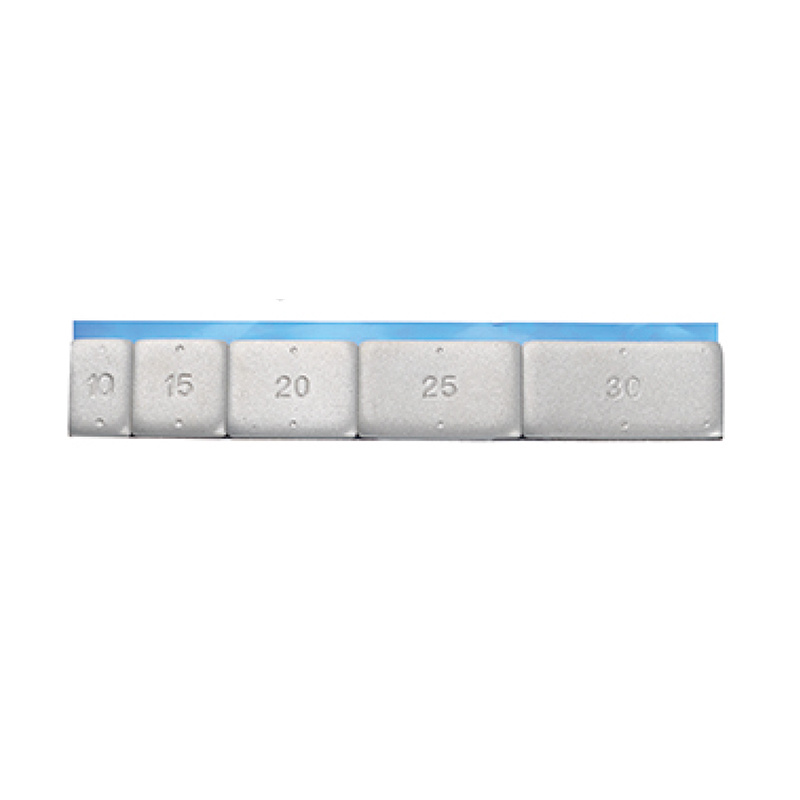
Steel adhesive wheel weights play a pivotal role in maintaining wheel balance. Unlike traditional lead weights, steel offers a more environmentally friendly alternative with comparable performance benefits. These weights adhere directly to the rim of the wheel, providing a seamless and durable solution that enhances the overall functionality of big trucks.
Using steel adhesive wheel weights can help mitigate vibrations and improve handling, ultimately leading to a safer and more enjoyable driving experience. This article delves into the myriad advantages these weights offer, underscoring their importance in the trucking industry.
3. Benefits of Using Steel Adhesive Wheel Weights
The advantages of utilizing steel adhesive wheel weights extend beyond simple balance correction. Below, we explore some of the most significant benefits:
3.1 Enhanced Vehicle Stability
A well-balanced wheel contributes to enhanced vehicle stability. Steel adhesive wheel weights help ensure that the center of gravity remains consistent, reducing the chances of swaying or rolling over, especially during sharp turns or sudden maneuvers. This stability is crucial for heavy-duty trucks that carry substantial loads.
3.2 Improved Fuel Efficiency
When wheels are unbalanced, the engine must work harder to compensate for the misalignment, leading to increased fuel consumption. By using steel adhesive wheel weights, operators can achieve optimal wheel balance, which can lead to improved fuel efficiency. This not only saves money but also reduces the vehicle's carbon footprint, making it a more sustainable choice for fleets.
3.3 Extended Tire Life
Uneven tire wear is a common consequence of unbalanced wheels. Over time, this can lead to premature tire replacement, adding unnecessary costs to operational budgets. Steel adhesive wheel weights help ensure that tires wear evenly, significantly extending their lifespan and reducing the frequency of replacements.
4. How to Properly Install Steel Adhesive Wheel Weights
Installing steel adhesive wheel weights correctly is essential for maximizing their effectiveness. Below, we provide a detailed guide on proper installation.
4.1 Tools Needed for Installation
Before beginning the installation process, gather the following tools:
- Steel adhesive wheel weights
- A clean cloth or degreaser
- A tape measure
- A wheel balancer (optional but recommended)
- Safety gloves
4.2 Step-by-Step Installation Guide
1. **Prepare the Wheel**: Clean the wheel's surface thoroughly with a cloth or degreaser to remove any dirt or debris. A clean surface ensures optimal adhesion of the weights.
2. **Measure and Mark**: Determine where the adhesive weights should be placed. Typically, this is on the inside edge of the rim. Use a tape measure for accuracy.
3. **Apply the Weights**: Carefully peel the backing off the adhesive side of the steel wheel weight. Position it on the marked area and press firmly to ensure it adheres well to the wheel.
4. **Check Balance**: If you have access to a wheel balancer, use it to verify that the wheel is now balanced. Make adjustments as necessary by adding or repositioning weights.
5. **Final Inspection**: After installation, inspect the wheel to ensure everything is secure. Take the truck for a test drive to assess handling and performance.
5. Common Mistakes to Avoid When Using Wheel Weights
While installing steel adhesive wheel weights can seem straightforward, there are common pitfalls that should be avoided:
- **Neglecting Surface Preparation**: Failing to clean the wheel thoroughly can lead to inadequate adhesion, causing the weights to fall off.
- **Incorrect Placement**: Placing weights in the wrong position can result in imbalances that compromise performance.
- **Skipping the Balancing Process**: Always check the balance after installing weights to ensure optimal performance.
6. Frequently Asked Questions (FAQs)
What are steel adhesive wheel weights made of?
Steel adhesive wheel weights are composed primarily of steel, which offers a durable and environmentally friendly alternative to traditional lead weights.
How do I know if my wheels need balancing?
Signs of unbalanced wheels include vibrations during driving, uneven tire wear, and a pulling sensation to one side. If you experience these symptoms, it’s time to balance your wheels.
Can I install steel adhesive wheel weights myself?
Yes, with the right tools and guidance, installing steel adhesive wheel weights can be a DIY task. However, if you’re unsure, seek professional assistance.
How often should I check my wheel balance?
It’s advisable to check your wheel balance every 5,000 to 10,000 miles or whenever you notice symptoms of imbalance.
Are adhesive wheel weights better than clip-on weights?
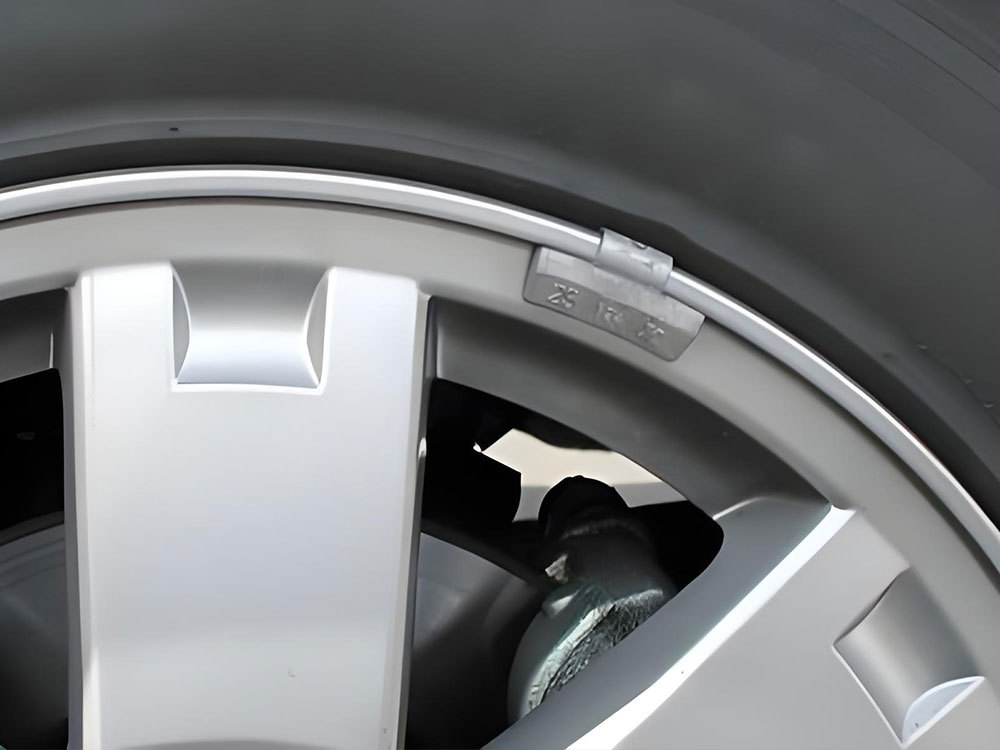
Steel adhesive wheel weights offer a more seamless installation and can be more effective at reducing vibrations. They also eliminate the risk of damaging the rim associated with clip-on weights.
7. Conclusion
In conclusion, steel adhesive wheel weights are an indispensable tool for maximizing the performance of big trucks. By ensuring optimal wheel balance, these weights not only enhance vehicle stability and fuel efficiency but also extend tire life, providing significant long-term savings. Whether you are managing a fleet or maintaining your own big truck, the benefits of using steel adhesive wheel weights are clear. By following proper installation procedures and avoiding common mistakes, you can achieve the best possible performance from your vehicle, ensuring a safer and more efficient driving experience. Investing in steel adhesive wheel weights is a proactive step towards superior truck performance that pays dividends over time.
TAG:
Related Posts

Global automotive wheel balance block industry
The global market size of automotive wheel balance weights in 2024 is approximately 4.92 billion yuan. It is expected to maintain a steady growth trend in the future


Contact Us
Sales Business:
Tel: +86-311-85939575 / +86-13673130619
Phone: +86-13933004411 (Manager Huang)
Email: wheelweights@hxphk.com
Contact Factory:
Tel: +86-317-4452233
Tel: +86-317-4452855
Email: hxphkc@126.com
What We Offer
Hebei Pan Asian Wheel weights Co.,Ltd. is an automobile wheel balance weights production enterprise that integrates scientific research, production, and sales.