
Why Steel Adhesive Wheel Weights Are Essential for Big Trucks
2025-12-04


Why Steel Adhesive Wheel Weights Are Essential for Big Trucks
The transportation industry relies heavily on big trucks to deliver goods across vast distances. These vehicles, often laden with heavy cargo, face unique challenges that smaller vehicles do not encounter. One of the critical aspects of maintaining safety and efficiency in big trucks is ensuring proper wheel balance. Here, we delve into
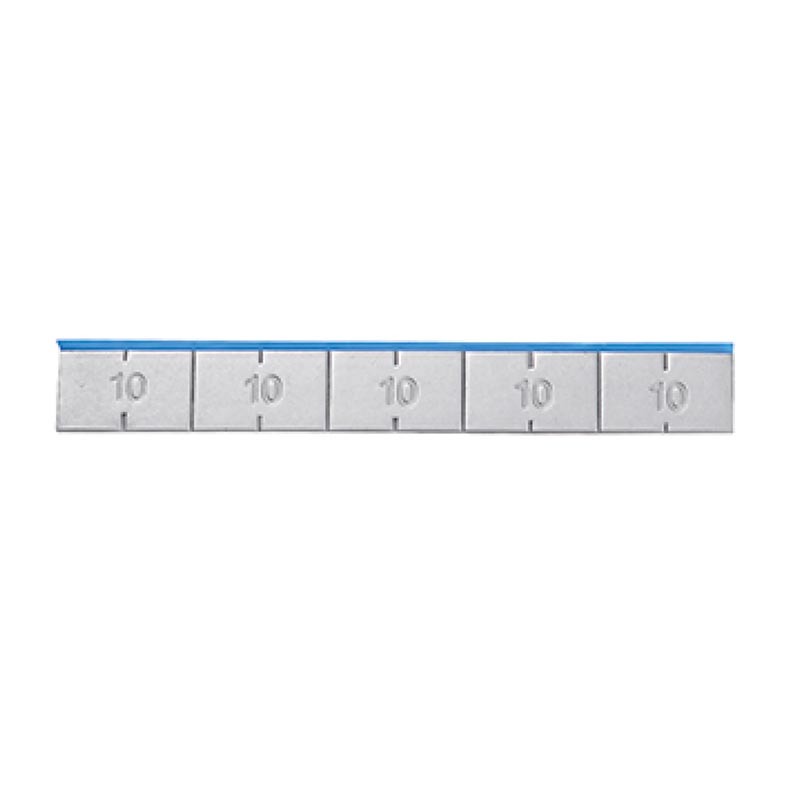
Why Steel Adhesive Wheel Weights Are Essential for Big Trucks
The transportation industry relies heavily on big trucks to deliver goods across vast distances. These vehicles, often laden with heavy cargo, face unique challenges that smaller vehicles do not encounter. One of the critical aspects of maintaining safety and efficiency in big trucks is ensuring proper wheel balance. Here, we delve into why **steel adhesive wheel weights** are essential for big trucks, highlighting their advantages, installation methods, and maintenance tips.
Table of Contents
1. Understanding Wheel Balance in Big Trucks
2. Introduction to Steel Adhesive Wheel Weights
3. Benefits of Using Steel Adhesive Wheel Weights
3.1 Enhanced Durability and Strength
3.2 Better Weight Distribution
3.3 Resistance to Environmental Factors
4. Installation Process of Steel Adhesive Wheel Weights
4.1 Tools Required for Installation
4.2 Step-by-Step Installation Guide
5. Best Practices for Maintaining Wheel Balance
6. Common FAQs about Steel Adhesive Wheel Weights
7. Conclusion
1. Understanding Wheel Balance in Big Trucks
Wheel balance is paramount in big trucks, as it directly affects driving performance, tire wear, and fuel efficiency. An unbalanced wheel can lead to excessive vibration, making the vehicle harder to handle and causing premature tire wear. Moreover, it can significantly impact the truck's braking and steering capabilities, which are critical for safety.
When a truck is loaded with cargo, the weight distribution changes, making it even more crucial to ensure that each wheel is balanced correctly. This is where wheel weights, specifically **steel adhesive wheel weights**, come into play.
2. Introduction to Steel Adhesive Wheel Weights
Steel adhesive wheel weights are specifically designed for heavy-duty applications, making them ideal for big trucks. Unlike traditional clip-on weights, these weights adhere directly to the rim of the wheel, providing a more streamlined appearance and improving aerodynamics. They are typically made from high-quality steel, offering various advantages in terms of strength and longevity.
3. Benefits of Using Steel Adhesive Wheel Weights
Using steel adhesive wheel weights presents several benefits that contribute to the overall efficiency and safety of big trucks.
3.1 Enhanced Durability and Strength
Steel is known for its robustness. Steel adhesive wheel weights are less prone to cracking or breaking under the stress of heavy loads, ensuring that they remain effective over time. This durability is crucial for big trucks that operate under varying conditions and carry significant weights.
3.2 Better Weight Distribution
Proper weight distribution is essential for maintaining vehicle stability. Steel adhesive wheel weights allow for precise placement on the wheel, ensuring that the weight is evenly distributed. This balance is vital for preventing uneven tire wear and enhancing fuel efficiency.
3.3 Resistance to Environmental Factors
Big trucks often operate in harsh environments, from extreme temperatures to exposure to road salt and other corrosive elements. Steel adhesive wheel weights are resistant to these environmental factors, ensuring they maintain their effectiveness without degrading.
4. Installation Process of Steel Adhesive Wheel Weights
Understanding how to install steel adhesive wheel weights correctly is crucial for achieving optimal wheel balance.
4.1 Tools Required for Installation
To install steel adhesive wheel weights, you will need the following tools:
- A tire mounting machine or wheel balancer
- A cleaning solution or degreaser
- A lint-free cloth
- Steel adhesive wheel weights
- A weight placement tool (optional)
4.2 Step-by-Step Installation Guide
1. **Remove the Wheel**: Begin by safely lifting the truck with a jack and removing the wheel.
2. **Clean the Wheel Surface**: Use a degreaser and a lint-free cloth to clean the area where the weights will be placed. Removing dust and debris ensures a strong bond.
3. **Select the Correct Weight**: Choose the appropriate steel adhesive wheel weight based on the required balance.
4. **Position the Weight**: Place the weight on the wheel in the desired location. If using multiple weights, arrange them symmetrically for optimal balance.
5. **Apply Pressure**: Firmly press down on the weight to ensure it adheres well to the wheel surface.
6. **Reinstall the Wheel**: After installation, reinstall the wheel on the truck and ensure all lug nuts are tightened properly.
7. **Balance the Wheel**: Use a wheel balancer to verify that the wheel is balanced correctly.
5. Best Practices for Maintaining Wheel Balance
To ensure that steel adhesive wheel weights continue to perform effectively, consider the following maintenance practices:
- **Regular Inspections**: Routinely check the wheel weights for any signs of wear or damage. If a weight becomes loose or dislodged, replace it immediately.
- **Tire Rotations**: Regularly rotating tires can help maintain even wear and extend the life of both tires and wheel weights.
- **Monitor Tire Pressure**: Keeping tires inflated to the recommended pressure can prevent excessive wear and ensure optimal performance.
- **Professional Balancing**: Have the wheels balanced by a professional whenever tires are replaced or rotated.
6. Common FAQs about Steel Adhesive Wheel Weights
**Q1: How do steel adhesive wheel weights differ from traditional weights?**
A1: Steel adhesive wheel weights adhere directly to the wheel rim, providing a more aerodynamic profile, while traditional weights are clamped onto the rim.
**Q2: Can I install steel adhesive wheel weights myself?**
A2: Yes, with the proper tools and following the installation guide, you can install them yourself. However, professional installation is recommended for optimal results.
**Q3: How often should I check my wheel weights?**
A3: It is advisable to inspect your wheel weights at least once every 5,000 miles or during routine tire rotations.
**Q4: Are steel adhesive wheel weights more cost-effective than lead weights?**
A4: While steel adhesive weights may have a higher upfront cost, their durability and effectiveness often make them more cost-effective in the long run.
**Q5: What should I do if a weight falls off?**
A5: If a weight falls off, it’s crucial to replace it immediately and rebalance the wheel to ensure safe driving.
7. Conclusion
Steel adhesive wheel weights are essential for maintaining the performance and safety of big trucks. With their numerous benefits, including enhanced durability, better weight distribution, and resistance to environmental factors, these weights prove to be a vital component in the world of heavy-duty transportation. Proper installation and maintenance of these wheel weights can significantly improve vehicle handling, prolong tire life, and ensure a smoother ride. By investing in steel adhesive wheel weights, truck operators can drive confidently, knowing they have taken the necessary steps to maintain wheel balance and safety on the road.
TAG:
Related Posts
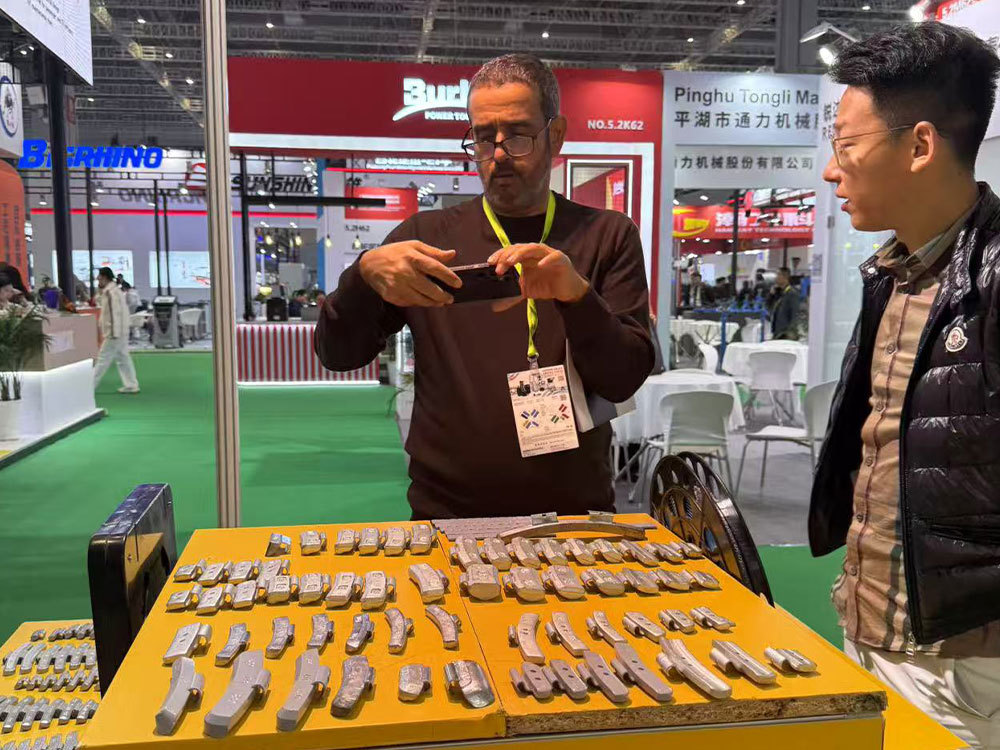
Global automotive wheel balance block industry
The global market size of automotive wheel balance weights in 2024 is approximately 4.92 billion yuan. It is expected to maintain a steady growth trend in the future

Contact Us
Sales Business:
Tel: +86-311-85939575 / +86-13673130619
Phone: +86-13933004411 (Manager Huang)
Email: wheelweights@hxphk.com
Contact Factory:
Tel: +86-317-4452233
Tel: +86-317-4452855
Email: hxphkc@126.com
What We Offer
Hebei Pan Asian Wheel weights Co.,Ltd. is an automobile wheel balance weights production enterprise that integrates scientific research, production, and sales.