
Top Reasons to Choose Zinc Weights for Passenger Vehicle Balancing
2025-11-26


Top Reasons to Choose Zinc Weights for Passenger Vehicle Balancing
Understanding Vehicle Balancing and Its Importance
When it comes to maintaining your vehicle, one of the most crucial aspects is ensuring proper wheel balancing. Wheel balancing directly affects your vehicle's performance, safety, and tire longevity. Unbalanced wheels can lead to uneven tire wear, decreased fuel efficiency, and eve
Top Reasons to Choose Zinc Weights for Passenger Vehicle Balancing
Understanding Vehicle Balancing and Its Importance
When it comes to maintaining your vehicle, one of the most crucial aspects is ensuring proper wheel balancing. Wheel balancing directly affects your vehicle's performance, safety, and tire longevity. Unbalanced wheels can lead to uneven tire wear, decreased fuel efficiency, and even compromised handling. Therefore, selecting the appropriate weights for balancing is vital. Among the various options available, zinc weights stand out as an excellent choice for passenger vehicles.
What Are Zinc Weights?
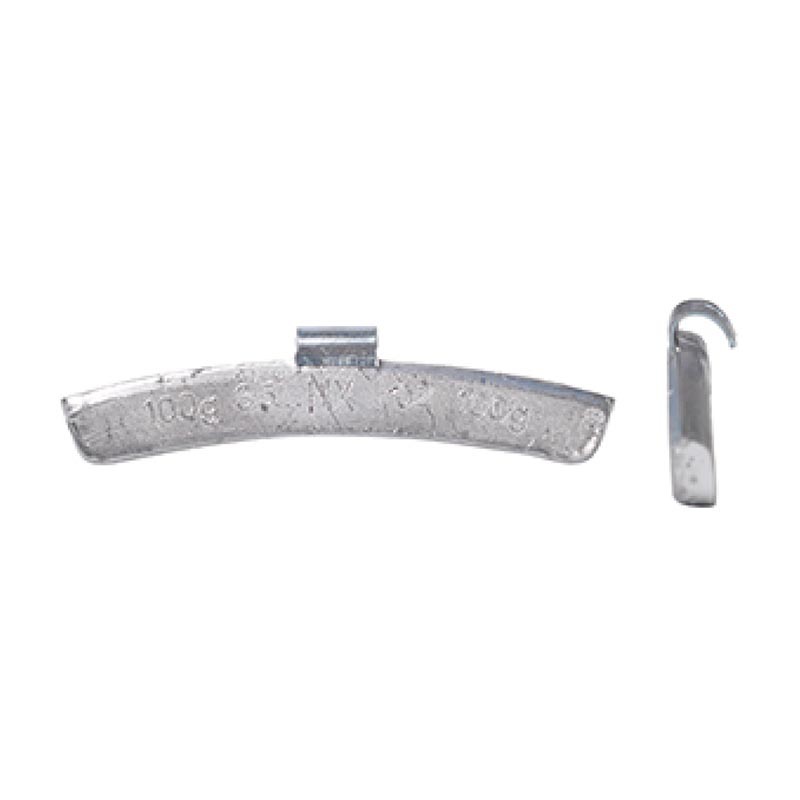
Zinc weights are used in the automotive industry for wheel balancing. They serve the purpose of correcting imbalances in the wheels, which can arise due to various factors, including manufacturing variances and wear over time. Weights are typically affixed to the wheels to ensure that they rotate smoothly, which enhances the overall performance of the vehicle.
The Composition and Properties of Zinc Weights
Zinc weights are primarily made of zinc metal, which is known for its favorable properties. Zinc is relatively dense, making it effective for balancing wheels without taking up excessive space. Additionally, it has excellent corrosion resistance, ensuring that the weights maintain their integrity in various environmental conditions.
Benefits of Using Zinc Weights for Passenger Vehicles
Choosing zinc weights over other materials offers numerous advantages that can significantly impact vehicle performance. Here are some compelling reasons to consider:
1. Environmental Friendliness
Zinc is a more environmentally friendly choice compared to other materials such as lead. The automotive industry is increasingly moving toward sustainable practices, and using zinc weights contributes to this goal. Zinc is recyclable and less toxic than lead, making it a safer option for both the environment and human health.
2. Superior Durability
Zinc weights are built to withstand the rigors of road conditions. Their durability ensures that they remain affixed to the wheels for extended periods without the risk of corrosion or degradation. This longevity translates into less frequent replacements, saving you time and money in the long run.
3. Enhanced Accuracy in Balancing
One of the primary advantages of zinc weights is their precision in balancing. The density of zinc allows for more accurate adjustments, ensuring that even the slightest imbalance can be corrected effectively. This accuracy translates into smoother rides and improved vehicle handling.
4. Cost-Effectiveness
While the initial cost of zinc weights may be slightly higher than some alternatives, their durability and effectiveness make them a cost-effective option over time. With less frequent replacements and improved performance, zinc weights provide excellent value for money.
5. Compatibility with Various Wheel Designs
Zinc weights come in a range of sizes and designs, making them compatible with various wheel configurations. Whether you have alloy wheels or standard steel rims, there is a zinc weight option that will suit your vehicle's specific needs.
6. Reducing Road Noise and Vibration
Properly balanced wheels can significantly reduce road noise and vibrations within the vehicle. By using zinc weights to achieve optimal balancing, drivers can enjoy a quieter and more comfortable ride, enhancing the overall driving experience.
How Zinc Weights Are Installed
The installation of zinc weights is a straightforward process that can be performed by automotive professionals or DIY enthusiasts. Here is a basic overview of how zinc weights are typically installed:
1. Wheel Removal
To begin, the wheels must be removed from the vehicle. This step allows for easy access to the rims for balancing.
2. Balancing Machine Setup
Once the wheels are off, they are placed on a balancing machine, which spins the wheel to identify any imbalances. The machine will indicate where the zinc weights need to be attached.
3. Weight Attachment
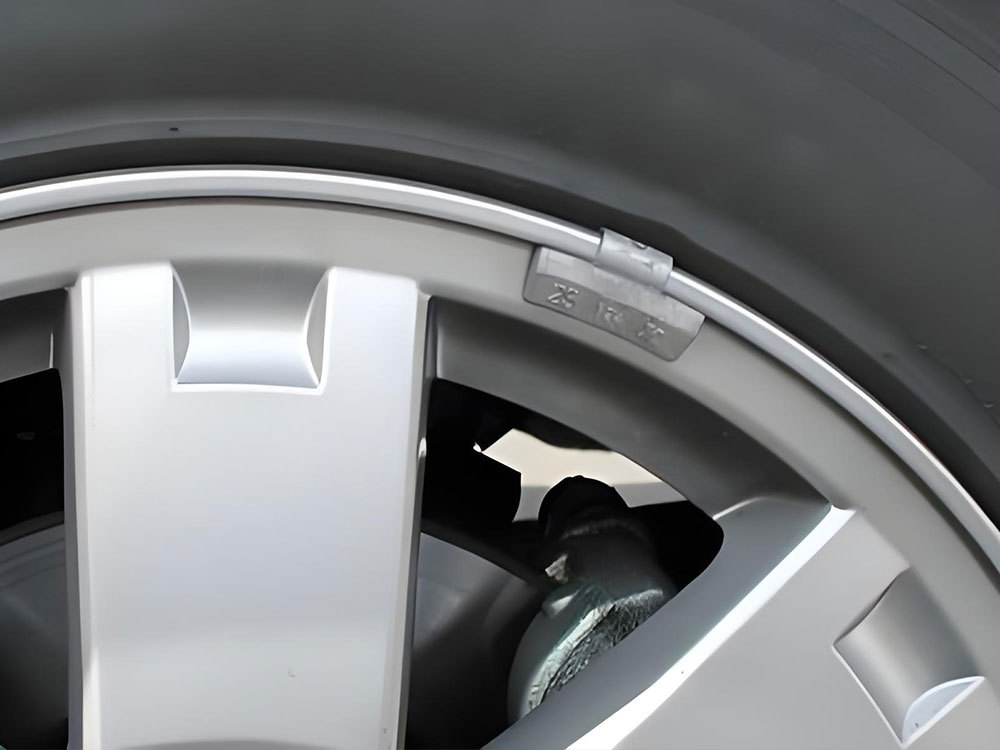
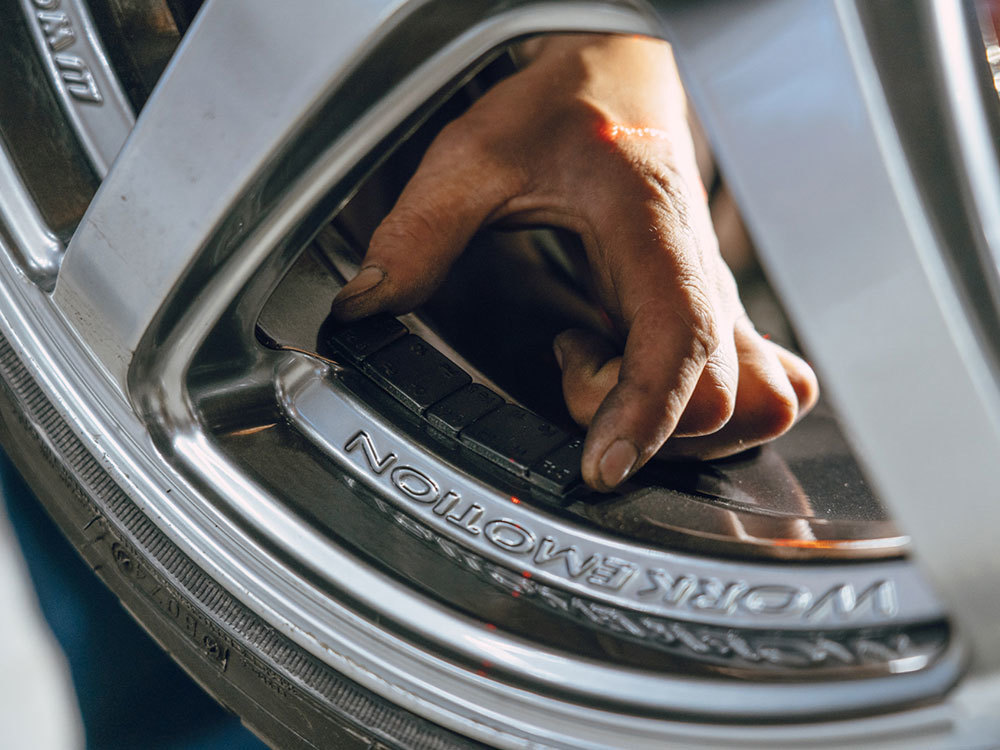
Zinc weights are then attached to the wheel at the designated points. This is usually done using adhesive backing or clip-on mechanisms, depending on the weight design.
4. Reinstallation of Wheels
After the weights are attached, the wheels are reinstalled on the vehicle, ensuring that they are properly secured.
Zinc Weights vs. Other Materials: A Comparative Analysis
When choosing the right weights for vehicle balancing, it's essential to consider the alternatives. Here’s a brief comparison of zinc weights with other common materials used in the industry.
Lead Weights
Lead weights have been a traditional choice for balancing due to their density. However, lead poses significant environmental and health risks. In contrast, zinc provides a safer alternative with similar benefits without the toxic implications.
Steel Weights
Steel weights are another option, but they tend to be less effective in terms of balancing accuracy. Additionally, steel is more prone to rust, which can compromise its effectiveness over time. Zinc's corrosion resistance gives it an edge in longevity.
Plastic Weights
Plastic weights are lightweight but lack the density needed for effective balancing. They may not provide the same level of performance as zinc weights, especially in larger vehicles or under demanding driving conditions.
Frequently Asked Questions (FAQs)
1. Are zinc weights suitable for all types of vehicles?
Yes, zinc weights are compatible with most passenger vehicles and can also be used in light trucks and SUVs.
2. How do I know if my vehicle's wheels are unbalanced?
Signs of unbalanced wheels include vibrations in the steering wheel, uneven tire wear, and road noise at higher speeds.
3. Can I install zinc weights myself?
While it’s possible to install zinc weights yourself, it's recommended to have a professional perform the installation to ensure accurate balancing.
4. How often should I check my wheel balancing?
It's advisable to check your wheel balancing every time you rotate your tires or if you experience any unusual vibrations or handling issues.
5. Is there a warranty on zinc weights?
Many manufacturers offer warranties on their products, including zinc weights. It's advisable to check with the supplier for specific warranty details.
Conclusion
Choosing the right weights for passenger vehicle balancing is essential for optimal performance, safety, and longevity. Zinc weights emerge as a superior choice, offering environmental benefits, durability, and precise balancing. Their compatibility with various wheel designs and cost-effectiveness further solidify their position as a preferred option in the automotive industry.
Investing in zinc weights not only enhances your driving experience but also contributes to a more sustainable approach in automotive maintenance. Make the switch to zinc weights today and experience the difference in your vehicle's performance!
TAG:
Related Posts

Global automotive wheel balance block industry
The global market size of automotive wheel balance weights in 2024 is approximately 4.92 billion yuan. It is expected to maintain a steady growth trend in the future

Contact Us
Sales Business:
Tel: +86-311-85939575 / +86-13673130619
Phone: +86-13933004411 (Manager Huang)
Email: wheelweights@hxphk.com
Contact Factory:
Tel: +86-317-4452233
Tel: +86-317-4452855
Email: hxphkc@126.com
What We Offer
Hebei Pan Asian Wheel weights Co.,Ltd. is an automobile wheel balance weights production enterprise that integrates scientific research, production, and sales.