
How to Choose the Right Adhesive Wheel Balance Weights for Buses
2025-11-22


How to Choose the Right Adhesive Wheel Balance Weights for Buses
When it comes to maintaining the safety and efficiency of buses, selecting the right adhesive wheel balance weights is crucial. These weights play a vital role in ensuring that wheels are properly balanced, minimizing vibrations, enhancing fuel efficiency, and prolonging the lifespan of tires.
In this article, we will delve into the
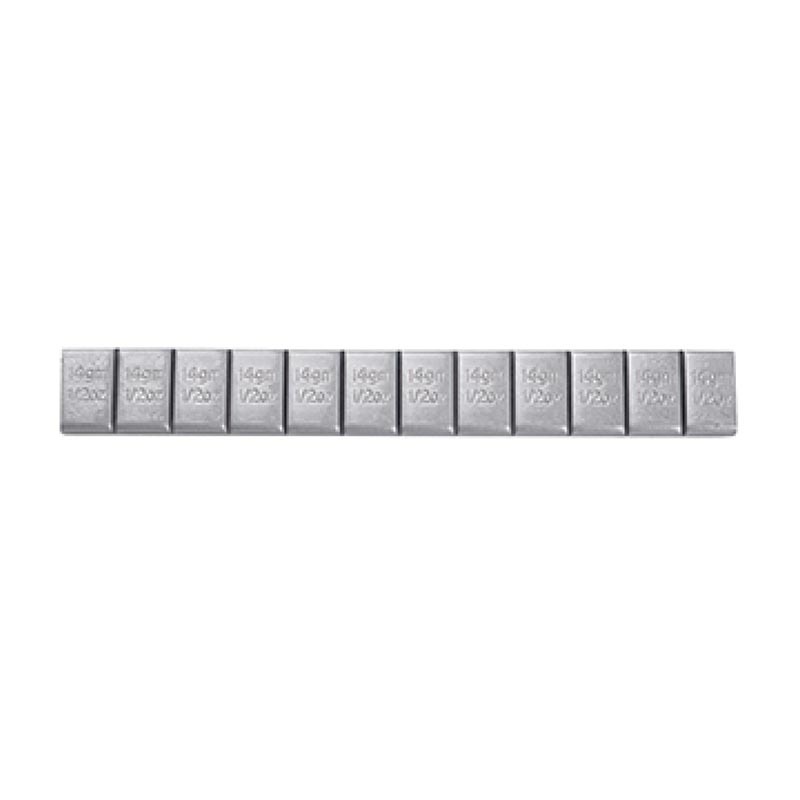
How to Choose the Right Adhesive Wheel Balance Weights for Buses
When it comes to maintaining the safety and efficiency of buses, selecting the right adhesive wheel balance weights is crucial. These weights play a vital role in ensuring that wheels are properly balanced, minimizing vibrations, enhancing fuel efficiency, and prolonging the lifespan of tires.
In this article, we will delve into the specifics of choosing the right adhesive wheel balance weights, exploring various factors that contribute to effective wheel balancing. From understanding the types of weights available to installation and maintenance tips, this comprehensive guide offers valuable insights for fleet managers and bus maintenance professionals.
Table of Contents
1. Understanding Wheel Balance and Its Importance
2. Types of Adhesive Wheel Balance Weights
2.1. Lead Balance Weights
2.2. Steel Balance Weights
2.3. Zinc Balance Weights
2.4. Plastic-Coated Weights
3. Factors to Consider When Choosing Adhesive Wheel Balance Weights
3.1. Wheel Size and Type
3.2. Weight Specifications
3.3. Adhesive Quality
4. Benefits of Using Adhesive Wheel Balance Weights
5. Installation Process of Adhesive Wheel Balance Weights
6. Maintenance Tips for Adhesive Balance Weights
7. Common Mistakes to Avoid When Choosing Wheel Balance Weights
8. FAQs About Adhesive Wheel Balance Weights for Buses
9. Conclusion
1. Understanding Wheel Balance and Its Importance
Wheel balance refers to the distribution of weight around a wheel and tire assembly. Proper wheel balancing is essential for several reasons:
- **Improved Ride Quality**: Balanced wheels provide a smoother ride by reducing vibrations. This is particularly important for buses, which carry passengers and need to ensure their comfort.
- **Enhanced Tire Life**: Uneven weight distribution can lead to premature tire wear. By using the correct adhesive wheel balance weights, you can prolong the lifespan of your bus tires, ultimately saving on replacement costs.
- **Fuel Efficiency**: Properly balanced wheels reduce rolling resistance, leading to better fuel economy. For a bus fleet, this can translate into significant savings over time.
- **Safety**: Imbalances can lead to steering difficulties and loss of control, which poses safety risks for passengers and drivers alike.
Given these factors, it becomes clear that choosing the right adhesive wheel balance weights is not just a matter of convenience, but a necessity for safe and efficient bus operation.
2. Types of Adhesive Wheel Balance Weights
When selecting adhesive wheel balance weights, it’s essential to understand the different types available. Each has its unique advantages and applications:
2.1. Lead Balance Weights
Lead weights have been traditionally used due to their density and ease of application. However, they are becoming less popular due to environmental concerns.
2.2. Steel Balance Weights
Steel weights are a durable alternative to lead. They offer similar benefits in terms of weight and are typically more environmentally friendly. Steel weights can be coated to prevent rusting and are available in various sizes.
2.3. Zinc Balance Weights
Zinc weights are lightweight and have excellent corrosion resistance. They are an effective choice for bus applications, providing longevity and performance without the environmental drawbacks of lead.
2.4. Plastic-Coated Weights
These weights are often used in applications where aesthetics matter. The plastic coating prevents rust and damage to wheels, making them an ideal choice for buses with aluminum or polished wheels.
3. Factors to Consider When Choosing Adhesive Wheel Balance Weights
Selecting the right adhesive wheel balance weights requires careful consideration of several factors:
3.1. Wheel Size and Type
It's crucial to choose weights that are compatible with the specific wheel size and type of your buses. Ensure you measure the wheel diameter and width accurately to match the correct weights.
3.2. Weight Specifications
Different bus models require different weight specifications. It’s essential to consult manufacturer specifications to determine the appropriate weight needed for each wheel.
3.3. Adhesive Quality
The adhesive used on the balance weights must be strong and durable. A high-quality adhesive ensures that the weights remain securely attached throughout the life of the tire.
4. Benefits of Using Adhesive Wheel Balance Weights
Opting for adhesive wheel balance weights comes with several key benefits:
- **Ease of Application**: Adhesive weights are straightforward to install, allowing for quick maintenance during tire changes or rotations.
- **Reduced Risk of Damage**: Unlike clip-on weights, adhesive weights do not require any alterations to the wheel, minimizing the risk of damage to the rims.
- **Improved Aesthetics**: Adhesive weights are less visible once installed, maintaining the visual appeal of your buses.
5. Installation Process of Adhesive Wheel Balance Weights
Installing adhesive wheel balance weights is a straightforward process that can be done with minimal tools. Here’s a step-by-step guide:
1. **Prepare the Wheel Surface**: Clean the area where the weight will be applied to remove dirt and grease. This ensures strong adhesion.
2. **Determine the Weight Position**: Based on the balancing needs, decide where to place the weights. Consult a wheel balancing chart if necessary.
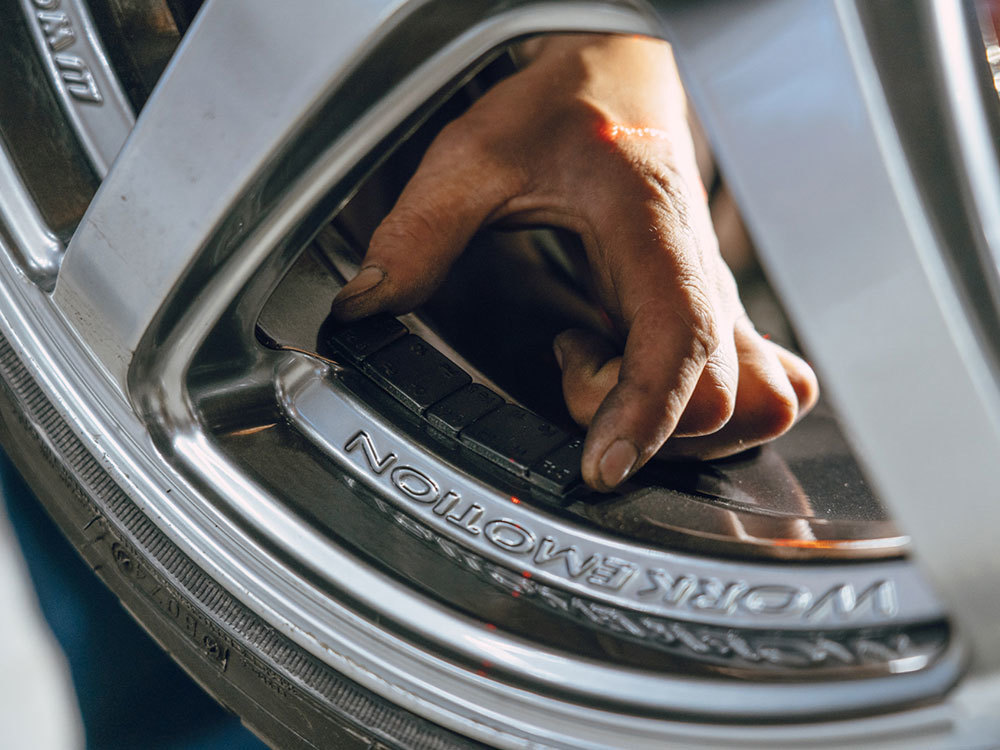
3. **Apply the Weights**: Remove the backing from the adhesive side and press the weight firmly onto the designated spot. Ensure it adheres well.
4. **Check Balance**: After installation, it’s crucial to test the wheel balance using a balancing machine. Make adjustments as needed.
6. Maintenance Tips for Adhesive Balance Weights
To ensure the longevity and effectiveness of adhesive wheel balance weights, consider the following maintenance tips:
- **Regular Inspections**: Periodically check the balance weights for signs of wear or detachment. Replace them if necessary.
- **Keep Wheels Clean**: Regularly clean the wheels to prevent dirt buildup, which could compromise the adhesive bond.
- **Monitor Tire Condition**: Keep an eye on tire wear patterns as they can indicate imbalances that need addressing.
7. Common Mistakes to Avoid When Choosing Wheel Balance Weights
When selecting adhesive wheel balance weights, avoid these common pitfalls:
- **Ignoring Manufacturer Specifications**: Always refer to the bus manufacturer’s guidelines for weight specifications.
- **Opting for Poor Quality Adhesives**: High-quality adhesives are essential for effective bonding. Choose reputable brands.
- **Forgetting to Test Balance**: Always test the wheel balance after installation. It ensures that the weights are correctly applied.
8. FAQs About Adhesive Wheel Balance Weights for Buses
**Q1: How often should I replace adhesive wheel balance weights?**
A1: It’s advisable to inspect the weights during regular maintenance checks. If they show signs of wear or detachment, they should be replaced.
**Q2: Can I use adhesive balance weights on any type of wheel?**
A2: While adhesive weights can be used on most wheels, it’s crucial to check compatibility with your specific wheel type and size.
**Q3: What are the signs that my wheels are unbalanced?**
A3: Symptoms of unbalanced wheels include vibrations while driving, uneven tire wear, and difficulty steering.
**Q4: Are adhesive weights more effective than clip-on weights?**
A4: Adhesive weights offer certain advantages, such as ease of application and reduced risk of damage to wheels, making them a popular choice for many bus operators.
**Q5: How do I know how much weight to apply?**
A5: Consult your vehicle's manual or work with a professional to determine the appropriate weight specifications for your bus model.
9. Conclusion
Choosing the right adhesive wheel balance weights for buses is a critical component of vehicle maintenance that directly impacts safety, performance, and cost-efficiency. By understanding the various types of weights, considering key factors during selection, and following best practices for installation and maintenance, fleet managers can ensure their buses operate smoothly and effectively. In an industry where reliability and performance are paramount, investing in high-quality adhesive wheel balance weights is a decision that pays off in the long run.
TAG:
Related Posts
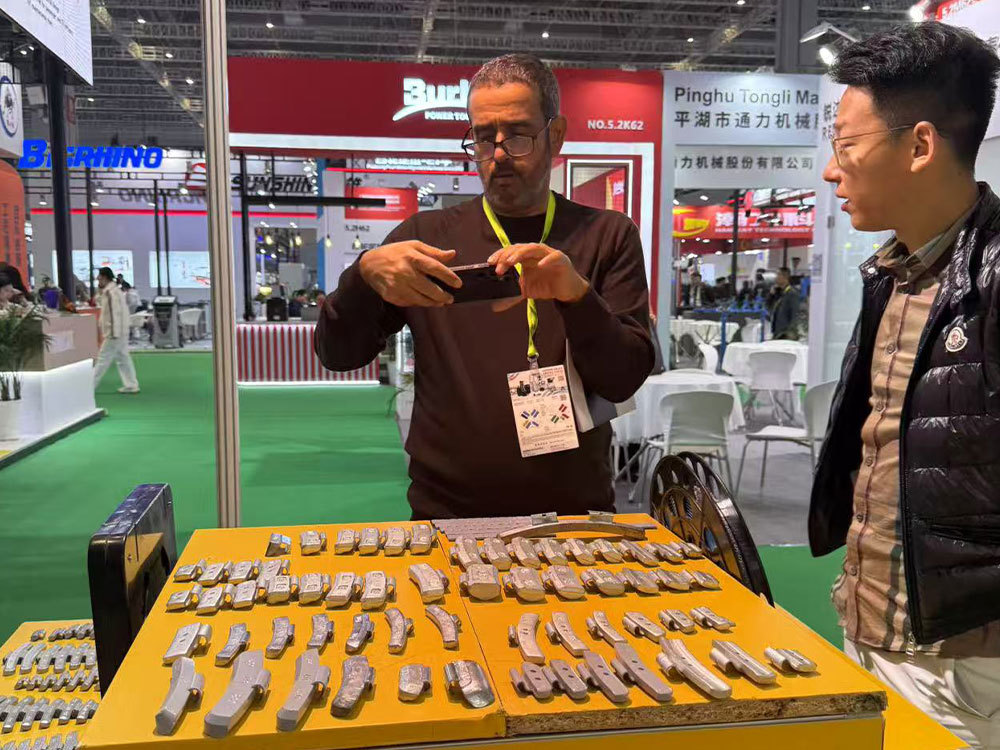
Global automotive wheel balance block industry
The global market size of automotive wheel balance weights in 2024 is approximately 4.92 billion yuan. It is expected to maintain a steady growth trend in the future

Contact Us
Sales Business:
Tel: +86-311-85939575 / +86-13673130619
Phone: +86-13933004411 (Manager Huang)
Email: wheelweights@hxphk.com
Contact Factory:
Tel: +86-317-4452233
Tel: +86-317-4452855
Email: hxphkc@126.com
What We Offer
Hebei Pan Asian Wheel weights Co.,Ltd. is an automobile wheel balance weights production enterprise that integrates scientific research, production, and sales.