
Join the Revolution: Why Zinc Adhesive Weights are Essential for Steel Wheels
2025-11-14


Join the Revolution: Why Zinc Adhesive Weights are Essential for Steel Wheels
Introduction to Zinc Adhesive Weights
In the ever-evolving automobile industry, advancements in technology and materials have led to significant improvements in vehicle performance and safety. Among these innovations, **zinc adhesive weights** have emerged as a pivotal component in the realm of **tire balancing** for s
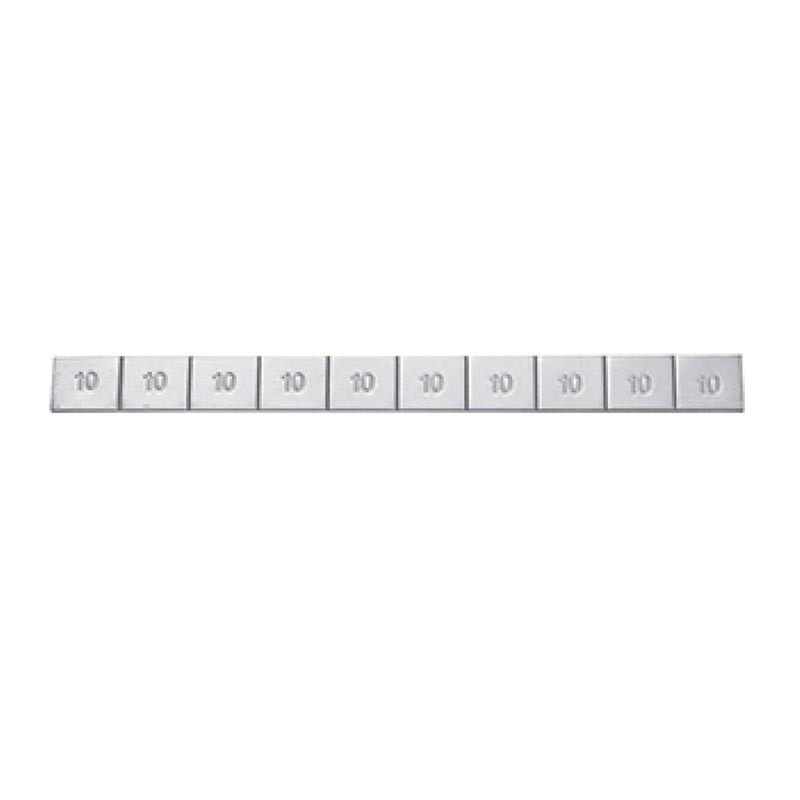
Join the Revolution: Why Zinc Adhesive Weights are Essential for Steel Wheels
Introduction to Zinc Adhesive Weights
In the ever-evolving automobile industry, advancements in technology and materials have led to significant improvements in vehicle performance and safety. Among these innovations, **zinc adhesive weights** have emerged as a pivotal component in the realm of **tire balancing** for steel wheels. Unlike conventional weights, zinc adhesive weights provide a multitude of benefits that enhance the overall driving experience. This article delves into why these adhesive weights are becoming essential, particularly for steel wheels.
The Importance of Proper Wheel Balancing
Before we explore the advantages of zinc adhesive weights, it is crucial to understand the importance of proper wheel balancing. An unbalanced wheel can lead to a variety of issues, including:
1. Uneven Tire Wear
When wheels are unbalanced, certain areas of the tire bear more weight than others, leading to **premature tire wear**. This can significantly reduce the lifespan of tires, requiring more frequent replacements and increasing costs.
2. Poor Handling and Stability
Unbalanced wheels can compromise vehicle stability and handling. Drivers may experience vibrations, making it challenging to maintain control, especially at higher speeds.
3. Increased Fuel Consumption
An imbalanced wheel can cause the engine to work harder, resulting in **higher fuel consumption**. Proper balancing can enhance fuel efficiency, lowering overall running costs.
What are Zinc Adhesive Weights?
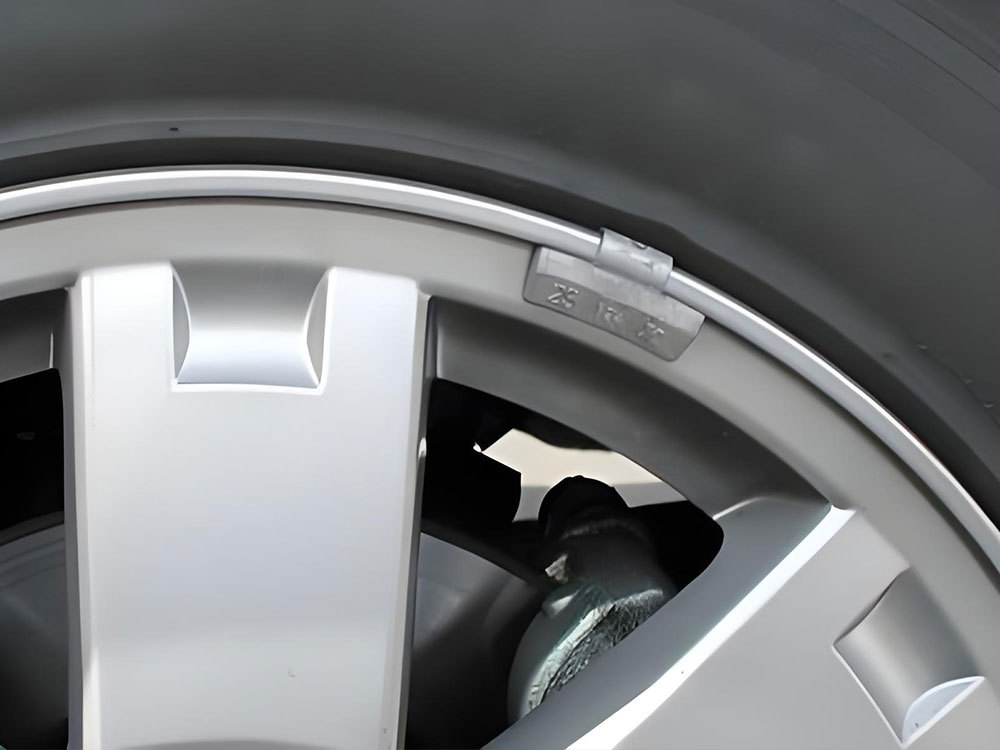
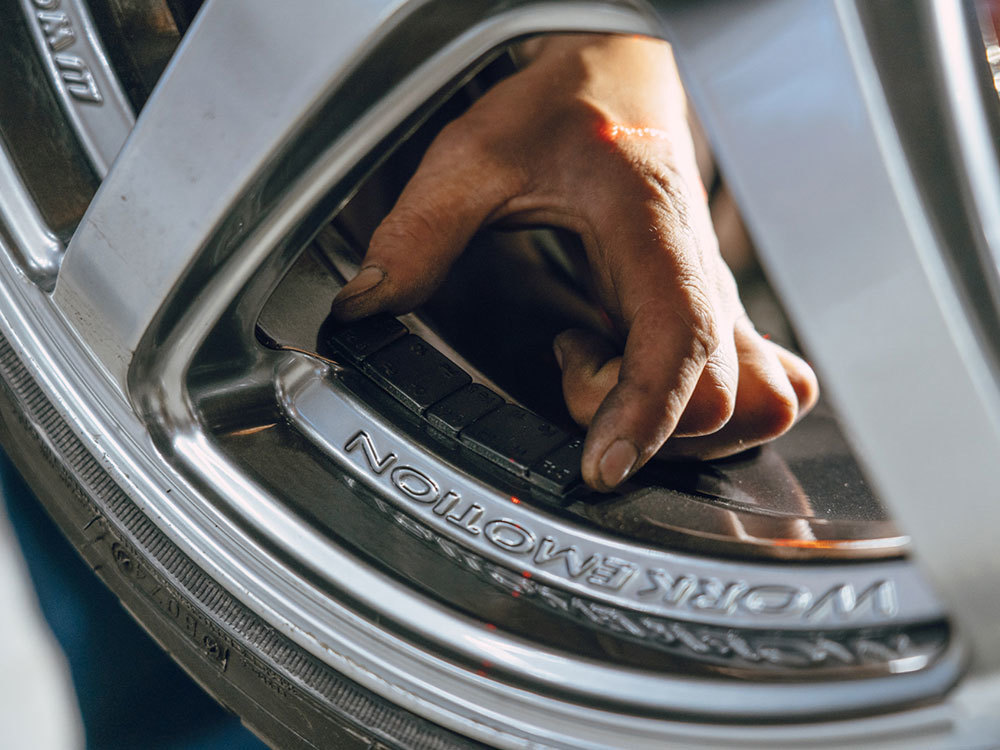
Zinc adhesive weights are small strips or blocks made from zinc that adhere to the wheel's rim. They serve the primary purpose of balancing the wheel by adding weight at strategic points. Unlike traditional weights that may be clipped on, zinc adhesive weights are attached using a strong adhesive backing, providing a sleek and aerodynamic profile.
Advantages of Zinc Adhesive Weights for Steel Wheels
Zinc adhesive weights offer a range of benefits that make them an ideal choice for steel wheels:
1. Enhanced Durability
Zinc is known for its **corrosion-resistant properties**, making it an excellent material for wheel weights. Unlike lead, which can corrode and flake, zinc maintains its integrity over time, ensuring long-lasting performance.
2. Environmental Friendliness
With increasing awareness of environmental issues, the use of zinc over lead is a significant step forward. Zinc is less harmful to the environment and poses fewer health risks, aligning with contemporary sustainability goals.
3. Improved Aesthetics
The low-profile design of adhesive weights enhances the appearance of steel wheels. Unlike traditional weights, which can be bulky and unsightly, zinc adhesive weights are discreet, providing a cleaner look without compromising functionality.
4. Cost-Effectiveness
While the initial investment in zinc adhesive weights may be slightly higher than traditional options, their durability and performance lead to savings in the long run. Reduced tire wear and better fuel efficiency translate into lower operating costs.
5. Easy Installation
Zinc adhesive weights are straightforward to install. They can be applied quickly and easily, saving time during the tire installation or balancing process. This efficiency is beneficial for both automotive professionals and DIY enthusiasts.
How Zinc Adhesive Weights Work
Understanding how zinc adhesive weights function is essential for appreciating their value. When a wheel is balanced, weights are strategically placed on the rim to counterbalance any heavy spots. Here's how the process typically unfolds:
1. Wheel Inspection
The first step involves inspecting the wheel to identify unbalanced areas. This is often done using a balancing machine that detects vibrations and imbalances.
2. Weight Placement
Once the imbalances are identified, technicians apply zinc adhesive weights to the specific locations on the rim. The adhesive backing ensures that the weights remain secure, even under the stresses of driving.
3. Final Balancing
After application, the wheel is rechecked to confirm proper balance. This step ensures that the vehicle will operate smoothly and efficiently.
Comparing Zinc Adhesive Weights to Other Weight Options
While zinc adhesive weights offer various advantages, it’s essential to compare them with other options available in the market:
1. Lead Weights
Lead weights have been a traditional choice for many years, but they pose significant health and environmental risks. Zinc, being safer and environmentally friendly, is a superior alternative.
2. Steel Weights
Steel weights are durable but can be bulkier and less aesthetically pleasing than zinc adhesive weights. Additionally, steel may not provide the same level of corrosion resistance as zinc.
3. Plastic Weights
Plastic weights are lightweight and easy to manipulate, but they often lack the durability and performance qualities of zinc. They may not offer the same long-term benefits, especially in terms of balancing efficiency.
Applications of Zinc Adhesive Weights
Zinc adhesive weights can be utilized in various applications, making them a versatile choice for different types of vehicles and wheels:
1. Passenger Vehicles
For everyday cars, zinc adhesive weights provide the necessary balance for smooth driving experiences. They help maintain tire integrity, contributing to vehicle safety.
2. Commercial Vehicles
In commercial applications, where larger vehicles must maintain efficiency, zinc adhesive weights are invaluable. They reduce maintenance needs and aid in fuel savings.
3. Specialty Vehicles
From racing cars to off-road vehicles, the performance-enhancing qualities of zinc adhesive weights can significantly impact overall vehicle dynamics.
FAQs About Zinc Adhesive Weights
1. Are zinc adhesive weights better than lead weights?
Yes, zinc adhesive weights are environmentally friendly, durable, and less harmful to health compared to lead weights.
2. How long do zinc adhesive weights last?
Zinc adhesive weights are designed to last for the lifespan of the tire, ensuring consistent performance throughout.
3. Can I use zinc adhesive weights on alloy wheels?
Yes, zinc adhesive weights can be used on both steel and alloy wheels, making them a versatile option for all types of vehicles.
4. How are zinc adhesive weights applied?
They are applied by cleaning the wheel surface and sticking the weight at the designated balancing point.
5. Can I install zinc adhesive weights myself?
While installation can be done by DIY enthusiasts, it is recommended to have a professional assess and install them for optimal results.
Conclusion
In summary, zinc adhesive weights represent a significant advancement in wheel balancing technology, particularly for steel wheels. Their **durability**, **cost-effectiveness**, and **environmental benefits** make them an essential choice for modern vehicles. By investing in zinc adhesive weights, drivers can enhance their vehicles' performance, safety, and aesthetics, leading to a more enjoyable driving experience. As the automotive industry continues to evolve, embracing innovative solutions like zinc adhesive weights is key to staying ahead of the curve. Join the revolution today and experience the difference for yourself!
TAG:
Related Posts
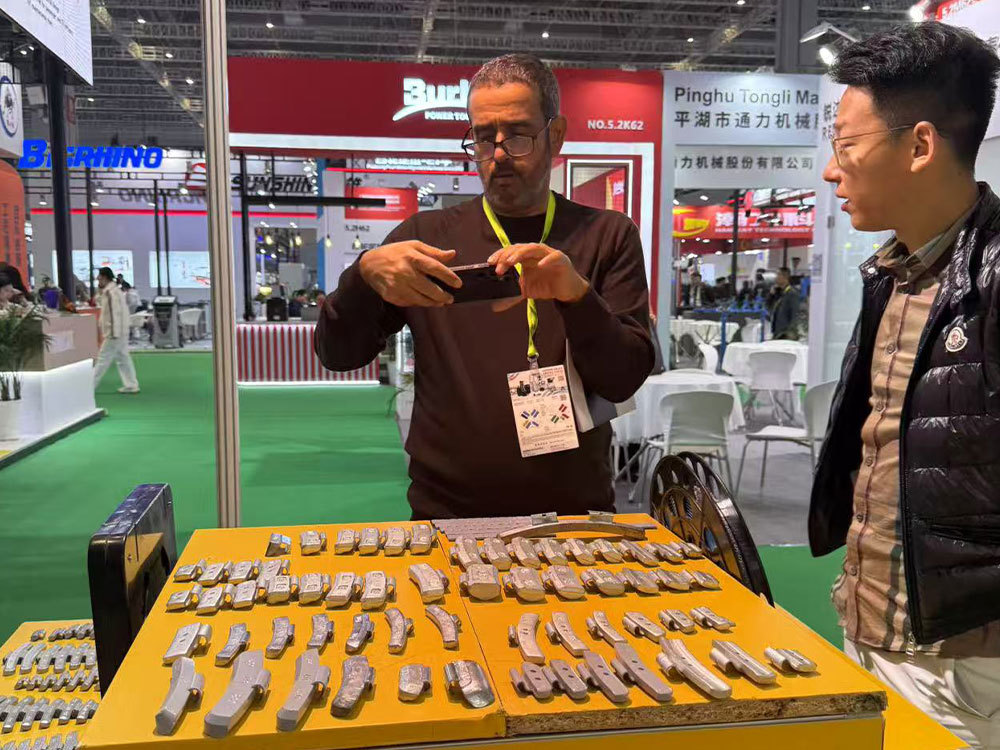
Global automotive wheel balance block industry
The global market size of automotive wheel balance weights in 2024 is approximately 4.92 billion yuan. It is expected to maintain a steady growth trend in the future
Contact Us
Sales Business:
Tel: +86-311-85939575 / +86-13673130619
Phone: +86-13933004411 (Manager Huang)
Email: wheelweights@hxphk.com
Contact Factory:
Tel: +86-317-4452233
Tel: +86-317-4452855
Email: hxphkc@126.com
What We Offer
Hebei Pan Asian Wheel weights Co.,Ltd. is an automobile wheel balance weights production enterprise that integrates scientific research, production, and sales.