
Understanding the Importance of Bus Adhesive Wheel Balance Weights for Optimal Performance
2025-10-21


Understanding the Importance of Bus Adhesive Wheel Balance Weights for Optimal Performance
Table of Contents
1. Introduction to Wheel Balance Weights
2. What Are Bus Adhesive Wheel Balance Weights?
3. The Role of Wheel Balance in Bus Safety
4. Benefits of Using Adhesive Wheel Balance Weights
5. How to Install Adhesive Wheel Balance Weights
6. Choosing the Right Wheel Balance Weigh
Understanding the Importance of Bus Adhesive Wheel Balance Weights for Optimal Performance
Table of Contents
- 1. Introduction to Wheel Balance Weights
- 2. What Are Bus Adhesive Wheel Balance Weights?
- 3. The Role of Wheel Balance in Bus Safety
- 4. Benefits of Using Adhesive Wheel Balance Weights
- 5. How to Install Adhesive Wheel Balance Weights
- 6. Choosing the Right Wheel Balance Weights
- 7. Common Misconceptions About Bus Wheel Balance
- 8. Maintenance and Monitoring of Wheel Balance Weights
- 9. Conclusion
- 10. FAQs
1. Introduction to Wheel Balance Weights
In the transportation industry, particularly when it comes to buses, **wheel balance** plays a crucial role in both performance and safety. As large vehicles, buses require precise engineering to ensure smooth operation under various conditions. **Bus adhesive wheel balance weights** are essential components that help achieve this balance. Understanding their importance can significantly impact the longevity of components and the overall efficiency of bus operations.
2. What Are Bus Adhesive Wheel Balance Weights?
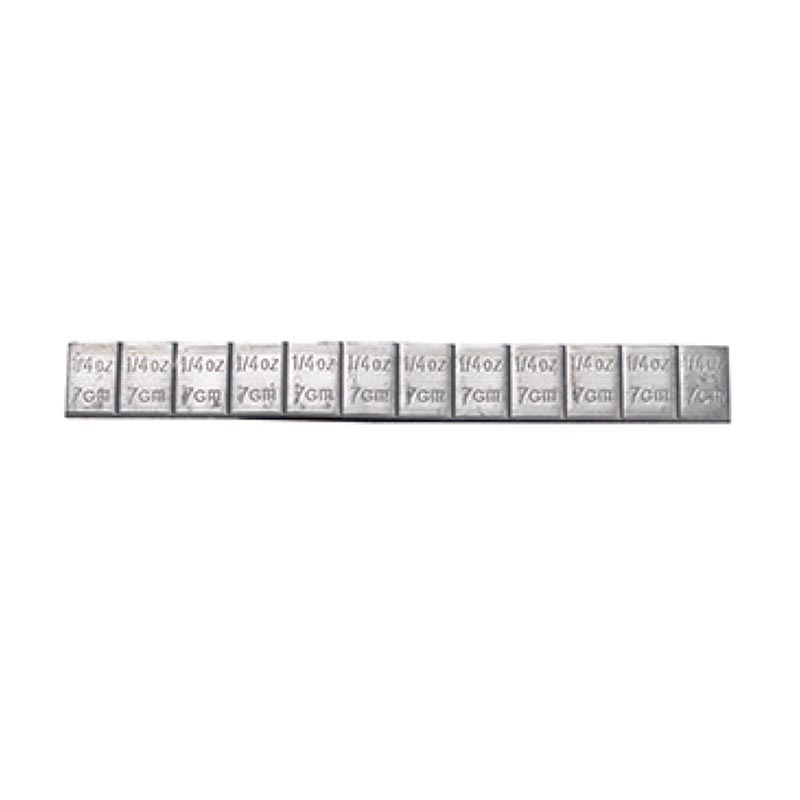
Bus adhesive wheel balance weights are small, often made of lead or other dense materials, designed to be attached to the rim of a wheel. They work by counteracting the weight disparities in the wheel and tire assembly that occur during manufacturing or due to wear and tear. These weights come with a strong adhesive backing that makes installation straightforward and effective, ensuring that they remain securely in place during operation.
Importance of Adhesive Weights
Adhesive weights are particularly popular due to their ease of use and effectiveness. Unlike traditional clip-on weights, adhesive weights do not damage the wheel surface, making them a preferred choice for many bus fleets. They provide a clean aesthetic and reduce the risk of the weights falling off or becoming dislodged during transit.
3. The Role of Wheel Balance in Bus Safety
**Wheel balance** directly affects the safety and performance of any vehicle, and this is particularly true for buses. Imbalanced wheels can lead to a myriad of issues, including:
- Increased tire wear: When a wheel is not balanced, it can cause uneven tire wear, leading to frequent replacements and increased costs.
- Poor handling: Imbalanced wheels negatively impact the steering response of the bus, potentially leading to dangerous driving conditions.
- Vibration: Excessive vibrations can lead to driver discomfort and distraction, adversely affecting overall safety.
Ensuring proper wheel balance with the use of adhesive weights contributes to a safer ride for passengers and drivers alike.
4. Benefits of Using Adhesive Wheel Balance Weights
The incorporation of adhesive wheel balance weights in bus maintenance offers several key benefits:
Improved Fuel Efficiency
A well-balanced wheel reduces resistance while driving, leading to better fuel efficiency. Buses that use adhesive weights often experience lower fuel consumption, which translates to reduced operational costs for fleet operators.
Extended Tire Life
By evenly distributing weight around the wheel, adhesive weights minimize uneven tire wear. This helps extend the life of the tires, ensuring that buses stay operational for longer periods without the need for costly replacements.
Smoother Ride Experience
Passengers expect a comfortable ride, and adhesive wheel balance weights contribute to a smoother driving experience. They help mitigate vibrations and road noise, which enhances overall passenger satisfaction.
Reduced Maintenance Costs
Regularly maintaining balanced wheels leads to fewer mechanical issues, reducing the frequency of repairs and maintenance costs. This is particularly beneficial for bus operators who want to maximize their fleet's operational efficiency.
5. How to Install Adhesive Wheel Balance Weights
Installing bus adhesive wheel balance weights is a straightforward process that can be accomplished with minimal tools. Here’s a step-by-step guide to ensure proper installation:
Step 1: Clean the Wheel Surface
Before applying the weights, clean the wheel surface where the weights will be attached. Remove any dirt, grease, or debris to ensure a strong bond.
Step 2: Measure and Mark
Using a balance machine, measure the weight needed for balancing the wheel. Mark the location where the adhesive weight will be placed.
Step 3: Apply the Adhesive Weight
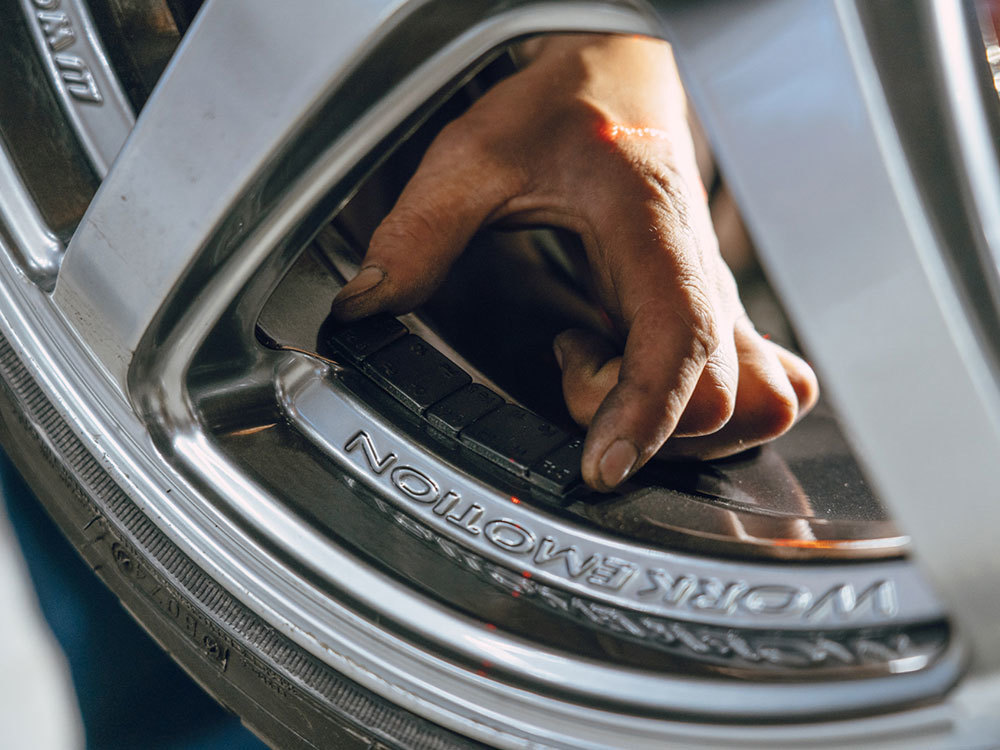
Peel the backing off the adhesive weight and firmly press it onto the marked location. Ensure that it is securely attached and that there are no air bubbles.
Step 4: Test the Balance
After installation, it’s crucial to test the wheel balance again. This step ensures that the weight distribution is correct and that adjustments can be made if necessary.
6. Choosing the Right Wheel Balance Weights
Selecting the correct adhesive wheel balance weights for buses involves considering several factors:
Weight Material
While lead is a traditional choice due to its density, some operators prefer non-toxic alternatives such as zinc or steel. Assessing the bus's requirements and regulations in your area can guide your decision.
Adhesive Quality
Not all adhesives are created equal. Look for weights with high-quality adhesive that can withstand varying temperatures and road conditions.
Weight Size
Different wheels may require different weights. Ensuring the right size and weight is essential for optimal performance.
7. Common Misconceptions About Bus Wheel Balance
Misunderstandings about wheel balance can lead to improper maintenance practices. Let’s address some prevalent misconceptions:
Misconception 1: Only Performance Vehicles Need Balancing
Many believe that only high-performance vehicles require precise wheel balancing. In reality, all vehicles, including buses, benefit significantly from balanced wheels.
Misconception 2: Balancing is a One-Time Process
Some operators think that once wheels are balanced, they won’t require further adjustments. Regular monitoring is essential as factors like tire wear and load changes can affect balance over time.
Misconception 3: Adhesive Weights Fall Off Easily
Adhesive weights, when installed correctly, do not easily fall off. Concerns typically arise from improper installation or using low-quality weights.
8. Maintenance and Monitoring of Wheel Balance Weights
Regular maintenance and monitoring are crucial to ensure that wheel balance weights continue to perform effectively:
Routine Inspections
Conducting routine inspections helps catch issues early. Look for signs of wear, such as uneven tire tread or vibrations while driving.
Rebalancing After Tire Changes
Any time tires are changed, it is vital to rebalance the wheels. This ensures that the new tires are aligned correctly with the balance weights.
Seasonal Checks
Changing seasons can affect tire performance. Seasonal checks before and after winter can help maintain optimal wheel balance.
9. Conclusion
Understanding the significance of bus adhesive wheel balance weights is crucial for enhancing performance, ensuring safety, and maximizing the operational lifespan of tires. By utilizing these weights correctly, bus operators can achieve improved fuel efficiency, extended tire life, and a smoother ride for passengers. Regular maintenance and informed choices about adhesive weights will contribute to the overall effectiveness of bus operations.
10. FAQs
1. How often should I check my bus's wheel balance?
It’s advisable to check the wheel balance every time tires are rotated or replaced, as well as during regular maintenance intervals.
2. Can I use the same adhesive weights for different bus models?
While some weights may be compatible across models, it’s essential to check the specifications for each bus type to ensure proper fit and weight.
3. What are the signs that my bus wheels are out of balance?
Common signs include uneven tire wear, vibrations during driving, and a pulling sensation to one side of the road.
4. Are adhesive weights environmentally friendly?
Many manufacturers now offer non-toxic, environmentally friendly adhesive weight options, reducing concerns about lead and other hazardous materials.
5. What should I do if my adhesive weights fall off?
If adhesive weights fall off, replace them immediately and check the wheel balance to ensure continued safety and performance.
By understanding the importance of bus adhesive wheel balance weights and implementing effective maintenance practices, fleet operators can enhance safety, improve efficiency, and provide a more comfortable ride for passengers.
TAG:
Related Posts

Global automotive wheel balance block industry
The global market size of automotive wheel balance weights in 2024 is approximately 4.92 billion yuan. It is expected to maintain a steady growth trend in the future

Contact Us
Sales Business:
Tel: +86-311-85939575 / +86-13673130619
Phone: +86-13933004411 (Manager Huang)
Email: wheelweights@hxphk.com
Contact Factory:
Tel: +86-317-4452233
Tel: +86-317-4452855
Email: hxphkc@126.com
What We Offer
Hebei Pan Asian Wheel weights Co.,Ltd. is an automobile wheel balance weights production enterprise that integrates scientific research, production, and sales.