
The Science Behind Zinc Alloy Clip-On Weights: Enhancing Vehicle Stability
2025-10-13


The Science Behind Zinc Alloy Clip-On Weights: Enhancing Vehicle Stability
Table of Contents
Introduction to Zinc Alloy Clip-On Weights
What Are Zinc Alloy Clip-On Weights?
The Importance of Wheel Balancing in Vehicle Stability
How Do Zinc Alloy Clip-On Weights Work?
Advantages of Using Zinc Alloy Weights
Applications of Zinc Alloy Clip-On Weights
Installation and Usage of Clip-On Weights
Mainten
The Science Behind Zinc Alloy Clip-On Weights: Enhancing Vehicle Stability
Table of Contents
- Introduction to Zinc Alloy Clip-On Weights
- What Are Zinc Alloy Clip-On Weights?
- The Importance of Wheel Balancing in Vehicle Stability
- How Do Zinc Alloy Clip-On Weights Work?
- Advantages of Using Zinc Alloy Weights
- Applications of Zinc Alloy Clip-On Weights
- Installation and Usage of Clip-On Weights
- Maintenance and Durability of Zinc Alloy Weights
- Conclusion
- FAQs
Introduction to Zinc Alloy Clip-On Weights
In the automotive industry, vehicle stability is paramount for safety, performance, and overall driving experience. One of the key components that play an essential role in maintaining this stability is the wheel balancing weights. Among various types of weights available, **zinc alloy clip-on weights** have gained considerable popularity. This article delves into the science behind these weights, exploring their composition, functionality, and the advantages they offer in enhancing vehicle stability.
What Are Zinc Alloy Clip-On Weights?
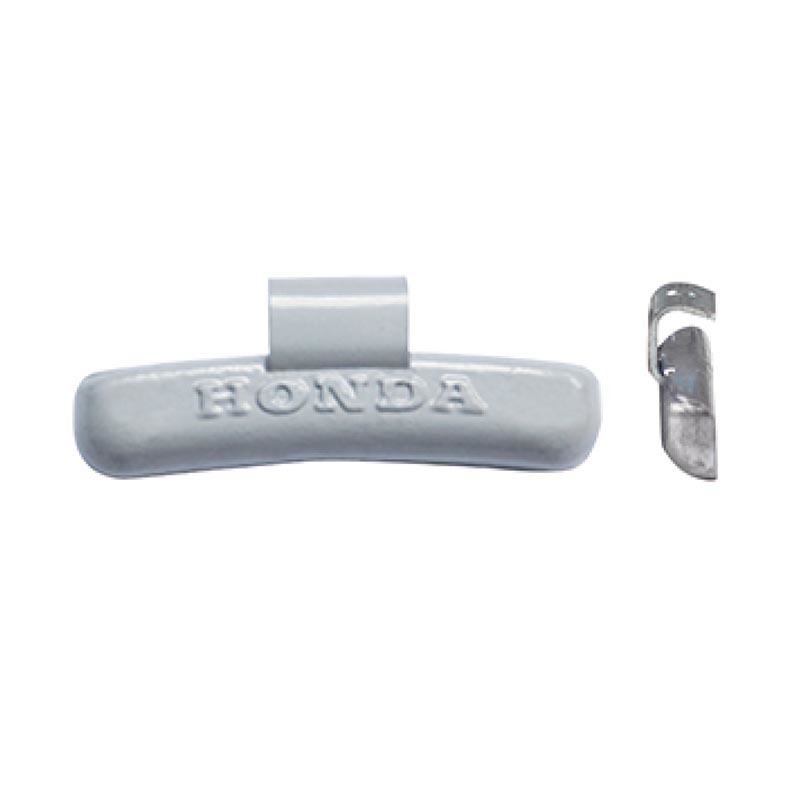
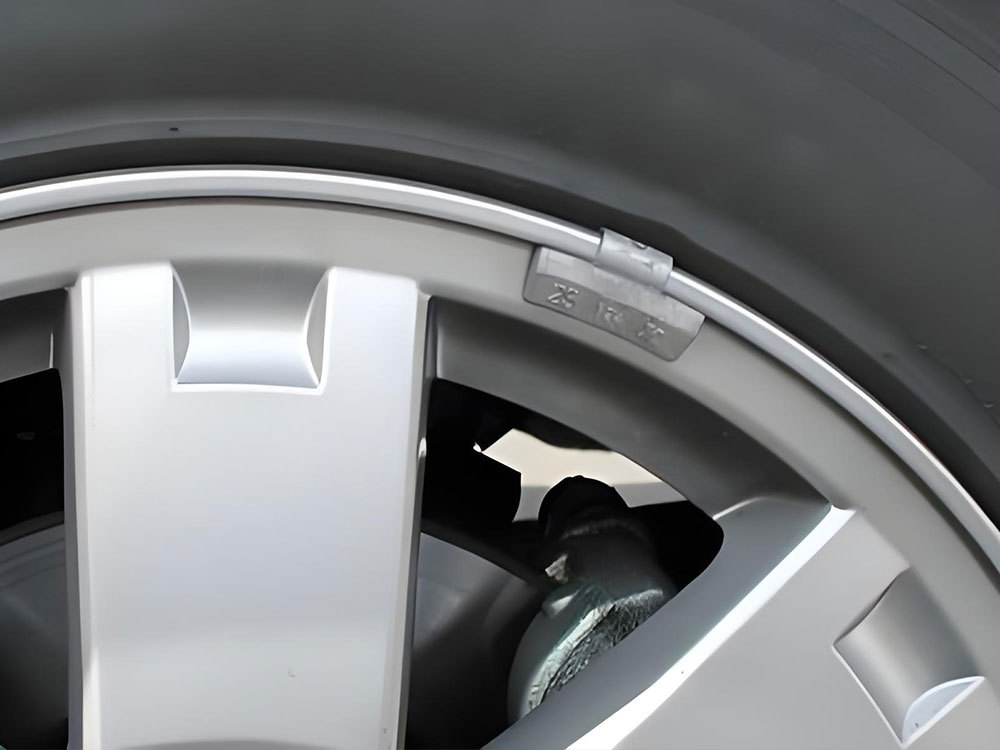
Zinc alloy clip-on weights are specifically designed to provide balanced weight distribution on vehicle wheels. Made from a mixture of zinc and other metals, these weights are affixed to the wheel rims using a secure clip-on mechanism. The primary purpose of these weights is to counteract any imbalances in the tires, ensuring smooth and stable driving.
Composition of Zinc Alloy Weights
Zinc alloy itself consists of zinc combined with other elements like aluminum, copper, and magnesium. This combination allows for enhanced strength, corrosion resistance, and malleability. The formulation of the zinc alloy is crucial as it directly affects the performance and durability of the weights.
The Importance of Wheel Balancing in Vehicle Stability
Proper wheel balancing is essential for several reasons:
Enhancing Driving Comfort
Unbalanced wheels can cause vibrations and discomfort, leading to an unpleasant driving experience. By ensuring the wheels are balanced using zinc alloy clip-on weights, drivers can enjoy a smoother ride.
Prolonging Tire Life
An unbalanced wheel can result in uneven tire wear, reducing the lifespan of tires significantly. With the correct application of clip-on weights, tire longevity is increased, saving costs in the long run.
Improving Fuel Efficiency
When wheels are balanced correctly, the vehicle operates more efficiently, which can lead to improved fuel economy. This not only benefits the driver financially but also contributes to reduced emissions.
How Do Zinc Alloy Clip-On Weights Work?
Zinc alloy clip-on weights function by counteracting the forces acting on the wheels as they rotate. When a tire is mounted on a wheel, it may not be perfectly balanced, leading to a situation where some areas of the tire exert more pressure than others. Clip-on weights are strategically placed on the wheel to balance these uneven forces.
The Physics of Wheel Balancing
The basic principle behind wheel balancing involves the center of mass. When the weight of the tire and wheel assembly is not evenly distributed, it leads to vibrations and instability. By adding zinc alloy weights at the correct points, the center of mass can be adjusted, leading to improved wheel balance and overall vehicle stability.
Advantages of Using Zinc Alloy Weights
Zinc alloy clip-on weights come with a myriad of benefits, making them a preferred choice among automotive professionals.
Corrosion Resistance
One of the standout features of zinc alloy is its resistance to corrosion. This property ensures that the weights maintain their integrity under various environmental conditions, providing long-lasting performance.
Weight and Size Efficiency
Zinc alloy weights are relatively lightweight compared to other materials, making them easier to handle and install. Their compact size ensures they can be fitted snugly onto the wheel rim, providing optimal balancing without adding unnecessary bulk.
Cost-Effectiveness
Despite their superior performance, zinc alloy clip-on weights are typically more affordable than other metal weights. This cost-effectiveness, combined with their durability, makes them a popular choice among car owners and mechanics alike.
Applications of Zinc Alloy Clip-On Weights
Zinc alloy clip-on weights are versatile and can be used in various automotive applications, including:
Passenger Vehicles
These weights are commonly used in passenger vehicles to ensure smooth driving and enhanced safety.
Commercial Vehicles
Heavy-duty trucks and buses also require proper wheel balancing to maintain stability during operation, making zinc alloy weights essential in these vehicles.
Motorcycles and Bicycles
Zinc alloy weights can be effectively utilized in motorcycles and bicycles, ensuring that riders experience optimal handling and control.
Installation and Usage of Clip-On Weights
Installing zinc alloy clip-on weights is a straightforward process that can be done by automotive professionals or skilled DIY enthusiasts.
Step-by-Step Installation Guide
1. **Gather Tools**: Ensure you have the necessary tools, including a clip-on weight tool and a balancing machine.
2. **Remove the Wheel**: Safely lift the vehicle and remove the wheel that requires balancing.
3. **Mount the Wheel on a Balancing Machine**: The machine will help identify the locations where the weights need to be placed.
4. **Attach Clip-On Weights**: According to the balancing machine's readings, attach the appropriate amount of zinc alloy weights to the rim.
5. **Recheck Balance**: After installation, ensure that the wheel is correctly balanced on the machine.
6. **Reinstall the Wheel**: Once balanced, reinstall the wheel onto the vehicle.
Maintenance and Durability of Zinc Alloy Weights
Zinc alloy weights are designed to be low-maintenance. However, periodic checks for wear and tear are advisable, especially in harsh driving conditions.
Signs of Wear
Drivers should watch for signs of imbalance, such as vibrations or uneven tire wear, which may indicate that the weights need to be adjusted or replaced.
Longevity of Zinc Alloy Weights
With proper installation and maintenance, zinc alloy clip-on weights can last for several years, providing an excellent return on investment.
Conclusion
The science behind zinc alloy clip-on weights underscores their significance in enhancing vehicle stability. From improving driving comfort to prolonging tire life and optimizing fuel efficiency, these weights play a crucial role in automotive performance. Their unique composition, easy installation, and cost-effectiveness make them a preferred choice for both consumers and professionals in the automotive industry. Investing in quality zinc alloy clip-on weights is essential for anyone looking to maximize their vehicle's performance and safety.
FAQs
1. What are zinc alloy clip-on weights made of?
Zinc alloy clip-on weights are primarily composed of zinc mixed with other metals like aluminum and copper, which enhance their strength and corrosion resistance.
2. How do I know if my wheels need balancing?
Signs such as vibrations while driving, uneven tire wear, or pulling to one side can indicate that your wheels need balancing.
3. Can I install zinc alloy clip-on weights myself?
Yes, with the right tools and knowledge, you can install zinc alloy clip-on weights yourself. However, it is advisable to use a balancing machine for accurate results.
4. How often should I check my wheel balance?
It is recommended to check your wheel balance every 5,000 to 10,000 miles or whenever you notice signs of imbalance.
5. Are zinc alloy weights better than lead weights?
Yes, zinc alloy weights are often preferred due to their corrosion resistance and environmental safety compared to traditional lead weights.
TAG:
Related Posts

Global automotive wheel balance block industry
The global market size of automotive wheel balance weights in 2024 is approximately 4.92 billion yuan. It is expected to maintain a steady growth trend in the future


Contact Us
Sales Business:
Tel: +86-311-85939575 / +86-13673130619
Phone: +86-13933004411 (Manager Huang)
Email: wheelweights@hxphk.com
Contact Factory:
Tel: +86-317-4452233
Tel: +86-317-4452855
Email: hxphkc@126.com
What We Offer
Hebei Pan Asian Wheel weights Co.,Ltd. is an automobile wheel balance weights production enterprise that integrates scientific research, production, and sales.