
Enhancing Your Vehicle's Performance with Zinc Adhesive Weights on Steel Wheels
2025-09-28


Enhancing Your Vehicle's Performance with Zinc Adhesive Weights on Steel Wheels
Table of Contents
1. Introduction to Zinc Adhesive Weights
2. The Importance of Wheel Balancing
2.1 Why Balanced Wheels Matter
2.2 Symptoms of Unbalanced Wheels
3. Benefits of Zinc Adhesive Weights
3.1 Durability and Corrosion Resistance
3.2 Ease of Application
4. How to Properly Apply Zinc Adhesive Weights
4.1 Tools a
Enhancing Your Vehicle's Performance with Zinc Adhesive Weights on Steel Wheels
Table of Contents
1. Introduction to Zinc Adhesive Weights
2. The Importance of Wheel Balancing
2.1 Why Balanced Wheels Matter
2.2 Symptoms of Unbalanced Wheels
3. Benefits of Zinc Adhesive Weights
3.1 Durability and Corrosion Resistance
3.2 Ease of Application
4. How to Properly Apply Zinc Adhesive Weights
4.1 Tools and Materials Needed
4.2 Step-by-Step Application Process
5. Common Mistakes to Avoid When Using Zinc Adhesive Weights
6. Frequently Asked Questions (FAQs)
6.1 What Are the Differences Between Zinc and Lead Weights?
6.2 How Much Weight Should I Use for My Steel Wheels?
6.3 Can Zinc Weights Affect Tire Pressure?
6.4 How Long Do Zinc Adhesive Weights Last?
6.5 Are Zinc Adhesive Weights Suitable for All Types of Wheels?
7. Conclusion
1. Introduction to Zinc Adhesive Weights
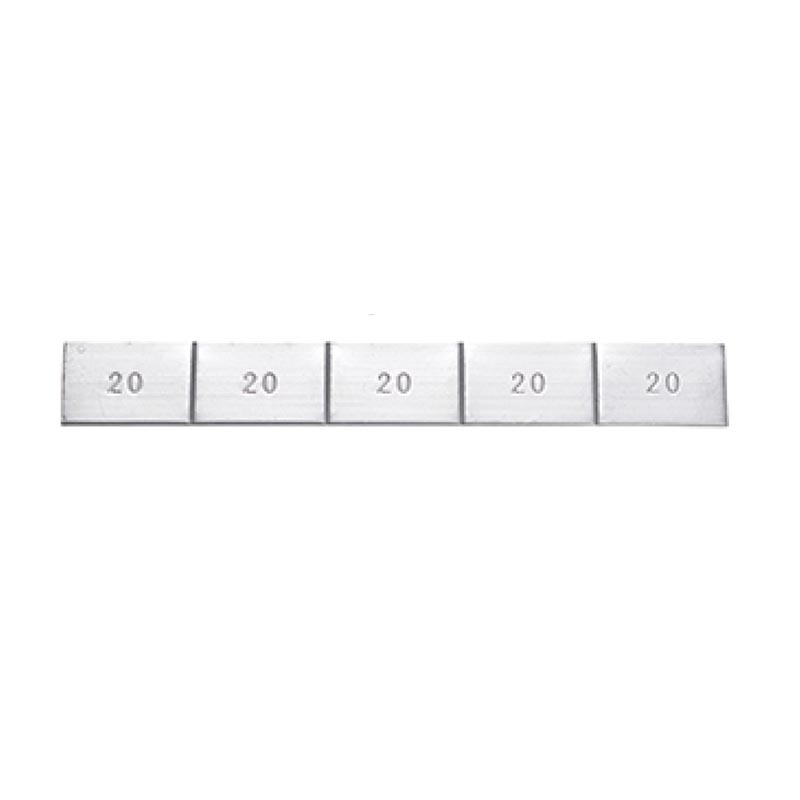
In the world of automotive performance, the balance of your wheels plays a pivotal role in how your vehicle handles on the road. One effective solution for ensuring this balance is the use of **zinc adhesive weights**. These weights are designed to adhere securely to steel wheels, providing a reliable option for achieving optimal performance. In this article, we will delve into the mechanics of how zinc adhesive weights enhance your vehicle's overall efficiency, safety, and driving experience.
2. The Importance of Wheel Balancing
When it comes to optimizing your vehicle’s performance, **wheel balancing** is a crucial aspect that should not be overlooked. Properly balanced wheels ensure a smooth ride, better handling, and increased tire longevity.
2.1 Why Balanced Wheels Matter
Balanced wheels distribute weight evenly around the axle, which minimizes vibrations. This balance is essential for maintaining control and comfort while driving. An imbalanced wheel can lead to uneven tire wear and even premature failure of suspension components.
2.2 Symptoms of Unbalanced Wheels
Experiencing vibration in the steering wheel at higher speeds, uneven tire wear, or a noticeable pulling to one side are all indicators that your wheels may be unbalanced. Addressing these issues promptly can prevent further damage and enhance your vehicle's performance.
3. Benefits of Zinc Adhesive Weights
Zinc adhesive weights offer several advantages over traditional weights, making them a preferred choice among automotive professionals and enthusiasts alike.
3.1 Durability and Corrosion Resistance
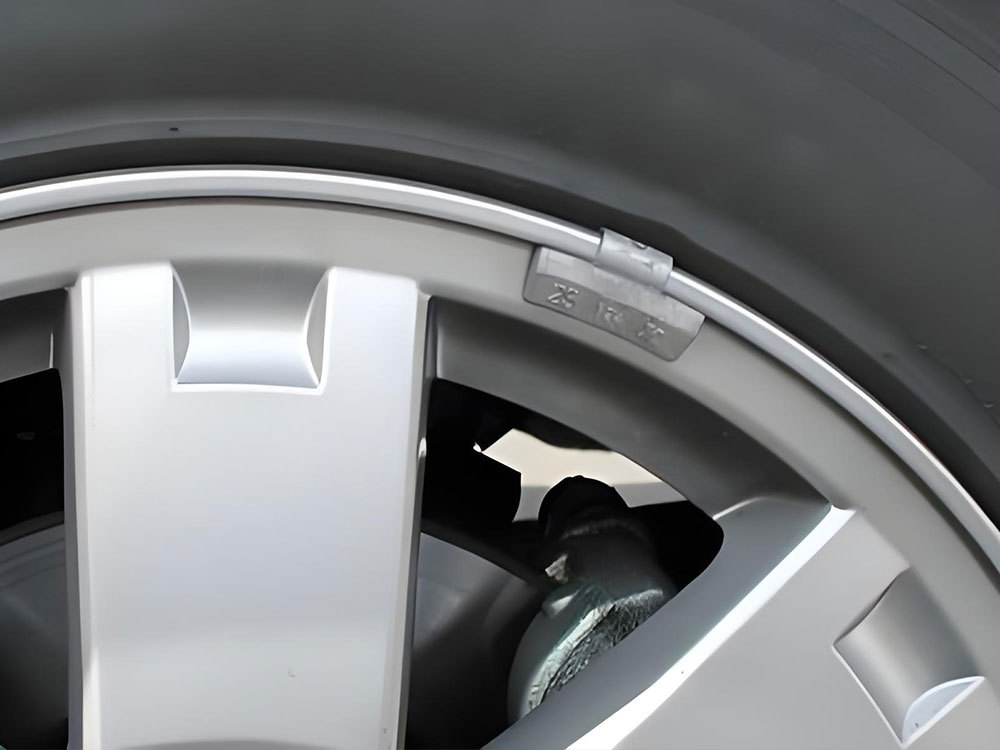
Zinc is known for its **corrosion-resistant properties**, making zinc adhesive weights a long-lasting solution for wheel balancing. Unlike lead weights, zinc does not corrode easily when exposed to moisture and road salts, ensuring longevity and reliability.
3.2 Ease of Application
Zinc adhesive weights are incredibly easy to apply. They come with a strong adhesive backing, which allows for a straightforward installation process. This ease of use allows both professionals and DIY enthusiasts to achieve optimal results without extensive tools or expertise.
4. How to Properly Apply Zinc Adhesive Weights
To maximize the benefits of zinc adhesive weights, proper application is key. Here’s how you can ensure a successful installation.
4.1 Tools and Materials Needed
Before you begin, gather the following materials:
- Zinc adhesive weights
- A clean cloth or rag
- Rubbing alcohol or a suitable adhesive cleaner
- A small scale for precise measurement (optional)
- A tire balancing machine (if available)
4.2 Step-by-Step Application Process
1. **Clean the Wheel Surface**: Start by cleaning the area where you plan to apply the weights. Use rubbing alcohol to remove dirt, grease, and any old adhesive residue.
2. **Measure the Required Weight**: If you are applying multiple weights, determine the total weight needed for balance. This measurement can be done using a tire balancing machine.
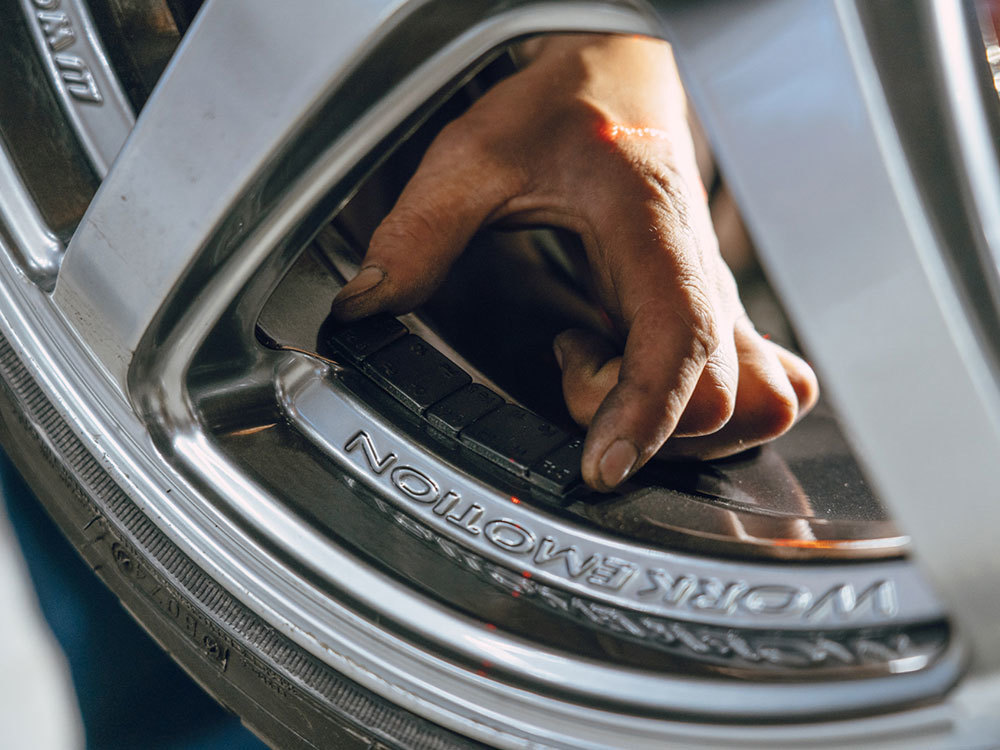
3. **Peel and Stick**: Carefully peel the backing off the zinc adhesive weight and firmly press it onto the designated spot on the wheel. Ensure there are no air bubbles trapped underneath.
4. **Repeat as Necessary**: If additional weights are needed, repeat the process until you achieve the desired balance.
5. **Test Your Work**: If possible, use a balancing machine to verify that the wheel is now properly balanced.
5. Common Mistakes to Avoid When Using Zinc Adhesive Weights
While applying zinc adhesive weights is straightforward, there are common pitfalls that can undermine their effectiveness. Here are some mistakes to avoid:
- **Neglecting Wheel Cleaning**: Failing to clean the wheel surface properly can prevent the weights from adhering correctly, leading to premature loss and ineffective balancing.
- **Incorrect Weight Calculation**: Not measuring the weight needed can result in over- or under-balancing, which negatively affects vehicle performance.
- **Ignoring Environmental Factors**: Applying weights in wet or cold conditions can hinder the adhesive's effectiveness.
6. Frequently Asked Questions (FAQs)
6.1 What Are the Differences Between Zinc and Lead Weights?
**Zinc weights** are more environmentally friendly and corrosion-resistant compared to lead weights. Additionally, zinc weights are often lighter than their lead counterparts, which can be advantageous for performance.
6.2 How Much Weight Should I Use for My Steel Wheels?
The amount of weight required depends on the specific imbalance of your wheels. A professional tire balancing service can provide precise measurements to ensure optimal performance.
6.3 Can Zinc Weights Affect Tire Pressure?
No, zinc weights do not affect tire pressure. However, it's essential to check and maintain proper tire pressure separately for safety and performance.
6.4 How Long Do Zinc Adhesive Weights Last?
With proper application and care, zinc adhesive weights can last the life of the tire. Their durability ensures they remain effective even in challenging conditions.
6.5 Are Zinc Adhesive Weights Suitable for All Types of Wheels?
Yes, zinc adhesive weights can be applied to most types of steel wheels. However, always consult the manufacturer's specifications to ensure compatibility.
7. Conclusion
In conclusion, utilizing **zinc adhesive weights** on steel wheels is a practical and effective method to enhance your vehicle's performance. By ensuring proper wheel balancing, you can experience a smoother ride, improved handling, and prolonged tire life. With their durability and ease of application, zinc adhesive weights provide a superior solution for both professionals and enthusiasts alike. Consider integrating them into your vehicle maintenance routine and enjoy the benefits they offer for your driving experience.
TAG:
Related Posts
Global automotive wheel balance block industry
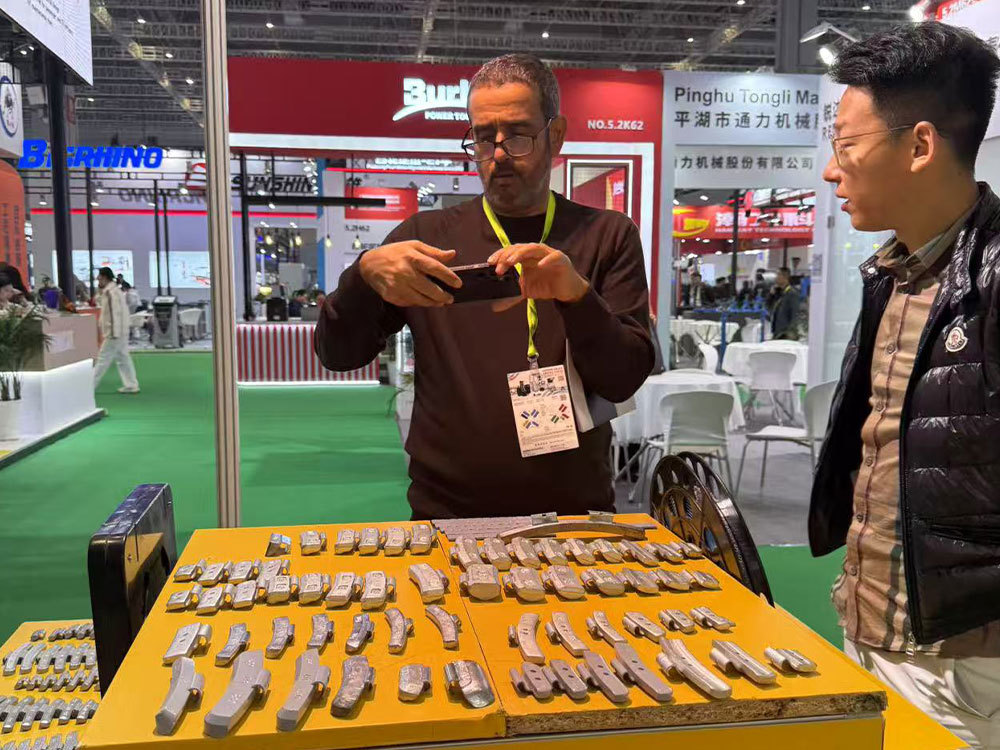
The global market size of automotive wheel balance weights in 2024 is approximately 4.92 billion yuan. It is expected to maintain a steady growth trend in the future

Contact Us
Sales Business:
Tel: +86-311-85939575 / +86-13673130619
Phone: +86-13933004411 (Manager Huang)
Email: wheelweights@hxphk.com
Contact Factory:
Tel: +86-317-4452233
Tel: +86-317-4452855
Email: hxphkc@126.com
What We Offer
Hebei Pan Asian Wheel weights Co.,Ltd. is an automobile wheel balance weights production enterprise that integrates scientific research, production, and sales.