
The Science Behind Lead Adhesive Wheel Weights in Mini Buses
2025-09-26


The Science Behind Lead Adhesive Wheel Weights in Mini Buses
Introduction to Wheel Balancing in Mini Buses
In the realm of vehicle maintenance, **wheel balancing** plays a crucial role in ensuring safety and performance, especially for **mini buses** that frequently navigate urban and rural roads. Properly balanced wheels improve steering control, increase tire lifespan, and enhance fuel efficienc
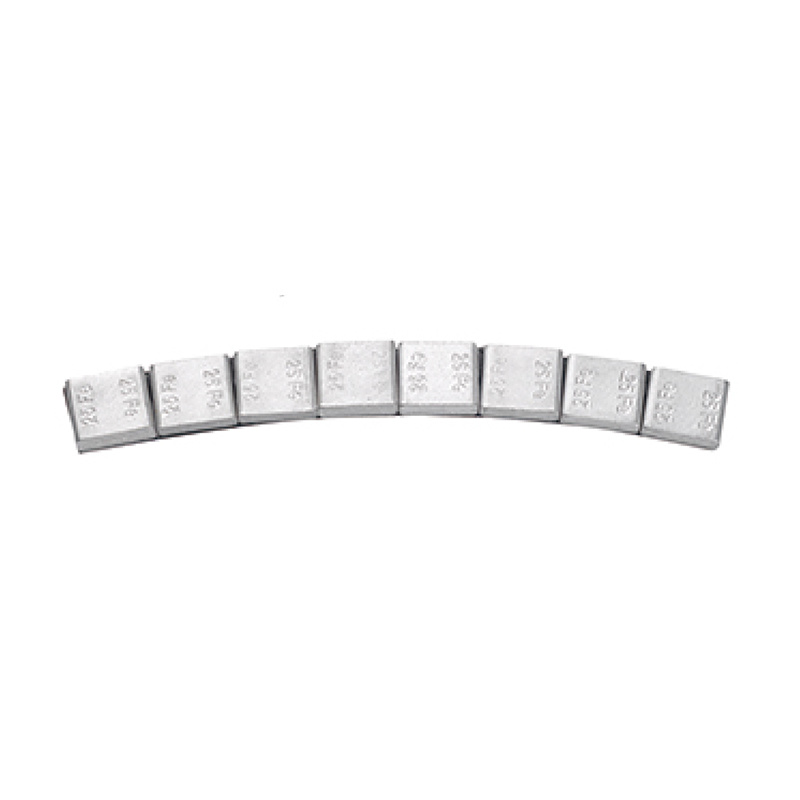
The Science Behind Lead Adhesive Wheel Weights in Mini Buses
Introduction to Wheel Balancing in Mini Buses
In the realm of vehicle maintenance, **wheel balancing** plays a crucial role in ensuring safety and performance, especially for **mini buses** that frequently navigate urban and rural roads. Properly balanced wheels improve steering control, increase tire lifespan, and enhance fuel efficiency. Among the various types of wheel weights available, **lead adhesive wheel weights** stand out for their effectiveness and reliability. This article delves into the intricate science behind these weights, shedding light on their composition, application, and benefits.
Understanding Wheel Weights: What They Are and Their Purpose
Wheel weights are essential components in the wheel balancing process. Their primary purpose is to counterbalance the weight distribution of the wheel and tire assembly. An unbalanced wheel can lead to vibrations, uneven tire wear, and diminished vehicle control. By strategically applying **lead adhesive wheel weights**, technicians can ensure that the wheels rotate evenly, providing a smoother ride and promoting overall vehicle stability.
The Composition of Lead Adhesive Wheel Weights
Lead adhesive wheel weights are crafted from a dense metal that is highly effective in providing the necessary counterbalance to wheels. The **adhesive backing** allows for a secure attachment to the wheel rim, ensuring that the weights remain in place during operation. Despite growing concerns over lead's environmental impact, its properties make it an excellent choice for this application, as it is easy to mold and provides significant weight in a compact form factor.
How Lead Adhesive Wheel Weights Work
The science behind lead adhesive wheel weights is rooted in physics—specifically, the principles of mass distribution. By placing wheel weights on the lighter side of the wheel, mechanics can create a balanced setup. This balance prevents vibrations and ensures that the tire maintains optimal contact with the road surface. As mini buses often carry significant passenger loads, maintaining an even weight distribution is critical for safe operation.
Benefits of Using Lead Adhesive Wheel Weights
1. **Enhanced Stability:** Lead adhesive wheel weights contribute to improved driving stability, especially in mini buses that transport multiple passengers.
2. **Reduced Tire Wear:** Balanced wheels reduce uneven tire wear, prolonging tire life and saving costs on replacements.
3. **Improved Fuel Efficiency:** A balanced wheel assembly leads to lower rolling resistance, which can enhance fuel efficiency—a crucial factor for fleet operators.
4. **Smooth Operation:** Proper wheel balancing eliminates vibrations, creating a comfortable ride for passengers.
5. **Ease of Installation:** The adhesive backing simplifies the installation process, making it quicker and more efficient for technicians.
Lead Adhesive Wheel Weights vs. Other Types of Wheel Weights
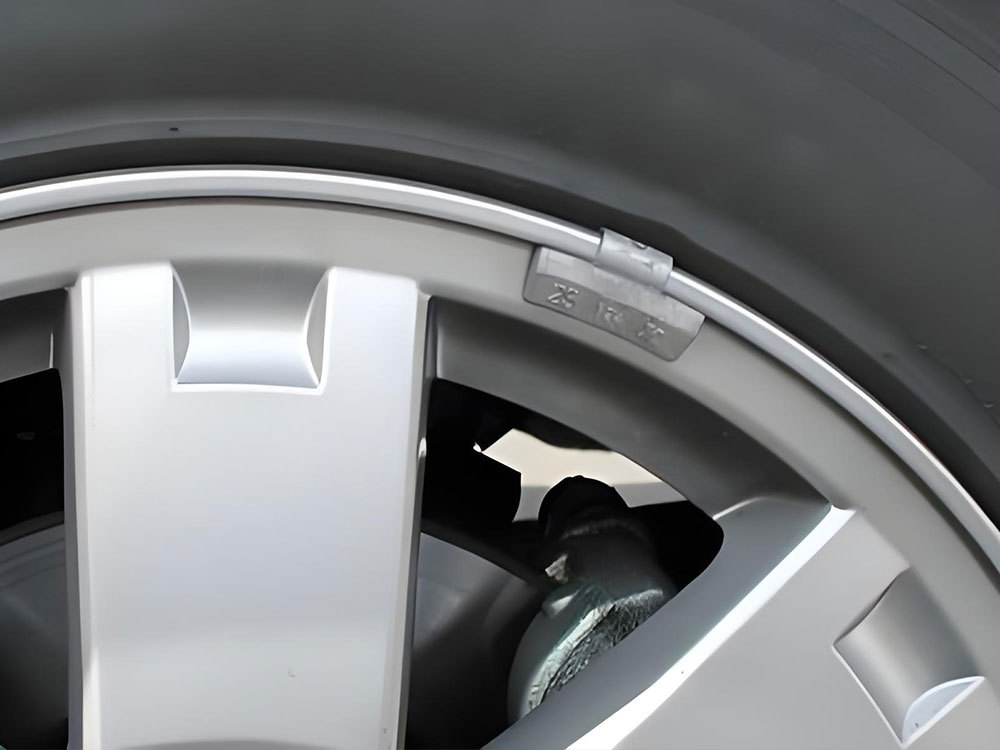
In addition to lead adhesive weights, various other wheel weight options exist, such as zinc, steel, and clip-on weights. Each has its unique advantages and disadvantages.
Lead vs. Zinc Wheel Weights
Zinc wheel weights have gained popularity due to their environmental benefits. While zinc is less dense than lead, it offers a more eco-friendly alternative while still achieving similar balancing effects. However, the cost of zinc weights can be higher, and they may require additional adjustments during installation.
Lead vs. Steel Wheel Weights
Steel wheel weights are another alternative. They are typically heavier than zinc but lighter than lead. Steel's resistance to rust and corrosion makes it appealing; however, steel weights can be bulkier, requiring more space on the wheel rim.
The Environmental Considerations of Using Lead
While lead adhesive wheel weights have proven effective, environmental concerns surrounding lead’s toxicity have led to increased scrutiny. Many regions are implementing regulations to limit lead use in various applications. The industry is gradually moving towards alternatives, such as zinc and plastic composite weights, to align with sustainability goals. Nevertheless, lead's performance characteristics continue to make it a valuable option in many scenarios.
Future Trends in Wheel Weight Technology
As the automotive industry evolves, we can expect advancements in wheel weight technology to address both performance and environmental concerns. Innovative materials and designs are being researched, aiming to offer the same benefits as lead while minimizing ecological impact. This includes exploring the use of recycled materials and biodegradable composites.
Installation and Maintenance of Lead Adhesive Wheel Weights
Proper installation of lead adhesive wheel weights is key to maximizing their effectiveness. Follow these steps to ensure correct application:
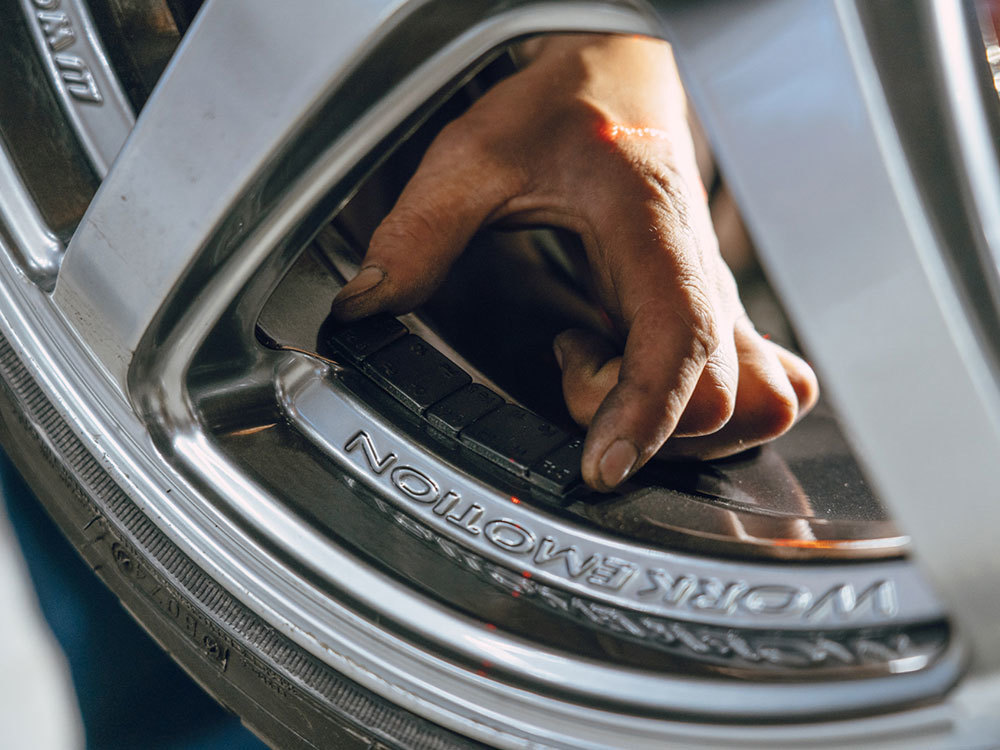
1. **Preparation of the Wheel Surface:** Clean the wheel rim thoroughly to remove dirt and grease, ensuring the adhesive adheres correctly.
2. **Placement of Weights:** Identify the lighter side of the wheel and adhere the lead weights accordingly.
3. **Checking Balance:** After installation, the wheel should be tested on a balancing machine to confirm proper weight distribution.
4. **Regular Inspections:** Schedule routine checks for wheel balance, especially after tire rotations, to maintain performance.
Frequently Asked Questions (FAQs)
What are the advantages of lead adhesive wheel weights over clip-on weights?
Lead adhesive wheel weights offer better aesthetic appeal, reduced risk of damage to the rim, and improved aerodynamics due to their placement.
How often should I get my wheels balanced?
It is advisable to balance your wheels every 5,000 to 7,500 miles or whenever you notice vibrations while driving.
Are there alternatives to lead adhesive wheel weights?
Yes, alternatives include zinc, steel, and clip-on weights, with each possessing distinct benefits and drawbacks.
Can I install lead adhesive wheel weights myself?
While it is possible to install them yourself, proper training and tools are recommended to ensure accurate placement and balance.
What should I do if I notice uneven tire wear?
Uneven tire wear could indicate an imbalance. It is best to have your wheels inspected and balanced by a professional mechanic.
Conclusion
In conclusion, lead adhesive wheel weights play a pivotal role in ensuring the optimal performance of mini buses by providing essential wheel balance. Their unique properties enable them to counteract weight distribution effectively, leading to enhanced stability, reduced tire wear, and improved fuel efficiency. While environmental considerations are prompting the exploration of alternative materials, the proven effectiveness of lead adhesive weights keeps them relevant in the industry. Ongoing advancements in technology will likely yield innovative solutions that balance performance and sustainability, paving the way for a new era in vehicle maintenance.
Related Posts
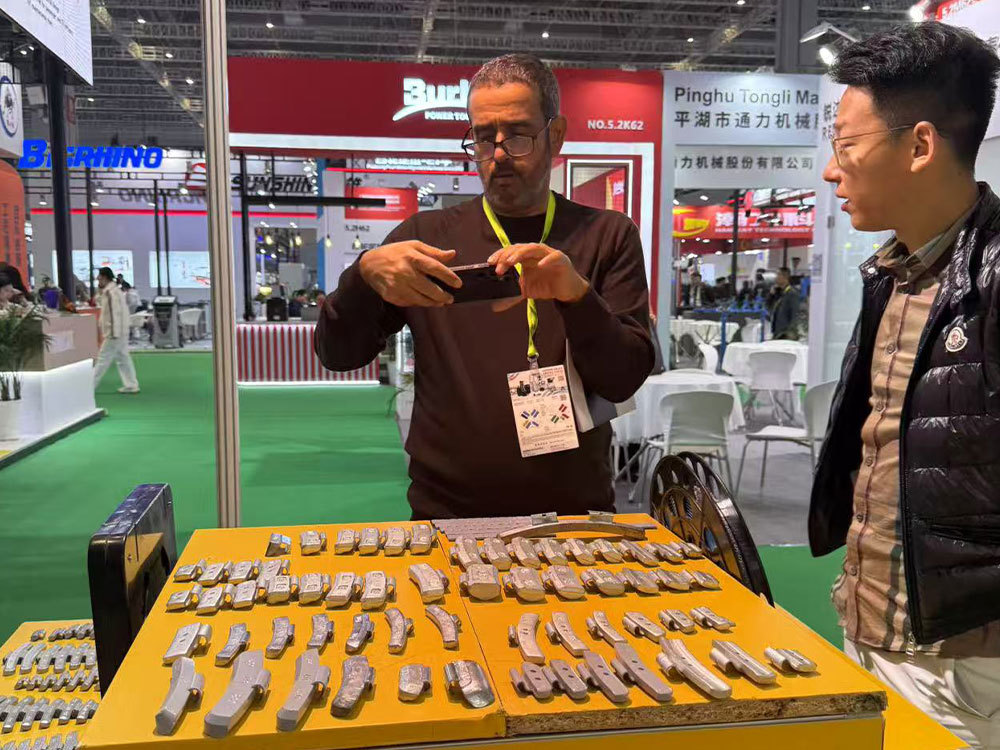
Global automotive wheel balance block industry
The global market size of automotive wheel balance weights in 2024 is approximately 4.92 billion yuan. It is expected to maintain a steady growth trend in the future

Contact Us
Sales Business:
Tel: +86-311-85939575 / +86-13673130619
Phone: +86-13933004411 (Manager Huang)
Email: wheelweights@hxphk.com
Contact Factory:
Tel: +86-317-4452233
Tel: +86-317-4452855
Email: hxphkc@126.com
What We Offer
Hebei Pan Asian Wheel weights Co.,Ltd. is an automobile wheel balance weights production enterprise that integrates scientific research, production, and sales.